
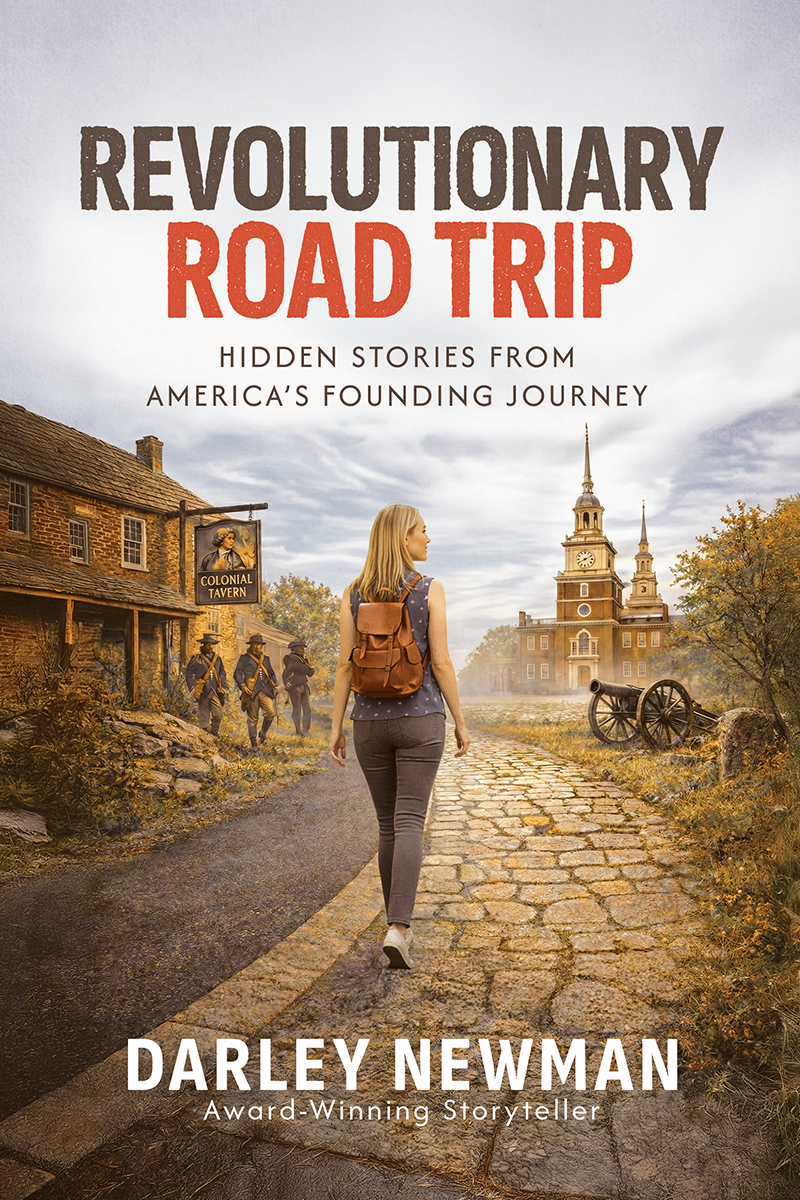
This is an interview with Darley Newman, a talented journalist, author and producer, who wrote Revolutionary Road Trip (Regalo Press, 2026) a book about lesser-known places of the American Revolution. Our focus at Side of Culture is under-the-radar arts organizations and historic places that support and create communities across the U.S. Darley Newman’s book highlights towns, taverns, museums, historic homes, battlefields, court houses and many other buildings that played crucial roles in our nation’s creation and that still serve as significant places of community and identity.
Side of Culture is also delighted to have an opportunity to honor America’s 250 before the year closes. The founding of our nation and the values it represented were as vital then as they are now.
This year and last year, Side of Culture has honored America’s 250th anniversary with stories on or related to the Revolutionary War, including important sites in and around New York City by Nadine Godwin; Linda Cabasin’s article on the new education center at Mount Vernon; and articles related to military history in the U.S., including the role of women at Gettysburg by Barbara Noe Kennedy; and Linda Cabasin’s story on the Clara Barton Missing Soldiers Museum in Washington D.C.
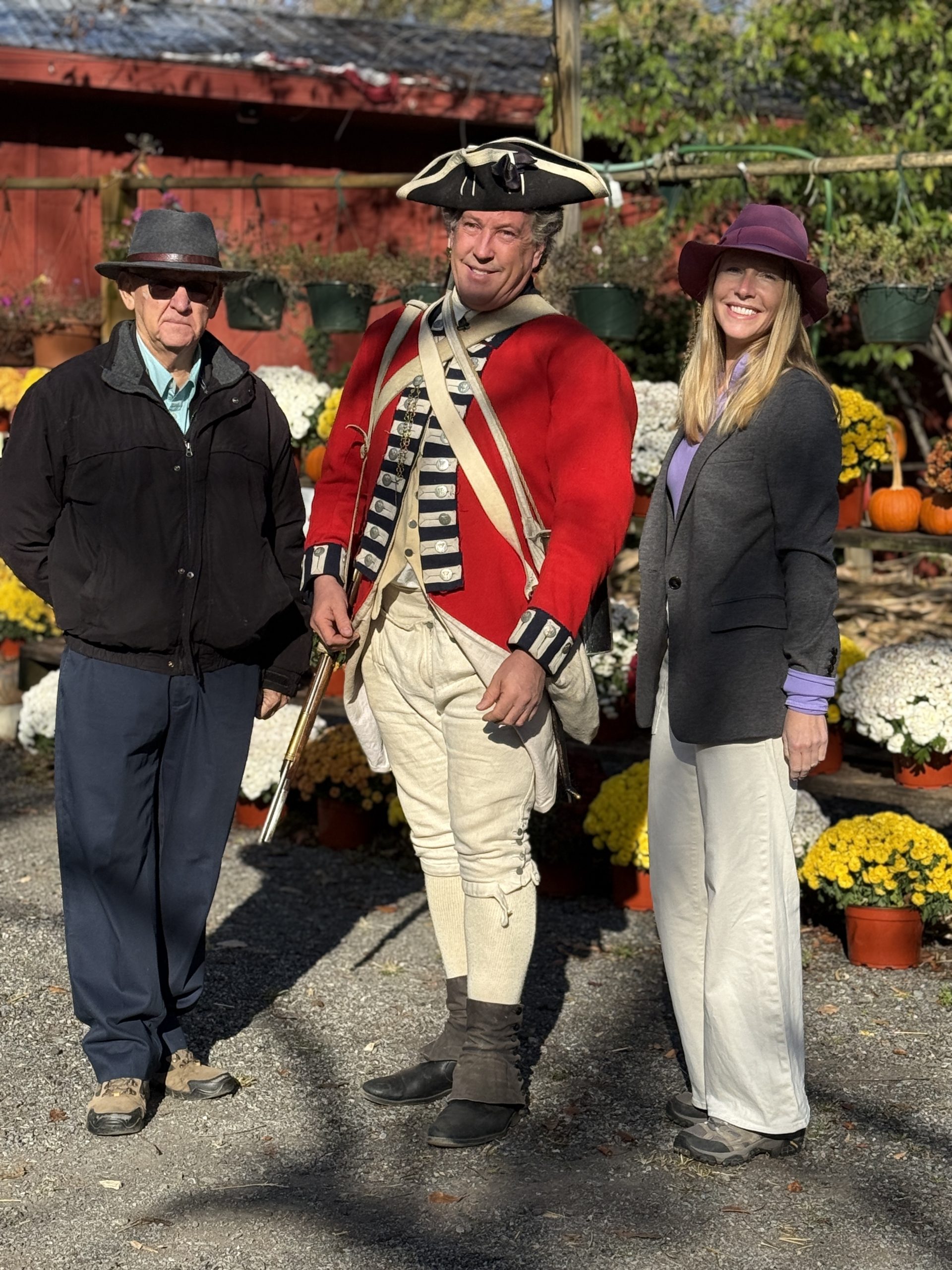
Publishing Revolutionary Road Trip as the country celebrates its 250th anniversary seems logical but the places and institutions are far from obvious. These lesser known places of and stories about the American Revolution are especially interesting because Newman weaves in individual and personal histories that definitely do not make the headlines or the history books and yet played crucial roles in the war.
“I chose to publish this book now, because I had found so many stories that hadn’t made it into the history books that I felt should be documented in a book. I spent five years traveling to sites related to the American Revolution, where history is constantly unfolding. After filming 12 half hour episodes for my PBS and streaming series, “Travels with Darley,” themed “Revolutionary Road Trip,” I felt it was important to further share and memorialize these untold and lesser-known pieces of our shared history. So many of these stories center around ordinary people, working truly did extraordinary things. It’s these people and places whose stories deserve a spotlight and by learning them, we can all be more in touch with the past and each other today.”
Newman breaks her book into seven chapters: New Jersey and Princeton; South Carolina and Charleston; New York and Saratoga; South Carolina (again) and Camden; Delaware; North Carolina and Pennsylvania focusing on York, Gettysburg and the Brandywine Valley. She takes her readers and listeners on a personal journey as if you are right beside her. She explores many of the towns where the Revolutionary War took place and brings us into the lives of the men and women who worked for and fought in the war.
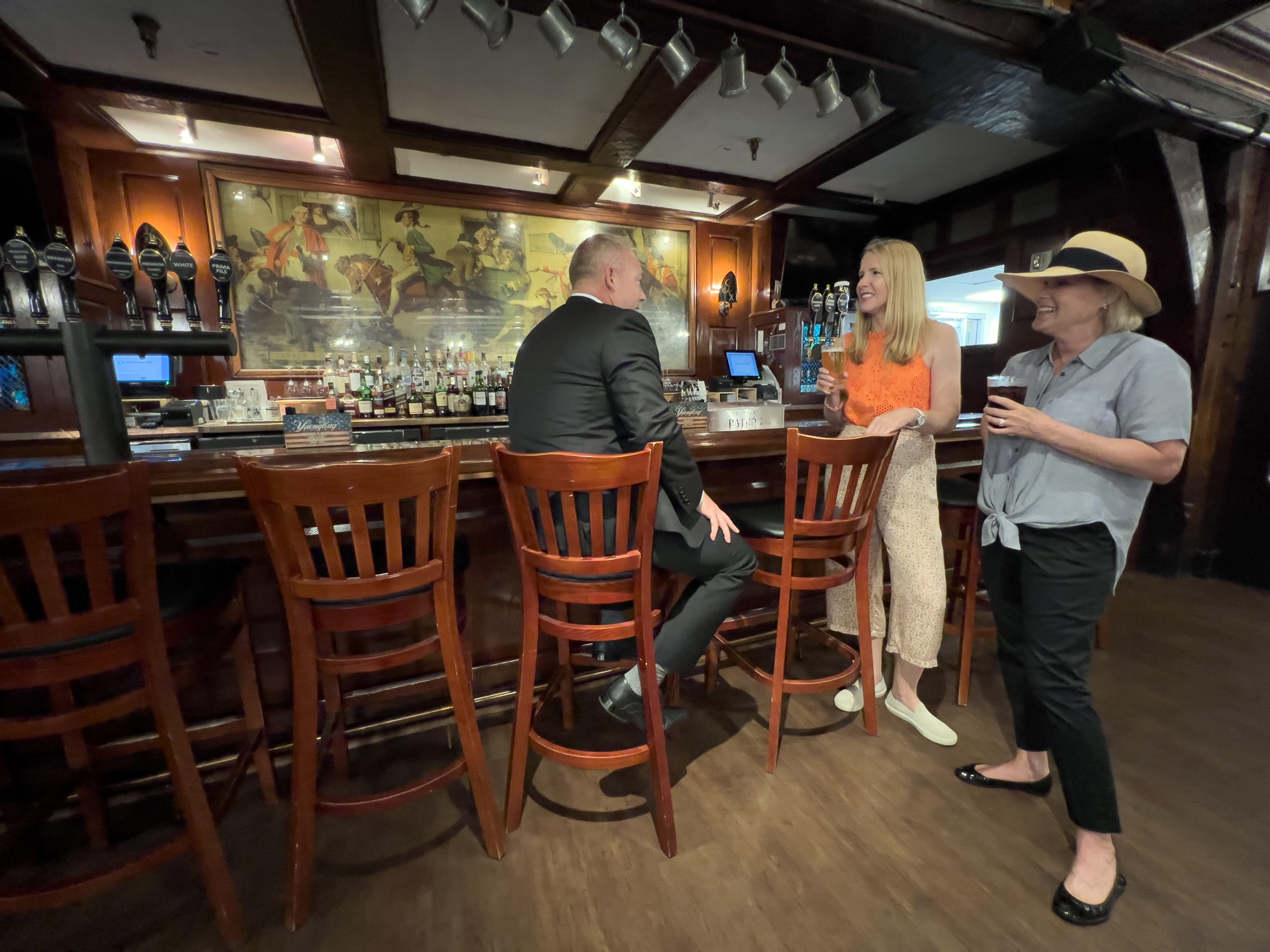
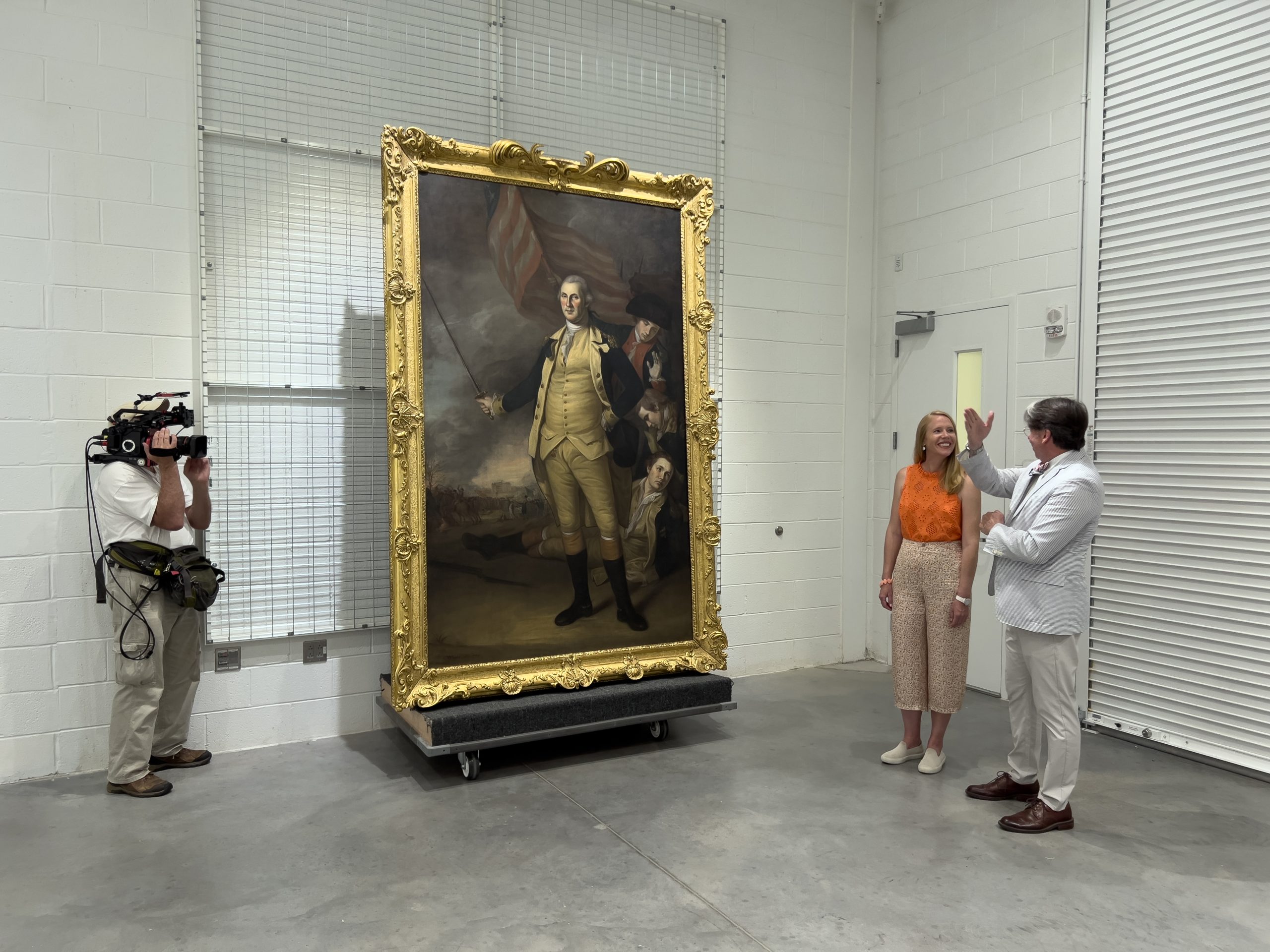
The first chapter entitled Hamilton, Einstein and a Pint in Princeton, is intriguing as Newman chooses to use the Battle of Trenton and the Battle of Princeton as the contest of the story rather than the main plot. In this chapter, she visits Princeton University’s Nassau Hall, the Princeton University Art Museum and the famous Yankee Doodle Tap Room. She relays history through telling the legends of important paintings. At Nassau Hall, she describes the extraordinary painting of George Washington. Before Washington took his rightful place in the frame, it had been King George II who had the place of honor. She explained that legend has it that a Revolutionary cannon ball shot through the window of Nassau Hall and took off the head of King George. Eventually this painting of King George was replaced in the same frame by a more than life-size painting of General George Washington.
Newman goes on to speak about many aspects of Nassau Hall as well as another life-size painting of George Washington at the Princeton Museum of Art completed by one of America’s most famous portraitists at the time: Charles Willson Peal. Afterwards she takes us to this historic Yankee Doodle Tap Room where you can find an original Norman Rockwell painting that is practically a fresco as it is painted into the wall of the pub. It is 13 feet long and depicts Yankee Doodle riding a pony, alongside nineteen people, a goose, and two dogs and shows Yankee Doodle plucking a feather from the goose. Newman’s approach is not to ignore the all important battles but to tell important and symbolic underlying stories with a bit of humor.
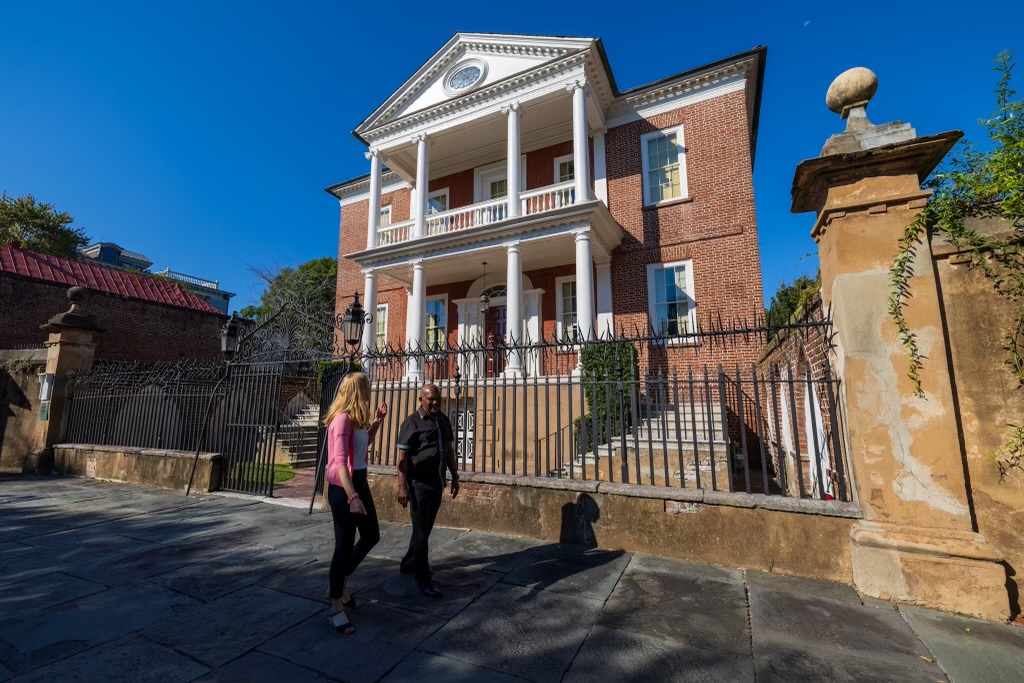

In Chapter II, Newman travels to South Carolina and takes on a trip to dungeons, monasteries and hidden fortresses. Her point in this chapter is well-taken: History and stories are around us all of the time. Charleston is no exception as its “secret fortress” is actually hidden in plain sight on the main thoroughfare of King Street. She brings us to Middleton Place, a National Historic Landmark located along the Ashley River near Charleston, and only a short way from decisive battles at Monck’s Corner and the exploits of the famous Brigadier General Francis Marion, known as the swamp fox and the father of guerrilla warfare.
Middleton Place is home to America’s oldest landscaped gardens and was once the residence of Arthur Middleton, a signer of the Declaration of Independence. Today, the site encompasses historic structures and formal gardens that were tended to by enslaved people from Africa. This echoes a theme that Newman highlights earlier in the chapter about some of the beautiful historic houses in Charleston and that so much beauty was built on the backs of the enslaved.
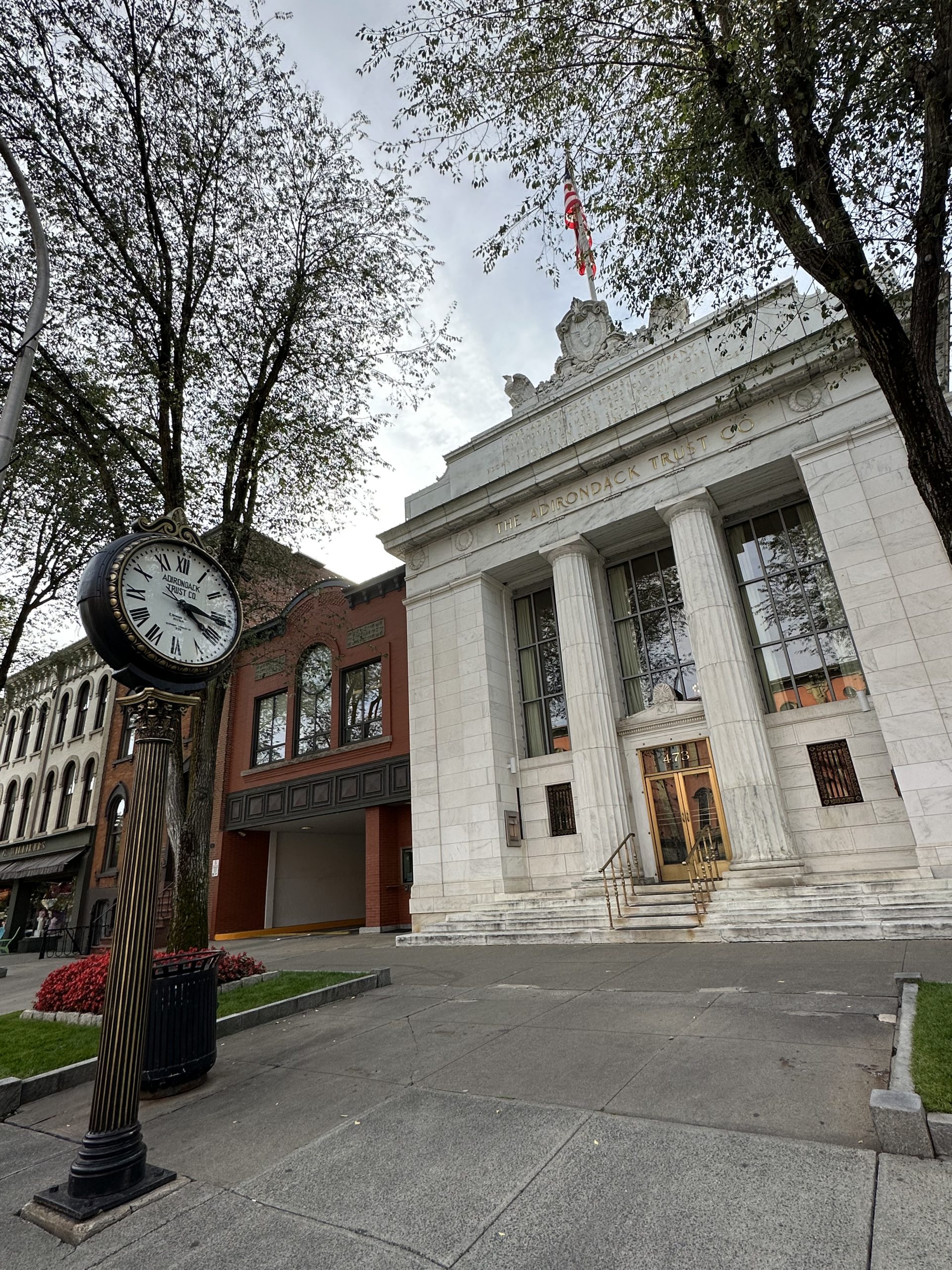
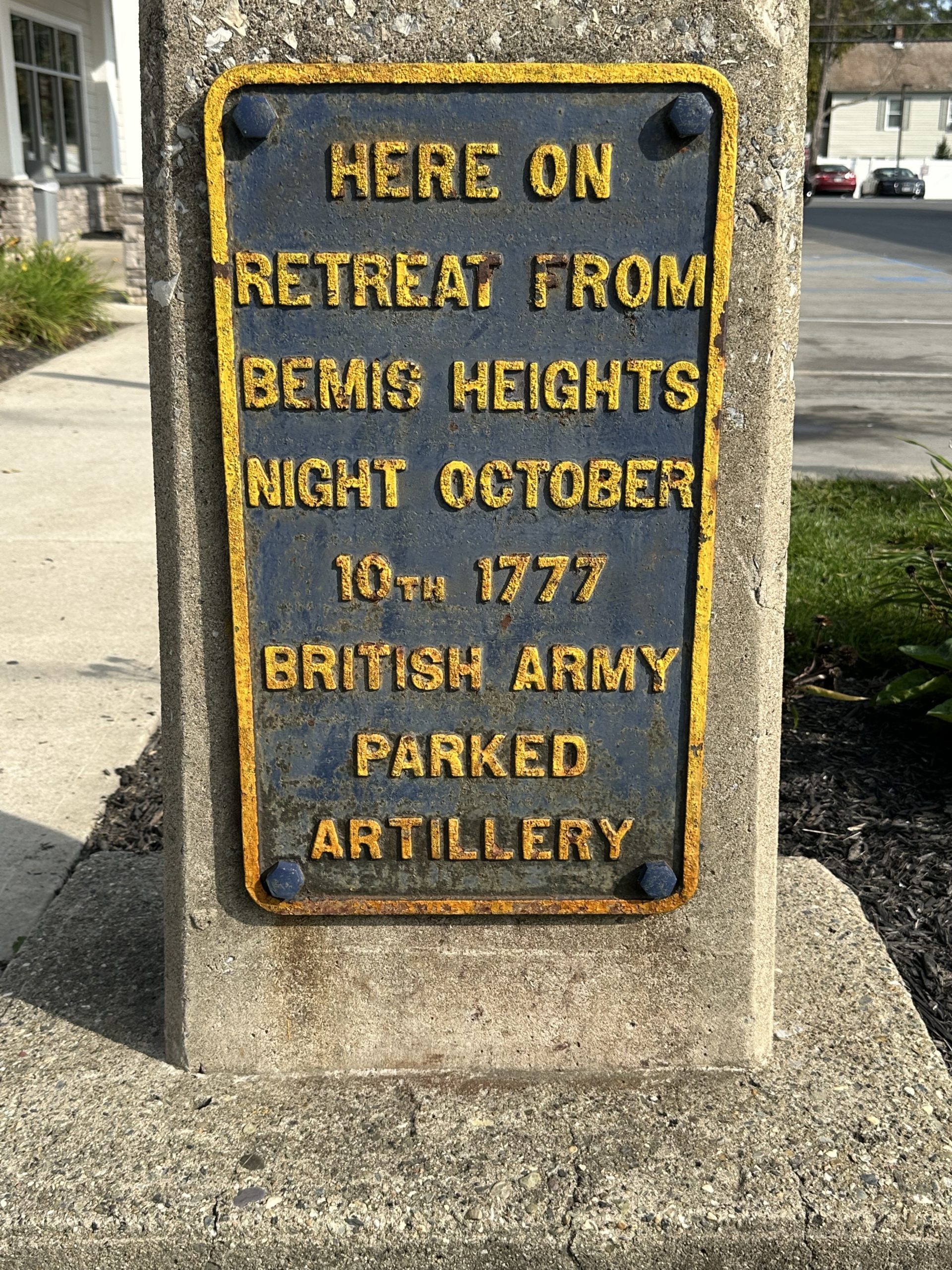
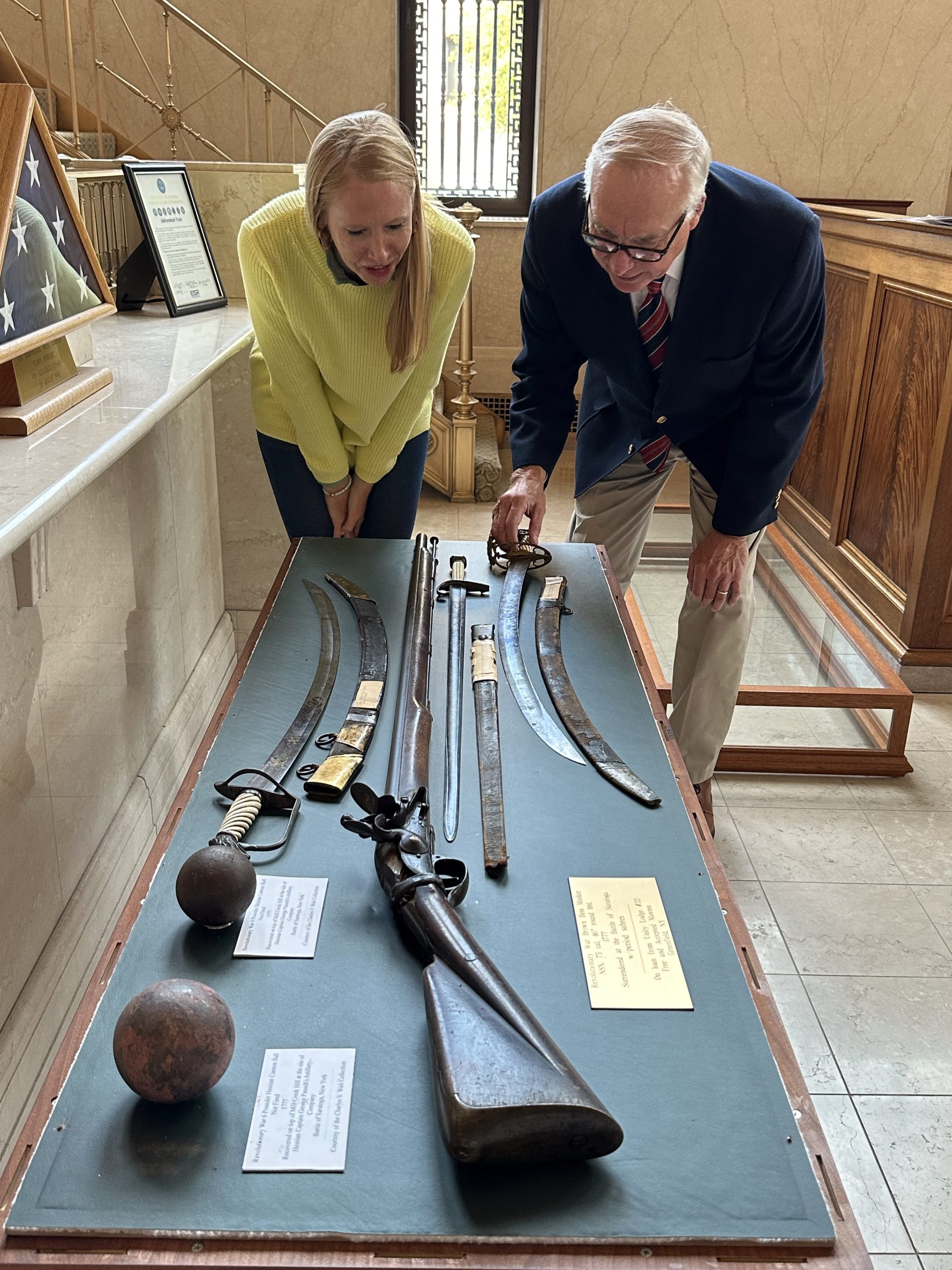
In Chapter III Newman focuses on the local history of the American Revolution and various sites in Saratoga New York. Family history and pride run deep and family-businesses are still intrinsically linked to their towns. The family- and employee-owned and philanthropically oriented Stewart’s Shops and the Adirondack Trust Company are two such examples whose families are proud of their artifacts from the Revolutionary War.
Tom Farkas wrote about Saratoga but not at the time of the Revolution. Newman highlights the story of Lady von Riedesel who accompanied her husband on his tour of duty with the British Army. Her diaries and eye-witness accounts earn her the sobriquet of being the first woman war correspondent as she recounted the story of General Burgoyne surrendering his sword in 1777 after losing the Battle of Saratoga. The Saratoga National Historical Park, including the Schuyler and Nielson Houses are important sites where you can learn about the Battles of Saratoga (including the roles of Benedict Arnold and General Richard Montgomery) and about an important unsung hero: Louis Cook who served in the Continental Army becoming the highest ranking officer of African and Indian descent.
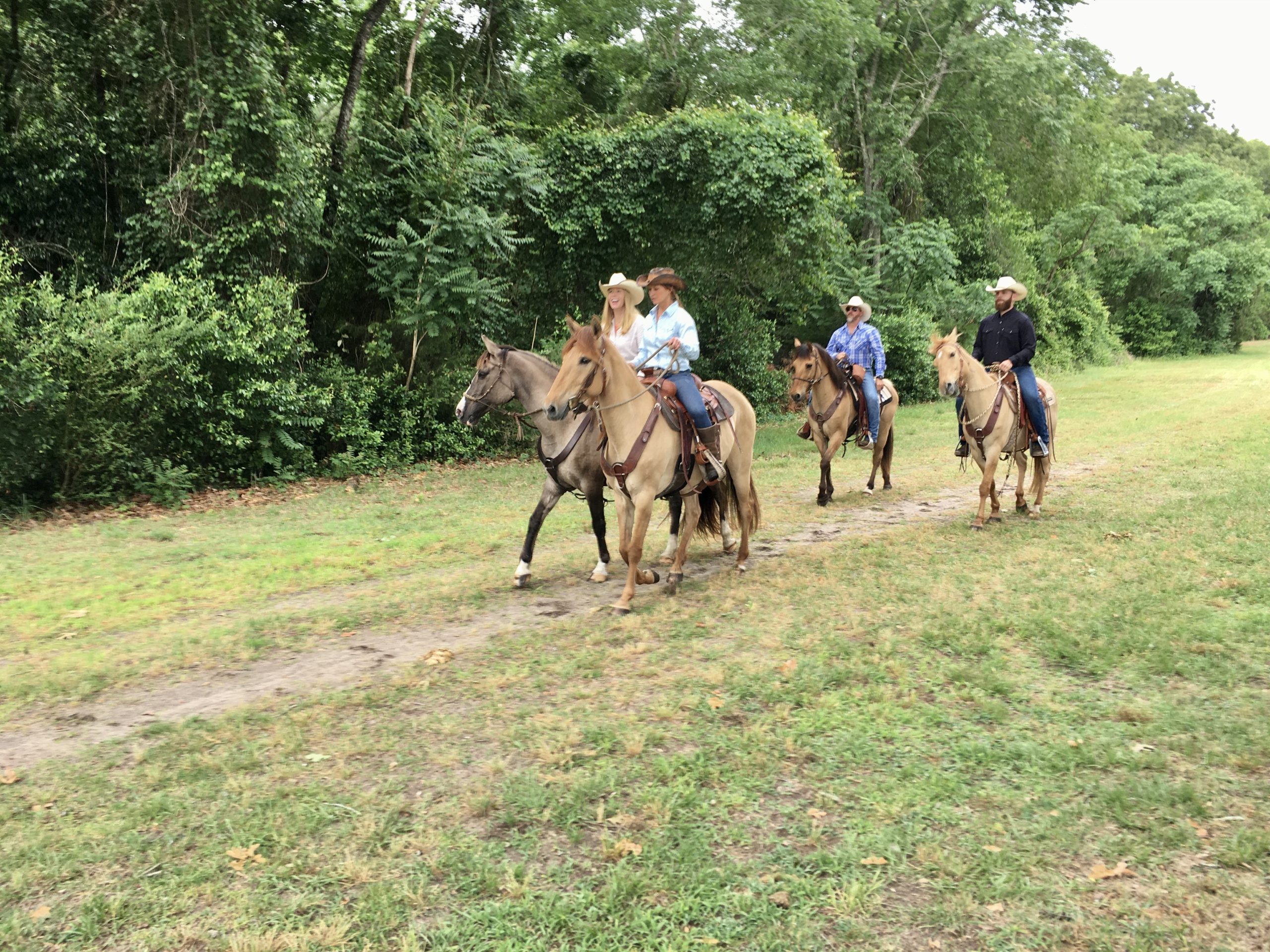
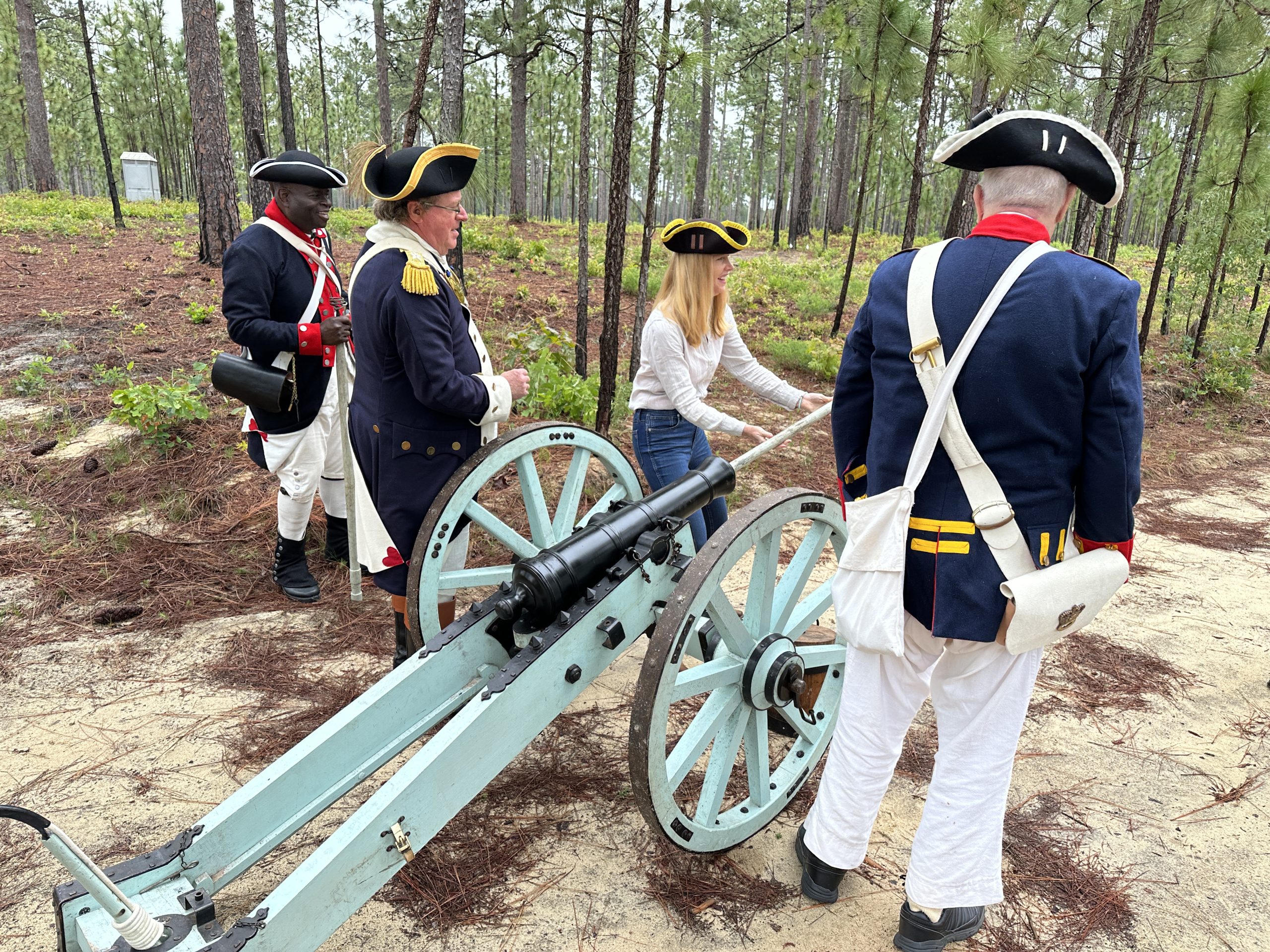
Back in South Carolina, in Chapter IV, Newman takes us to the Battlefield at Camden and hundreds of American soldiers buried there. This was one of the worst tactical defeats of the American Revolution for the Continental Army and the battlefield is one of the sacred sites and burial grounds of the American Revolution. Clearly this battlefield is sacred ground not only as it is a burial site of the fallen but also because it serves as a memorial ground for many in the town.
Newman emphasized how her guide underlined the importance of the site for the veterans of more recent wars. Camden is also the home to the National Steeplechase Museum and highlights the role of horses in the Revolutionary War and especially the local Marsh-Tacky breed. General Marion used them to navigate the swampy South Carolina woods and they are known for their smarts and stamina. Now on the critically endangered list, the Carolina Marsh Tacky Association and others are attempting to bring them back. They were heroes for farmers and fighters, patriots and families.
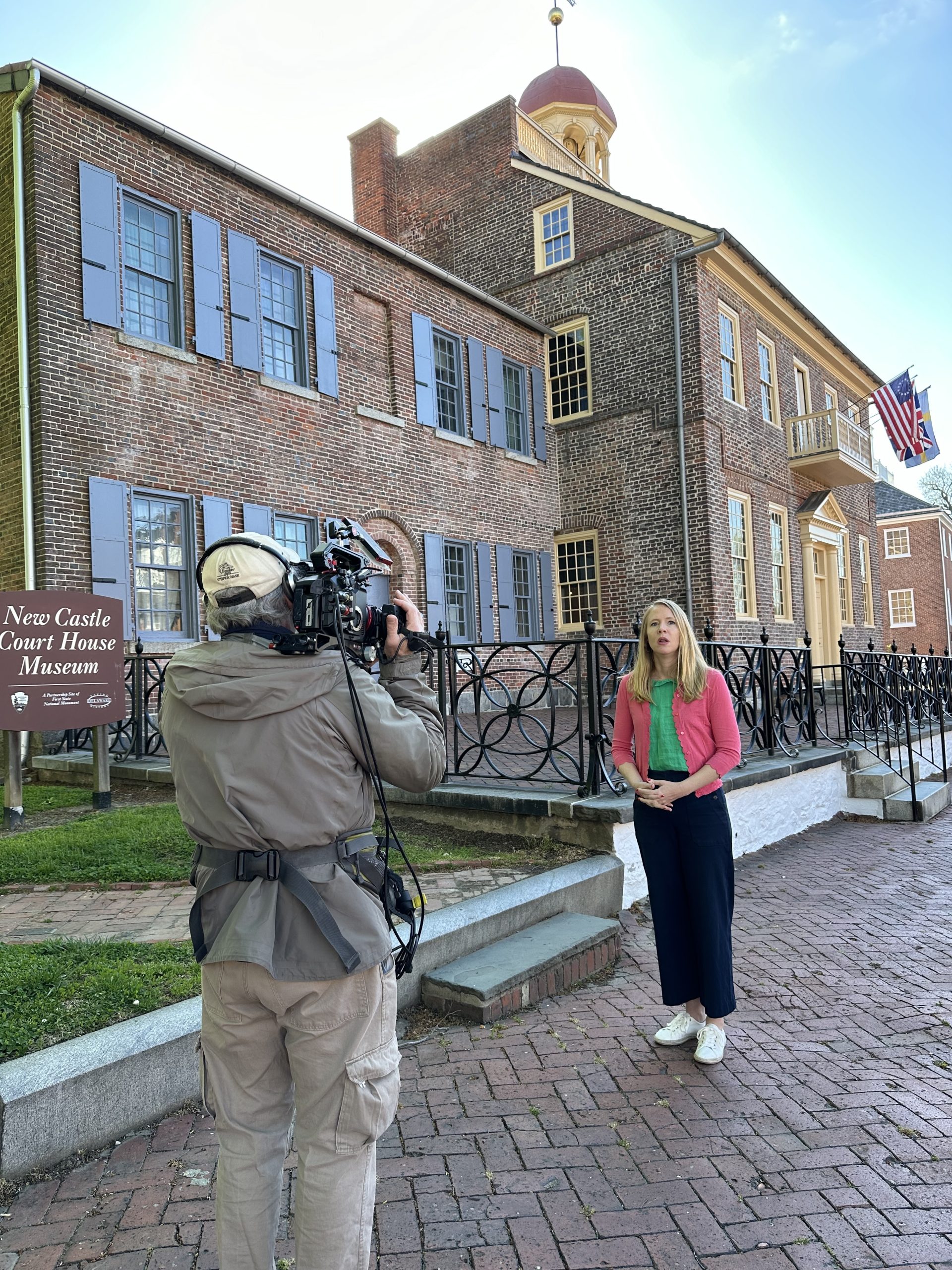
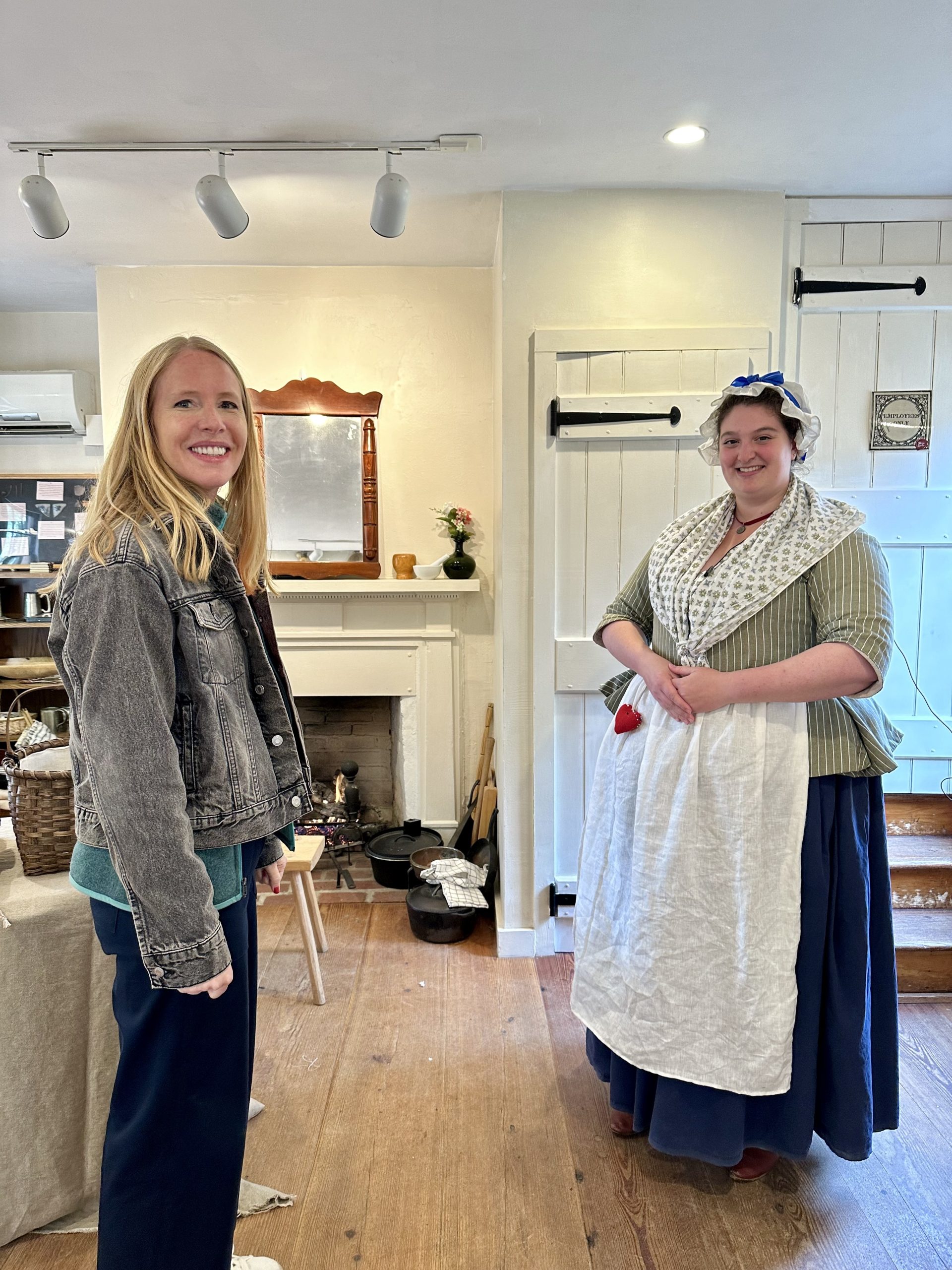
In Chapter V: Small State and Great Resolve: Newman moves on to Delaware where she tells us stories from New Castle and Dover. The Open Air Museum of Colonial Curiosities is a living and working collection of more than 500 well-preserved buildings dating from the 17th to the 19th centuries; part of the historic district; treasured and authentic historic spaces each with centuries old stories. Newman emphasized the regal appearance of the town, including one of the oldest surviving courthouse in the U.S., the role of the underground railroad and that the Declaration of Independence was first read aloud to the citizens of New Castle here.
In Dover, the John Bell House is one of the oldest wood-framed structure in Dover and the state of Delaware. It stood across from the town green and the historical marker for the Golden Fleece Tavern where thirty delegates from Delaware met to formally ratify the United States Constitution, honoring Delaware as “The First State” on December 7, 1787.
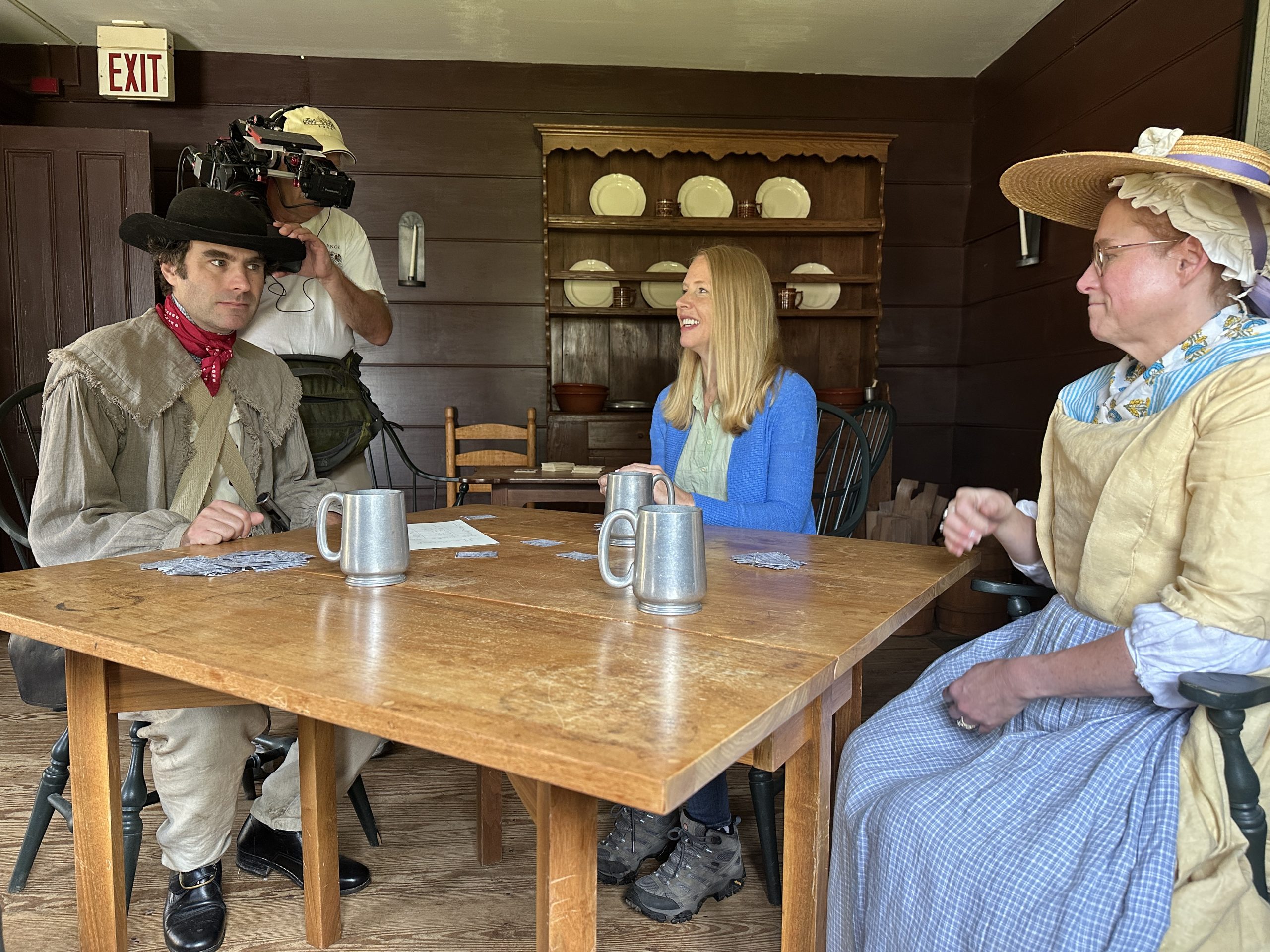
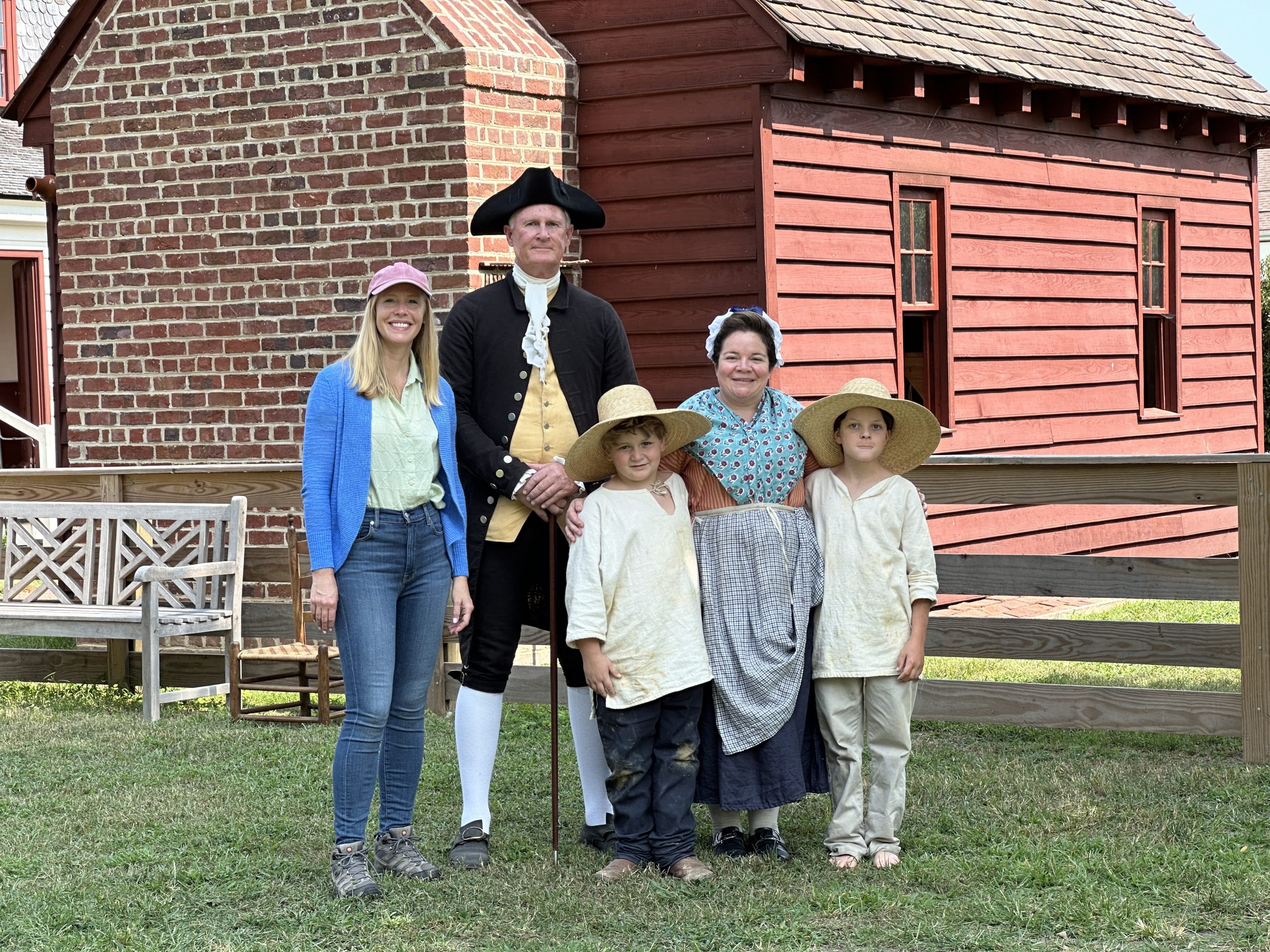
The role of the towns and the state as explained by historical interpreters, guides and historians and the obvious pride and unity the citizens have in their shared history. It was, and is, a pride in the state’s role in the Revolution, a desire to be identified with and a part of the history.
In Chapter VI, Newman heads south to North Carolina and the Guilford Courthouse and National Military Park where layers of history are still being uncovered especially in regard to the role of women and Black soldiers. Today the Guilford Courthouse National Military Park is part of the National Archives’ ongoing Citizen Archivist program. This project uses volunteers to transcribe pension records to find out more about the people involved in the battle. Newman uses a quote in her book to highlight the personal nature of her discoveries. At the foot of the monument to General Greene. Attributed to General Cornwallis from the British Army, “Greene is as dangerous as Washington. I never feel secure when encamped in his neighborhood.”
At the Greensboro History Museum, Newman highlights the precious artefacts from Dolley Madison, wife of the fourth president of the United States and the role of annual festivals and re-enactments where everyone in the town come together for living-history demonstrations. Visitors can get involved, too, with hearth cooking, blacksmithing, guided tours and ceremonies.
In Halifax, Newman emphasized that she was touched by the care that the people here have for restoring and preserving this small locale. “There are fewer than three hundred people living here in the county seat. It’s a more rural, less frequently visited location that is working to share its history. I’d seen a smaller, but significant part of the American story in this area that was just a bit off the beaten path.”
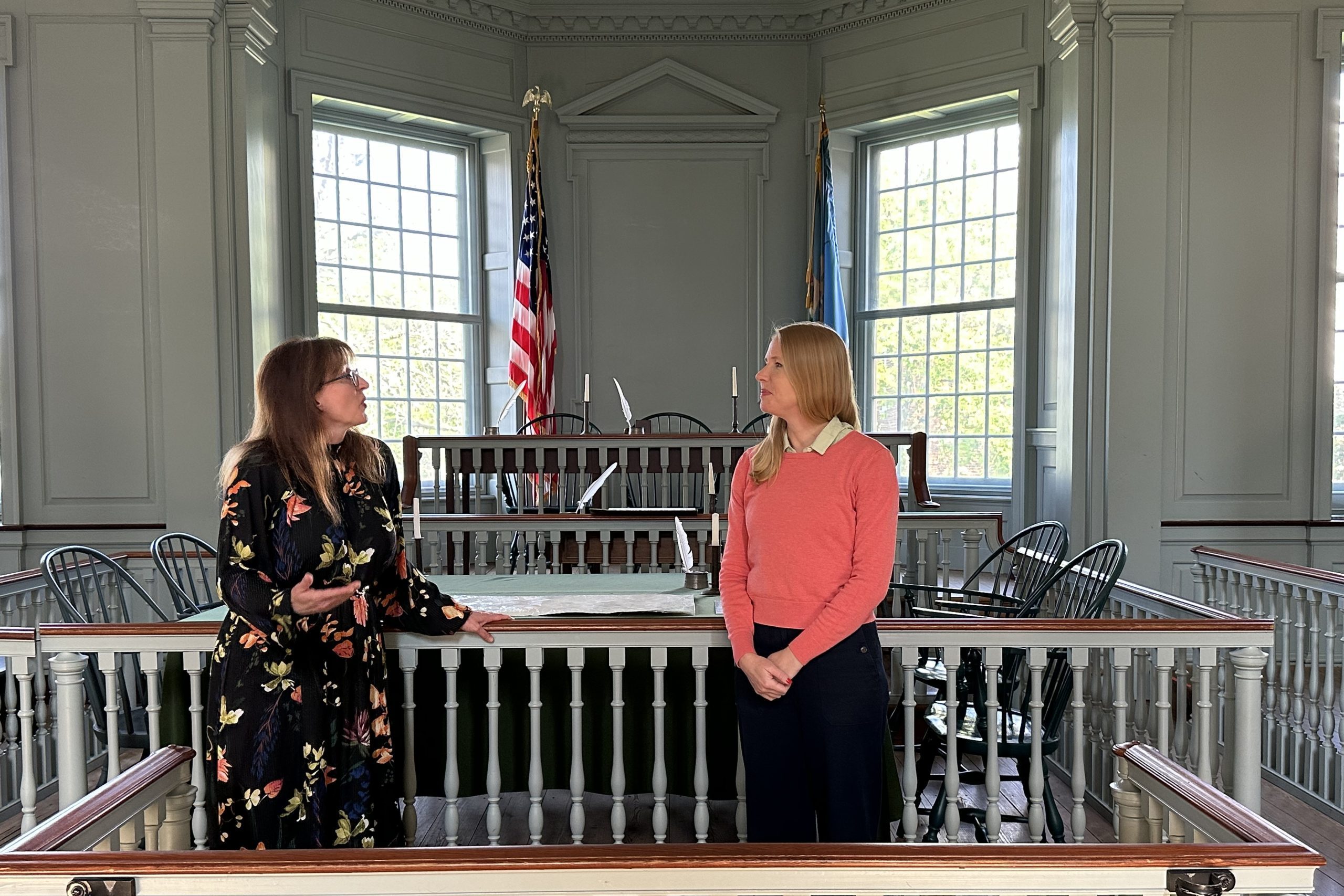
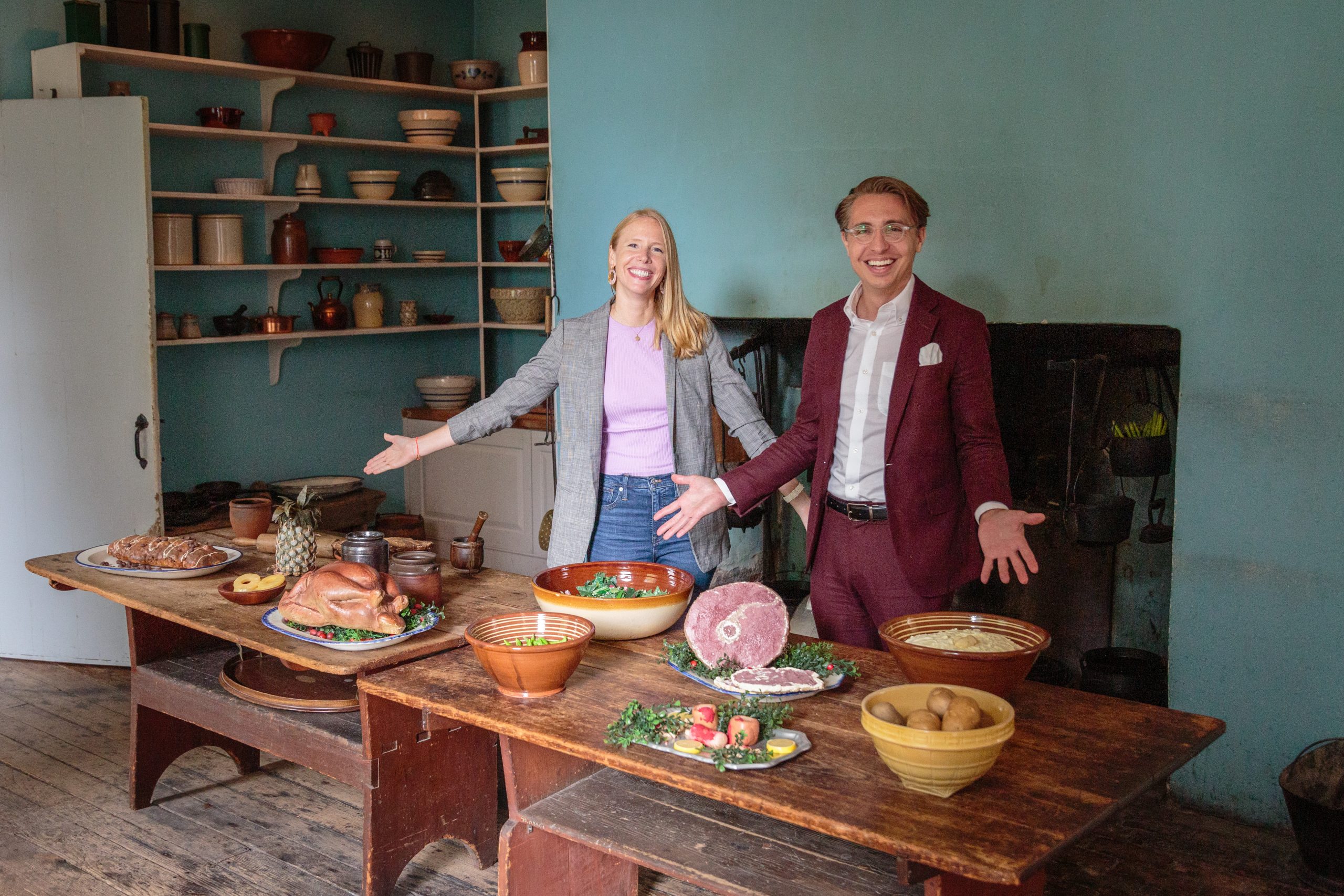
In Chapter VII, Newman heads to Pennsylvania and York, Brandywine and Gettysburg. York had served very briefly as the capital of the Continental Army. “The fact that local people had wanted to take the time and money to reconstruct this Colonial Court House, complete with period-accurate materials down to the shingles on the roof, told me a lot about how they felt about the value of preserving history.”
She also takes us to the Eichelberger Distillery and revels in the role of “cherry bounce” that George Washington kept with him at all times. It was his favorite drink and it was said that Martha Washington had the best recipe. But in addition to such light-hearted history, Newman also tells about the York County History Center, a modern history museum located in a repurposed steam plant from the 1890s, which houses the original Articles of Confederation and the first constitution of the United States.
Finally, Newman writes that the Gettysburg National Military Park and Civil War history is the focus of most travelers’ visit to Gettysburg but that there is also a connection to the Revolutionary War. She picks the Dobbin House which is known for its classical colonial meal, potent cocktails and authentic ambience. She talks with the owner of the tavern who like many of the historians and guides has a passion and respect for history and carries on traditions that knit communities and towns together.
With a mixture of humor, a great deal of empathy and relatability, Darley Newman goes deep into America’s lesser known places of America’s Revolutionary War and brings alive individuals extraordinary activities, sacrifices and efforts on behalf of their new and adopted country. We can only be grateful for such a great book as we usher out America’s 250th anniversary year.