
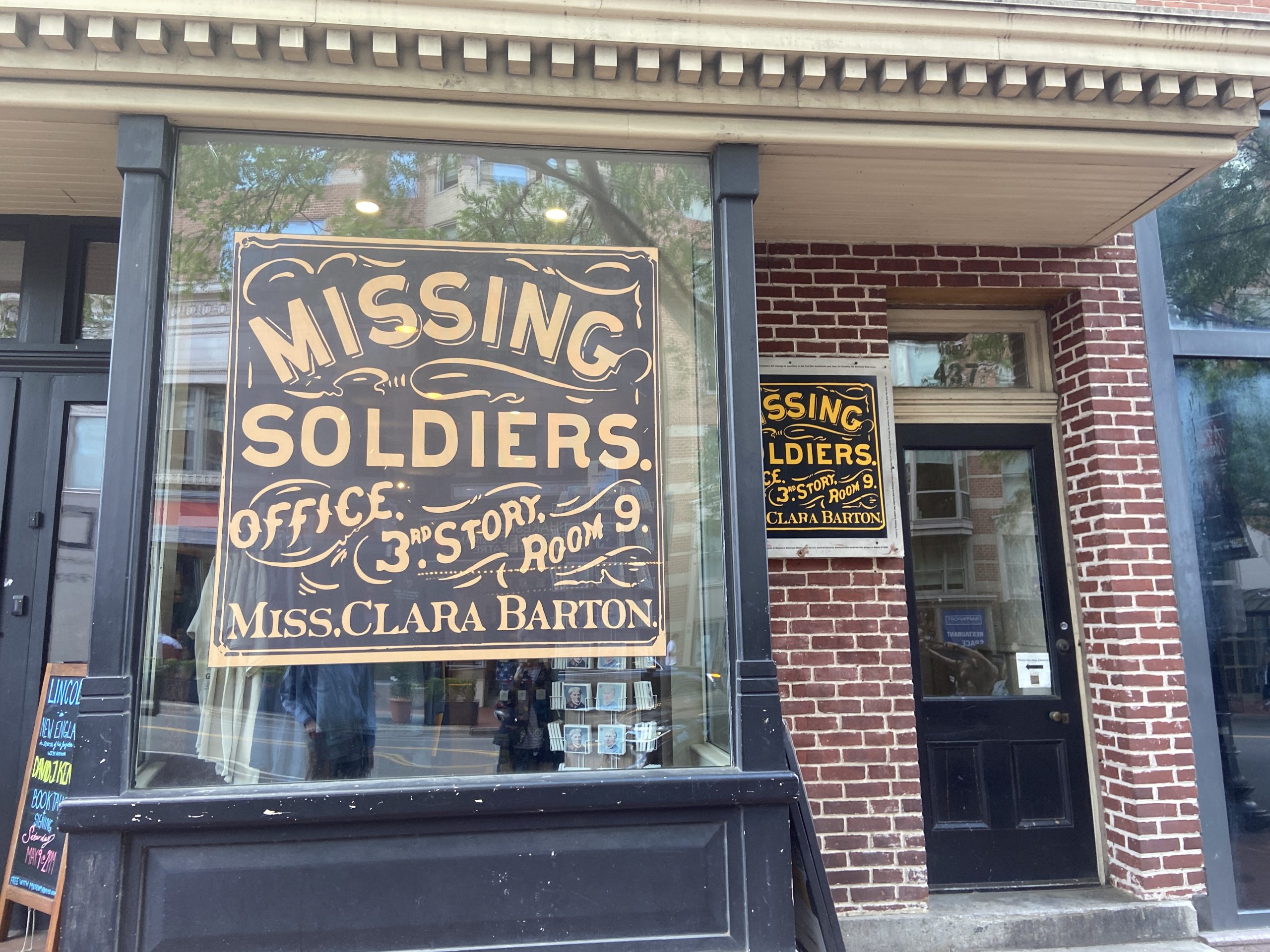
In Washington, DC, grand monuments and museums tell the story of the United States, making it a perfect place for celebrating the nation’s 250th anniversary. But tucked quietly around the city, lesser-known sites also illuminate important parts of America’s history. One of these, the Clara Barton Missing Soldiers Office Museum, is almost invisible on a busy Penn Quarter street. The location of the building where Clara Barton—Civil War nurse, humanitarian, and founder of the American Red Cross—discovered the fate of more than 22,000 soldiers was identified only in the 1990s. The small museum with its restored rooms brings the wartime city and Clara Barton’s achievements to life, an inspiring story that demonstrates how one individual can create meaningful change.
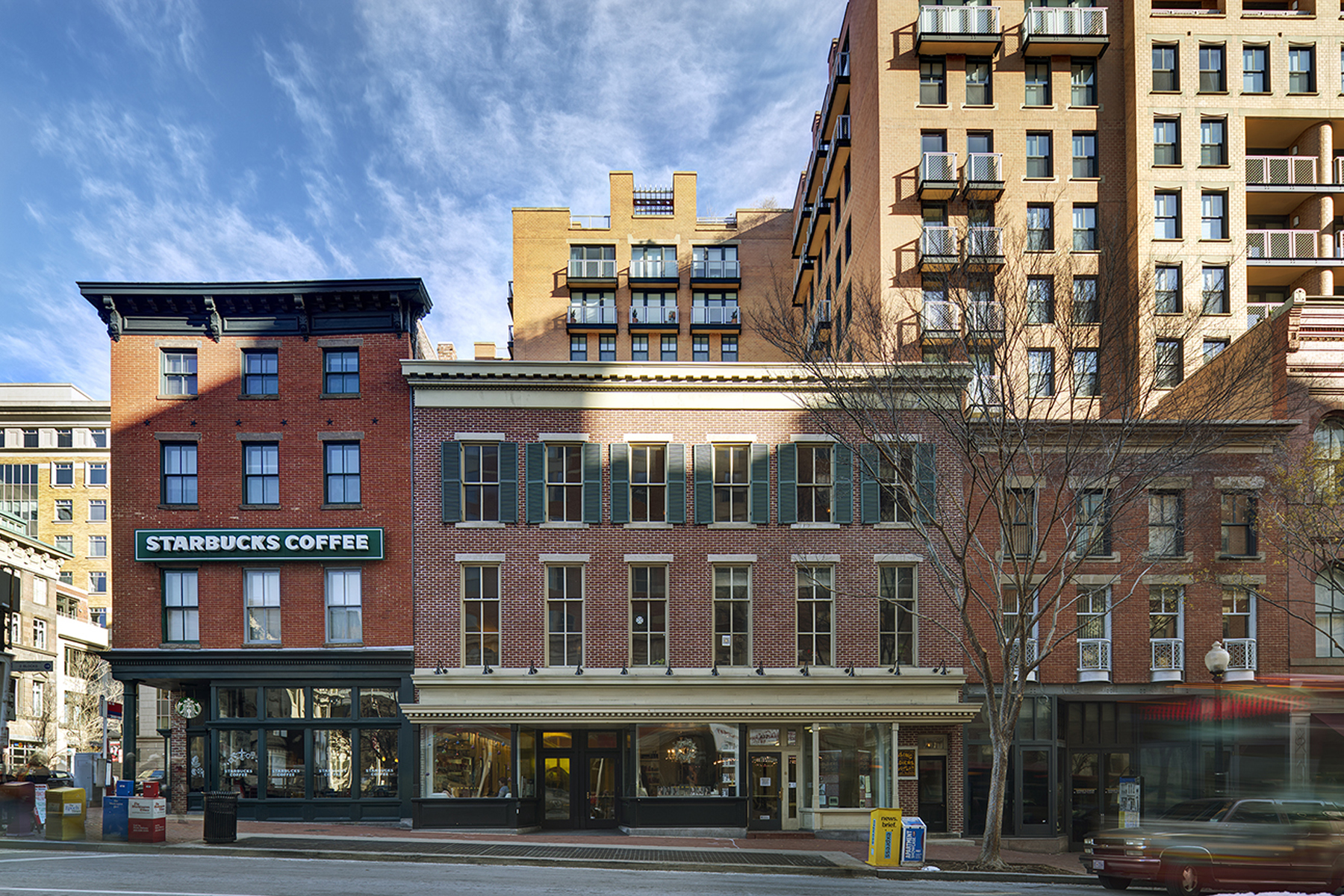
Clara Barton’s wartime home and office survived only by chance. In 1996, General Services Administration (GSA) employee Richard Lyons was inspecting 437 7th Street Northwest, a derelict downtown building set for demolition. On the long-boarded-up third floor, Lyons felt a mysterious tap on his shoulder and looked up to see an envelope sticking out of the ceiling. Exploring an attic, he found a sign for the Missing Soldiers Office among more than a thousand artifacts. The GSA worked with experts to restore the third floor to its appearance during the time Barton lived and worked there. In 2007, the GSA and the fascinating National Museum of Civil War Medicine in Frederick, Maryland, partnered to continue the work. The GSA owns the building, and the NMCWM operates the museum, which opened in 2015.
Exploring the Museum
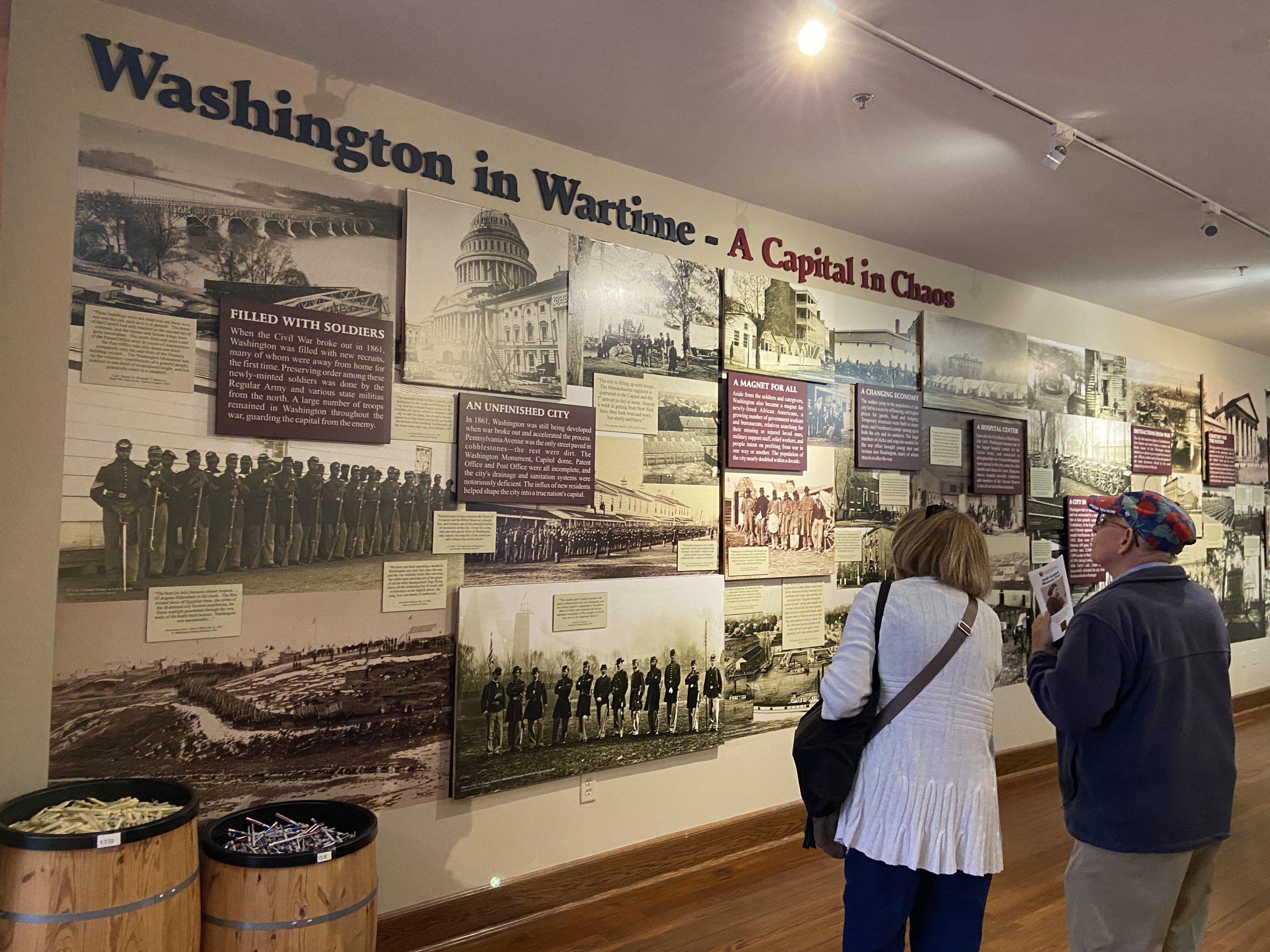
“Washington in Wartime: A Capital in Chaos” proclaims the introductory display on the museum’s first floor, with photos showing the troops, hospitals, and unfinished buildings that filled the beleaguered, heavily fortified city. It conveys the pressures of the Civil War, which led Barton to take direct action to help soldiers. Visitors can tour the museum on their own, using a pamphlet with a floor plan of the former third-floor boardinghouse. Guided tours (reservations recommended) are worthwhile.
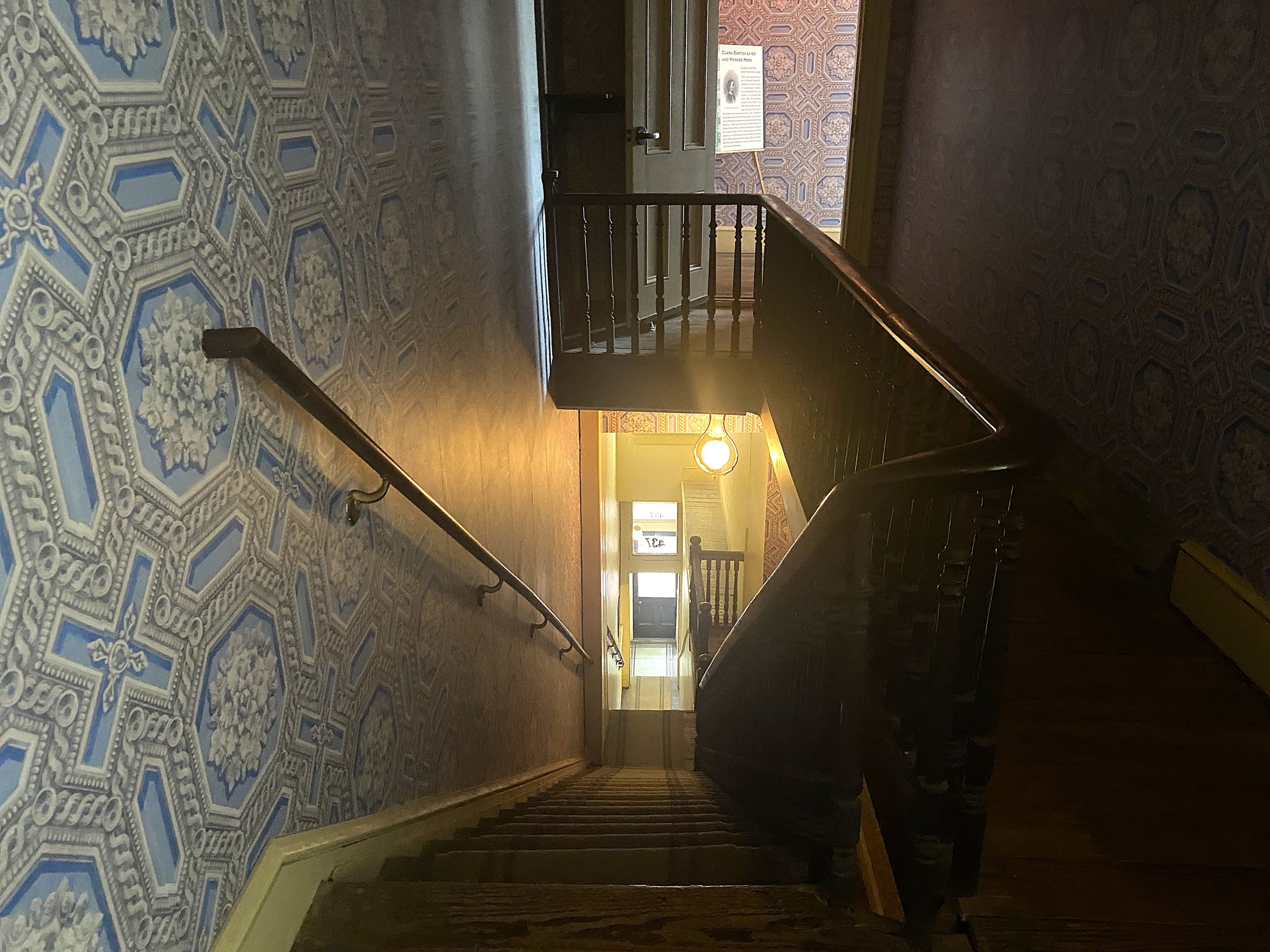
Clara Barton (1821–1912) was born in Massachusetts and taught school in New Jersey, founding the state’s first free public school in Bordentown in 1852, but she moved to Washington, DC in 1854 after a man was hired as the principal—not the last time Barton encountered prejudice due to her sex. She worked in the U.S. Patent Office, living in a modest third-floor boardinghouse from 1861 to 1869. Visitors walk up the staircase that Barton used when the building was 488½ 7th Street: a later renumbering to 437 explains why the boardinghouse’s location was lost.
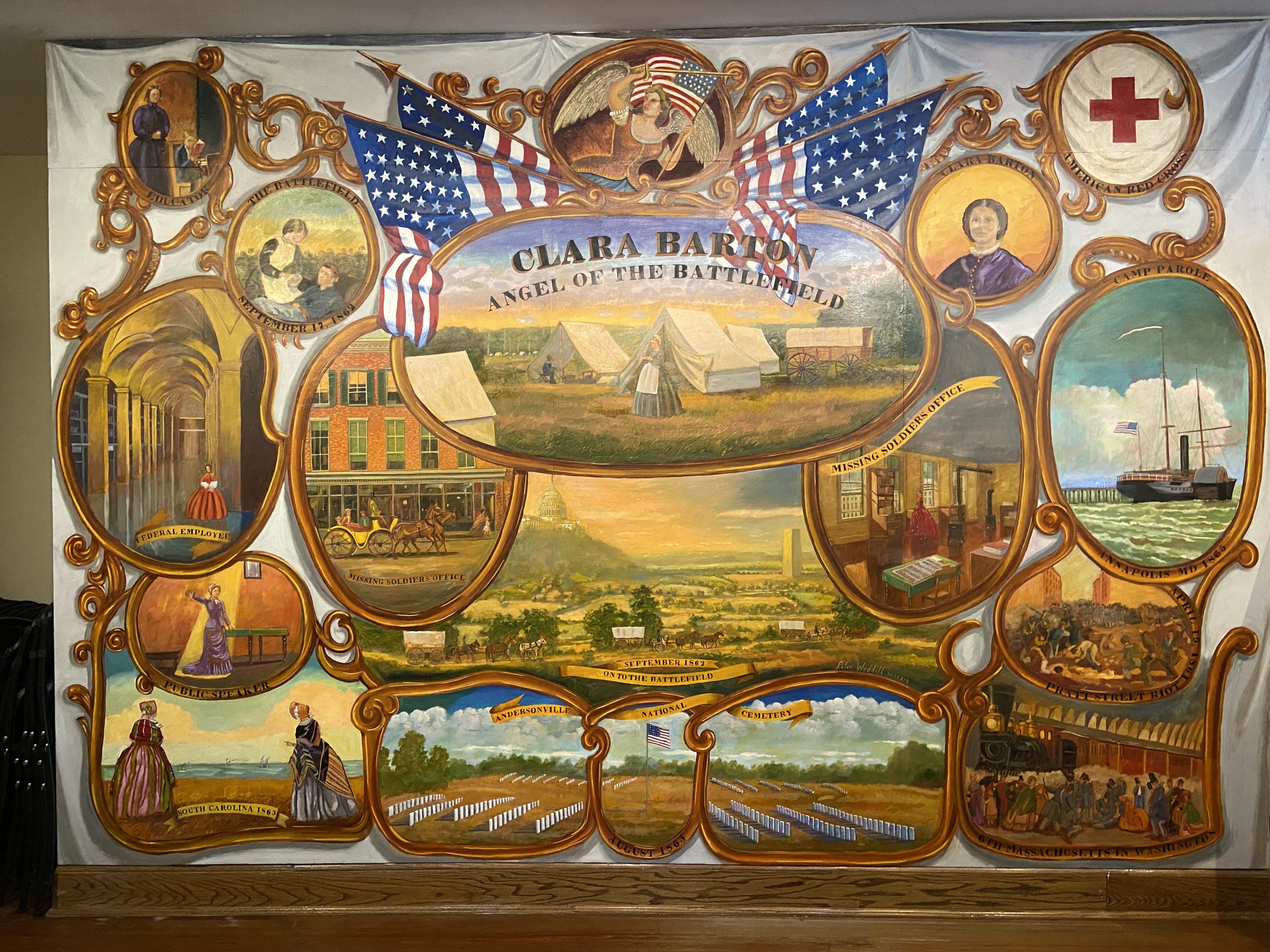
During the Civil War, Barton received permission to deliver supplies to the front lines as an independent relief worker, purchasing medicines, bandages, and food from her savings and donations. Her nursing work (like other Civil War nurses, she gained experience on-site, but she had nursed family members) at Antietam led Union surgeon Charles Dunn to call her the “Angel of the Battlefield,” a nickname circulated in newspapers. Throughout the war, Barton assisted at major battles in states including Virginia, Maryland, and South Carolina.
The unstoppable Barton could not leave her work. As Madeleine Thompson, Site Manager of the Clara Barton Missing Soldiers Office Museum, notes, “History isn’t only made in grand halls and on battlefields—it’s made in the determined work of individuals who refused to let others be forgotten. Clara Barton spent years matching names to the missing, giving families the answers they desperately needed. That work feels as urgent and humane today as it did in 1865. Her groundbreaking work continues to shape the work of the Red Cross, the Defense POW/MIA Accounting Agency, and beyond.”
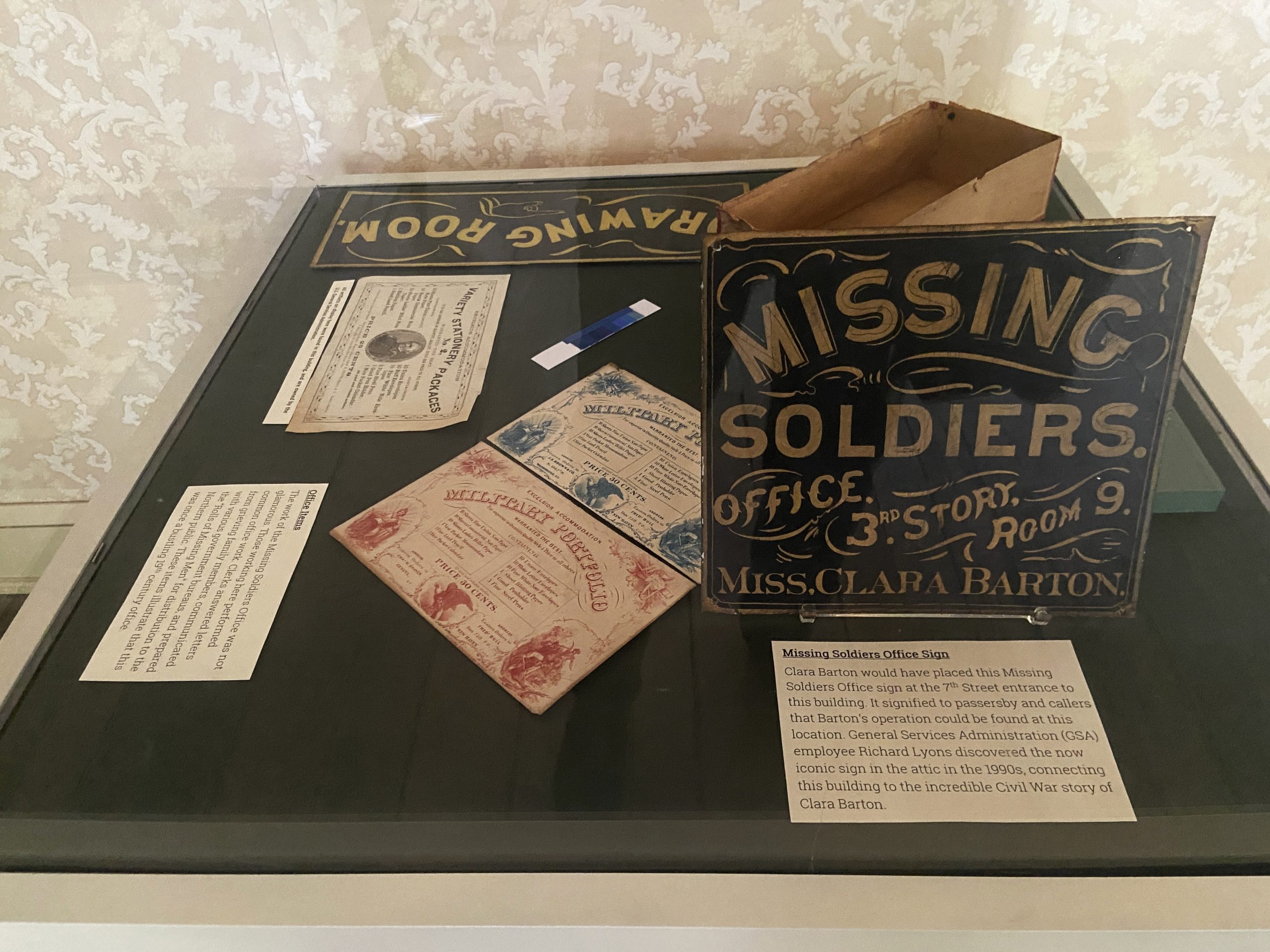
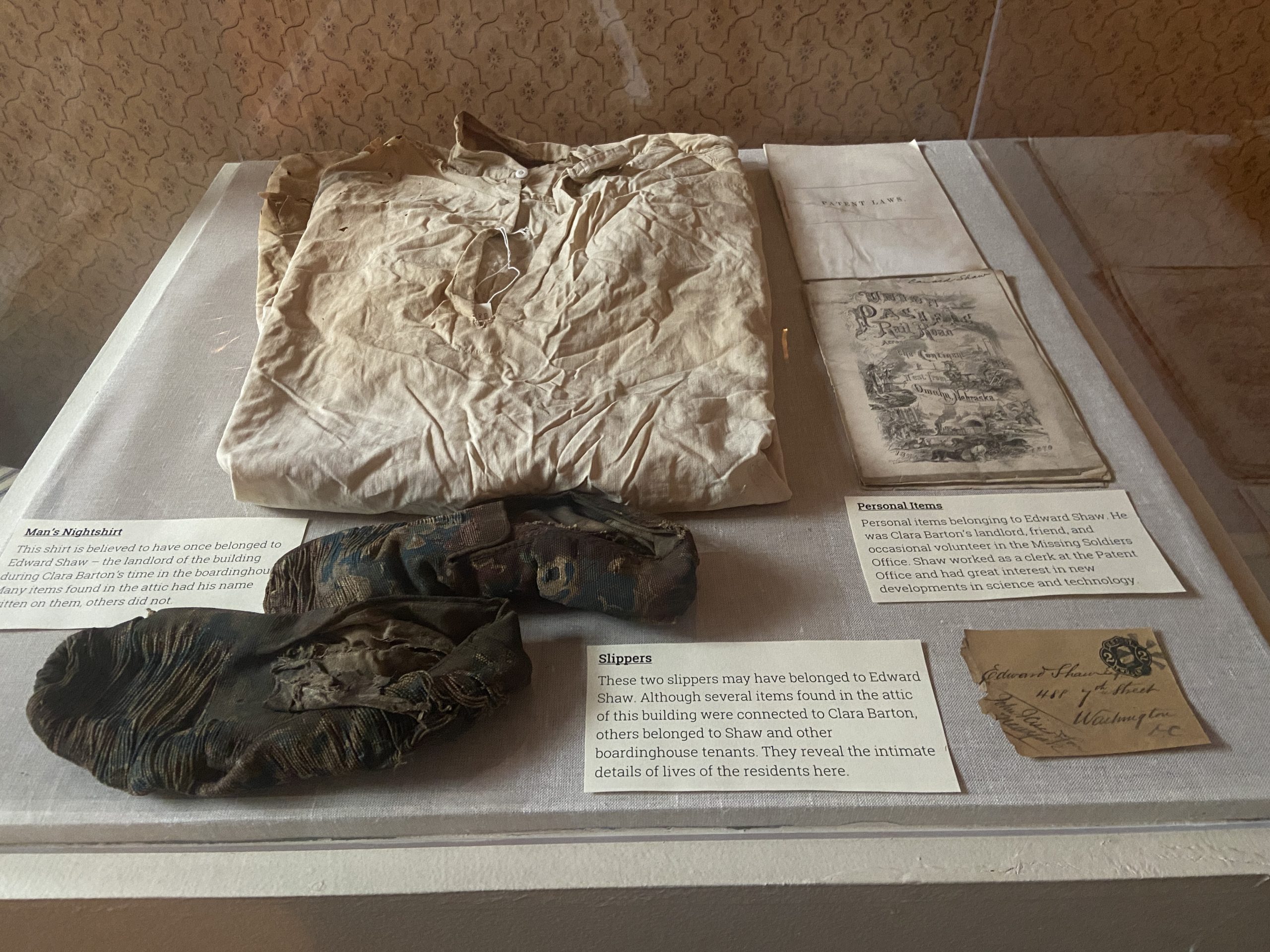
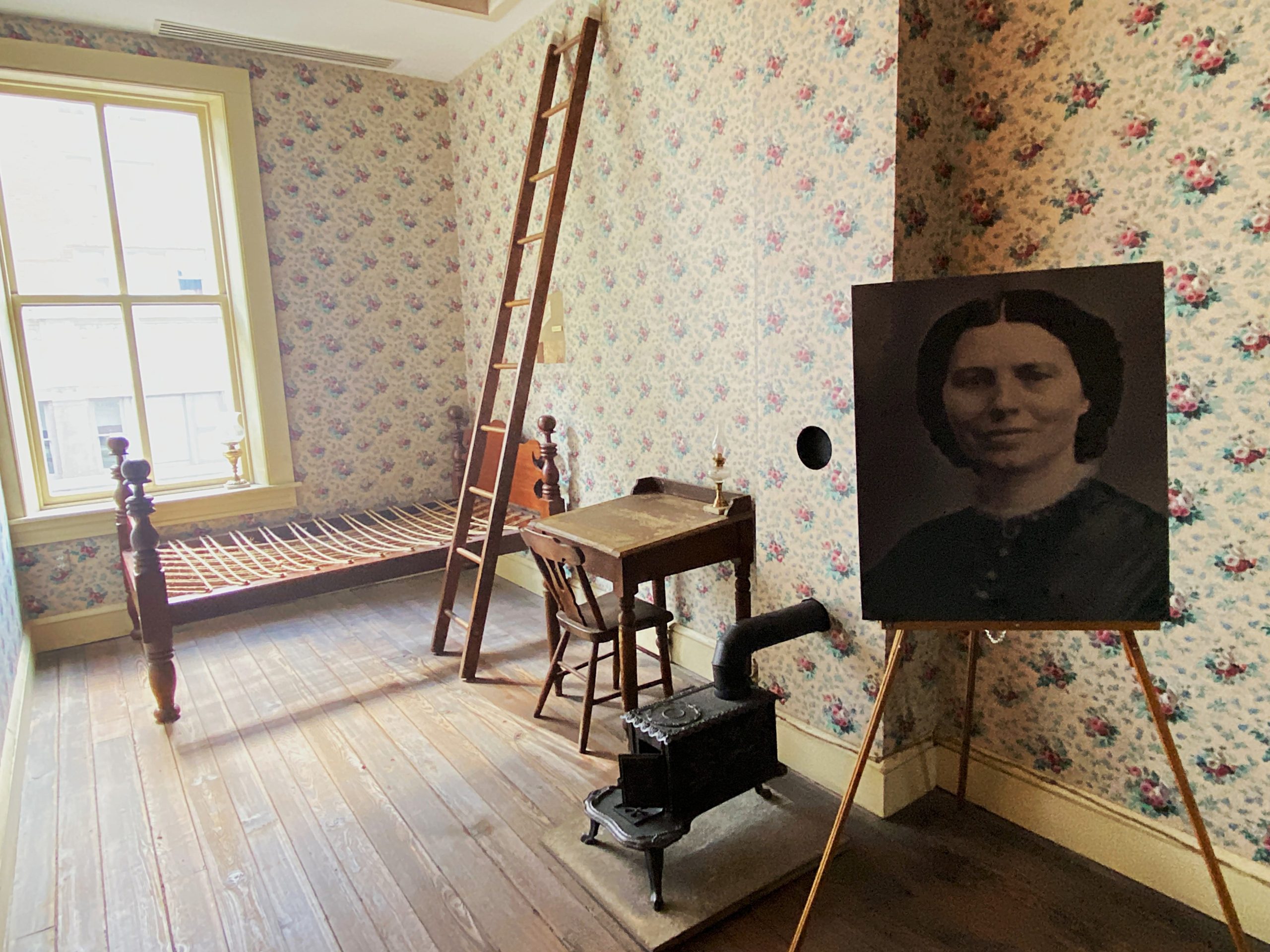
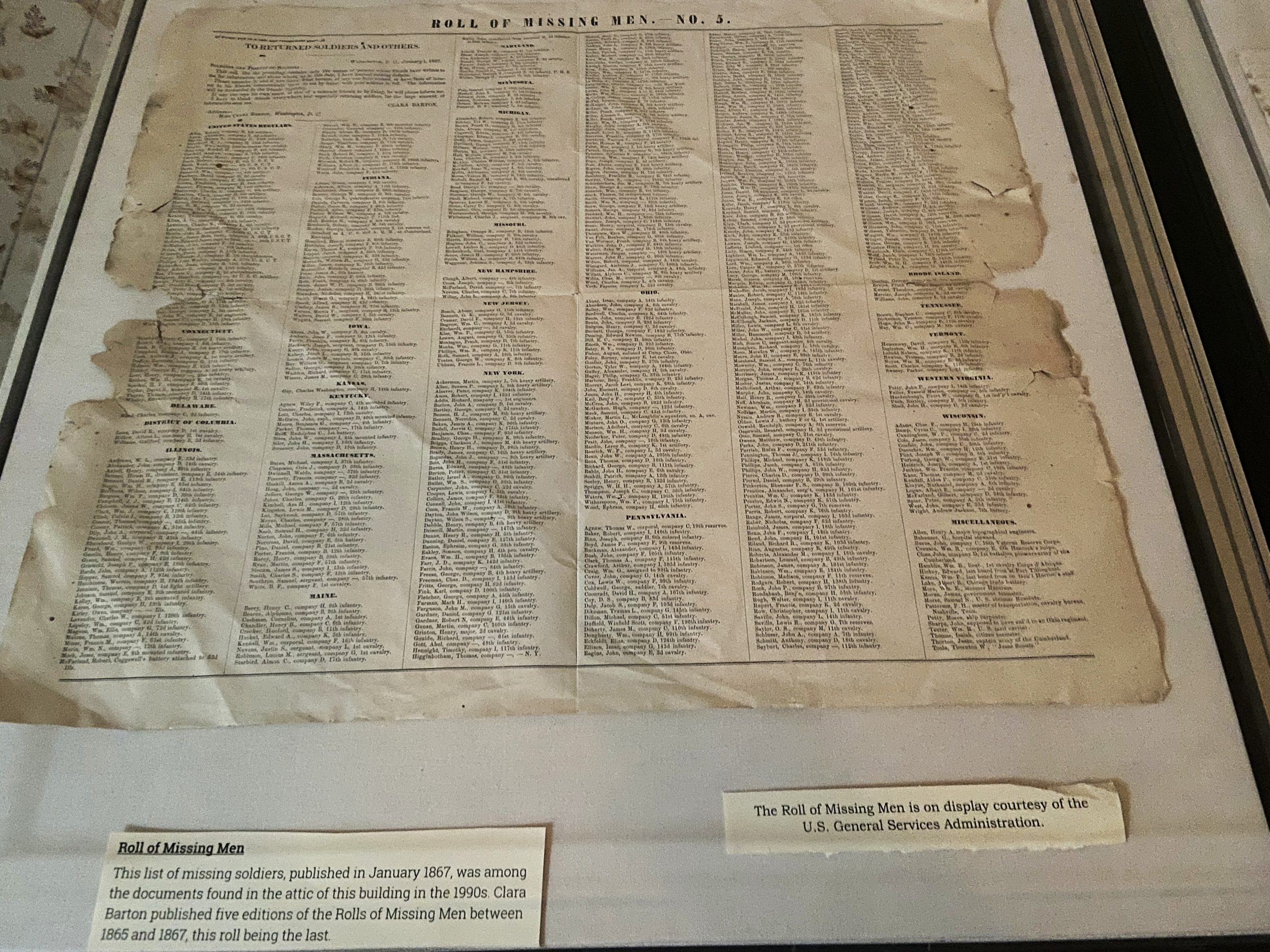
In 1865, Clara Barton wrote President Lincoln and received permission to oversee the problem of missing Union soldiers, who did not have government-issued IDs. Barton’s small bedroom and an adjacent office space she created by removing walls became a hub for Barton and her clerks’ activities. In this pre-Internet era, letters of inquiry were sent to the Missing Soldiers Office, which sometimes received over 150 a day. A Roll of Missing Men (the office compiled five: 6,650 names in all) was printed in newspapers and posted in public locations. People who recognized names would then write the office so that information could be shared with those asking about soldiers. During this monumental four-year effort, the office responded to 63,182 requests and located information for over 22,000 soldiers, both dead and alive. In 1868 Barton closed the office and, exhausted, traveled to Europe to recuperate. Her friend Edward Shaw stored Barton’s belongings in her bedroom’s attic, to be discovered over a century later.
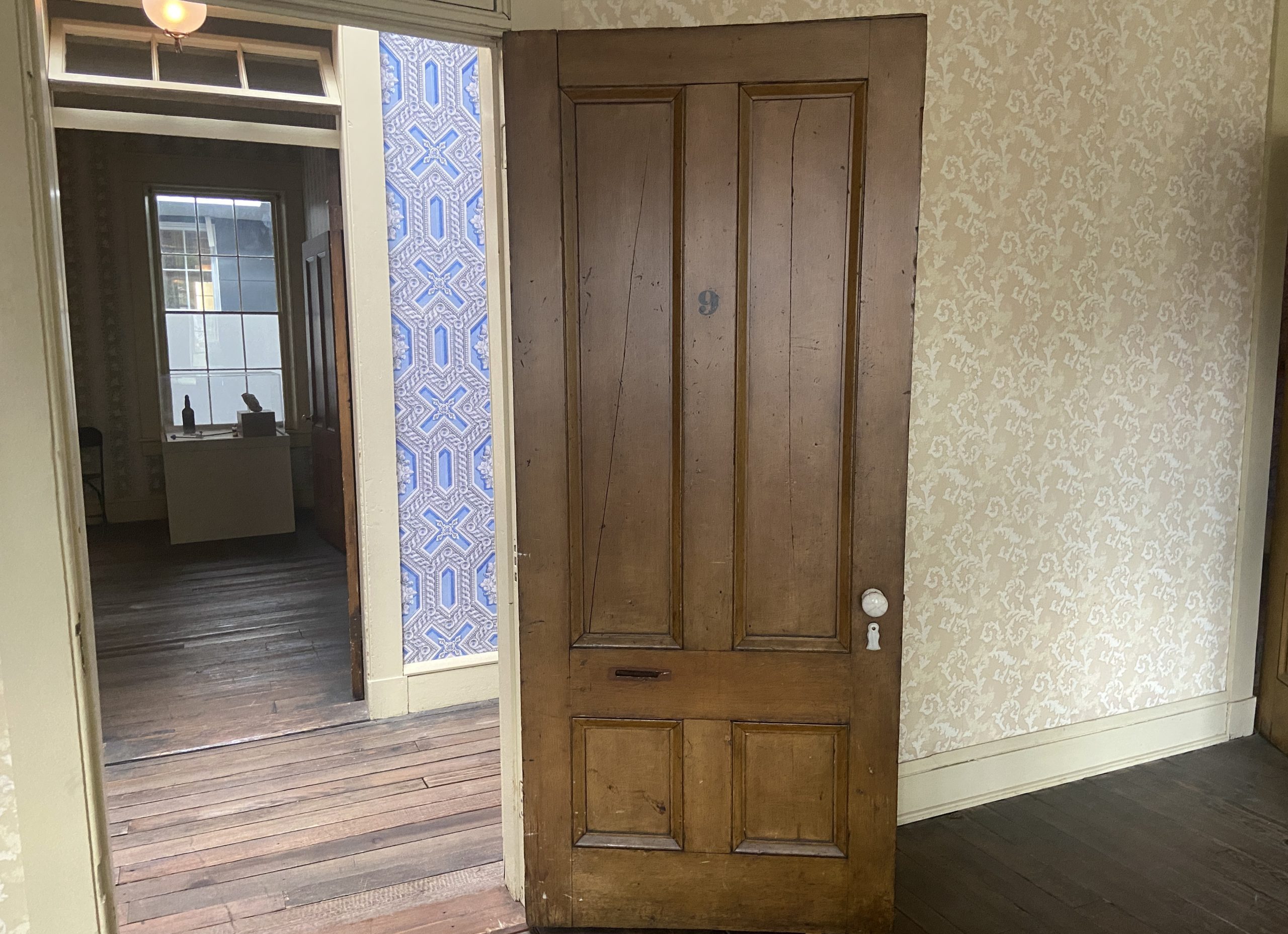
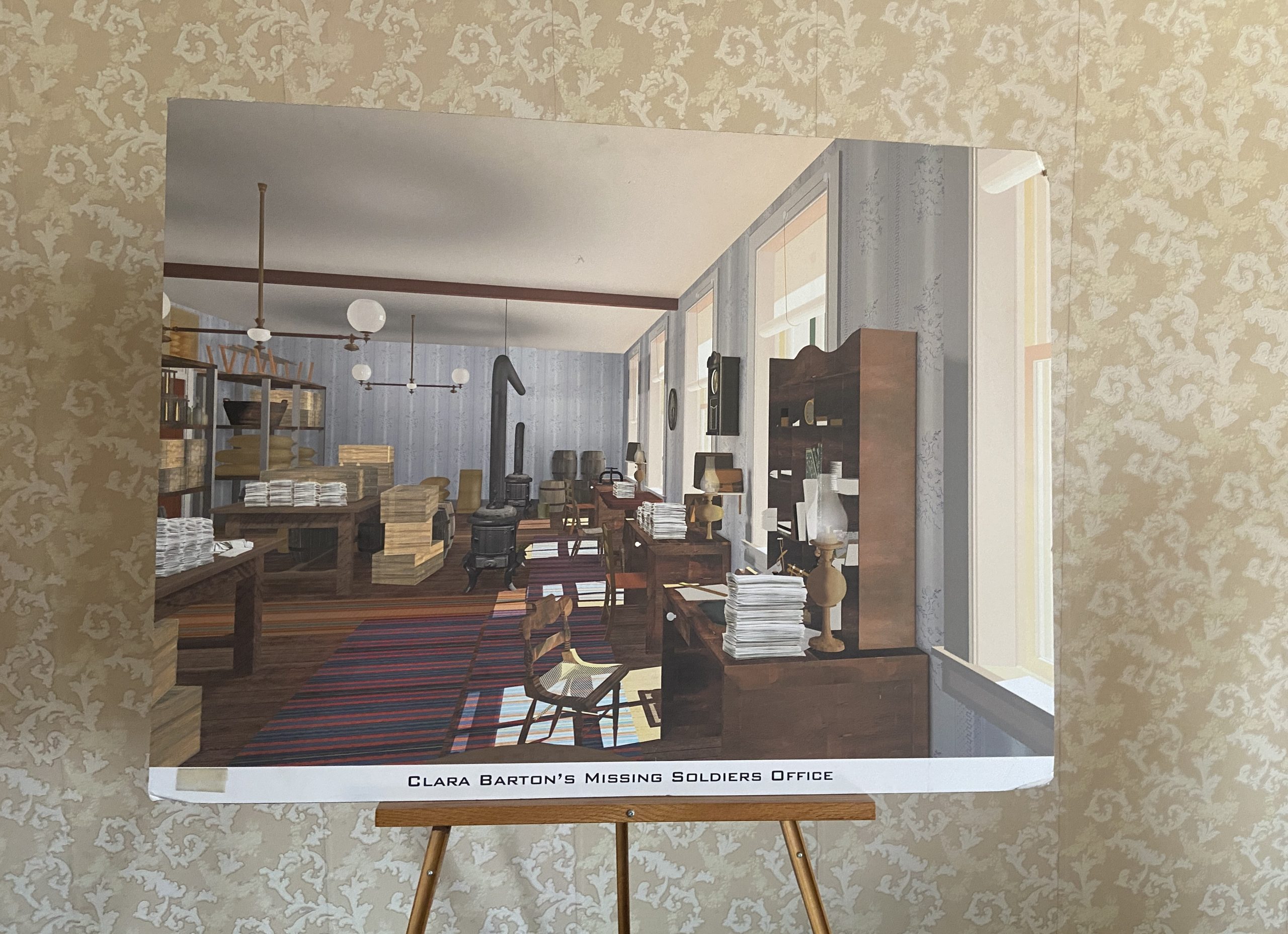
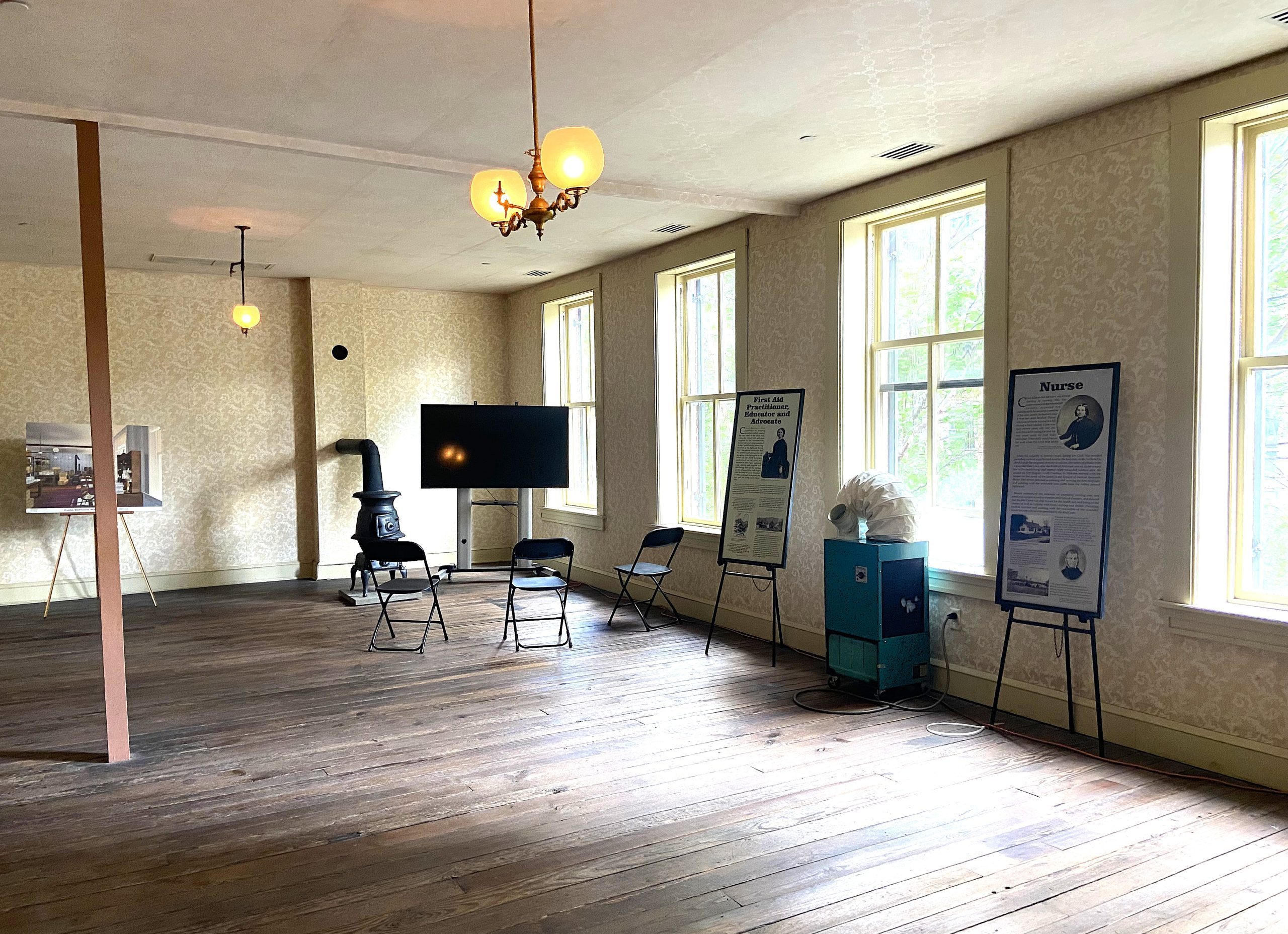
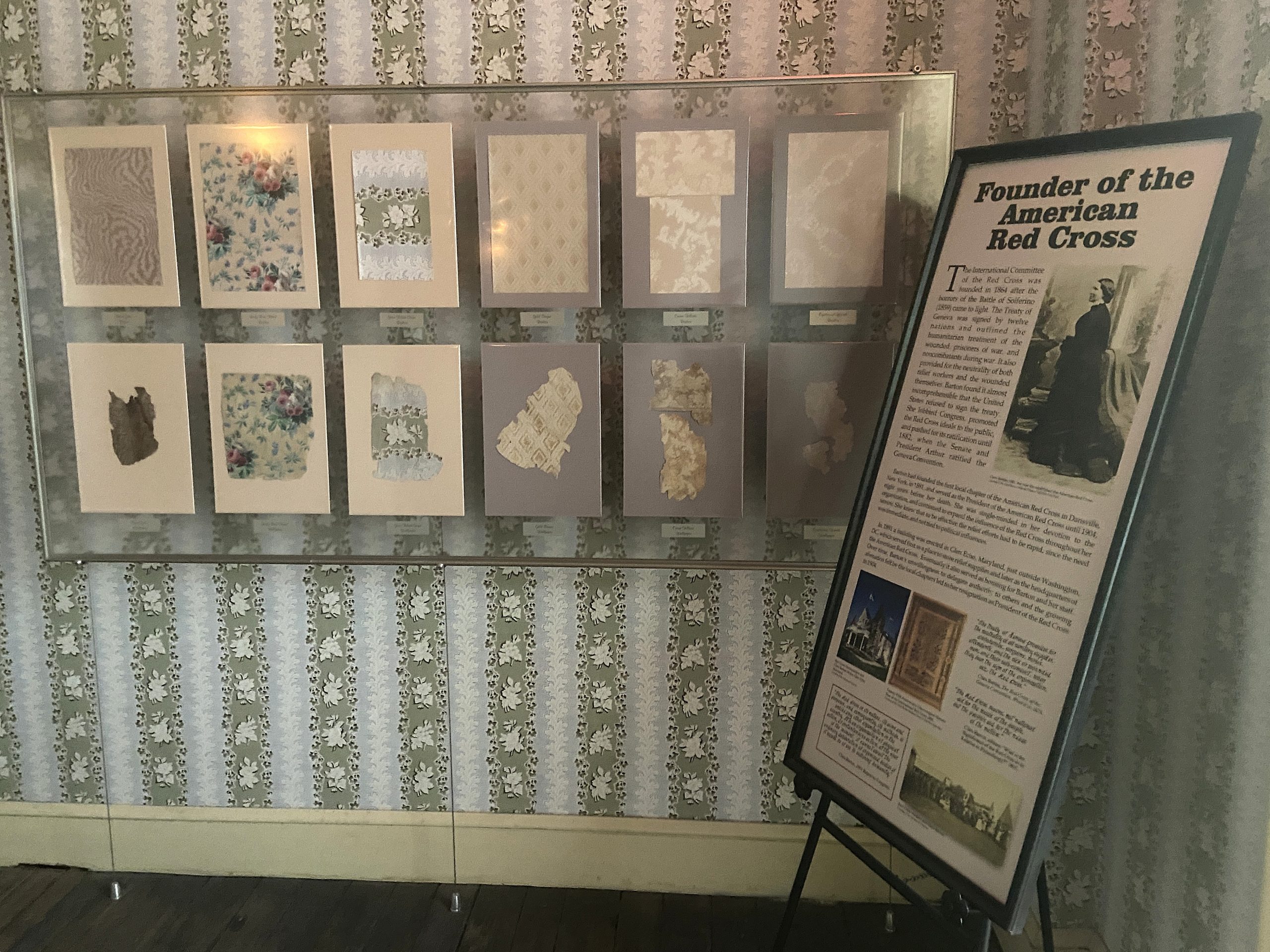
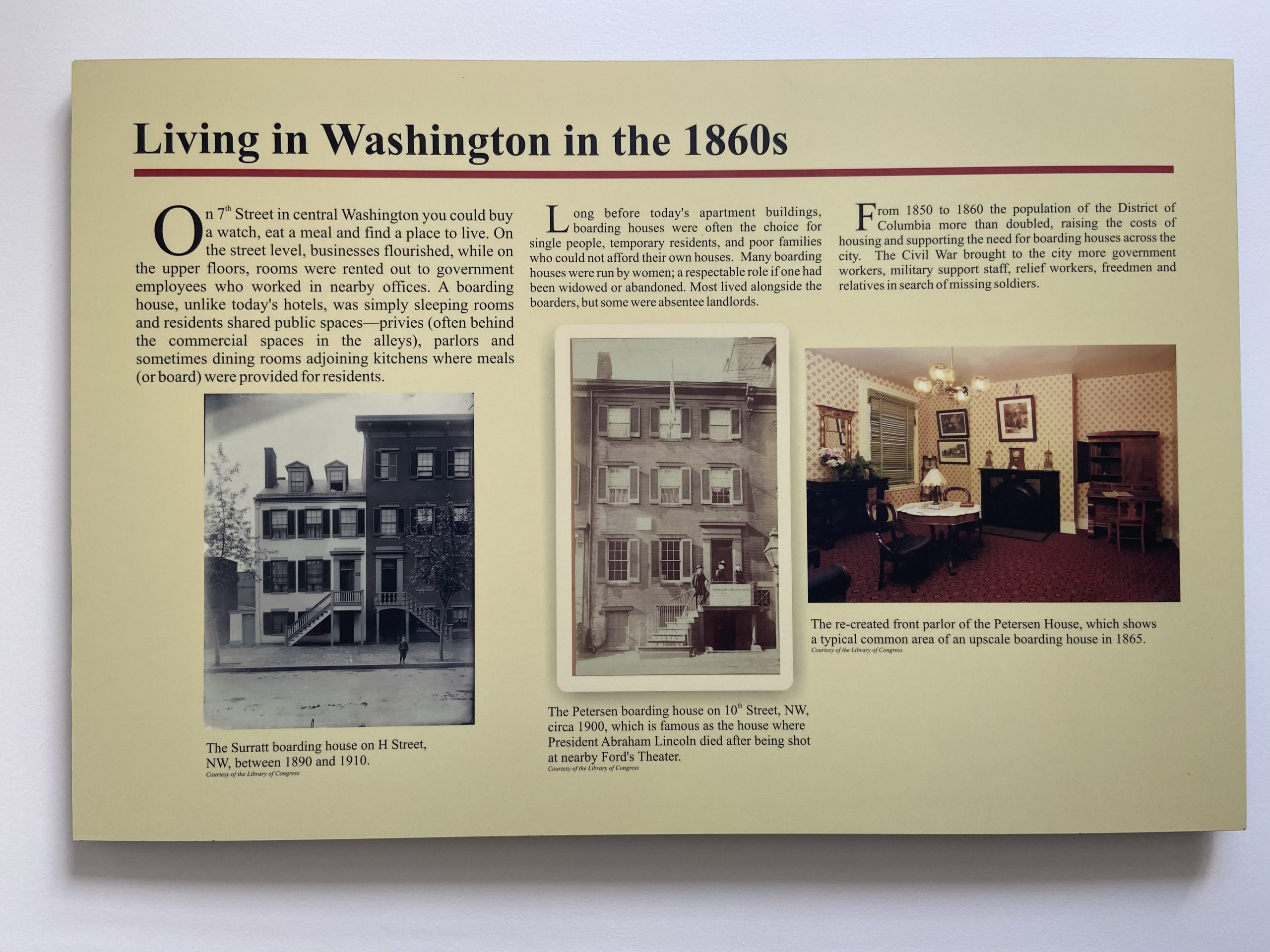
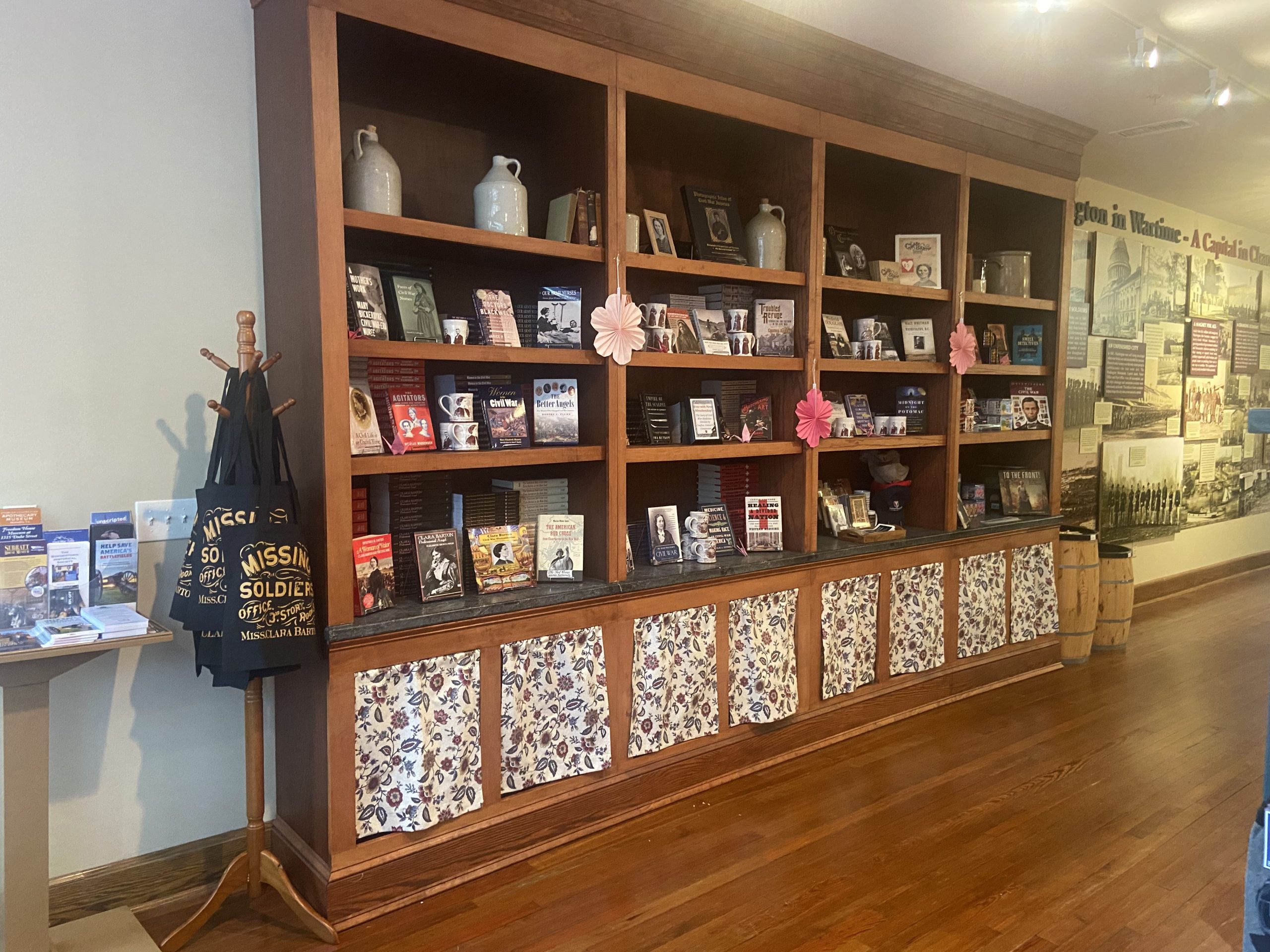
Other rooms in the museum have displays about boardinghouse life and Barton’s humanitarian work in founding and leading the American Red Cross and—at 84—the National First Aid Association of America. She lectured around the world, earning fees equal to Mark Twain’s. The bookstore on the museum’s first floor has excellent resources for learning more about Barton, including Stephen B. Oates’s book A Woman of Valor: Clara Barton and the Civil War.
Besides museum tours, there are Civil War–related events such as upcoming programs (free with admission) on July 11 about “Fashion on the Front Lines” and, on August 8, “Muster Grounds and Malarial Breeding Grounds,” about the National Mall during the war. The museum also offers periodic Saturday walking tours (by reservation) of Clara Barton’s Washington, DC in season.
Related Places
About an hour from DC in Frederick, Maryland, the National Museum of Civil War Medicine dispels the myth that Civil War medicine consisted only of hacking off limbs. Advances that influenced modern medicine arose out of urgent wartime need, including the creation of triage and ambulance transport, the development of specialized hospitals, the use of general anesthesia, improved prosthetics, and standardized record-keeping. Museum exhibits, artifacts, and guided tours (recommended) make the subject engaging. Note that the museum is planning a renovation but will remain open. Frederick, a charming town that earned the Civil War nickname “One Vast Hospital” for its role after battles including Antietam, is well worth a visit.
The Clara Barton National Historic Site in Glen Echo, Maryland, near DC, was the final home of Clara Barton and the early headquarters of the American Red Cross. Designated in 1974, it was the first National Park Service unit dedicated to a woman. Currently closed, it will undergo a $14 million renovation to address the building’s safety, building systems, and accessibility. A coalition of groups made the ambitious project possible; rehabilitation will begin in late 2026, but no reopening date has been announced.
Side Dish
Penn Quarter, home to the Capital One Arena, is packed with restaurants at all price points. Across from the museum is Jaleo, the first DC restaurant of noted chef and philanthropist José Andrés. The colorful interior is as vibrant as the Spanish tapas on the menu. A tasty Indian option steps from the museum is the fast-casual Bindaas Bowls and Rolls, where diners can choose among classic bowls like lamb vindaloo or paneer korma, build their own bowl, or try a chicken tikka masala chicken roll or a vegetable biryani.
Linda Cabasin is a travel editor and writer who covered the globe at Fodor’s before taking up the freelance life. She thanks Dr. Michael Hill for outstanding tours of the Missing Soldiers Office and Civil War Medicine museums. She is a writer for Fodor’s Philadelphia and a contributing editor at Fathom. Follow Linda on Instagram at @lcabasin.
Featured Photo: Barton walked up to her third-floor boardinghouse office through the door on the right, but museum visitors enter by the door to the left of the large sign. Photo by Linda Cabasin




What a great story about an American hero. Thanks for covering this important person and museum.
Thank you!