
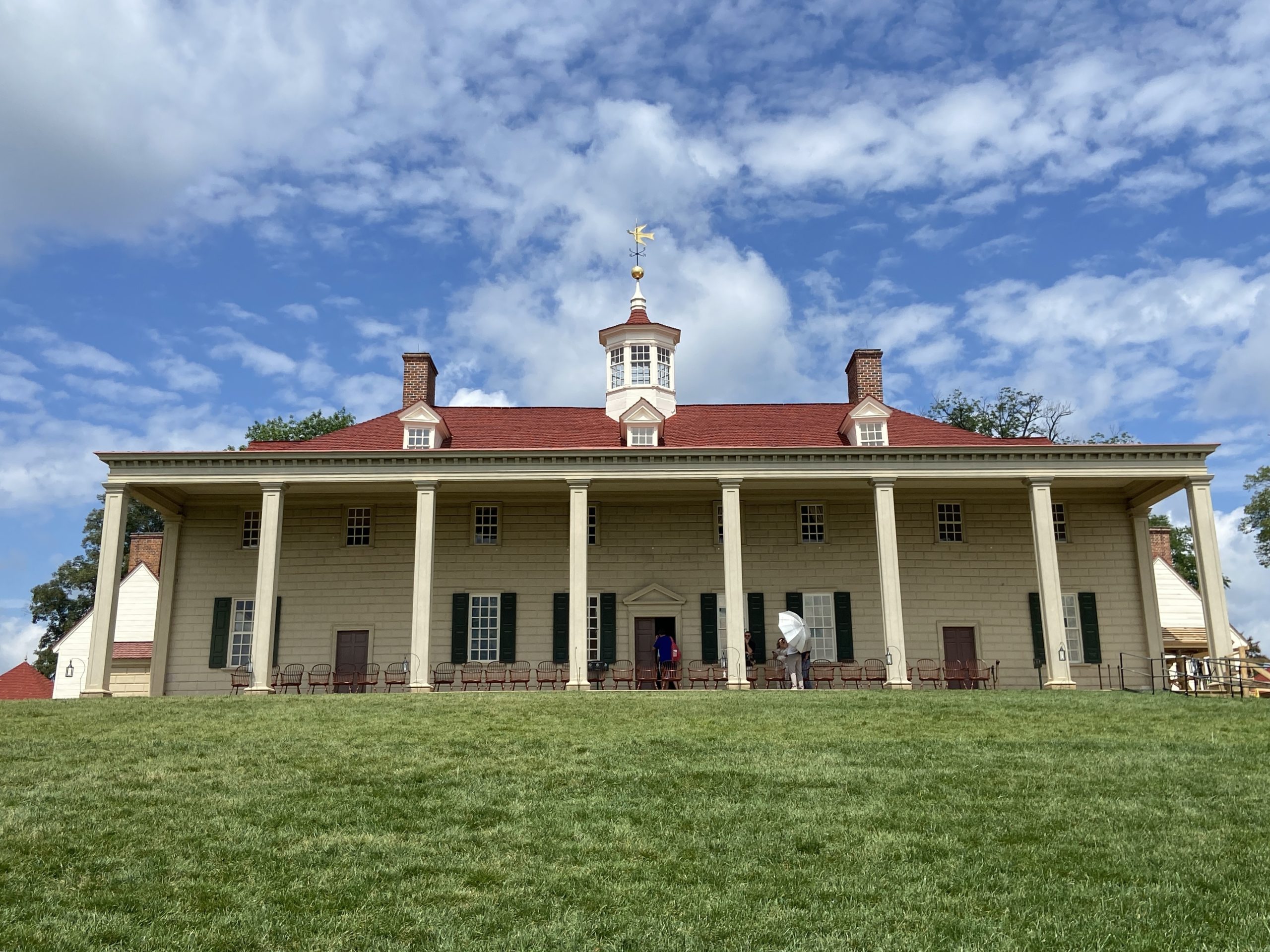
First president, soldier and Revolutionary War leader, farmer, surveyor: George Washington’s life helped define a young American nation. In honor of America’s 250th anniversary, George Washington’s Mount Vernon in Virginia, a half-hour drive from Washington DC, has completed a multiyear $40 million preservation project at Washington’s beloved home and estate and a $20 million transformation of Mount Vernon’s Education Center. “Washington: A Revolutionary Life,” the Center’s engaging new exhibition, incorporates the latest scholarship, discoveries, and technological advances such as AI to immerse visitors of all ages, especially younger ones, in Washington’s world. This fresh examination of his life and leadership qualities also demonstrates Washington’s enduring relevance. From house tours to colorful exhibits, there’s more than ever to discover or rediscover at Mount Vernon, where a visit can inspire deeper understanding of America’s past and present.
It wasn’t always apparent that Mount Vernon would become one of America’s premier historic sites, now attracting more than one million visitors a year. In 1853, the resourceful Ann Pamela Cunningham of South Carolina formed the Mount Vernon Ladies’ Association (MVLA) to save the decayed estate. She led efforts to raise $200,000—$8.7 million today—to purchase the house and 200 acres in 1858, during the turbulent pre-Civil War era. The National Trust for Historic Preservation has called Cunningham “the American preservation movement’s Founding Mother,” noting that “she taught us that saving the nation’s heritage transcends politics, that preservation can be a healing force…” A nonprofit organization that accepts no government funds, the MVLA (with an all-female board) still owns and operates Mount Vernon, which employs men and women; Douglas Bradburn, Ph.D., has been President and CEO since 2018.
Exploring the Mansion and Grounds
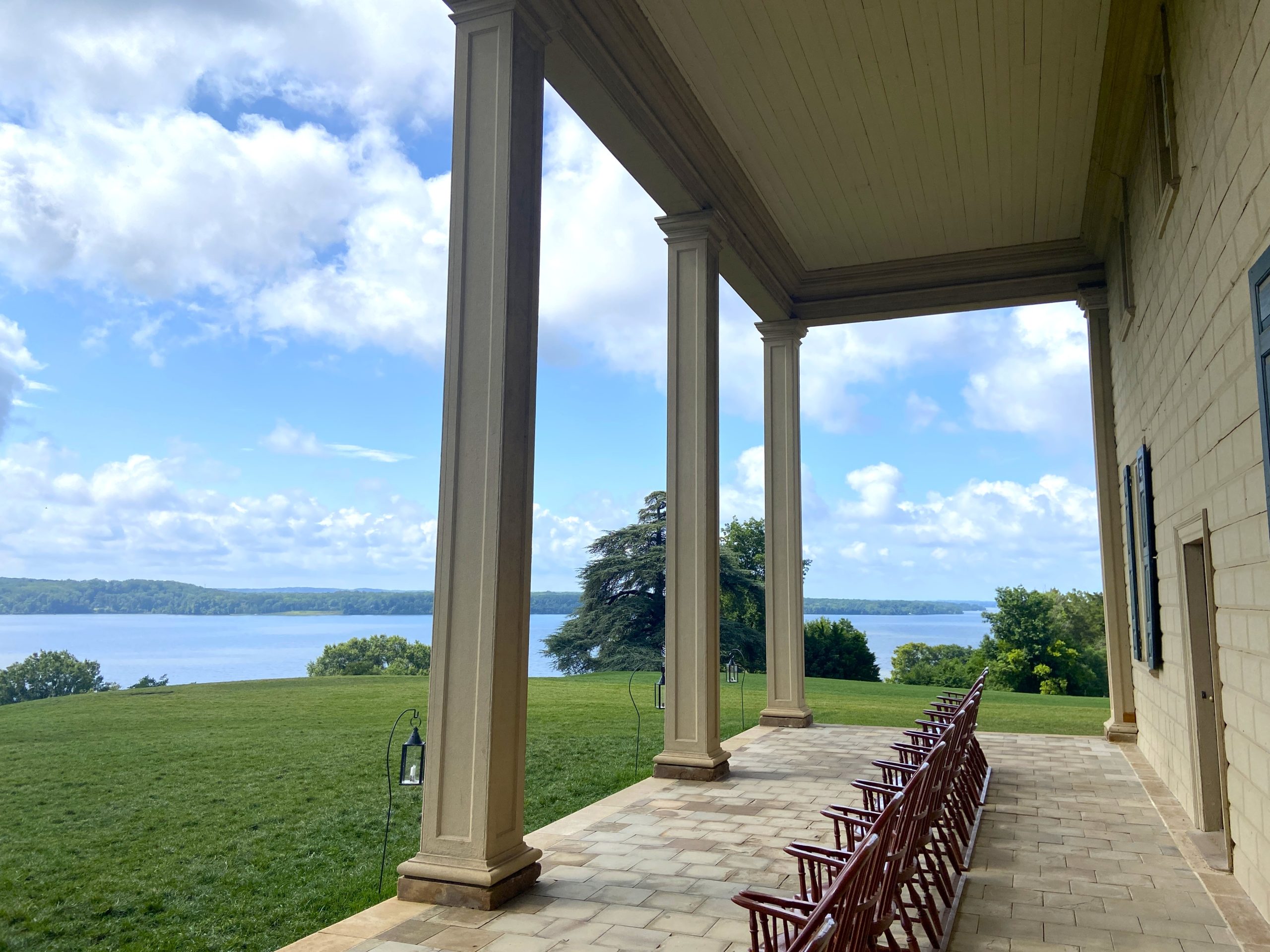
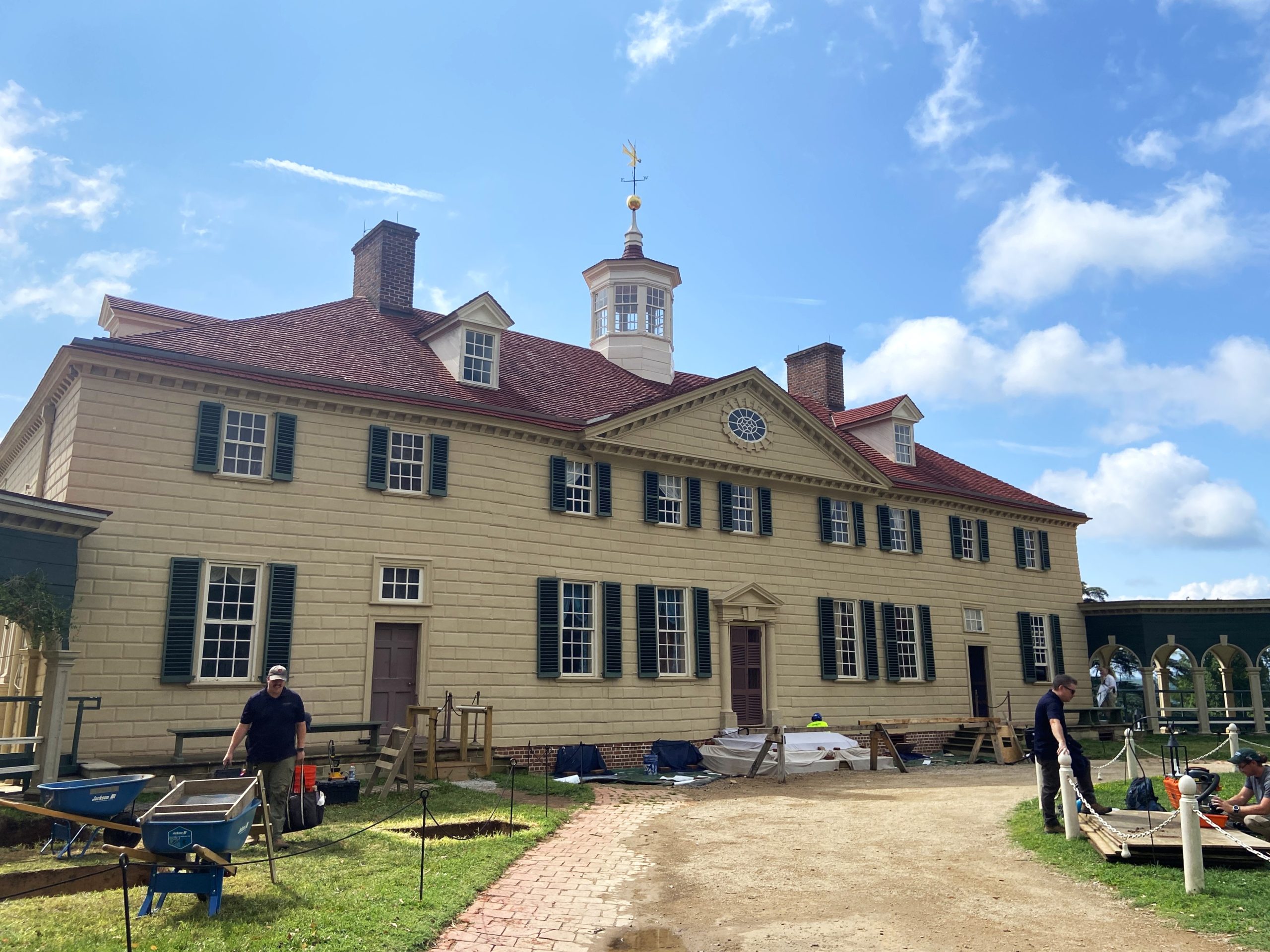
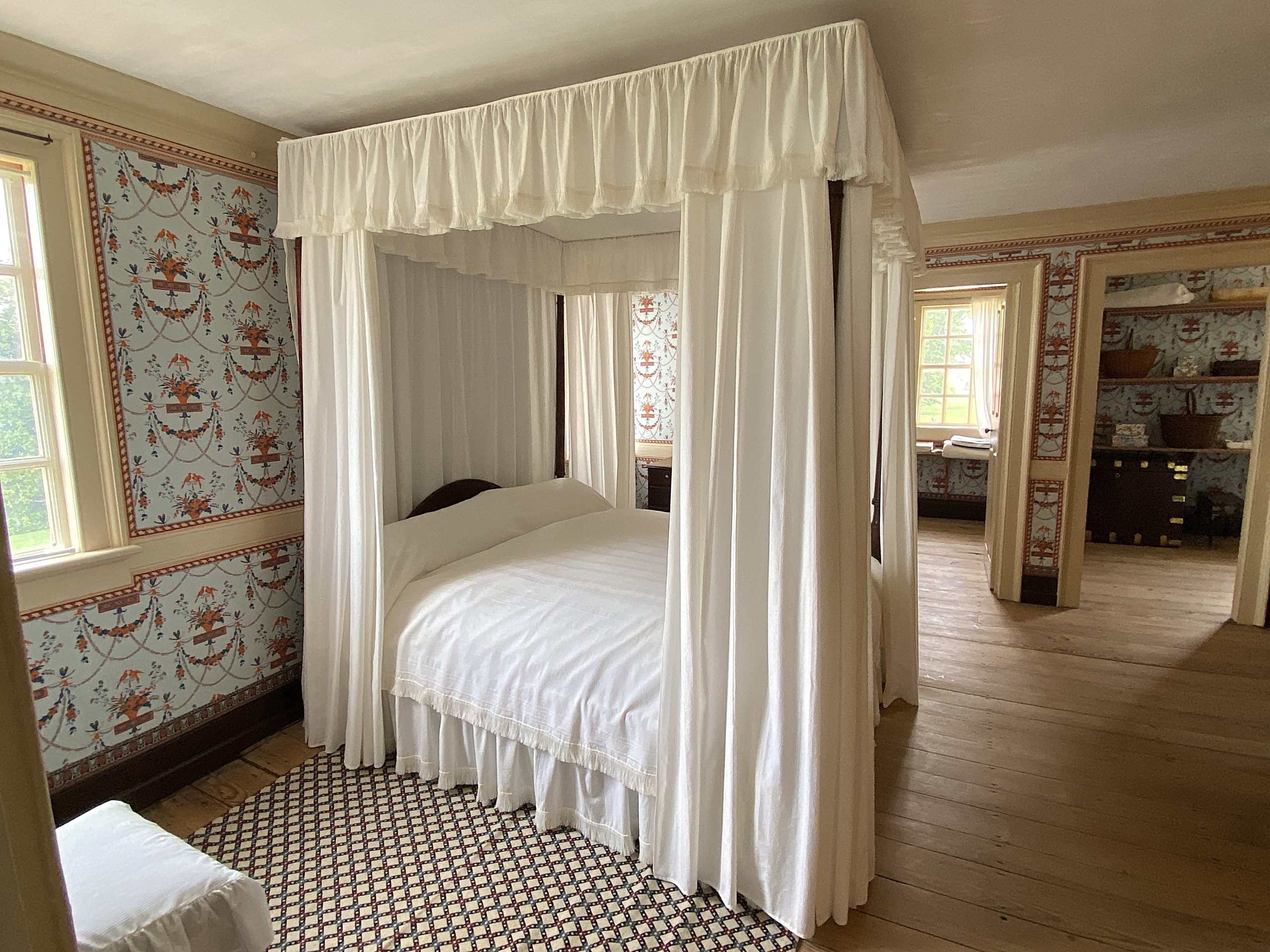
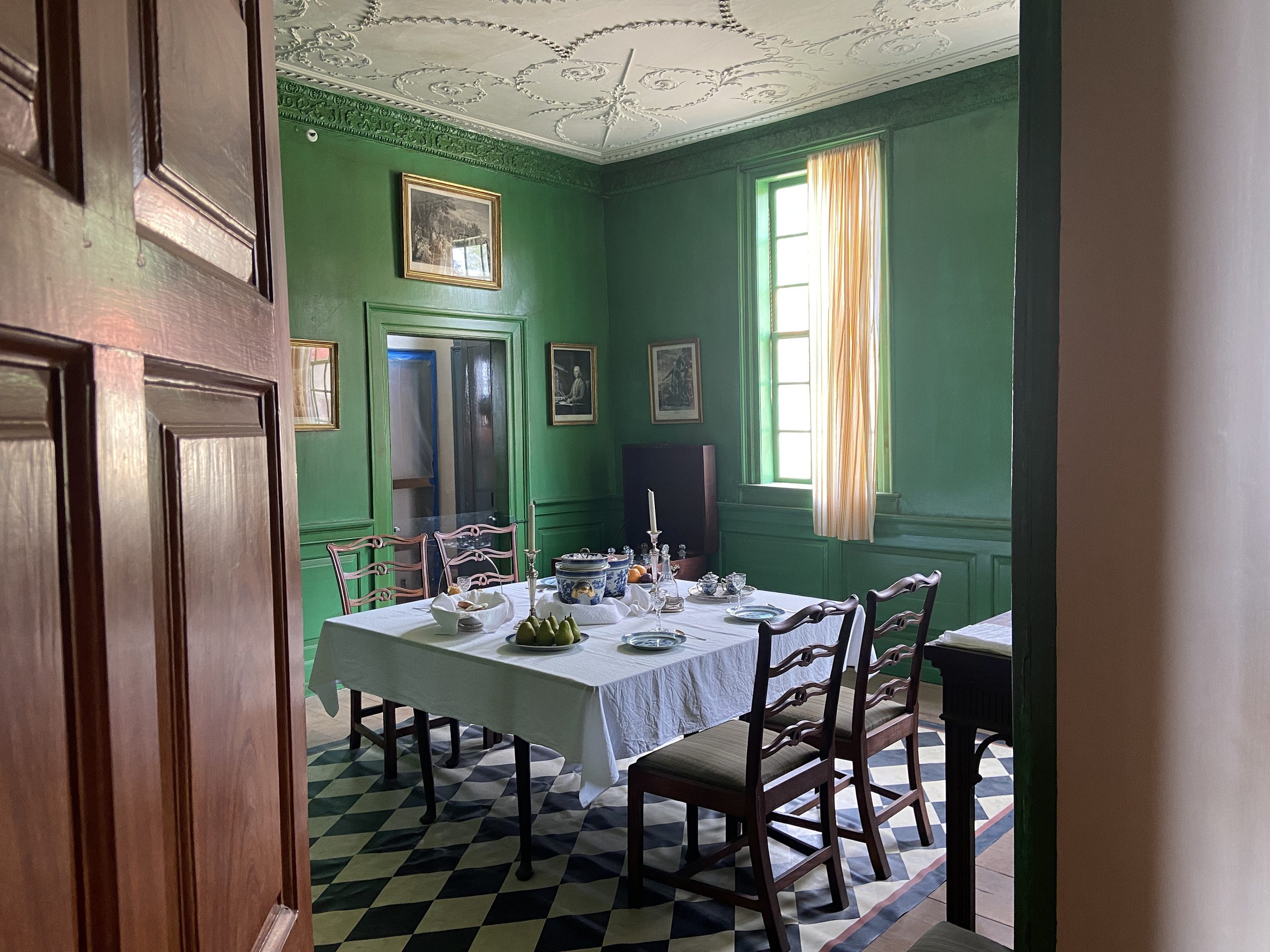
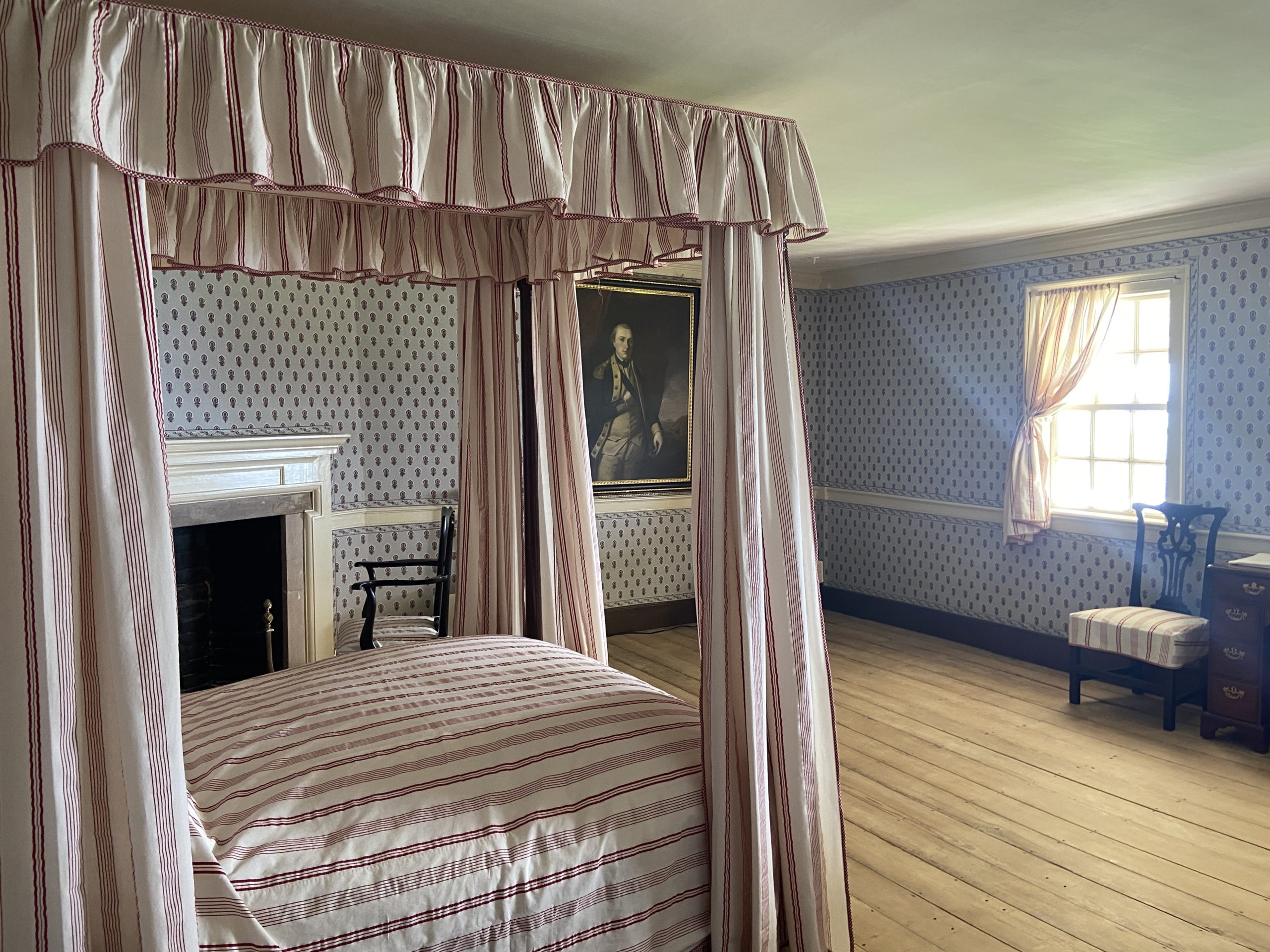
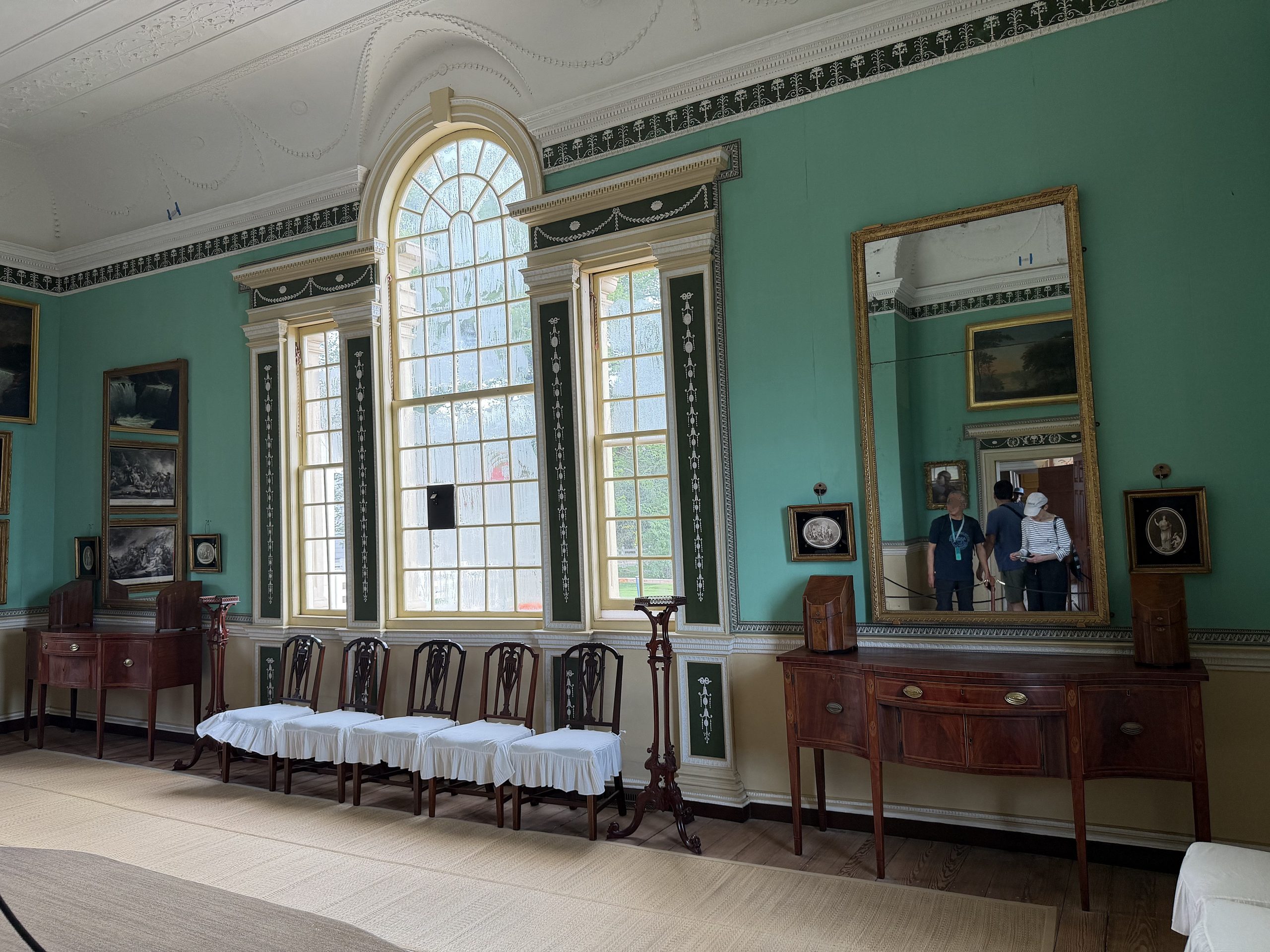
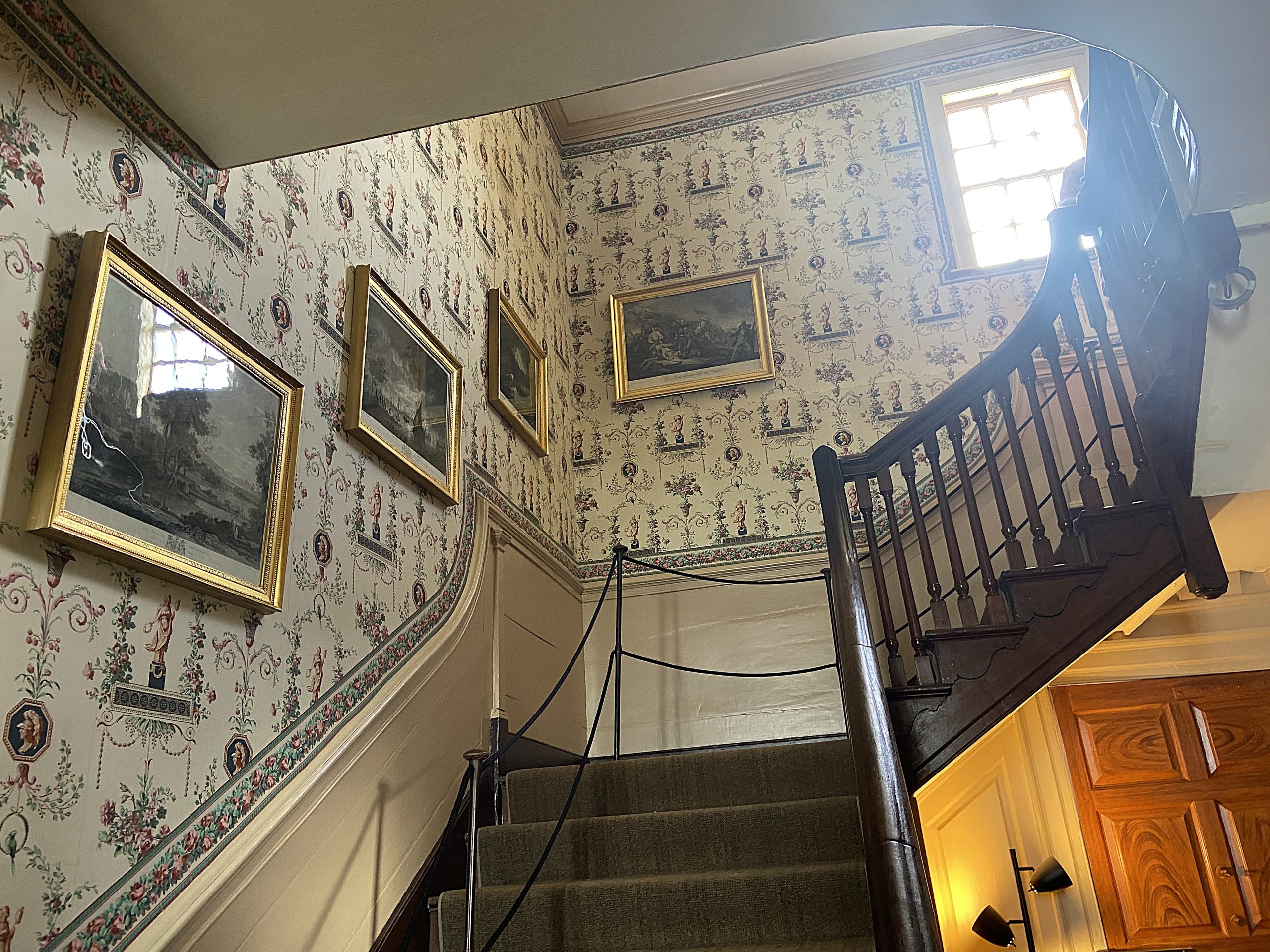
George Washington (1732–99) began living in Mount Vernon, a family estate, permanently in 1759 after marrying Martha Dandridge Custis. He gradually expanded the estate and house from 3,000 acres and 3,500 square feet to 8,000 acres and an 11,000-square-foot mansion. Today the 500-acre grounds, with their iconic Potomac River views, encompass 20 original structures and 26 reconstructions. The latest preservation project included extensive repairs and improvements to Mount Vernon’s foundations and HVAC. In addition, the house’s exterior sand and paint finish, designed to look like stone over the wood exterior, has been authentically refinished. Also for 2026, the Washingtons’ Bedchamber, a tour favorite that includes the bed where Washington died in 1799, has been restored more authentically. Throughout the Mansion (as the house is called), rooms such as the stunning New Room have original family possessions, period-appropriate items, and reproductions of original furnishings. Later this year, the restored cellar will be accessible on special tours. Standard tours cover the beautifully refreshed house, providing key information, beginning with the fact that in 1799, those living on the estate included 5 family members, 17 hired servants, and 317 enslaved people. Visitors can also choose an in-depth tour, a tour focused on the enslaved people at Mount Vernon, garden or farm tours (Washington was an innovative farmer), or a Hamilton: The Musical Tour, among others.
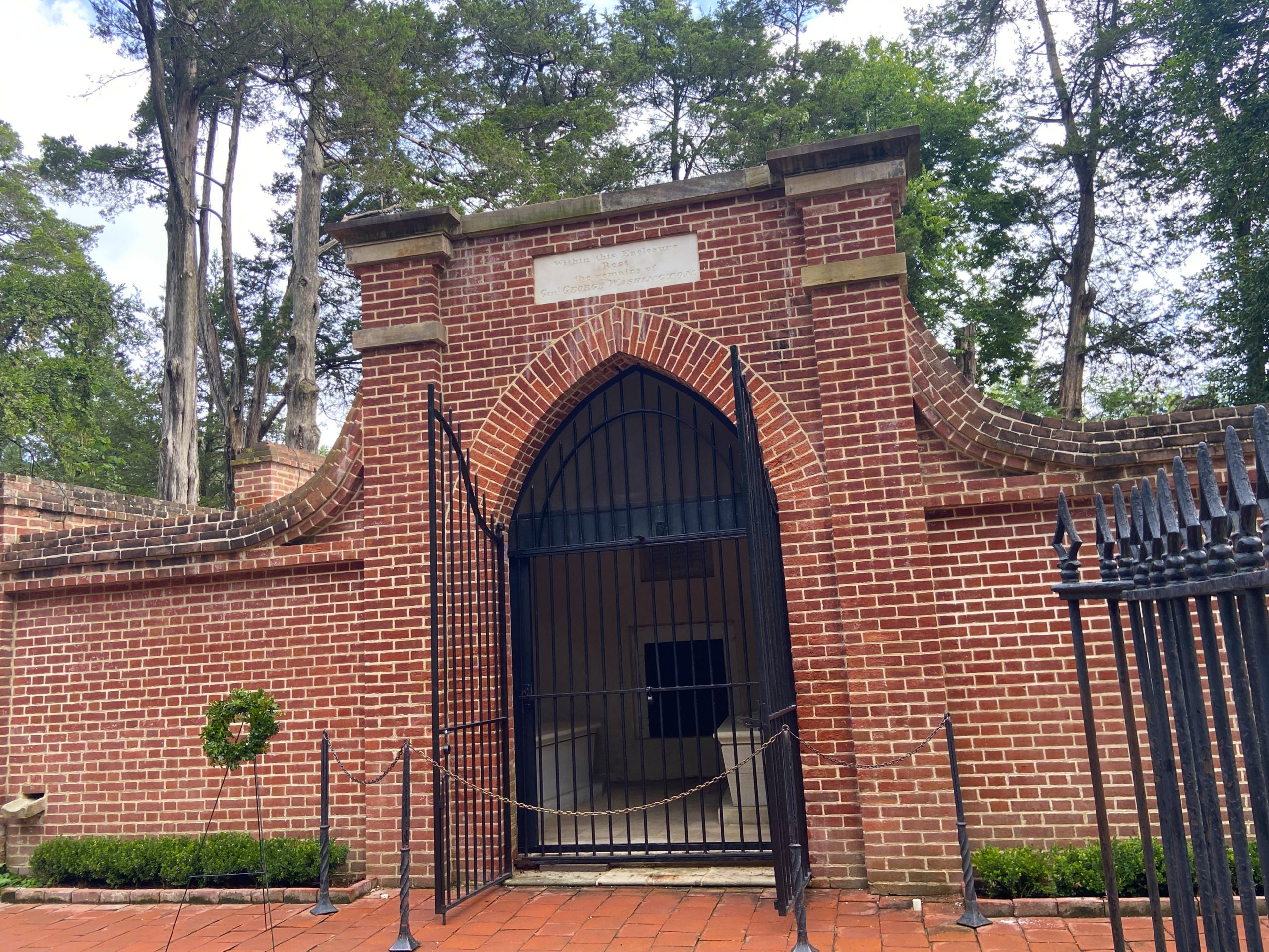
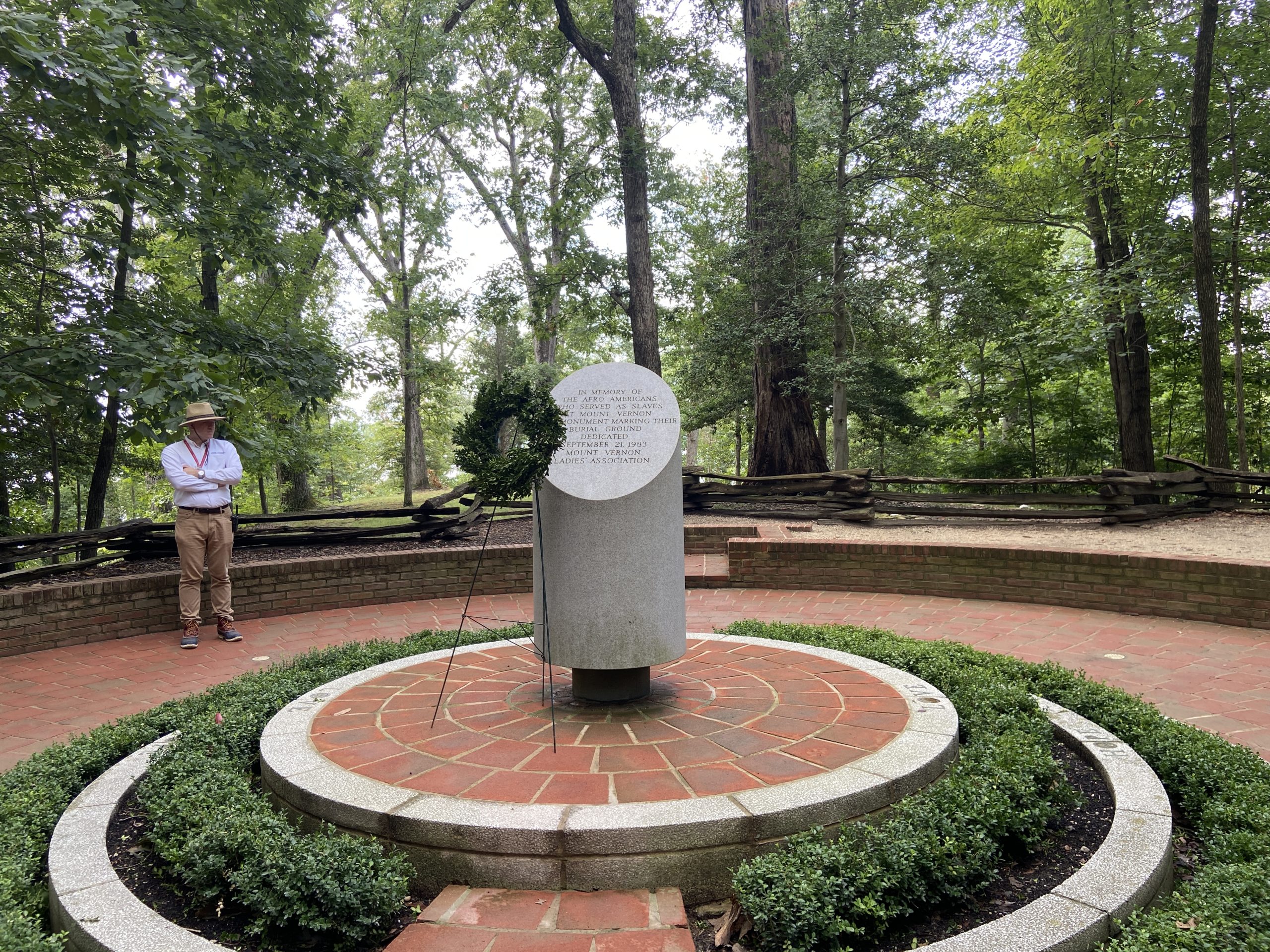
Highlights of the grounds include the Washington Tomb, outbuildings (the free audio tour is useful for these) like the Blacksmith Shop, Washington’s gardens, the 4-acre demonstration farm with its heritage breeds, and the Slave Memorial. Opened in 2025, “Lives Bound Together: Slavery at Mount Vernon” in the Enslaved Men’s and Women’s Bunkrooms examines the global context of slavery, the lives and work of people enslaved on the estate, and Washington’s evolving views on slavery. Patriots Path, an on-site Revolutionary War encampment, presents how soldiers lived. Three miles from Mount Vernon are examples of Washington’s farm diversification projects: recreations of his Distillery (producing whiskey today) and Gristmill, with tours and whiskey tastings on select days.
The Transformed Education Center
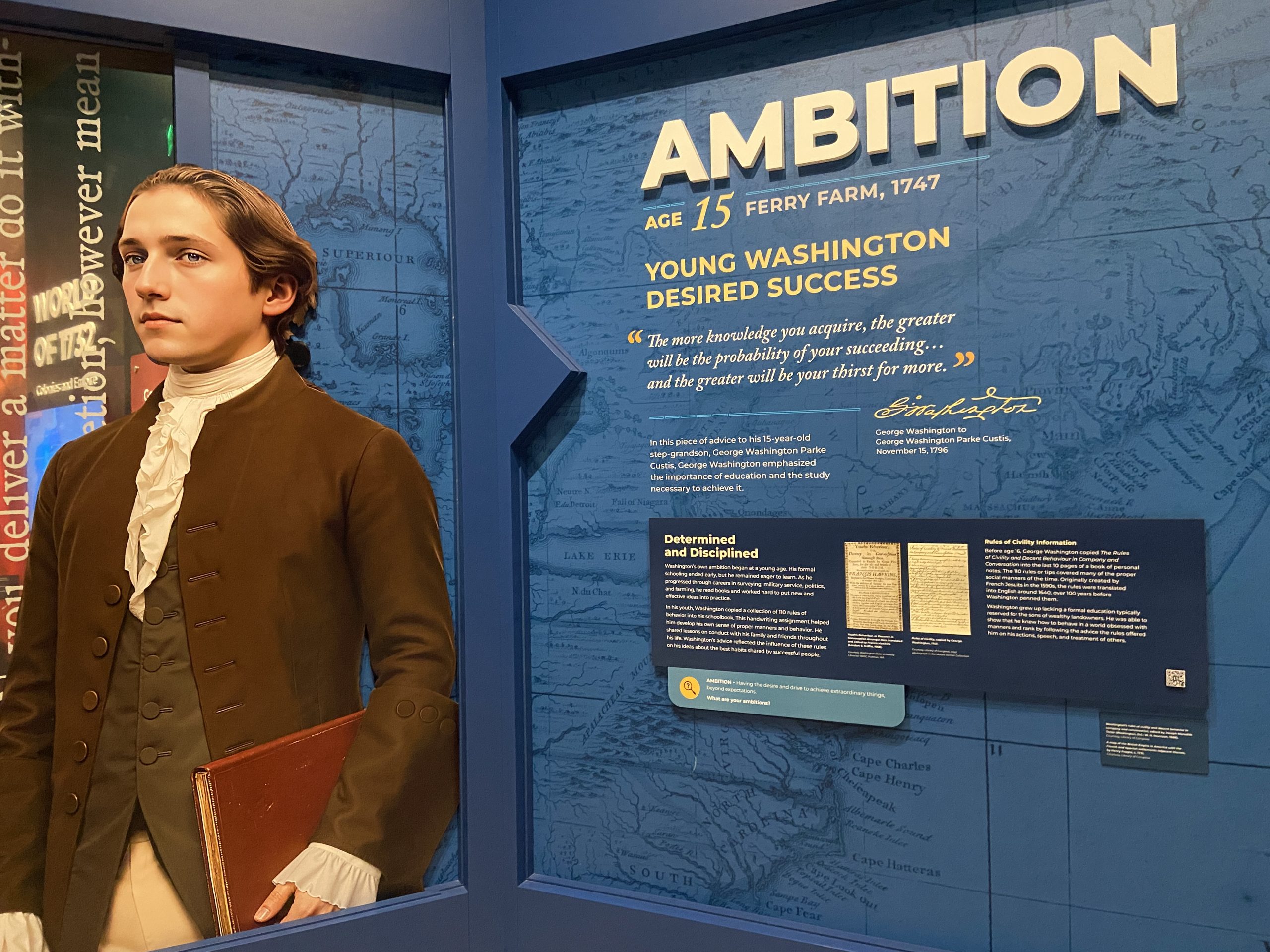
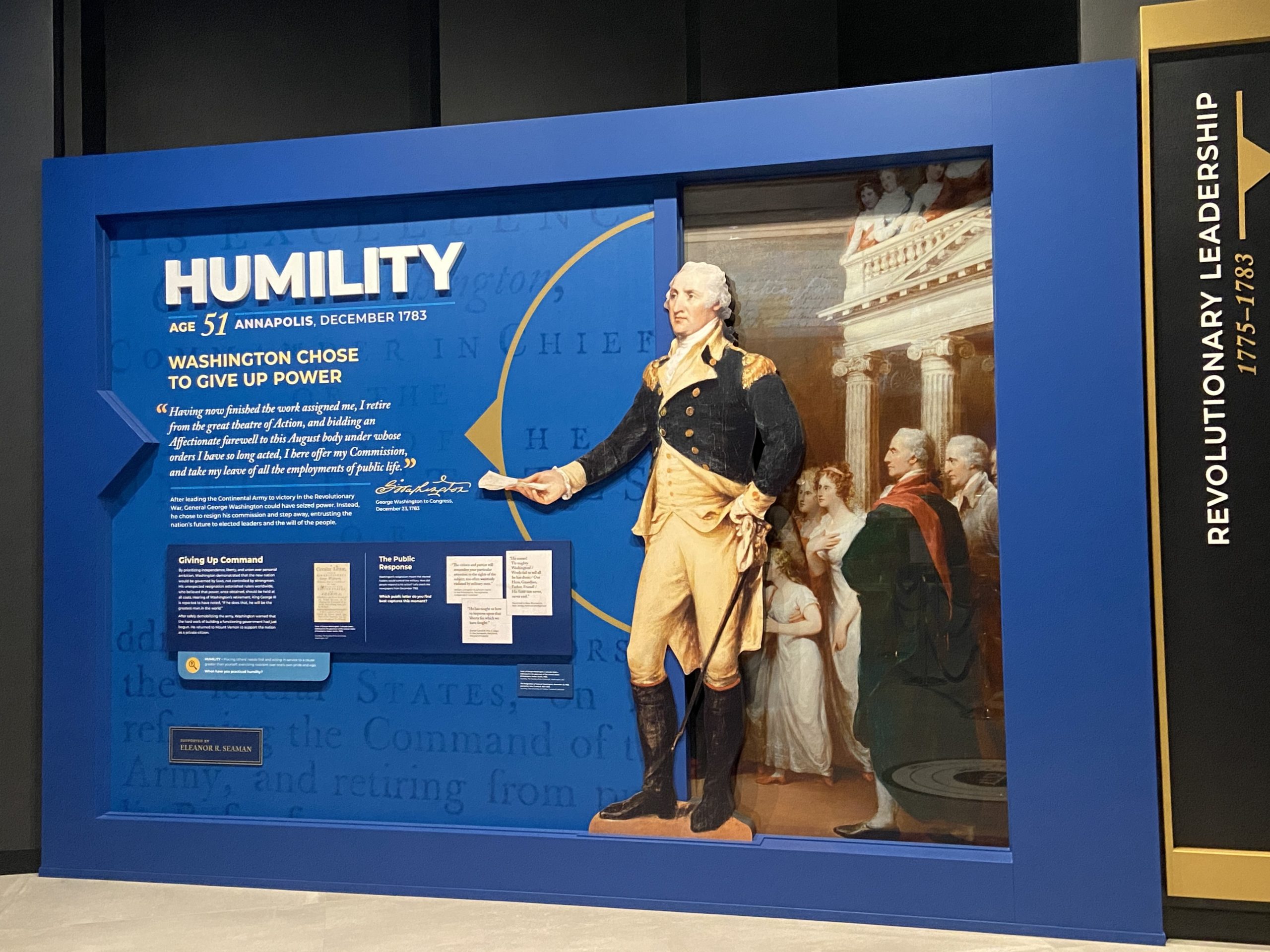
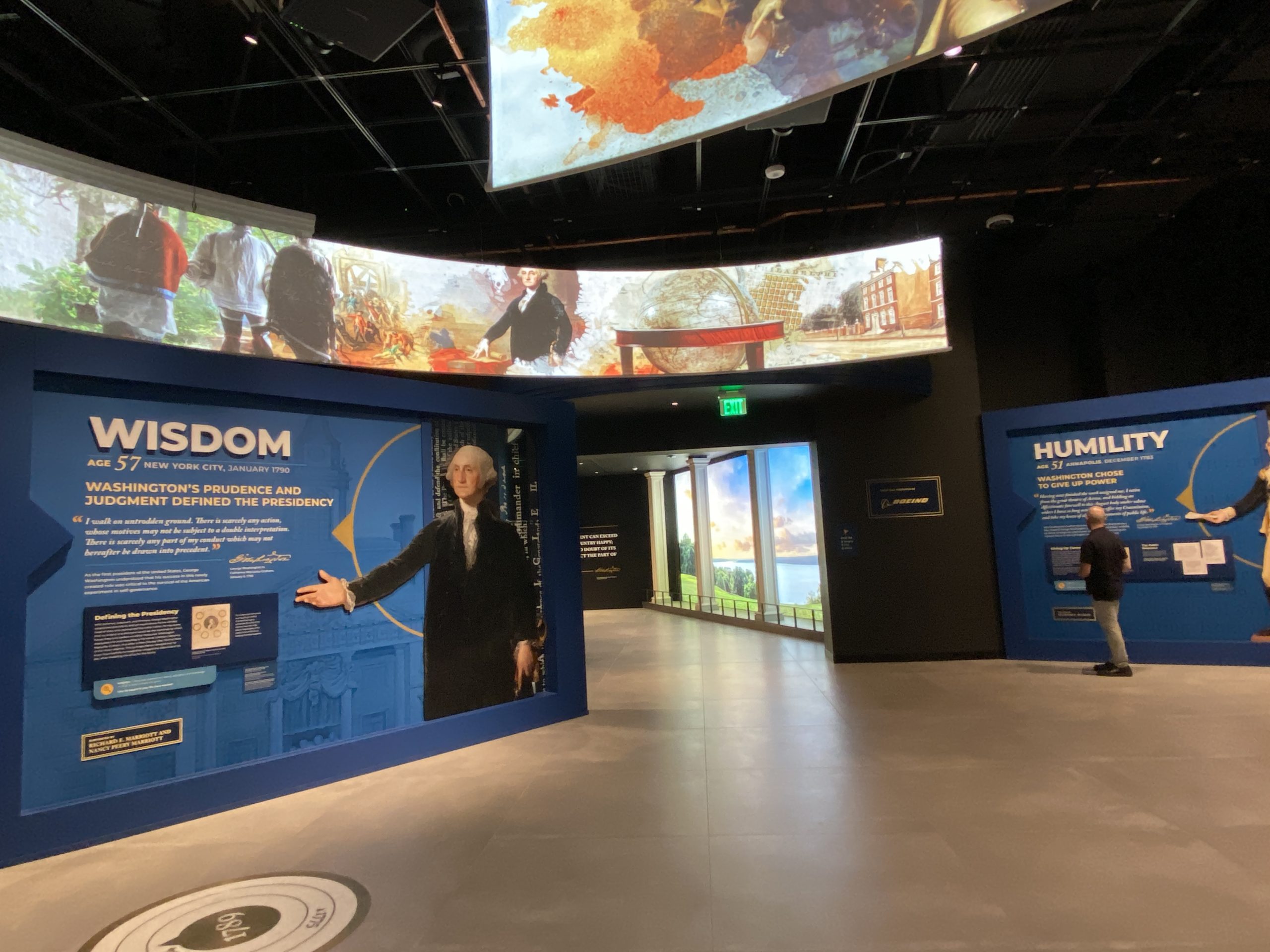
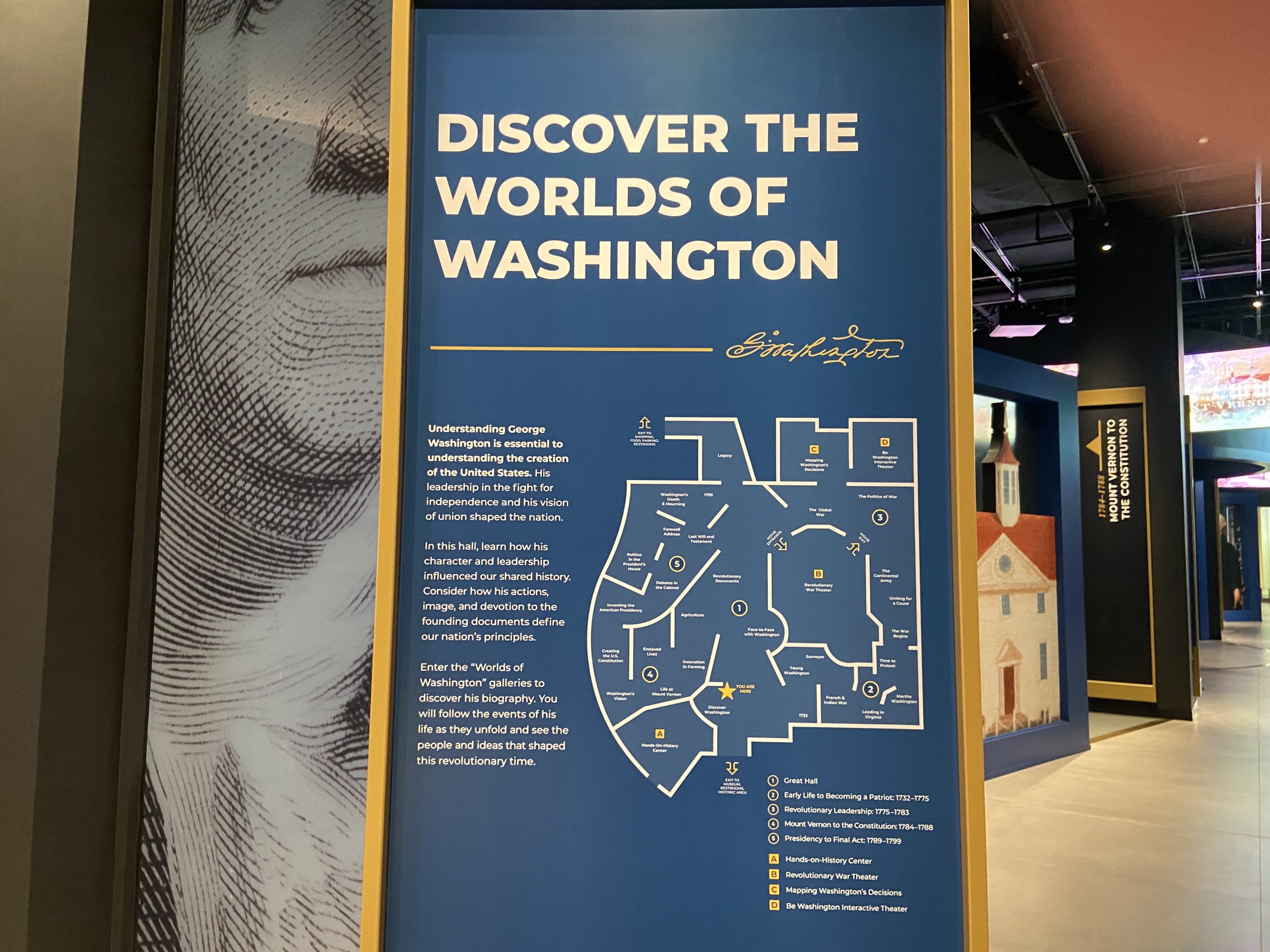
Although the Mansion and grounds offer enough for a visit of several hours, the Donald W. Reynolds Museum and Education Center, notably the new high-tech, family-friendly “Washington: A Revolutionary Life” exhibition, deserve time. Unlike the chronological exhibition previously in this space, “A Revolutionary Life” takes a more thematic, nonlinear approach, with curving galleries that flow into each other. Overhead, changing images add even more color to the displays; there’s a definite cool factor. The Great Hall explores seven traits that shaped Washington’s leadership throughout his life: ambition, honor, perseverance, humility, wisdom, vision, and ingenuity. Each is represented by a colorful display including artifacts (even a set of dentures) relating to a key moment that revealed one trait. Some include images of Washington—the Ambition section shows a handsome teenager—created using AI tools for accuracy. Humility is demonstrated by a 51-year-old Washington, who in 1783 handed in his commission after the war rather than seizing power.
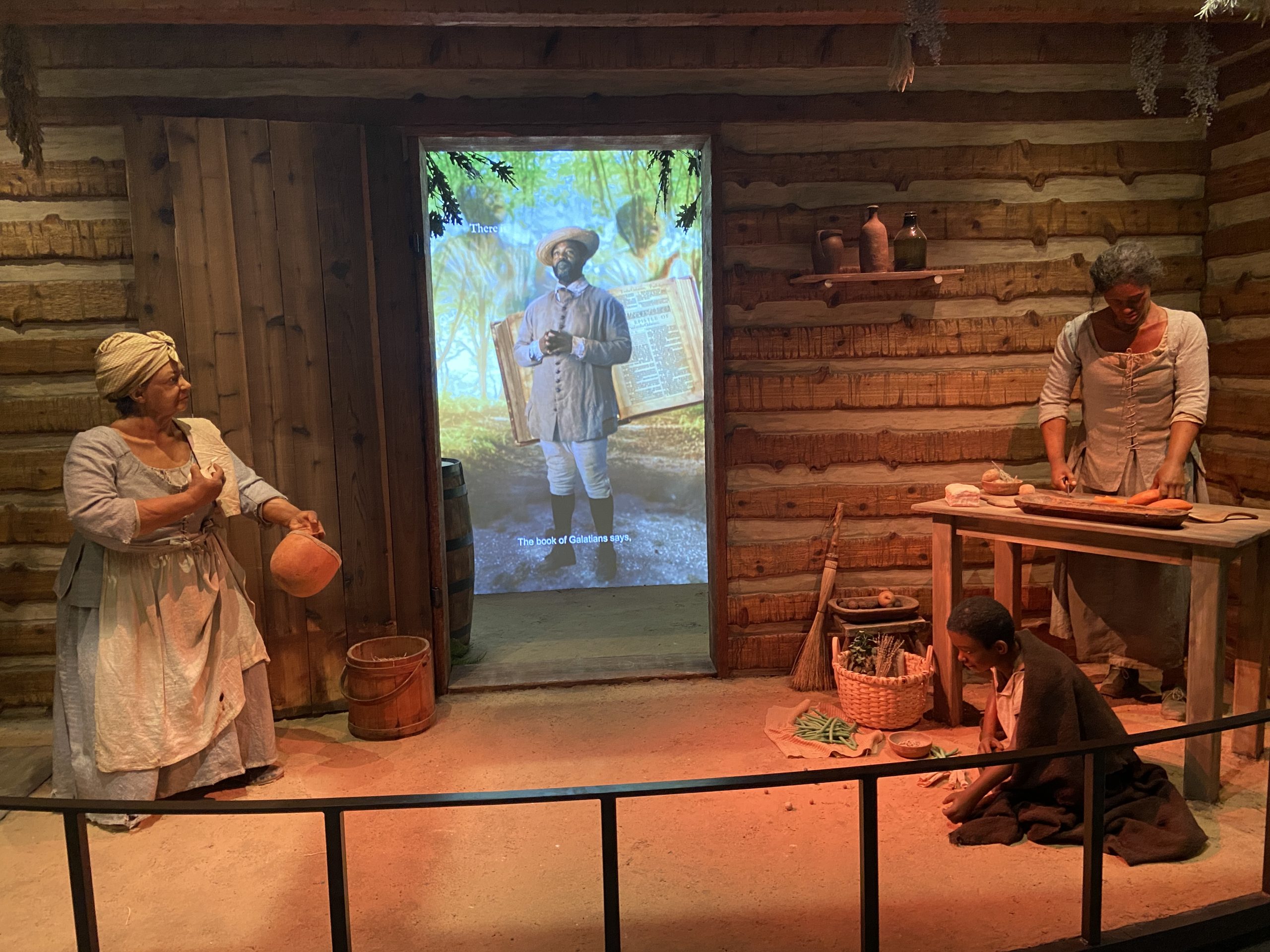
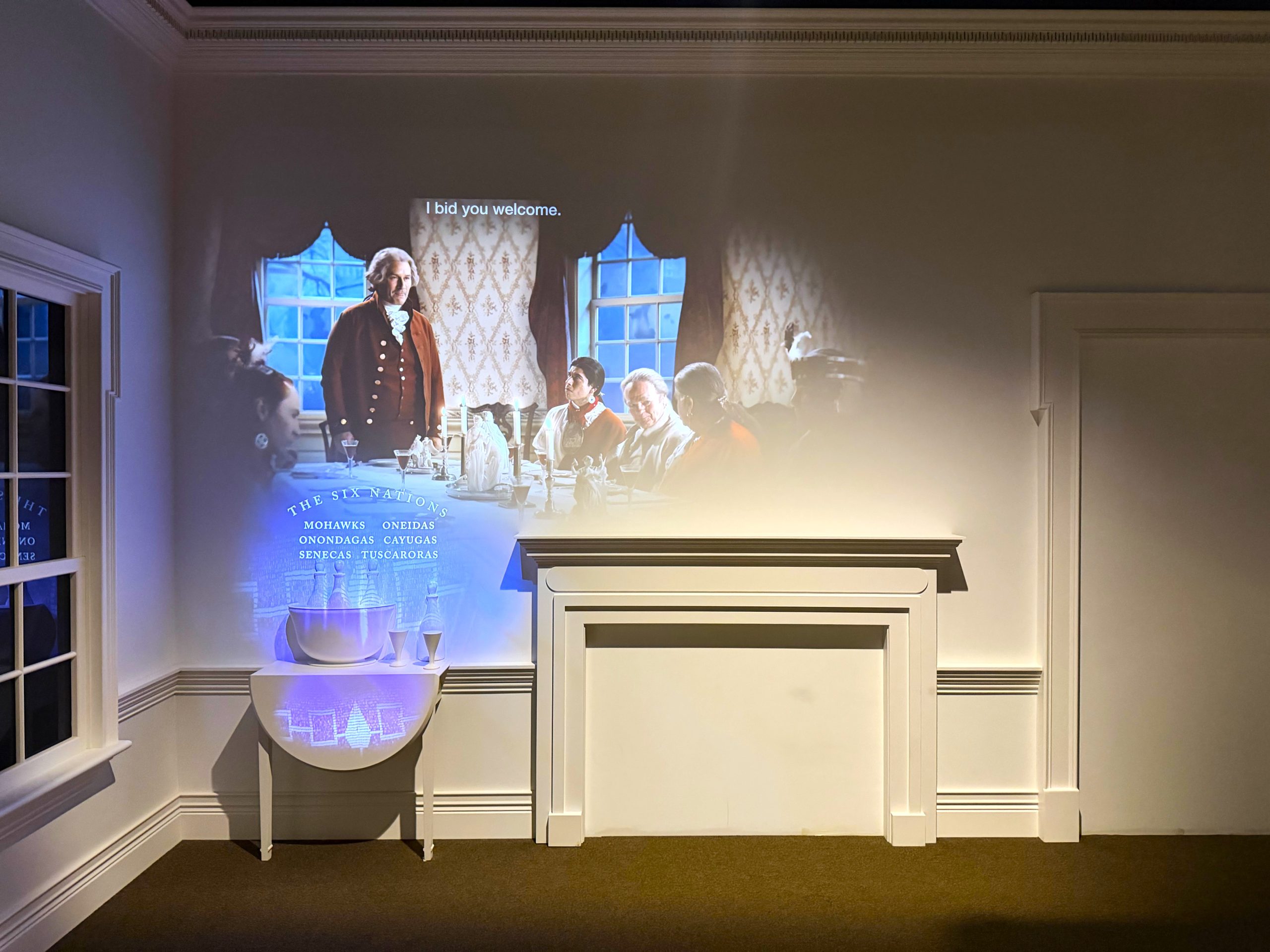
Thematic sections present eras of Washington’s life, from his early life to becoming a patriot; Revolutionary War leadership; the postwar period from Mount Vernon to the Constitution; and the presidency, Washington’s death, and his legacy. The informative displays are interactive and vivid: in a section on the 1787 Constitutional Convention, visitors can play a game called Constitutional Compromise. In some sections, AI-generated figures materialize, such as the Native Americans at a diplomatic meeting in the President’s House in Philadelphia. The displays about Washington’s farms and his agricultural interests present information about the enslaved people at Mount Vernon, including AI-generated figures that talk about their lives. A new room still being built at the time of this writing, Mapping Washington’s Decisions will have original maps, a digital atlas with 12 animated maps, and a spy game called Mapcraft: The Revolutionary War Spy Game.
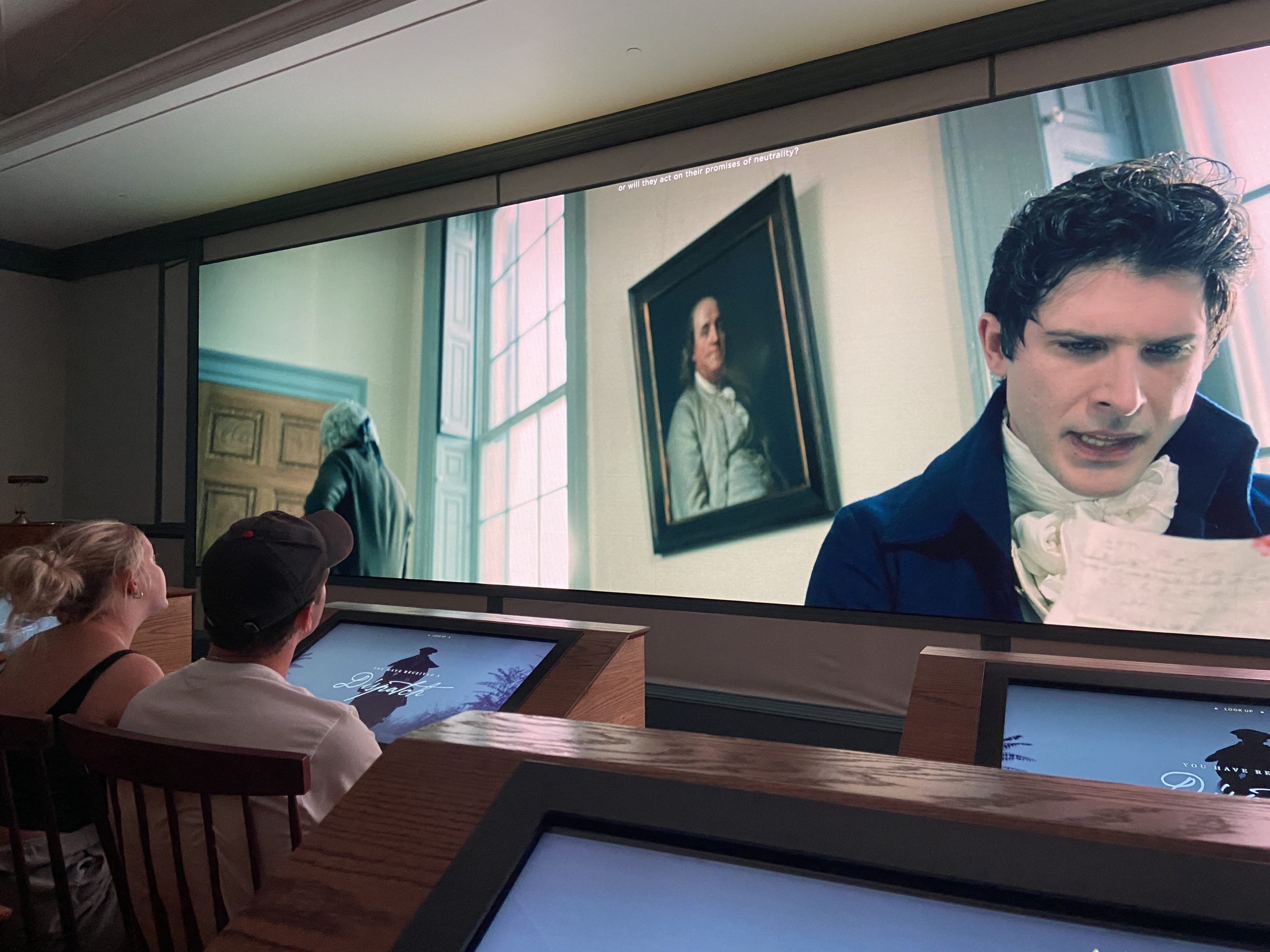
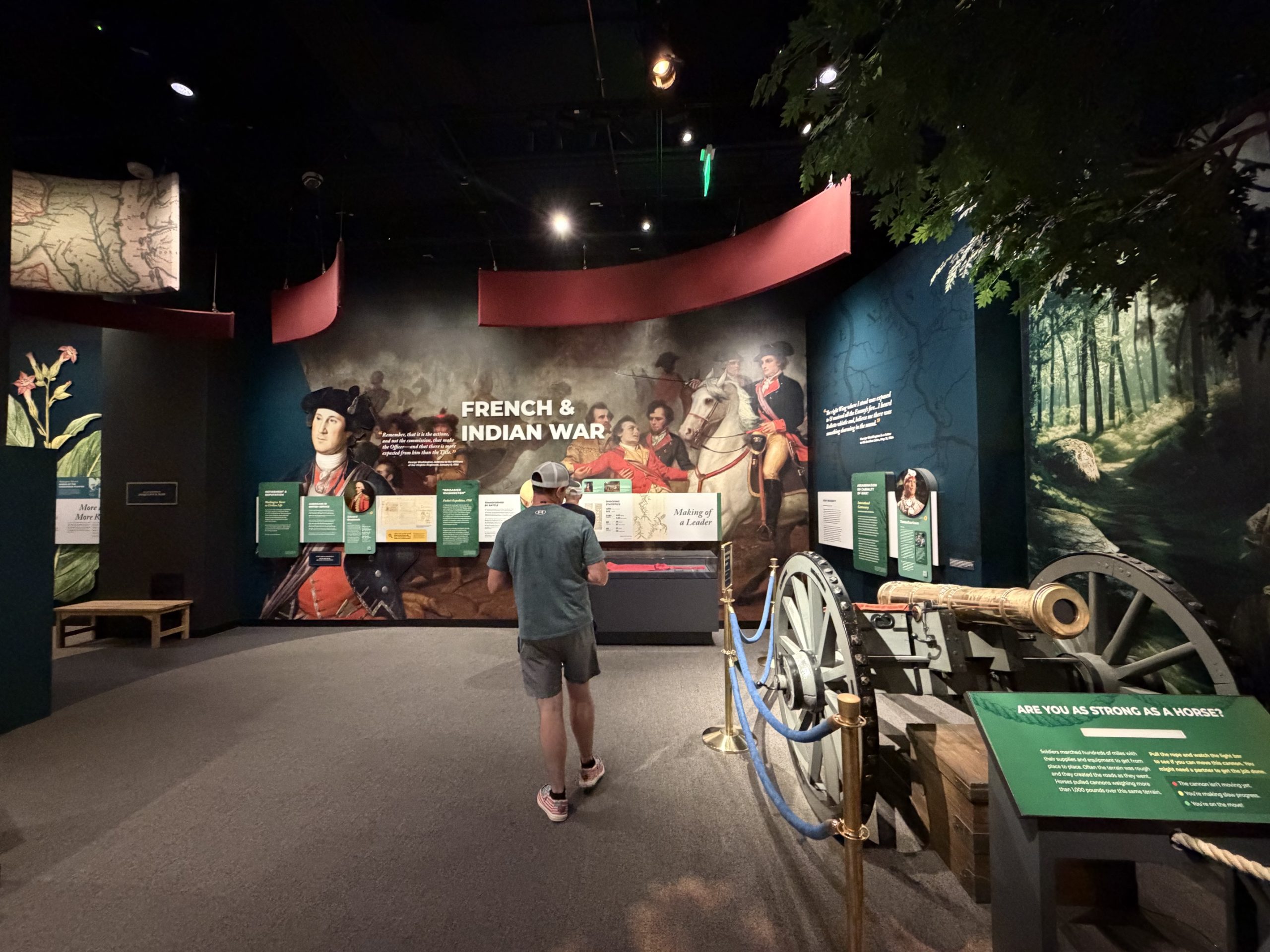
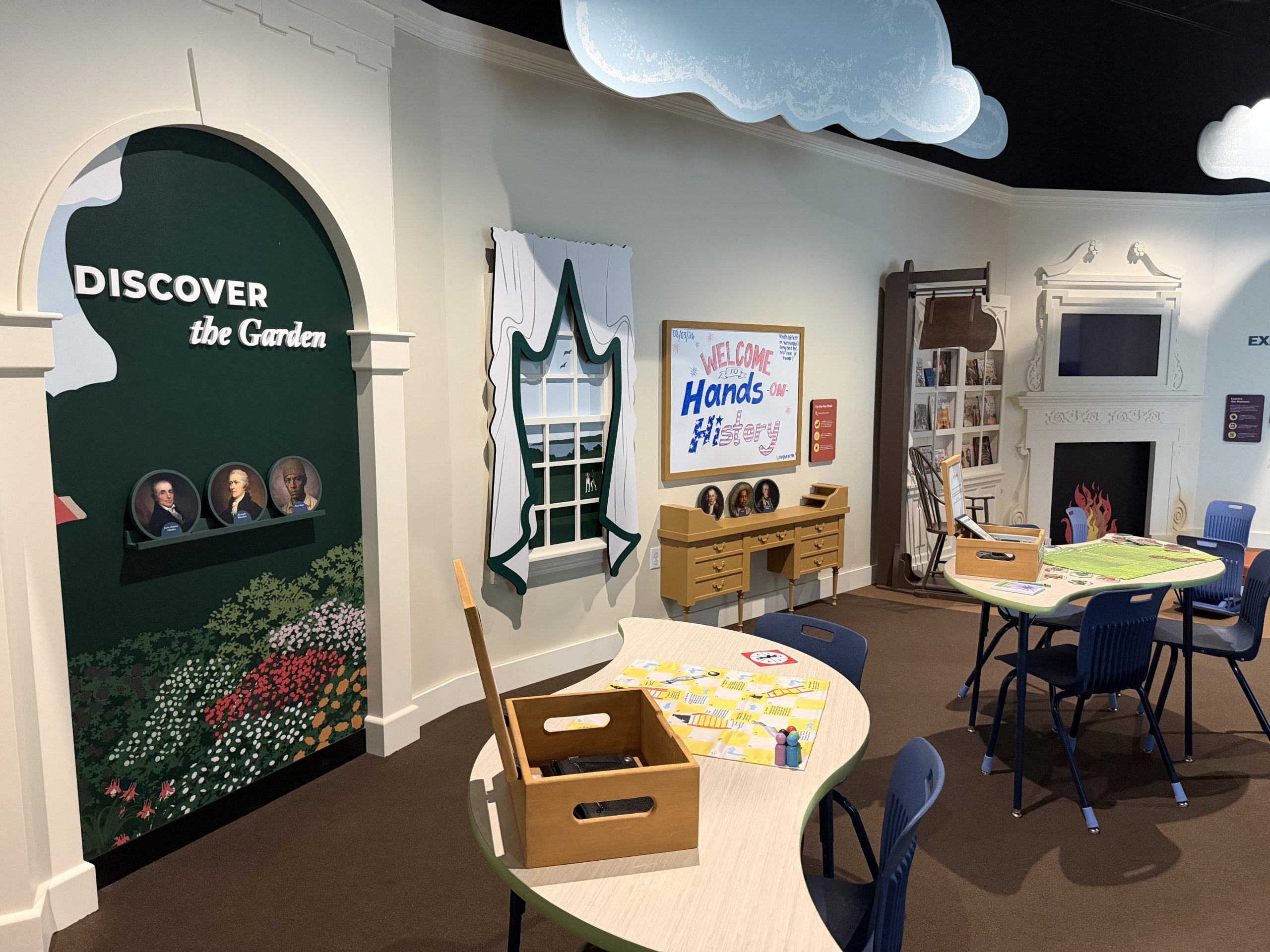
Some popular features remain from the previous exhibition, including the 4-D Revolutionary War Theater, which shows a film about encounters around Boston, Trenton, and Yorktown. Sensory effects such as “snow” falling as Washington and his troops cross the Delaware enhance the experience. In Be Washington (this fun activity is also on the website), visitors sit at desks, watch information about a key event requiring action by Washington, such as the Whiskey Rebellion in 1794, and then decide what they would have done. Designed for younger kids, an updated Hands-On-History Center features an interactive garden mural, leadership games, and other activities.
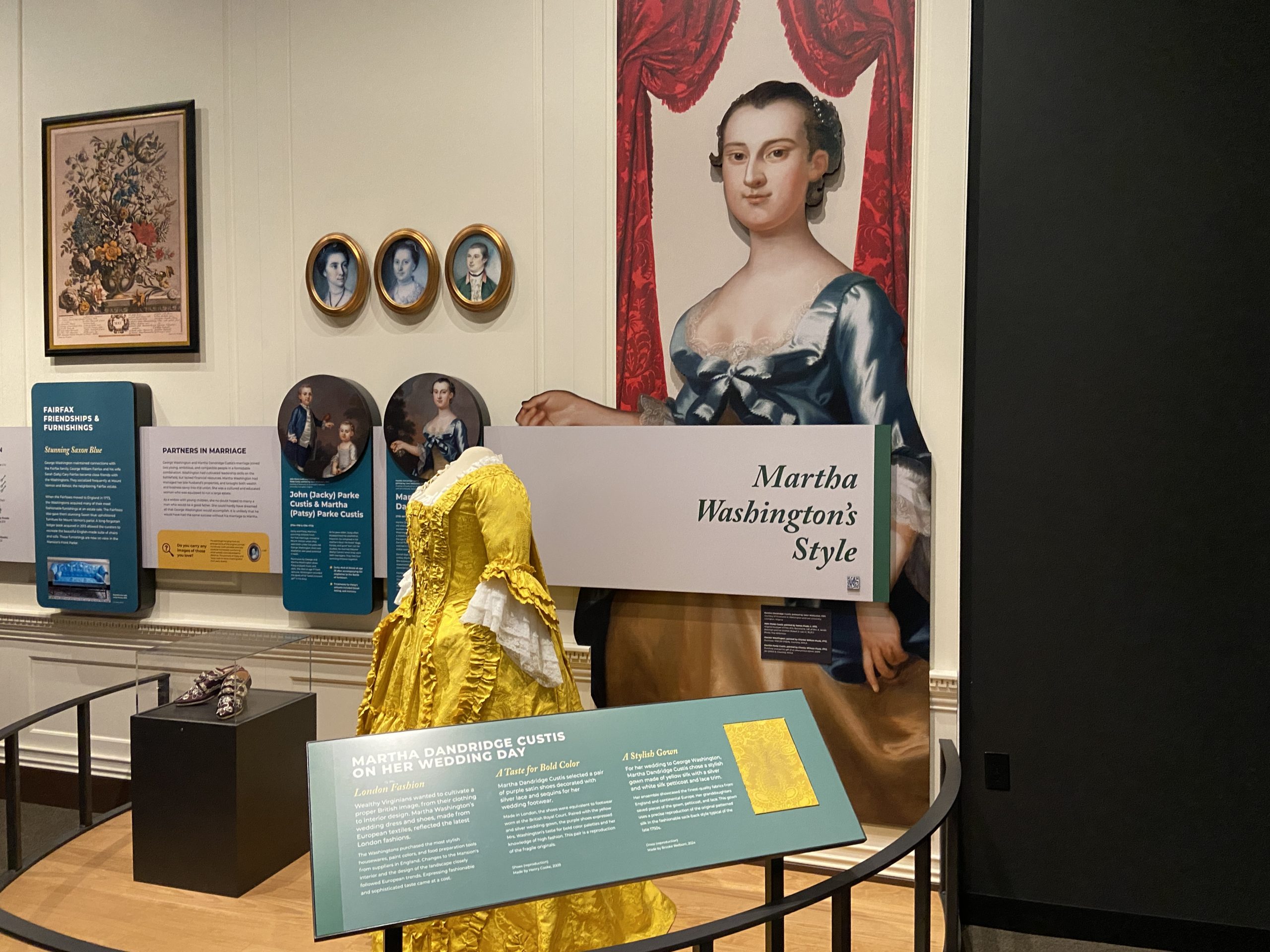
In the same building as “A Revolutionary Life,” the Museum displays key archaeological discoveries and artifacts, such as Jean-Antoine Houdon’s clay bust of Washington, made in 1785. Its well-done displays are traditionally presented and include family items and accessories that convey Washington’s sense of style. This is also the place to learn about the Mount Vernon Ladies’ Association and the preservation of Mount Vernon.
Reaching Out
Mount Vernon’s extensive civic education outreach to children, teachers, and adults is essential to its mission, from programs on- and off-site to online resources. Worth noting is the George Washington Presidential Library, established by the MVLA in 2013 in a separate building. Open to researchers by appointment, it also funds research fellowships of one, three, and six months at Mount Vernon. The library’s Center for Digital History is a wonderful public resource containing information related to Washington in digital archives, videos, maps, and podcasts. Connected with the library, the non-partisan George Washington Leadership Institute offers programs for new and more experienced leaders that emphasize Washington’s leadership qualities.
Worth Visiting Nearby
Side of Culture has covered several historic sites near Mount Vernon. Gunston Hall, the historic home of George Mason, a neighbor of George Washington, is in Lorton, Virginia. Less than four miles from Mount Vernon is Woodlawn & Frank Lloyd Wright’s Pope-Leighey House. Woodlawn was originally part of the Mount Vernon estate.
Side Dish
The General’s Canteen, offering quick, casual fare near the Education Center and the shops (the bookstore is excellent), serves up burgers, pizzas, sandwiches, and salads in a low-key food court. Next door, the Mount Vernon Inn Restaurant offers table service and an American menu with a few Colonial elements—hoecakes and corn bread but also classics from jambalaya to chicken and waffles, plus salads and sandwiches—in a Colonial-type setting.
Linda Cabasin is a travel editor and writer who covered the globe at Fodor’s before taking up the freelance life. She is a writer for Fodor’s Philadelphia and a contributing editor at Fathom. Follow Linda on Instagram at @lcabasin.
Featured Photo: Washington designed Mount Vernon’s distinctive two-story piazza, added in 1777. Tours describe the house’s various expansions. Photo by Linda Cabasin