
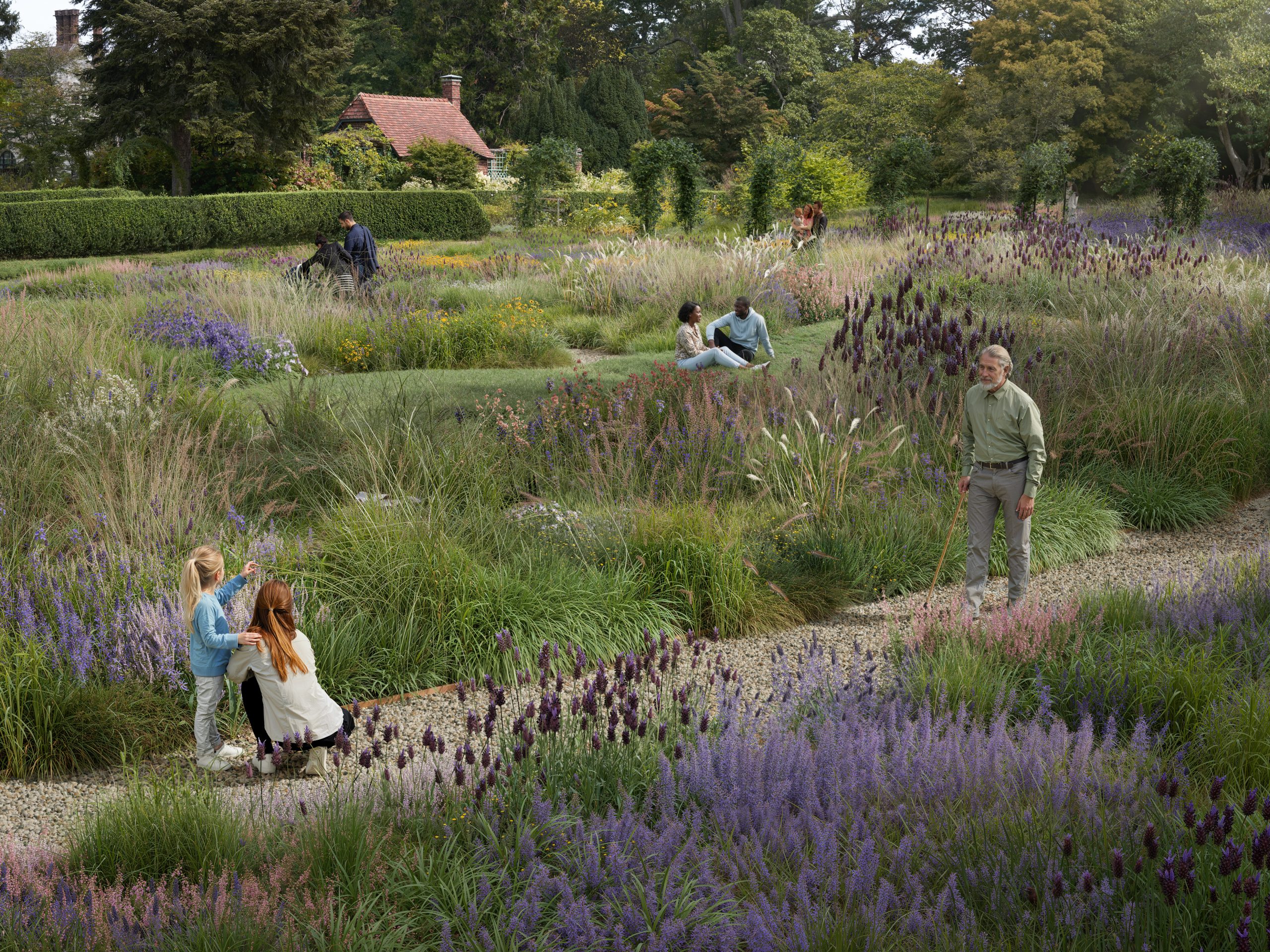
A 409-acre former private estate turned public park on Long Island’s Gold Coast, Planting Fields in Oyster Bay is on a roll. A new perennial garden by acclaimed Dutch garden designer Piet Oudolf, whose U.S. projects include New York’s High Line and Philadelphia’s Calder Gardens, will open October 17. Side of Culture had a look in late August at this stunning addition to the more than 20 existing gardens, greenhouses, notable plant collections, and restored mansion. In 2025, Planting Fields Arboretum State Historic Park (its formal name) received accreditation from the prestigious American Alliance of Museums, one of just 70 museums in New York State to have this. It also launched a new strategic plan that includes increasing its programming year-round to better serve the community. Fall with its brilliant foliage is a beautiful time to explore everything that’s happening at Planting Fields. The gardens and grounds are free; there’s a seasonal parking fee.
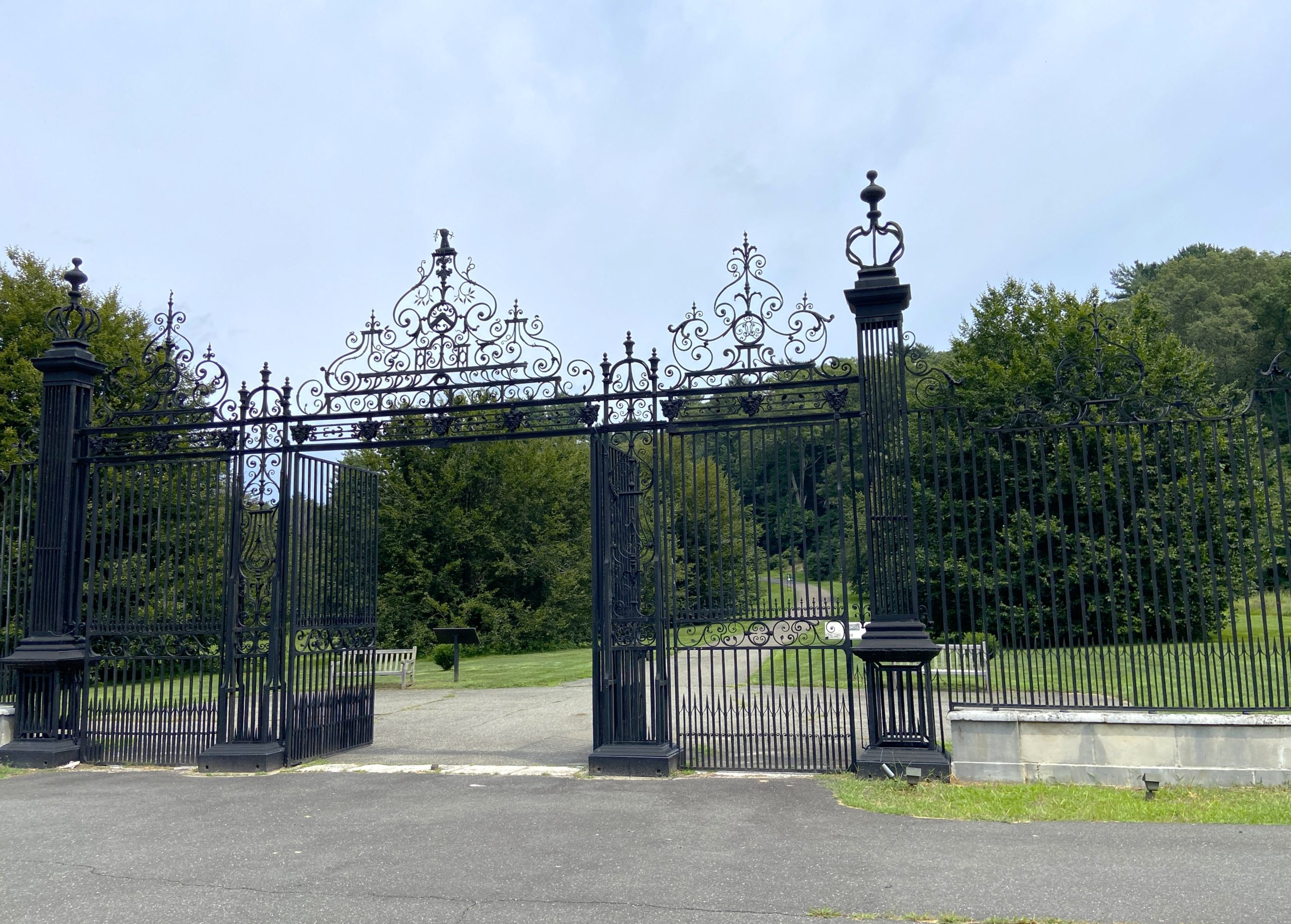
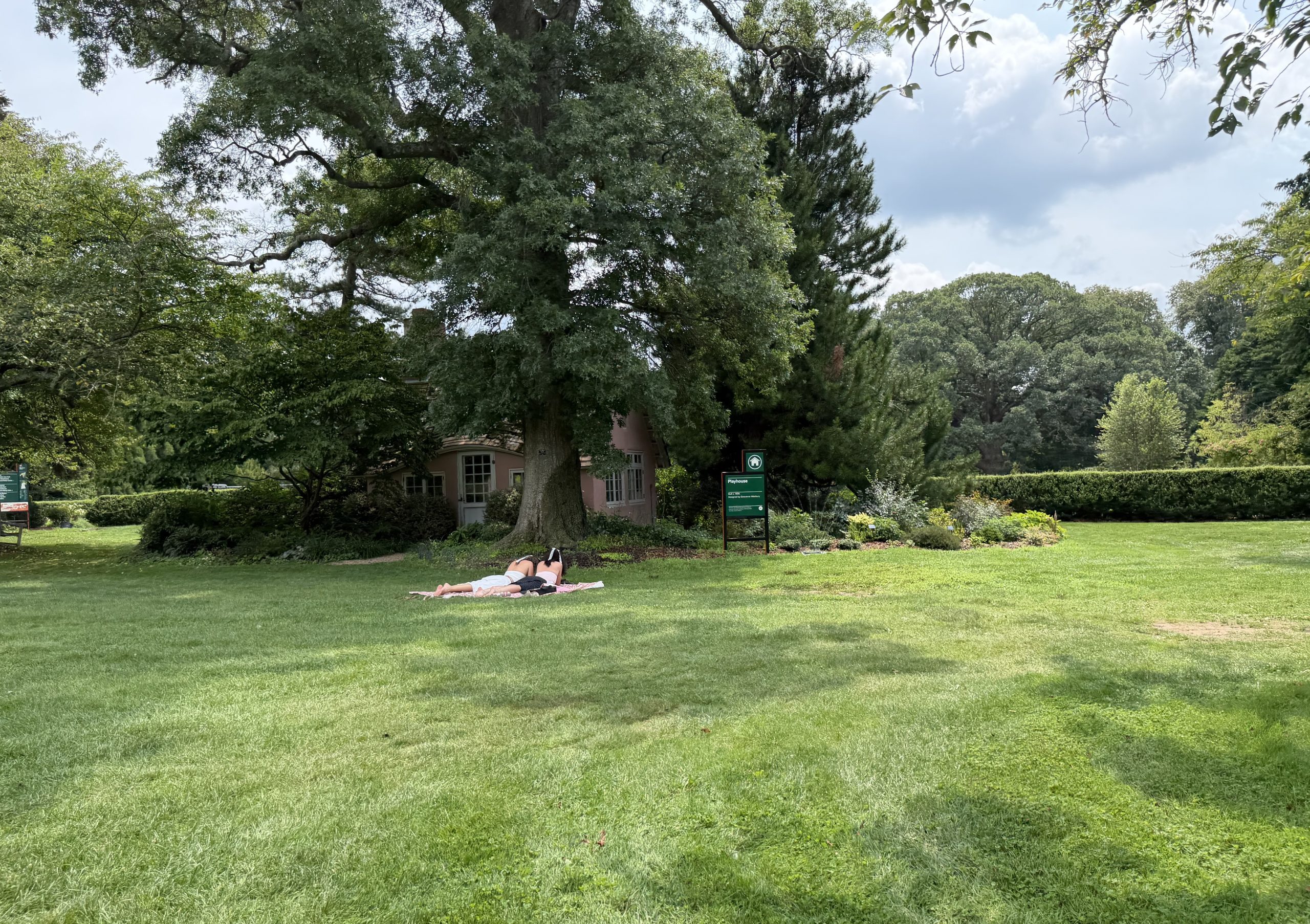
The Oudolf Garden builds on horticultural excellence dating to 1913, when maritime insurance executive William R. Coe (1869–1955) and his wife Mai Rogers Coe (1875–1925), a Standard Oil heiress, bought the estate. During this era, described in Fitzgerald’s The Great Gatsby, the wealthy bought land and threw up mansions on Long Island’s North Shore, accessible to New York City by train. Planting Fields is one of only a few estates to survive with its grounds and house intact. The couple adored trees and plants, and in 1918, Coe commissioned Olmsted Brothers, run by Frederick Law Olmsted’s sons, to design the landscape and Walker & Gillette to build a house.
Coe gifted the estate to New York State in 1949 as a public institution; the state park system took control in 1972. The nonprofit Planting Fields Foundation, established and endowed by Coe, operates Planting Fields in partnership with the New York State Office of Parks, Recreation, and Historic Preservation, maintaining and interpreting the site. Dr. Gina J. Wouters, the foundation’s energetic President and CEO since 2019, is leading efforts to make Planting Fields “A Center for Learning and Life,” as described in the 2026–2028 strategic plan.
The New Oudolf Garden
Piet Oudolf’s innovative landscaping principles were evident throughout the one-acre site when Side of Culture took a garden stroll with Dr. Wouters in August. Known for his leadership of the New Perennial movement, combining sustainability and beauty, Oudolf has created a design with complex, colorful layers that provide seasonal interest. It uses 25,000 plants and grasses from more than 100 species, with 22,000 bulbs to be planted in November.
Located near the Main House and surrounded by towering trees and an existing hedge, the garden has a serene, enclosed feeling. A historic rose arbor bisects the space, and pea-gravel paths with some curving wooden benches divide different garden areas. Prairie dropseed anchors the central meadow areas, which feature slightly raised areas where people can sit. On the north and south sides are swaths of seasonal perennials, 60 percent of which are native; many plants were sourced locally. In August, yellow yarrow and purple Stoke’s asters provided a contrast with gently waving grasses. There’s plenty for gardeners to learn here, and the garden-in-progress also demonstrates that gardens are, as Dr. Wouters noted, “places of reflection and renewal.”
Garden Highlights
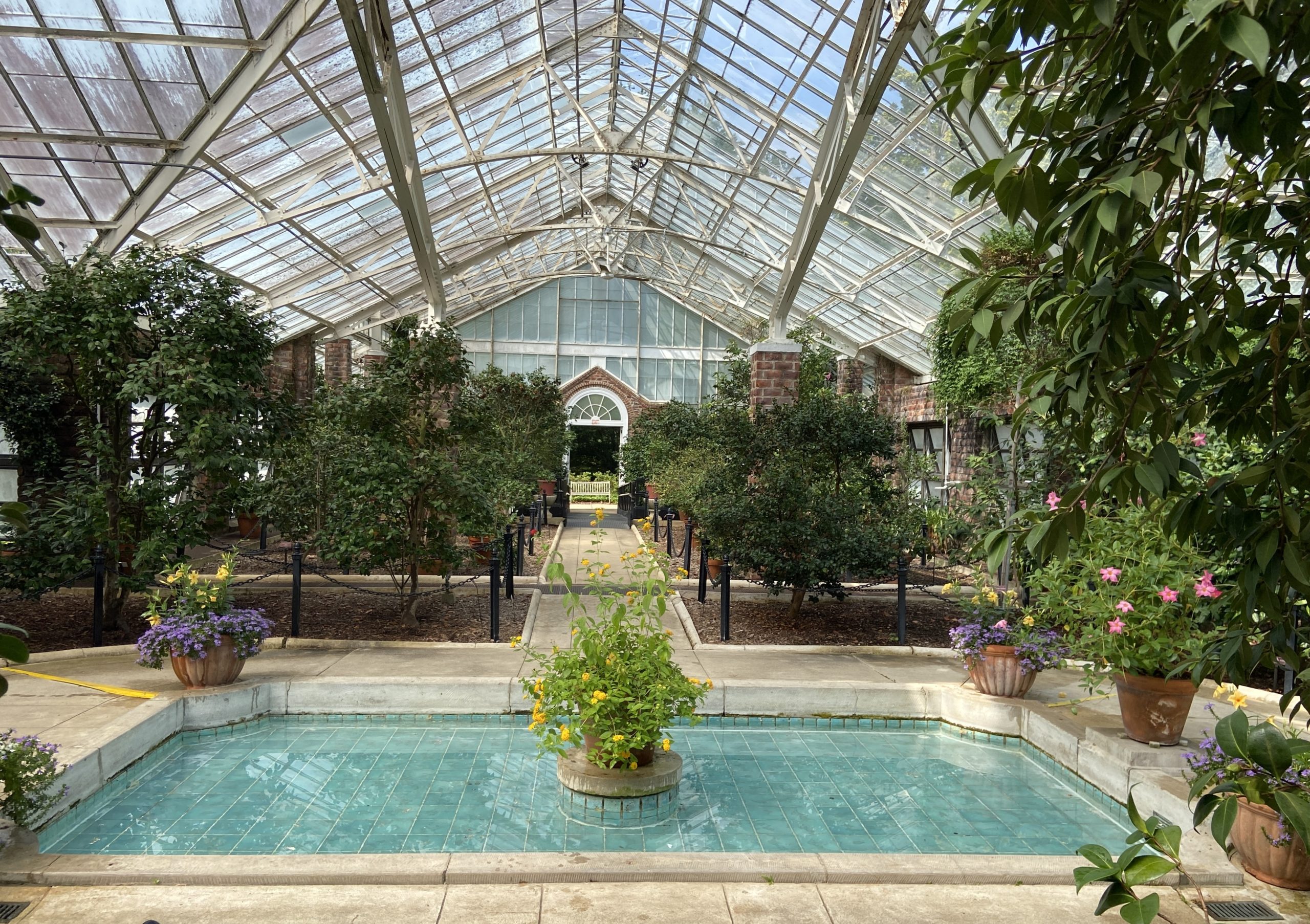
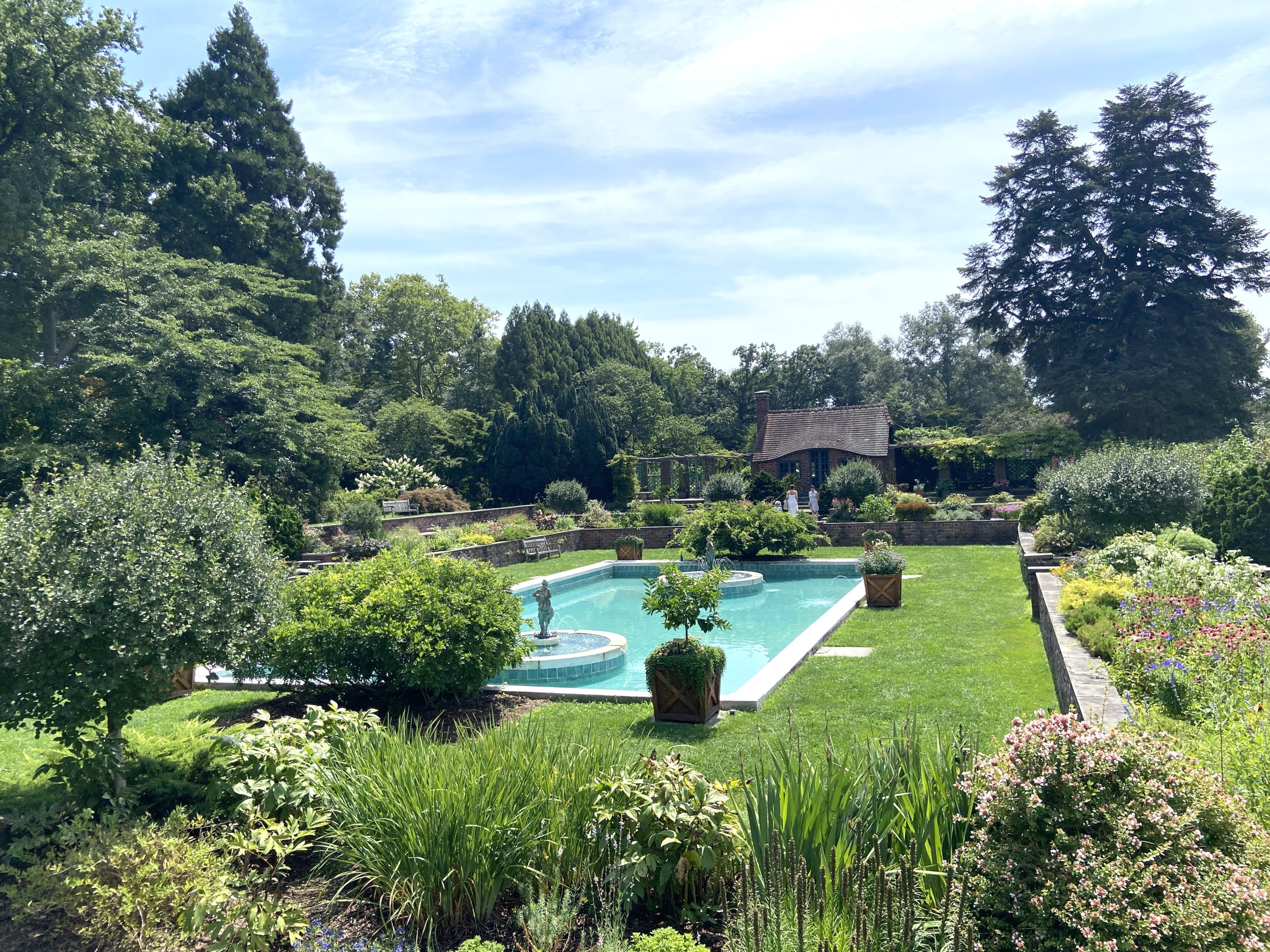
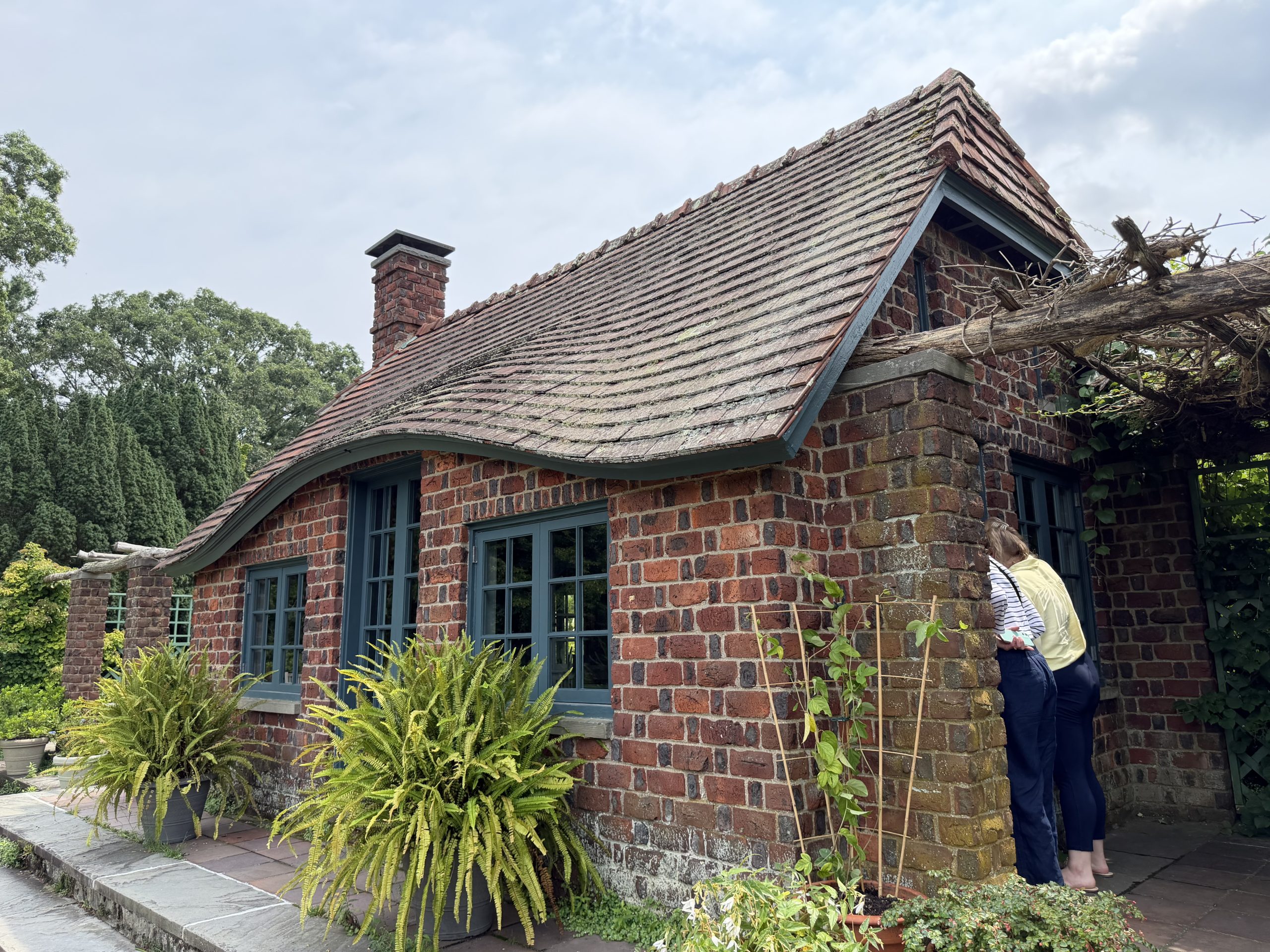
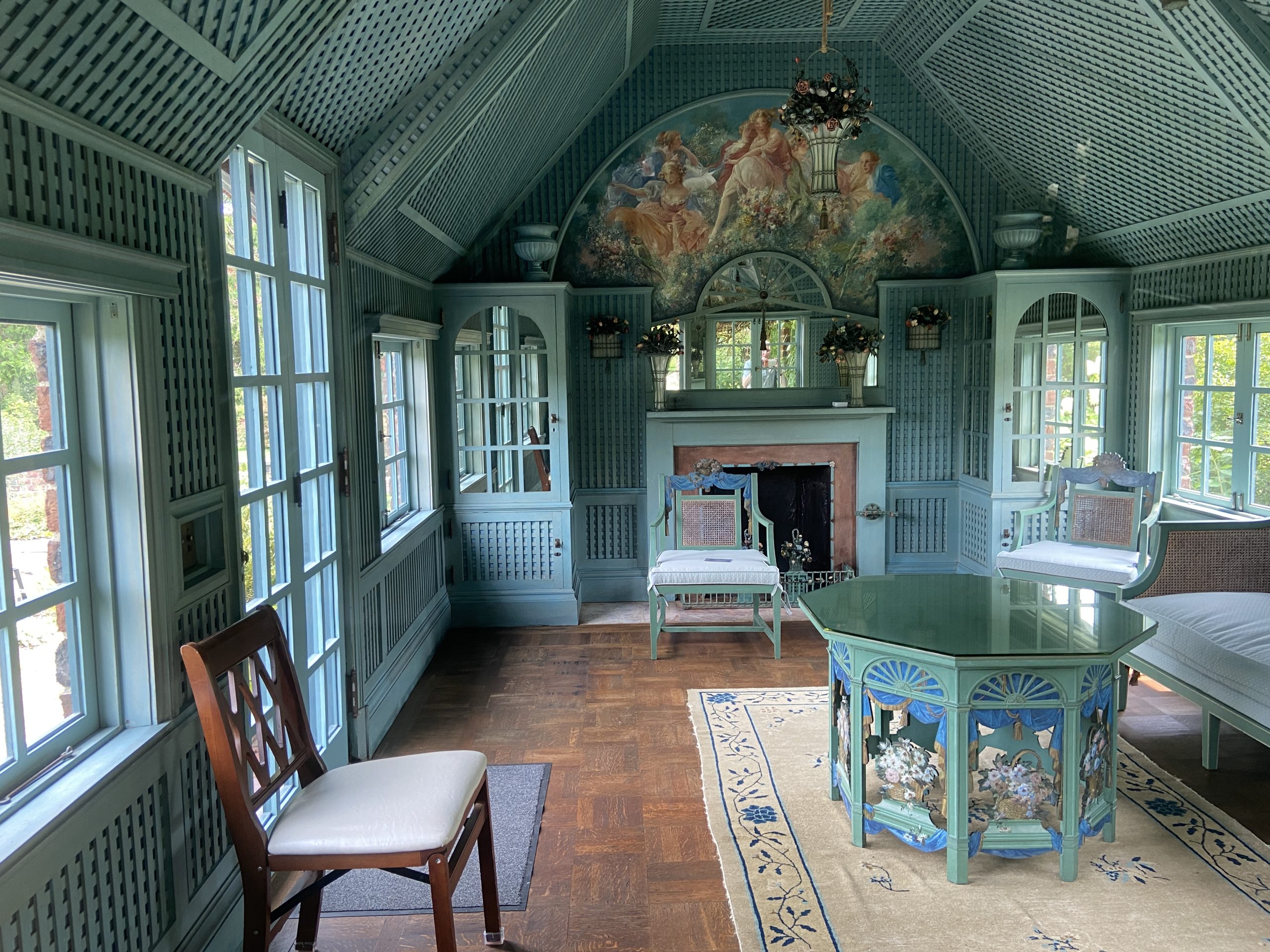
The Matinecock people who lived in the area called the fertile land “planting fields” in their language, a term later used by the Coes as the estate’s name. For 20 years, Olmsted Brothers worked on the 409 acres, designing the East and West Lawns and planting oaks, maples, cherries, and other trees to create striking views that remain a defining feature of Planting Fields. The sunken, Italian-style Blue Pool Garden with its fountains is a must-see, as is a peek into its adorable (but generally closed) 1915 Tea House. The latticed green-blue walls and murals by Everett Shinn, conserved in 2025, are charming. The Camellia Greenhouse, enlarged by Olmsted Brothers, holds the Northeast’s largest collection of camellias under glass—over 300—with bloom season from late January through March.
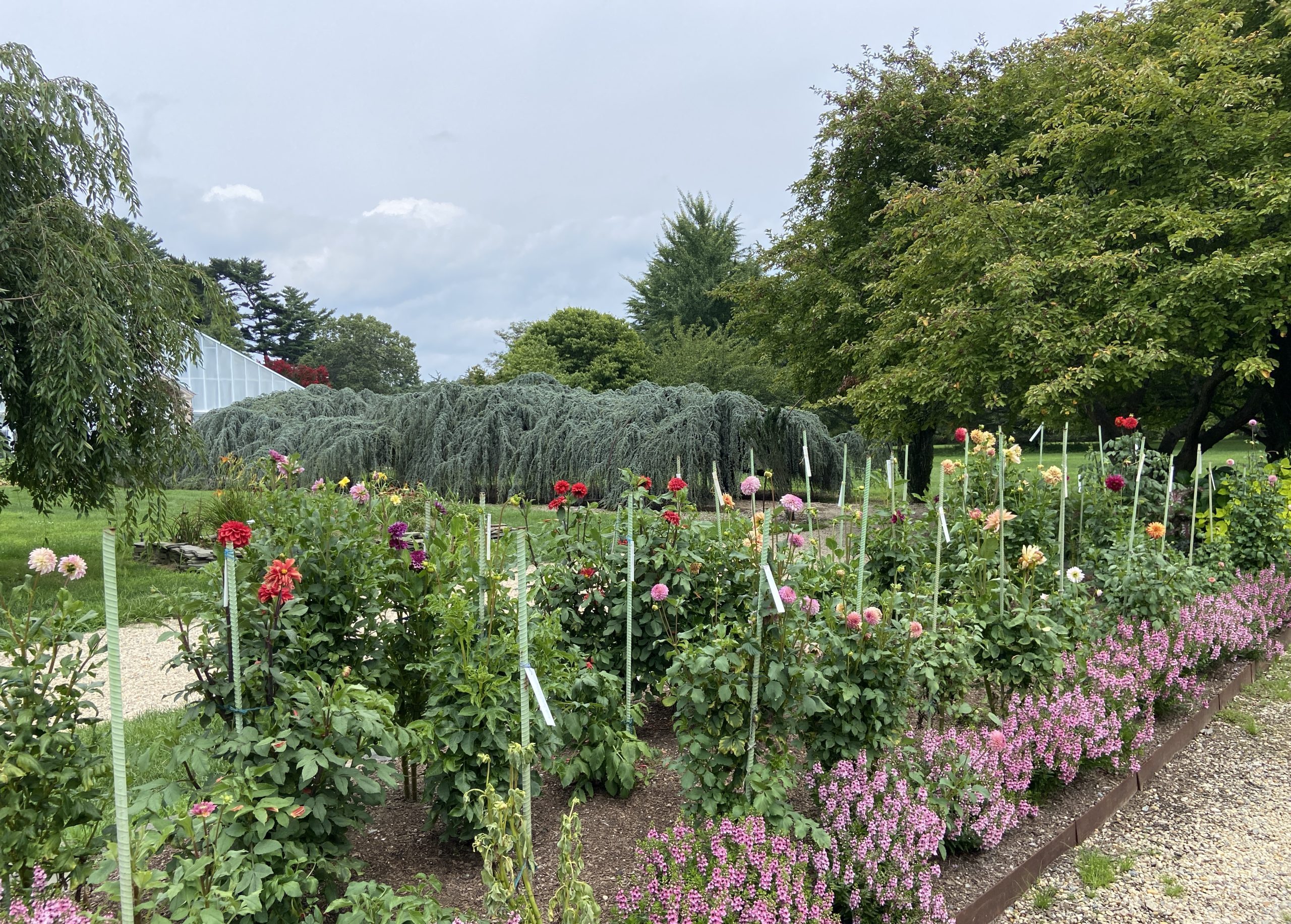
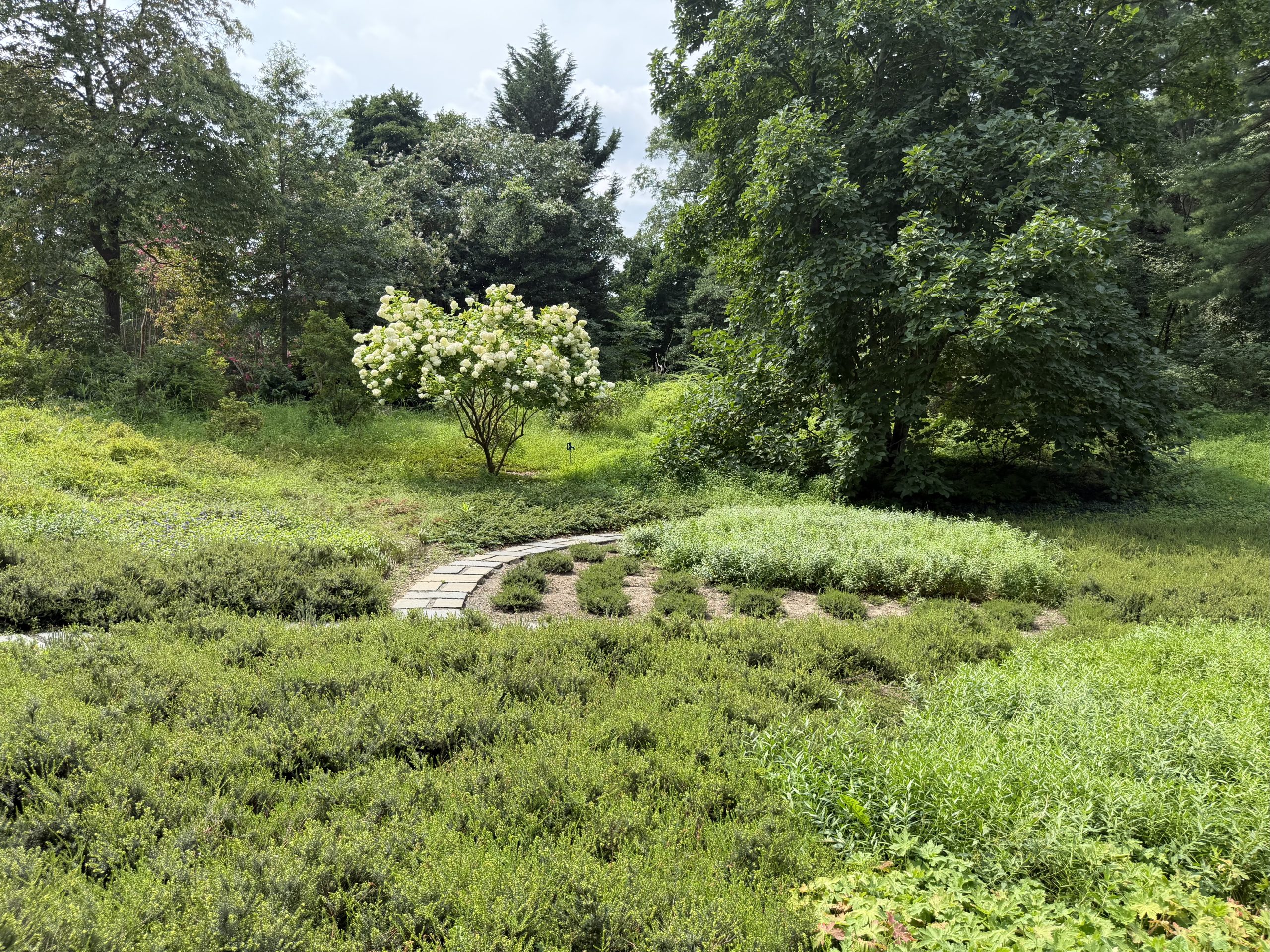
The hidden-away Heather Garden, recently replanted with more sustainable varieties, is another example of ongoing garden improvements. Collections of azaleas and rhododendrons brighten spring, and the Dahlia Garden charms visitors in late summer. There are more than a dozen other areas to explore—even a bird sanctuary—and 5 miles of woodland hiking trails.
In 2020, Planting Fields established Catalyst, an annual program that commissions an artist to create a work, generally on view for a limited time, which interacts with and brings new meaning to the landscape. The program continues the Coe family’s tradition of artistic patronage. From October 17, 2026 to September 1, 2027, the Dutch artist and filmmaker Fiona Tan’s installation Fragment of the Foundations for a Babel Tower will be on the grounds. A page on the website explores the work, a meditation on the human desire for control.
Touring the Main House
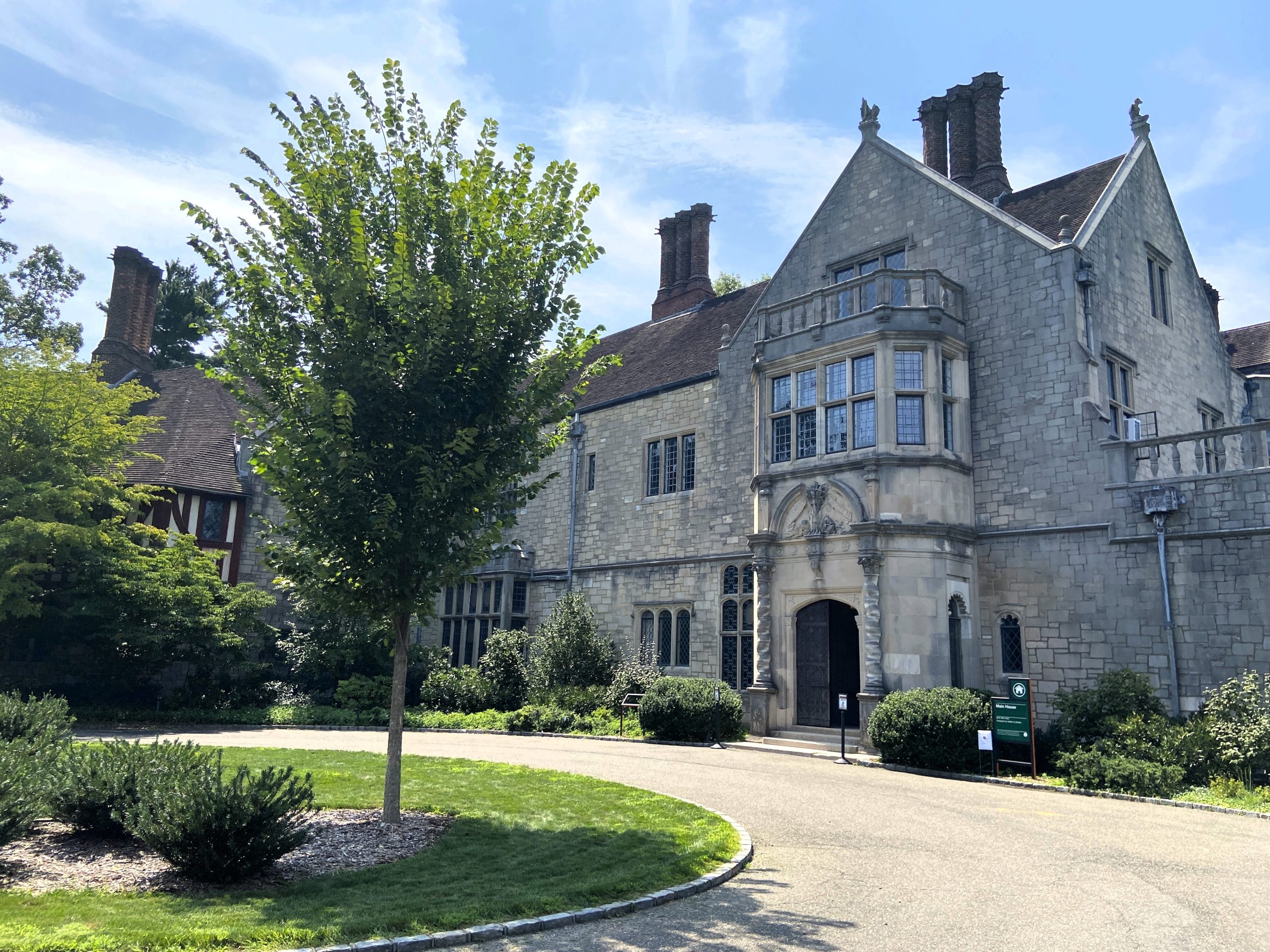
At the heart of Planting Fields, the 65-room Tudor Revival Main House designed by Walker & Gillette has an impressive limestone and half-timbered exterior and a location overlooking majestic lawns and trees. Well worth the fee charged, self-guided or guided tours on select days from April through mid-November give insight into the Coe family’s lifestyle at what was one of their five homes, used mostly in summer. (The house stood in for Chequers, the British Prime Minister’s country residence, in the Season 3 finale of Netflix’s The Diplomat.)
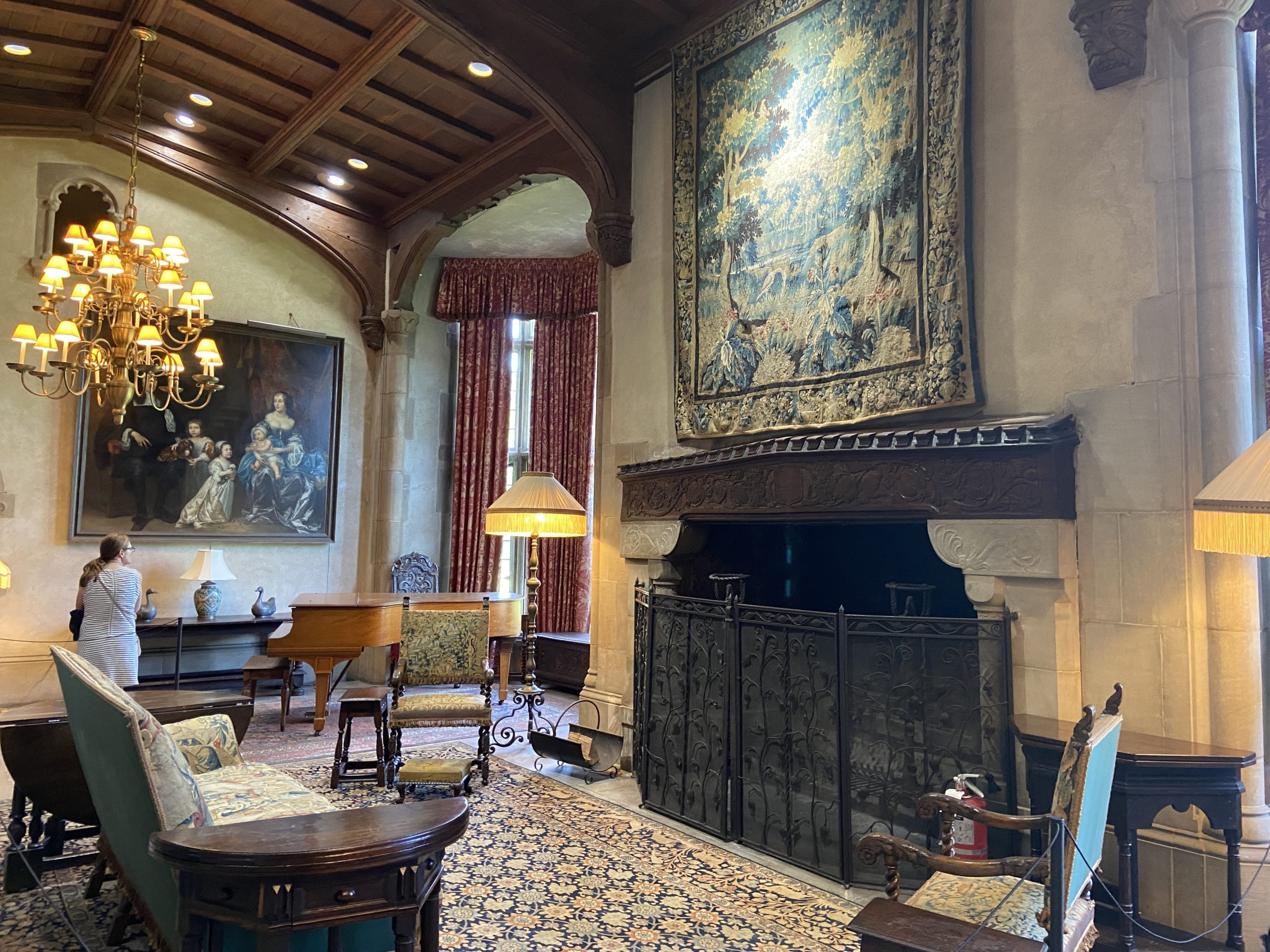
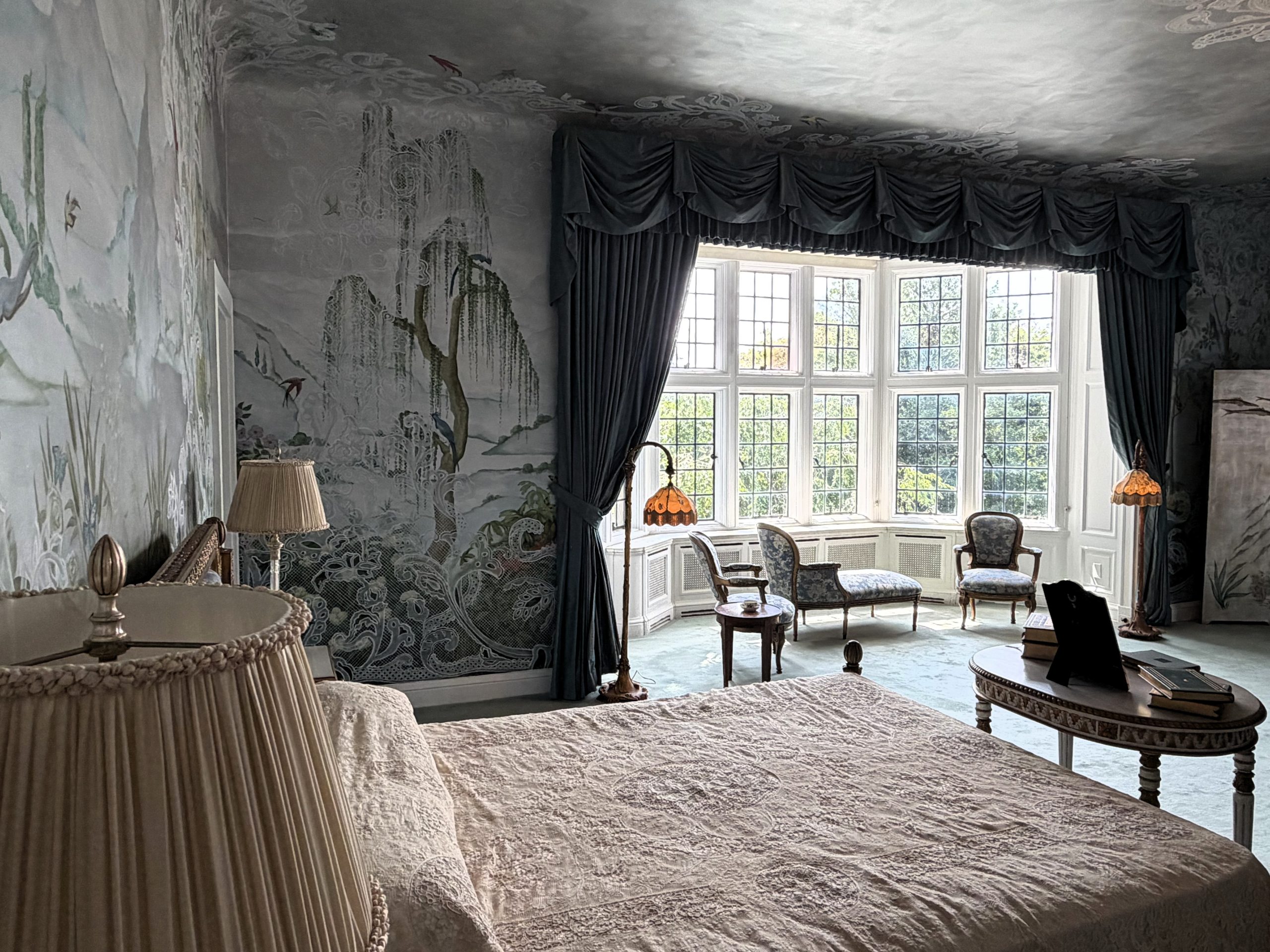
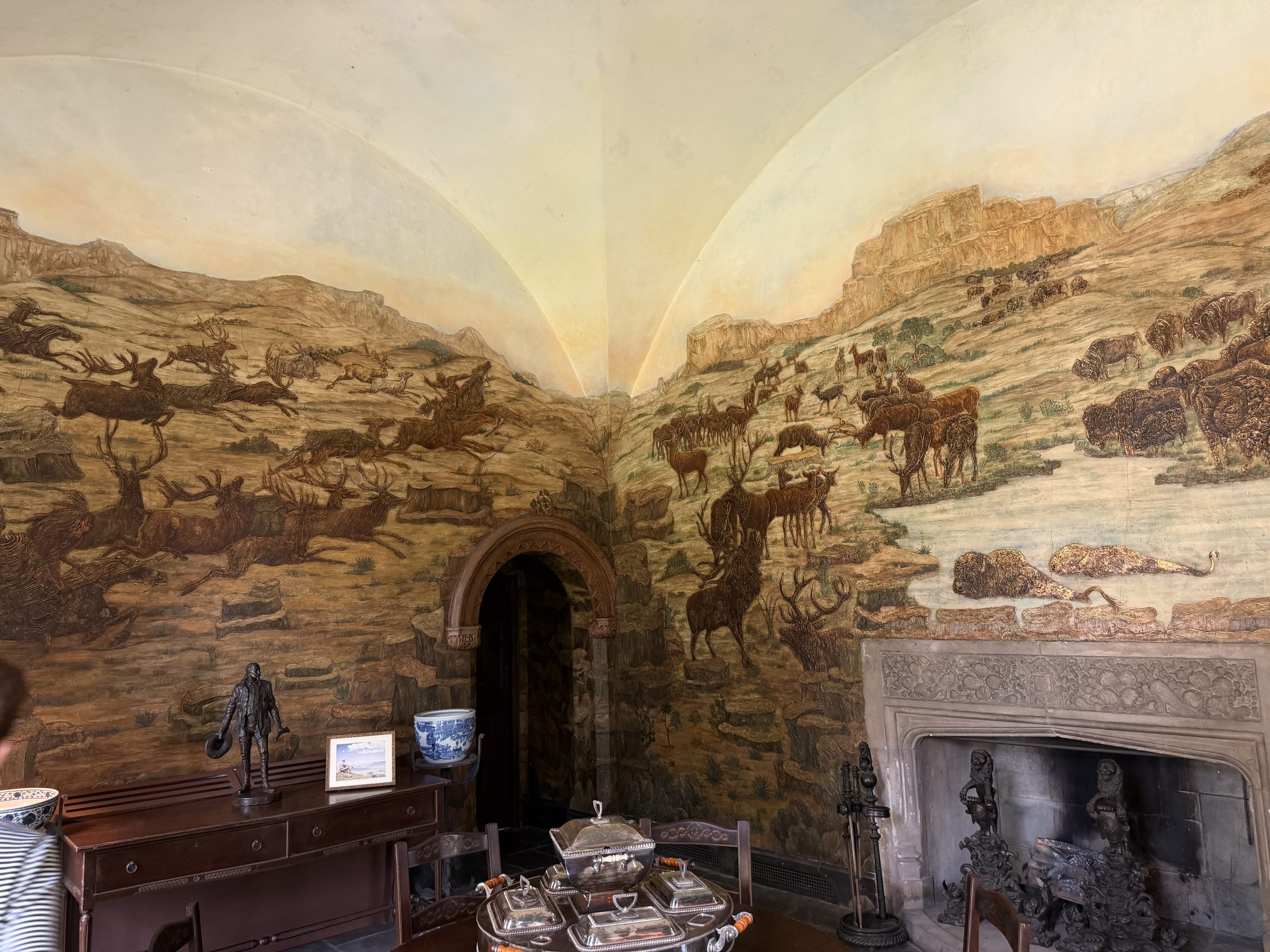
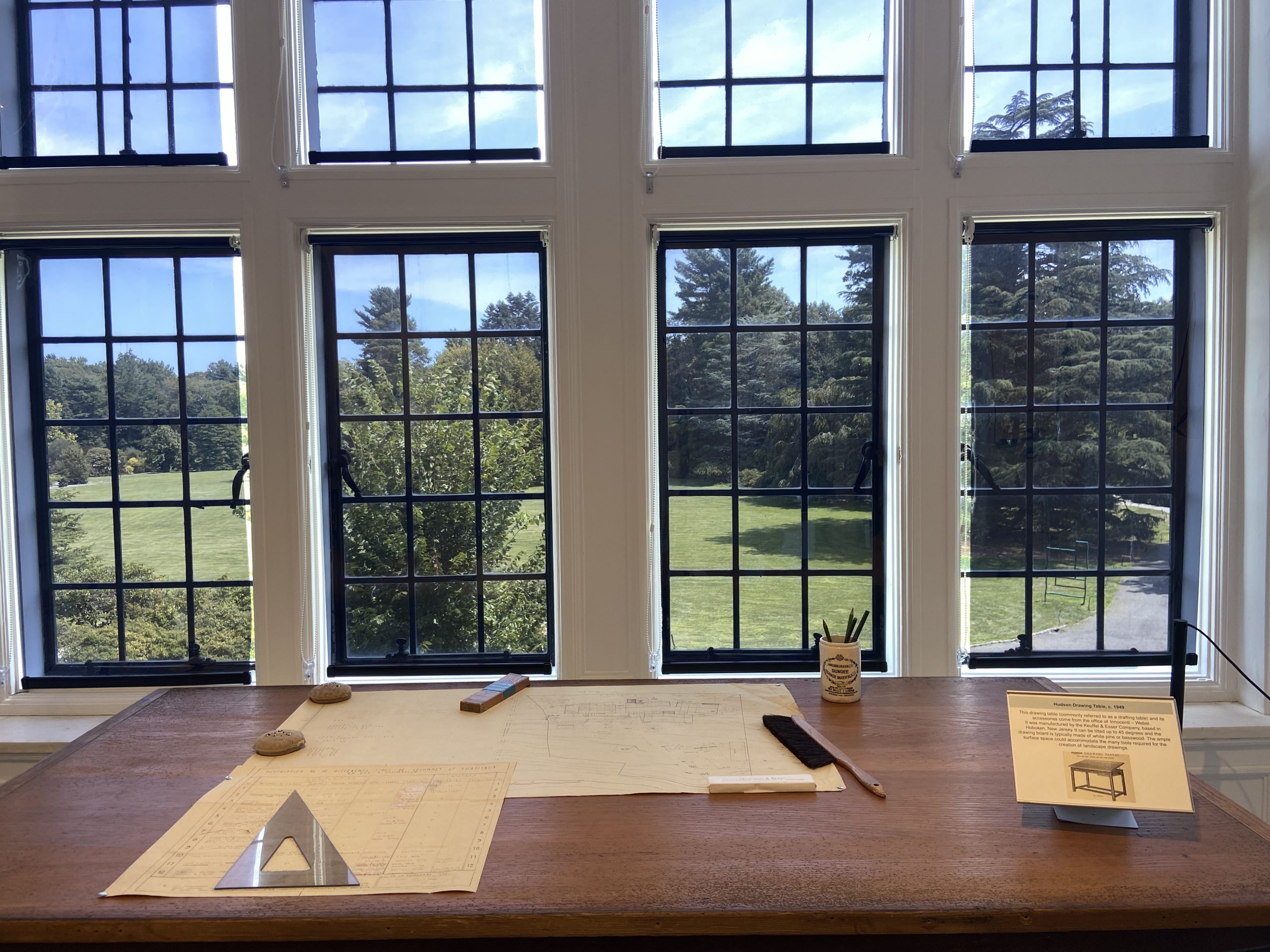
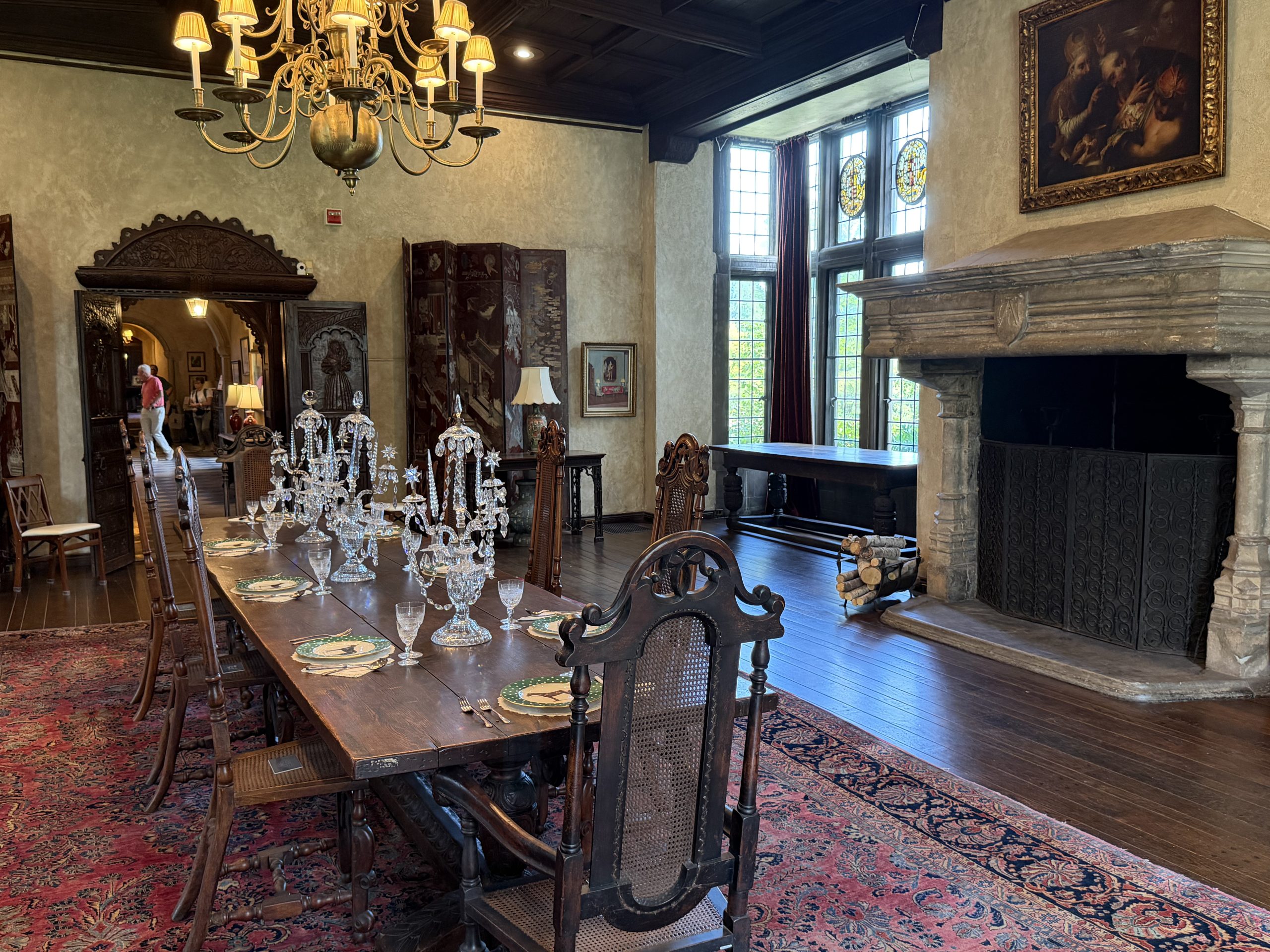
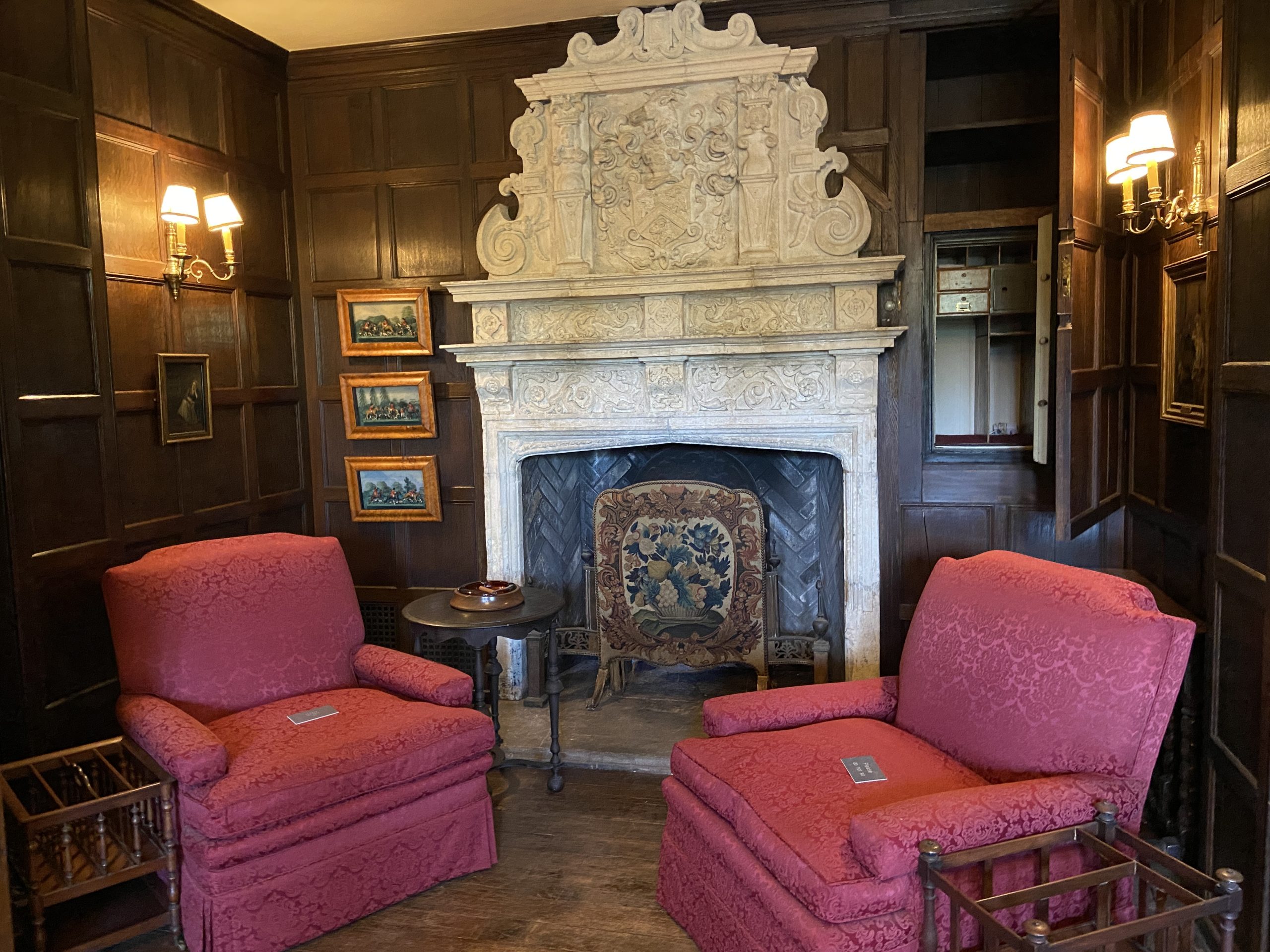
Charles Duveen provided carpets, tapestries, and other furnishings, and master American metal designer Samuel Yellin’s work appears throughout the house. The Coes also supported contemporary American artists, notably Everett Shinn and Robert Winthrop Chanler. Enough furnishings are original to reveal the Coes’ taste, from Mr. Coe’s Den, a Gatsby-esque man cave, to Mrs. Coe’s exquisite, French-flavored bedroom with wallpaper that re-creates Chanler’s original mural. Grand spaces like the Dining Room and Gallery contrast with the intimate Breakfast Room (seen on guided tours) and its wraparound mural of a buffalo hunt by Chanler.
Centered on Community
Planting Fields aims to be accessible to everyone. To support this goal, in 2024 it completed 2,000 feet of ADA-accessible paths near the Main Entrance Drive, part of a project that added new wayfinding signage and planted over 100 native oak trees. The website will soon be revamped too.
Festivals, events, and programs like workshops and exhibits attract people year-round; various fees charged provide important support for Planting Fields Foundation’s efforts. Popular happenings include February’s Camellia Festival, Arbor Day in April, and December’s family-friendly “Home for the Holidays,” when the Main House is decorated with plant material from the grounds. Spring and Fall 5K Run/Walks with a Kids Fun Run draw crowds to see the changing seasons. New programs are continually being developed, from concert series to new themed tours of the Main House and grounds. Some, like special First Friday programs, can sell out.
Children are important at Planting Fields. Besides the many options for school visits, there are service programs for older kids and young adults. An on-site Education Center serves as a hub for student activities, Little Learners sessions for ages 2–5, and community workshops and summer camps.
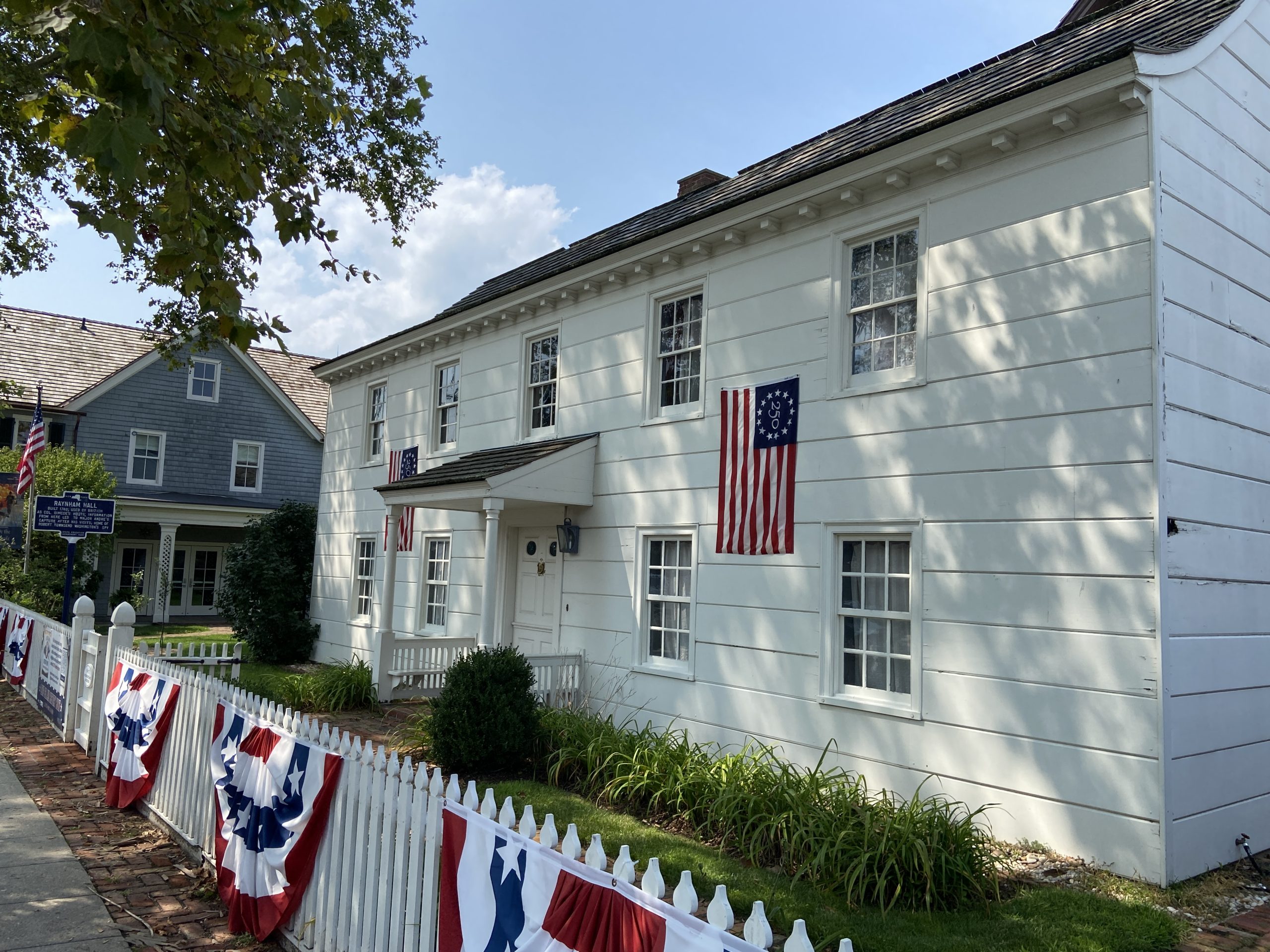
Worth Visiting Nearby: Raynham Hall and Sagamore Hill
Nearby sites capture other eras of Oyster Bay’s history. Raynham Hall Museum, with a house dating to 1738, tells the story of the Townsends, one of Oyster Bay’s founding families, notably Robert Townsend’s role in George Washington’s Culper Spy Ring. Exhibits cover 300 years of local history, from the role of trade and slavery to Victorian life. Sagamore Hill, a Queen Anne–style house on 83 acres, was home to President Theodore Roosevelt from 1885 until his death in 1919. House tours give a vivid sense of Roosevelt, and a museum and nature trail are on-site.
Side Dish
Bring a picnic to enjoy alfresco at Planting Fields or head to downtown Oyster Bay for a casual or upscale lunch. The small, relaxed Sweet Tomato offers a long menu of smoothies, wraps, panini, salads, grilled cheese specials, and ample vegetarian options, plus a good soup-and-half-wrap special. The Audrey, serving lunch and dinner, features a raw bar, specialty toasts such as ricotta and pesto, Italian and American sandwiches, pizza, and sliders.
Linda Cabasin is a travel editor and writer who covered the globe at Fodor’s before taking up the freelance life. She is a writer for Fodor’s Philadelphia and a contributing editor at Fathom. Follow Linda on Instagram at @lcabasin.
Featured photo: A 2025 rendering of part of the Oudolf Garden shows some paths and the rose arbor. Rendering by bloomimages. Courtesy of Planting Fields Foundation