
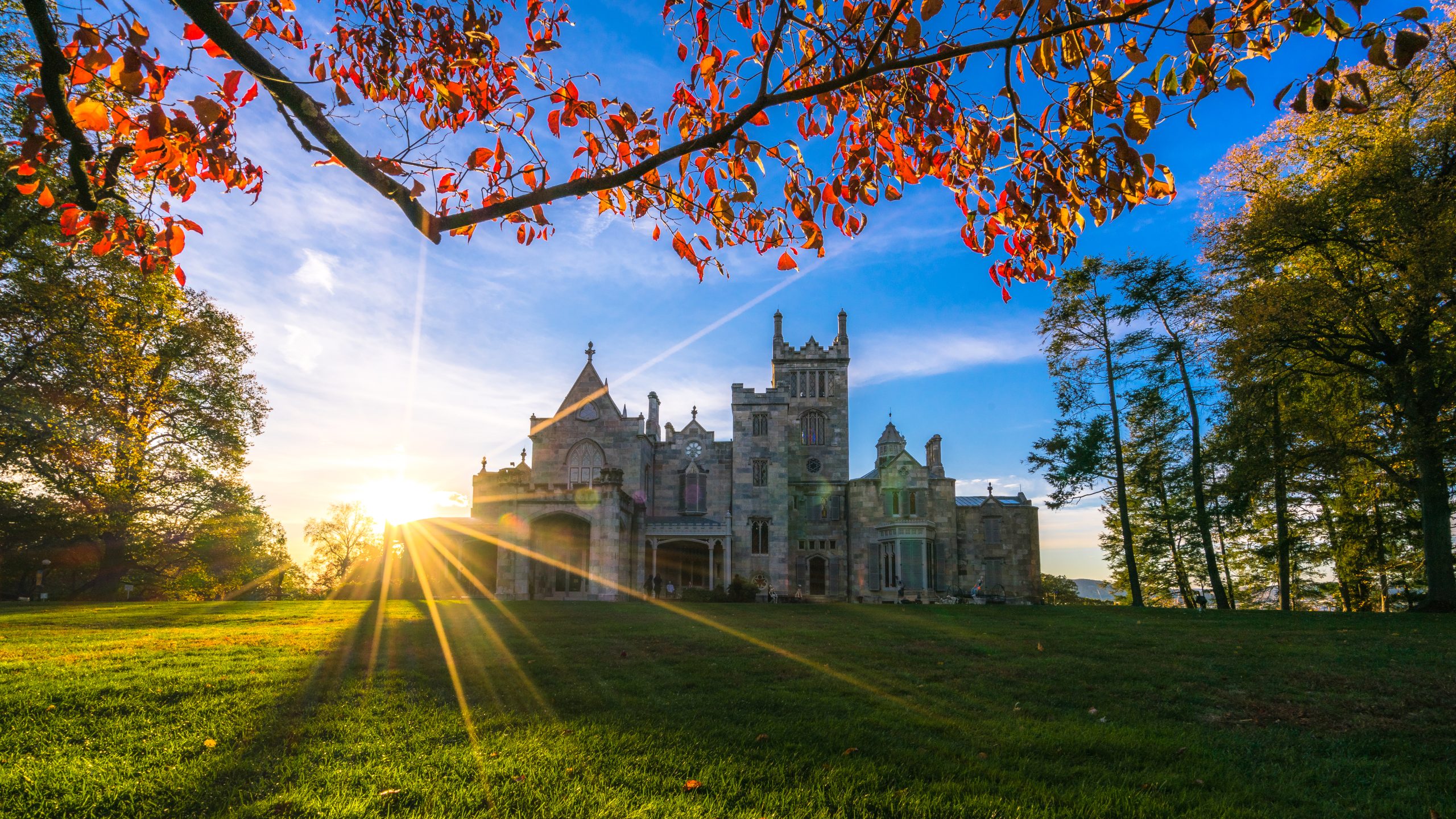
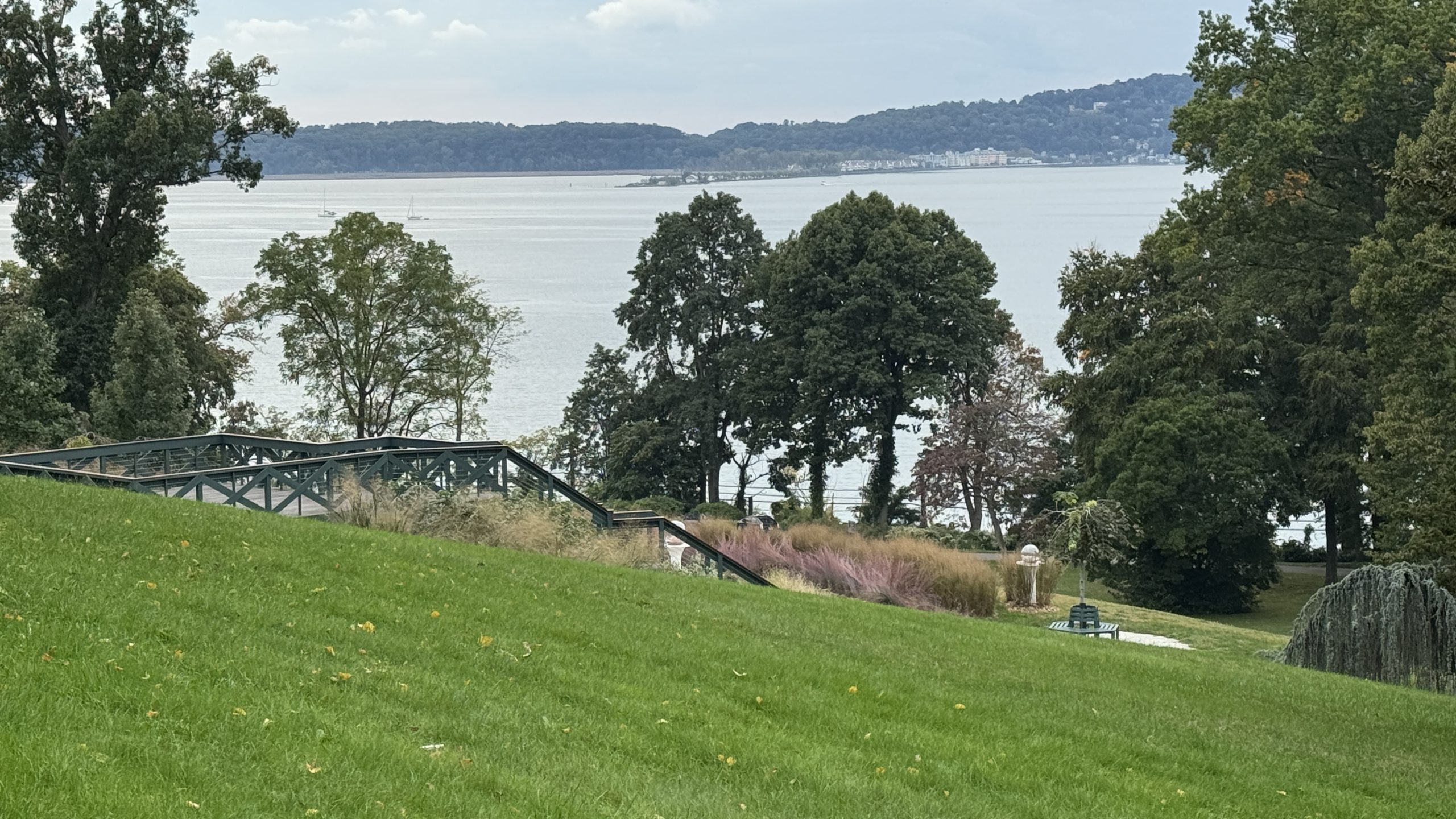
“It’s an encyclopedia American landscape architecture and design,” said Executive Director Howard Zar, about the grounds and buildings of Lyndhurst, one of the Hudson Valley’s most prominent mansions from the gilded age. For the past 13 years, Zar and his team have been carefully and steadily uncovering evidence of design, landscape and architecture, returning the house and the grounds back to important periods in the estate’s history. Zar also is bringing in talented contemporary artists who are creating permanent and seasonal exhibitions that augment the historic experience. The new Paula Hayes Garden, in front of the mansion overlooking the Hudson, is a delightful example mixing pollinator plantings, art, and contemporary design. The house and site are now accessible and enjoyed by over 100,000 people each year with specific programs for school children and families.
Located just outside of New York City in Tarrytown, Lyndhurst feels like the gateway to the grand houses further up north along the Hudson. Designed in 1838 by star-architect and landscape designer Alexander Jackson Davis, Lyndhurst, was considered one of the most beautiful and comfortable houses of its time.
The house was originally commissioned by the New York Mayor, William Paulding who married a wealthy heiress, Maria Rhinelander. George Merritt purchased the house in 1864 and doubled its size, again with A.J. Davis. After the Merritts, the financial and railroad investor, Jay Gould, bought the mansion in 1880 and his daughters, Helen and Anna, managed the estate until Anna gave it to the National Trust for Historic Preservation in 1961.
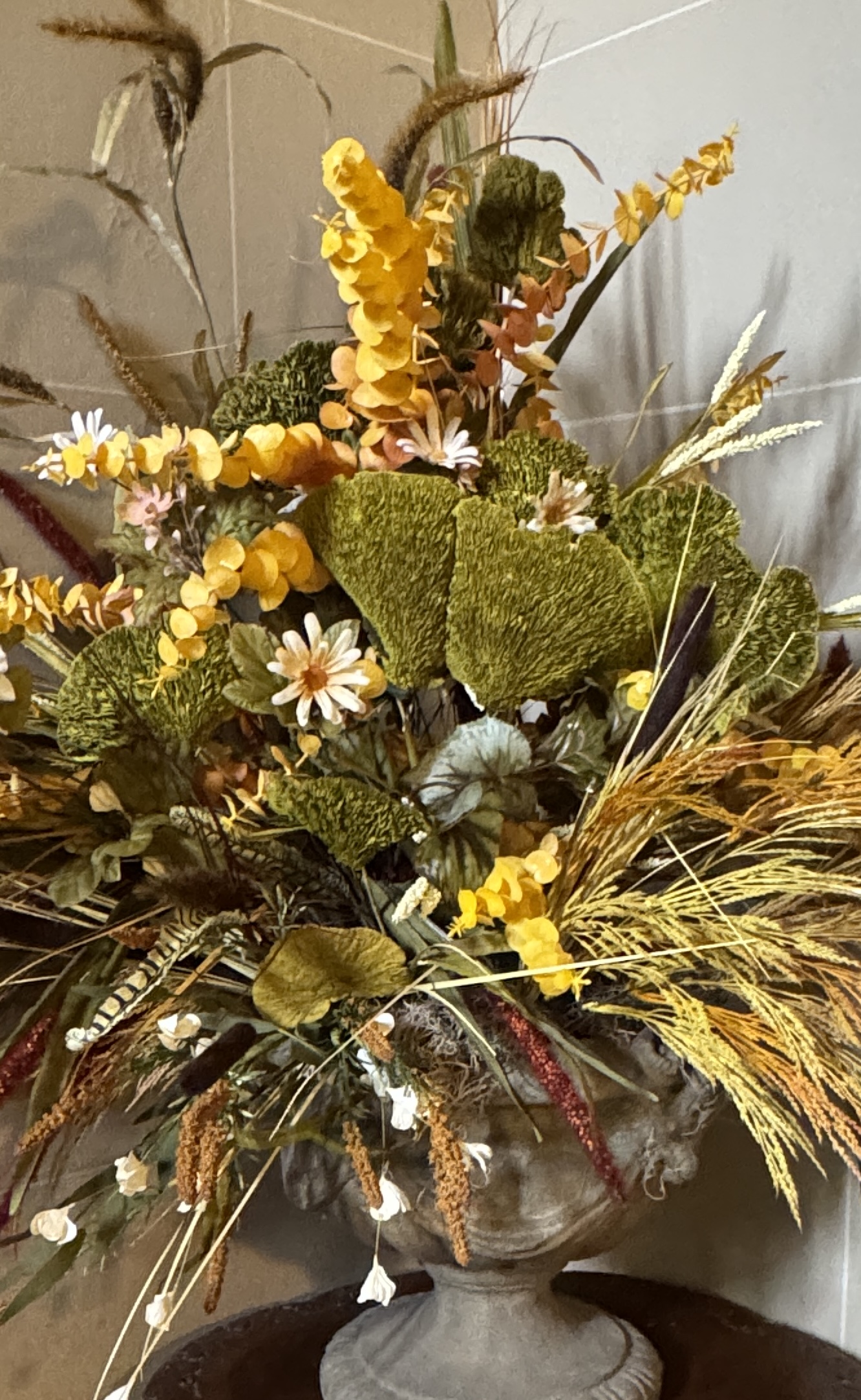
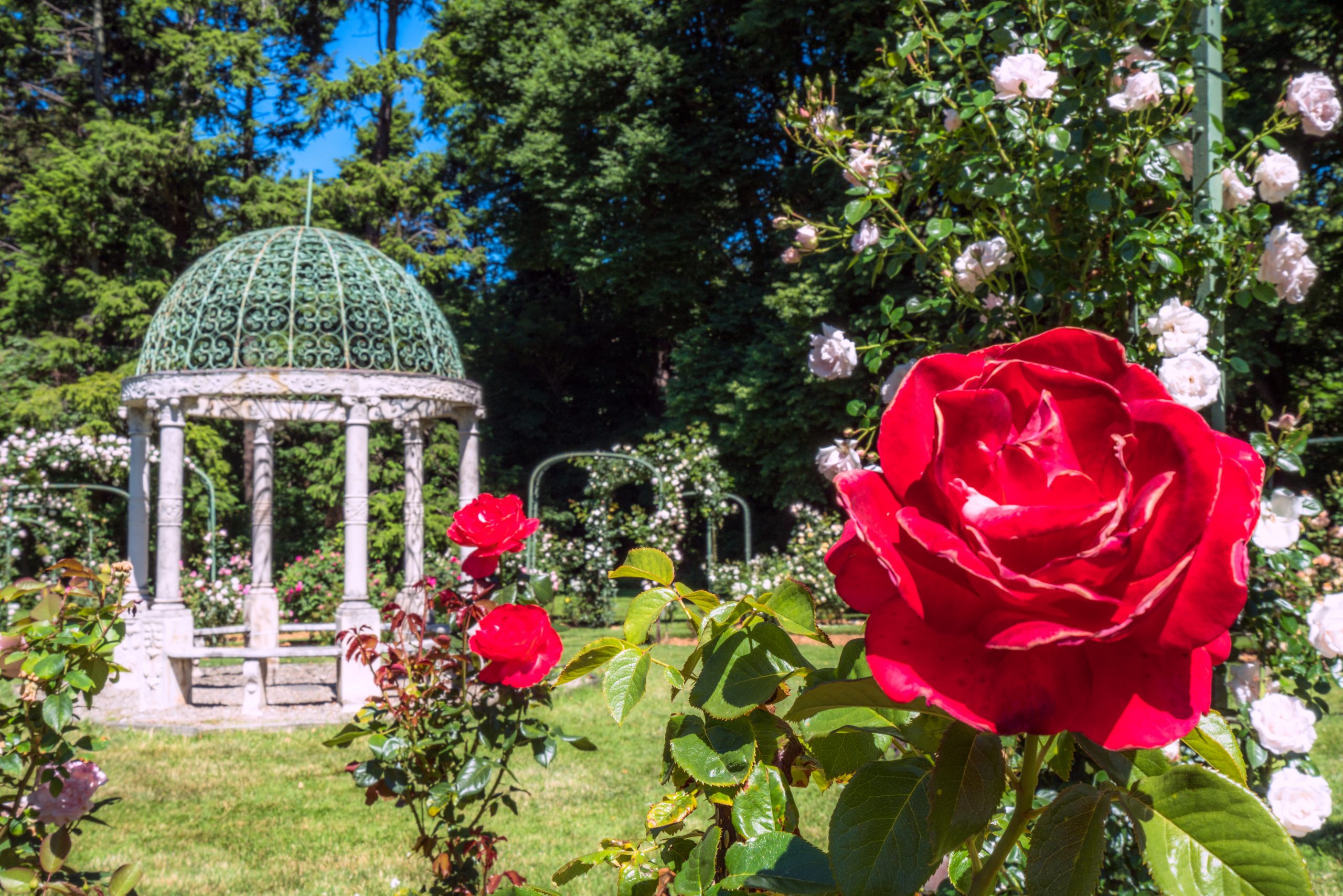
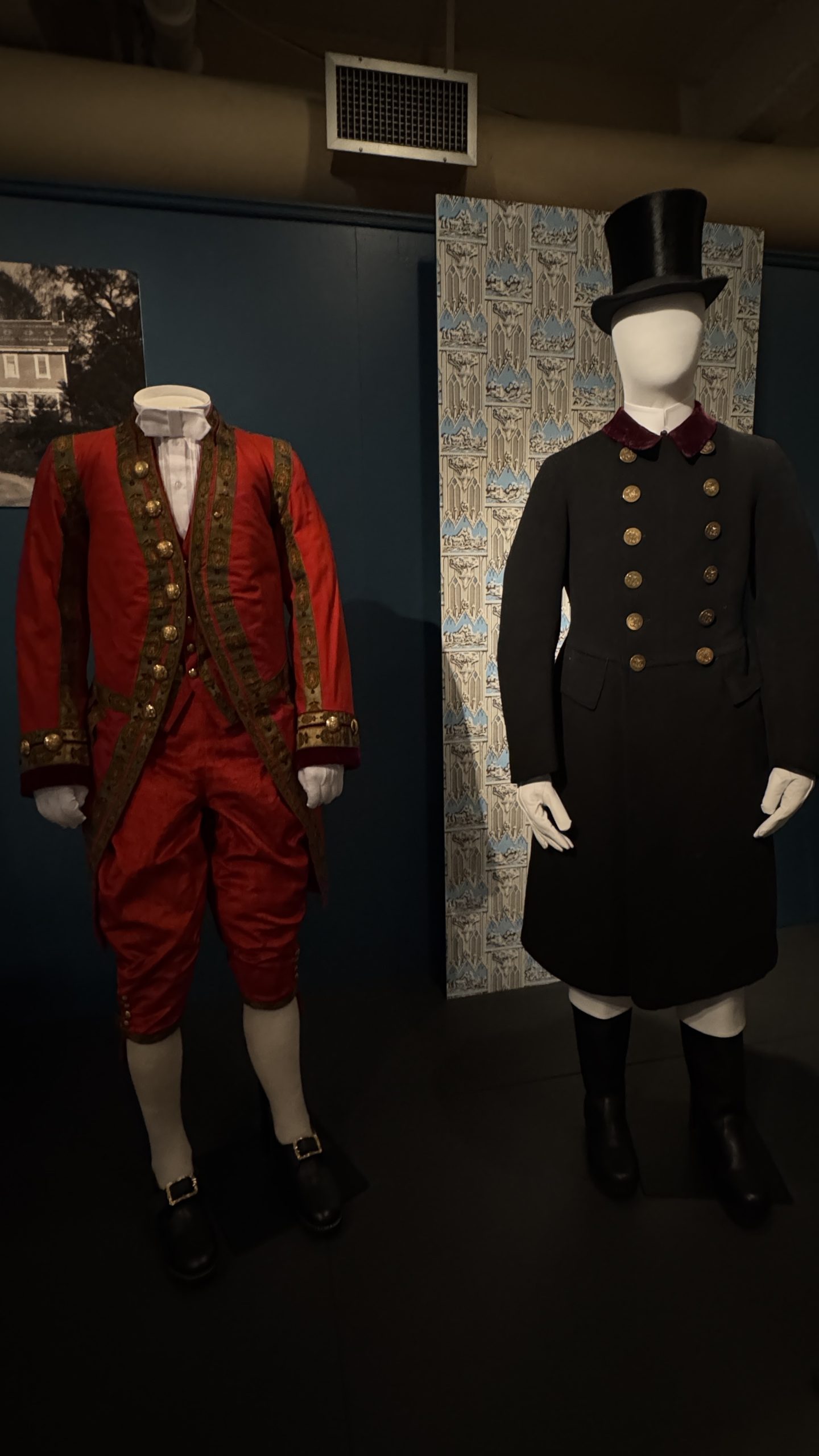
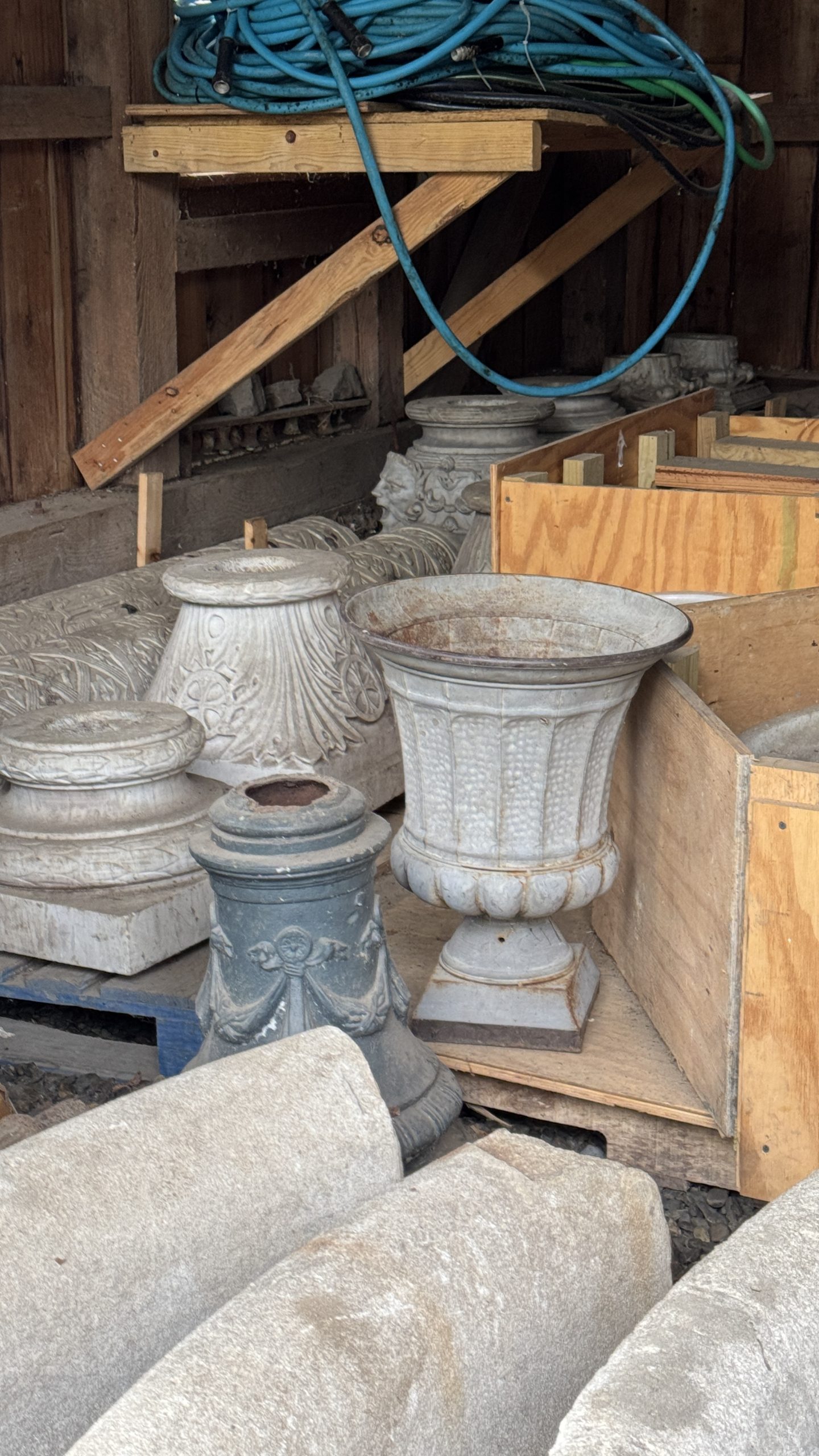
Zar was initially brought in by the National Trust to close the house down as the expansive 64-acre property and estate was badly in need of repair. Zar opted to keep the place open for one year which was successful and then, there was no turning back. Zar was completely engaged, absorbed and had the vision to bring it back to life. “They [the owners] never got rid of anything but rather kept adding to what was before. Nothing was thrown away or destroyed so recreating Lyndhurst is actually like an archaeology project – everything is here from the stone pillars of the rose garden to all of the furniture and dresses worn by the families who inhabited this house — we simply uncover it,” he said.
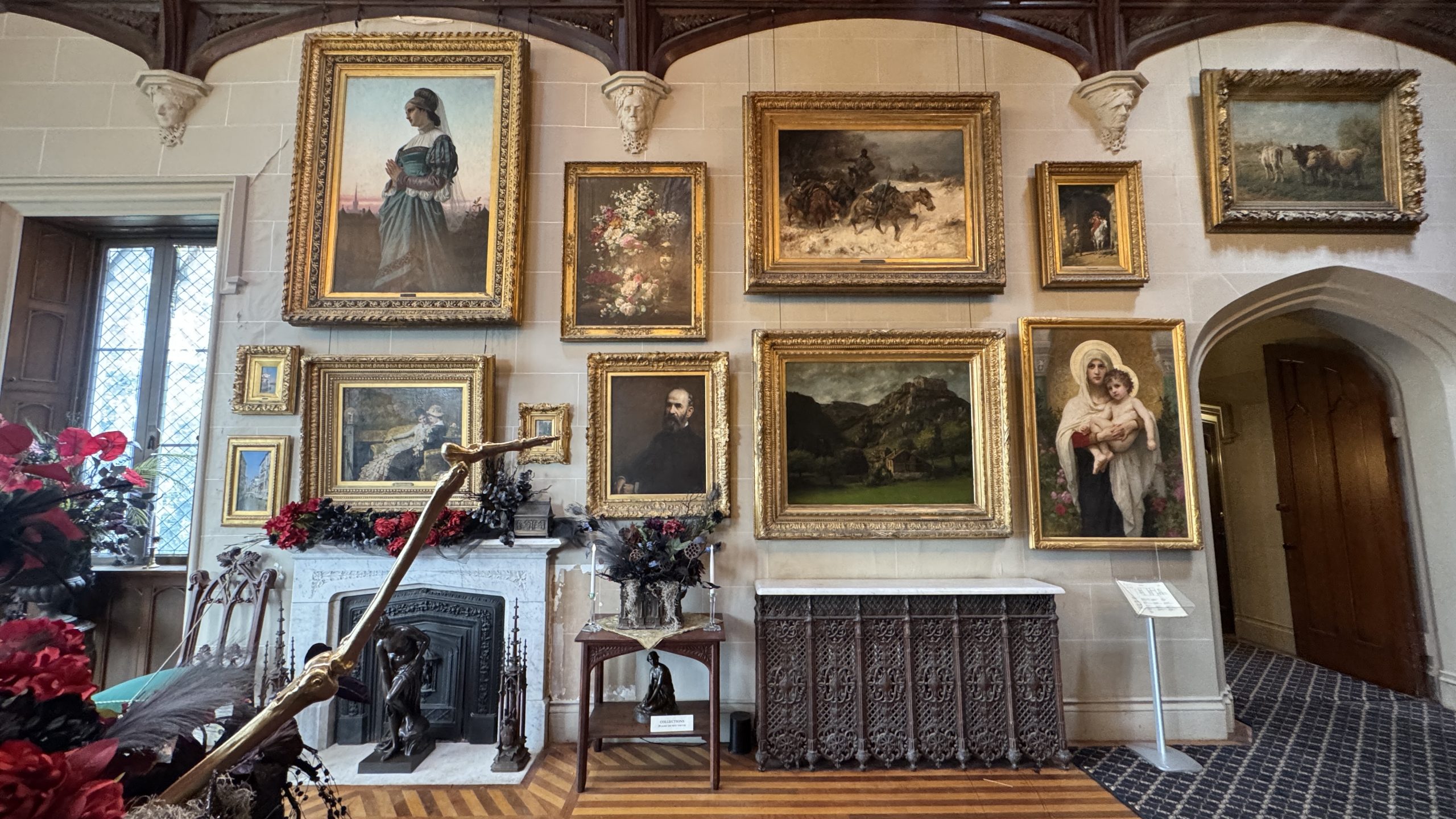
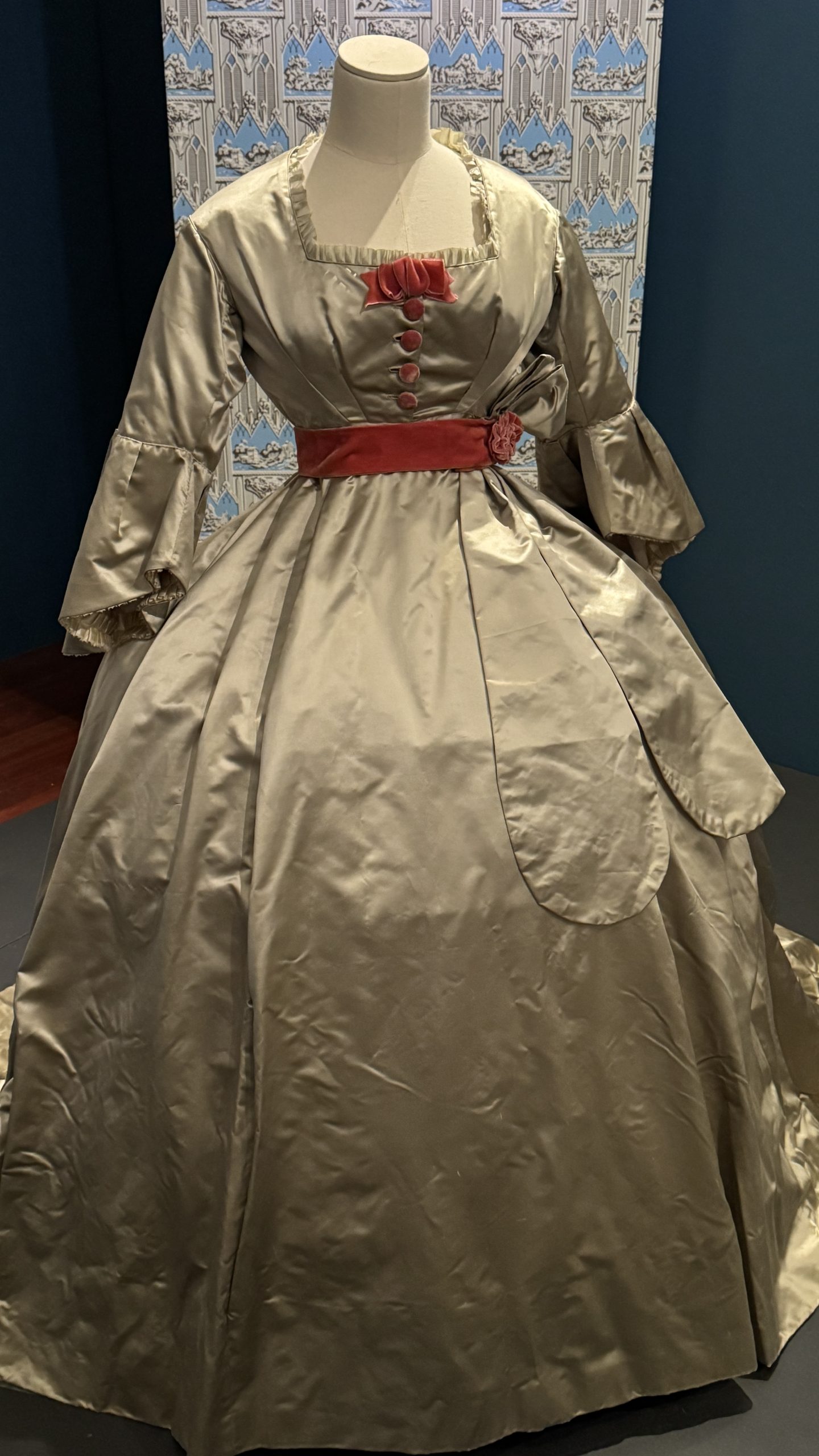
Over the past 13 years, the mansion has been beautifully restored. All of the original furnishings have been uncovered from storage all over the property, reconditioned and refurbished and presented as they originally were according to the extensive photographs and plans that they still have on site. “We have so much photography,” said Zar, “our only question is whether it is 1840 or 1860.” Mr. Gould’s paintings and collections of furniture alone are worth the visit but there is much more.
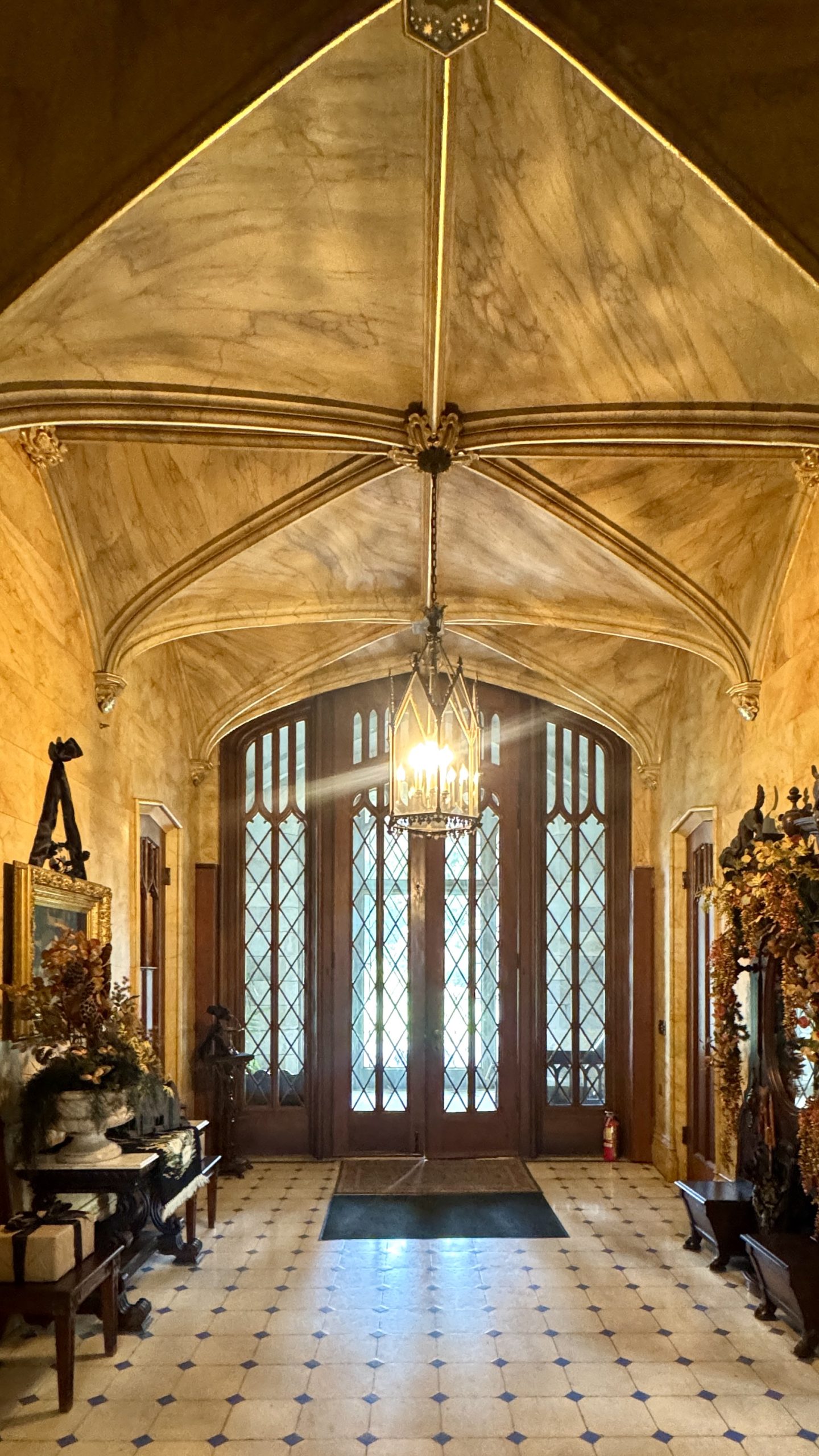
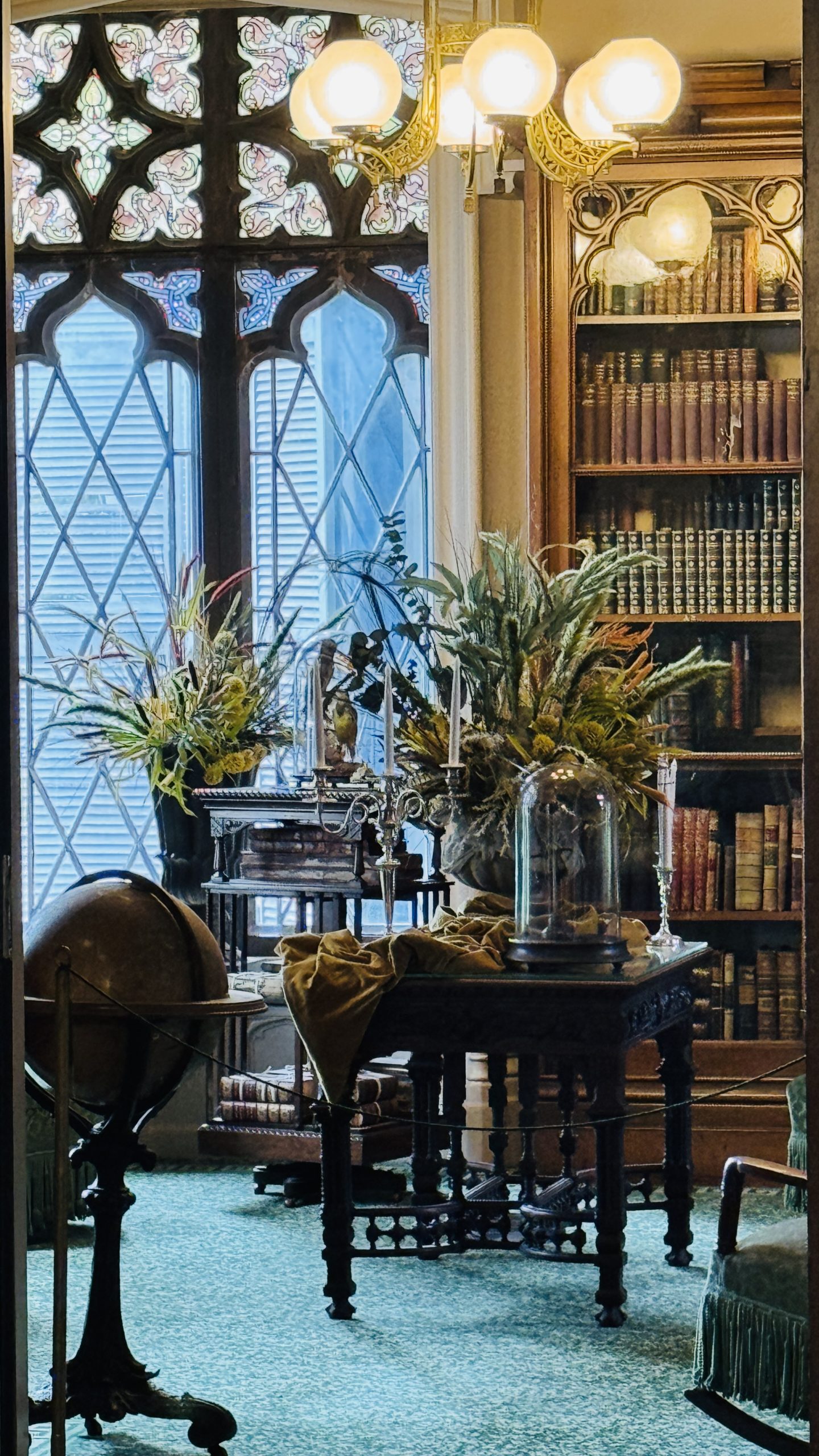
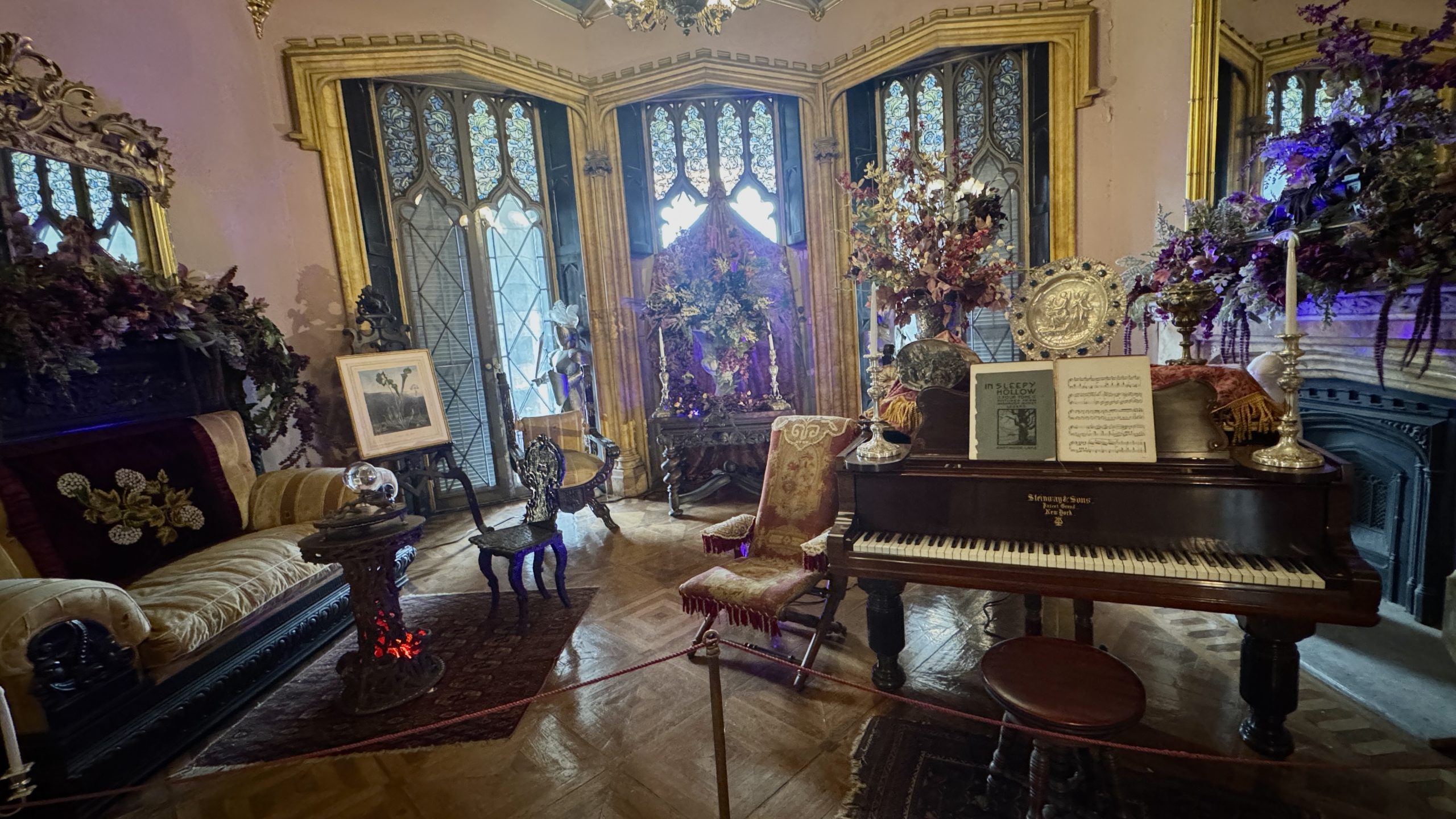
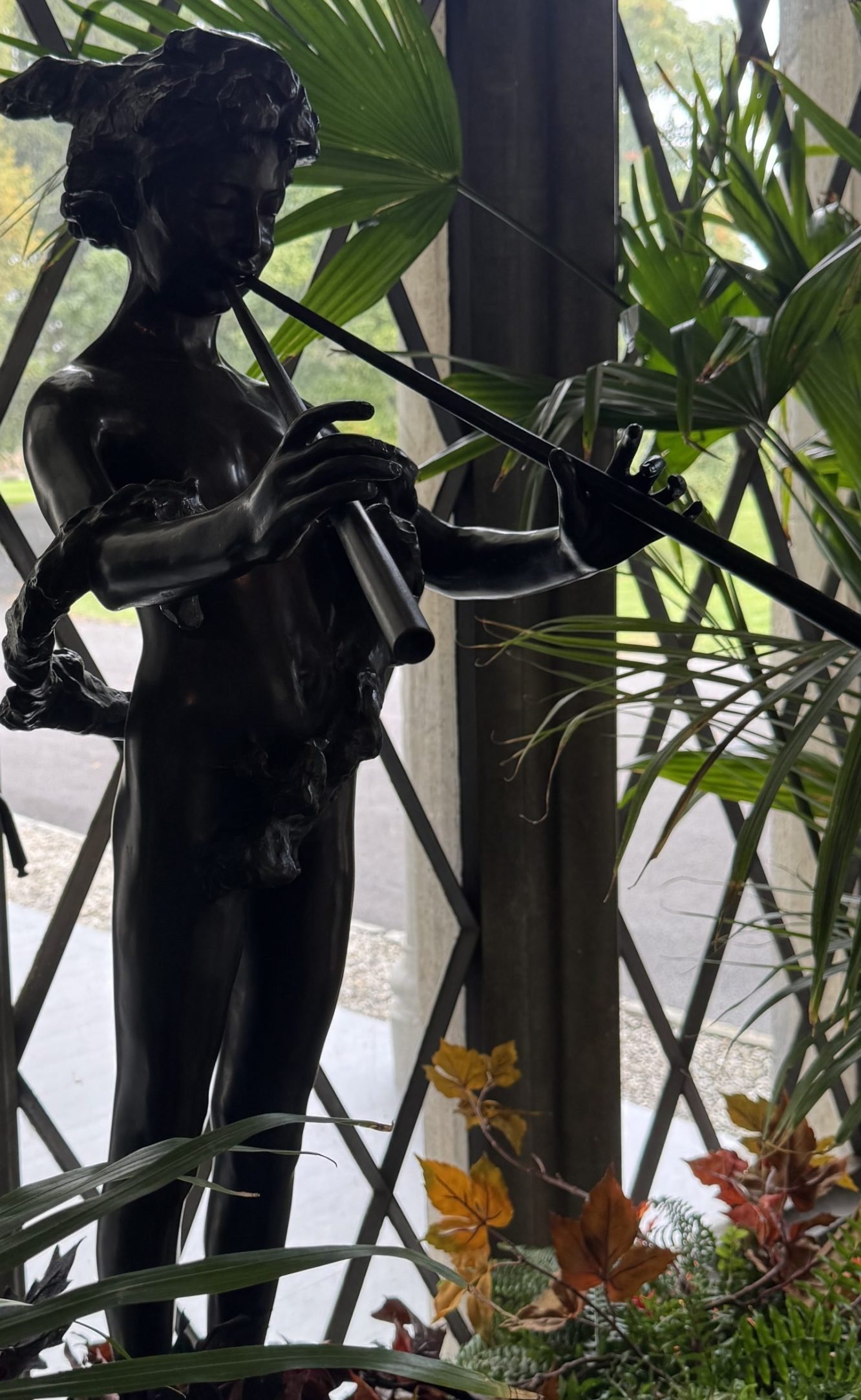
A delicate four foot statue of Pan by American sculptor Frederick William MacMonnies welcomes visitors in the foyer while Herter Bros. seats from two different periods are placed on either side of the door. Once apprenticed to Augustus Saint-Gaudens, MacMonnies and Saint-Gaudens remained in close contact through their lives. Many pieces of the furniture and paintings are museum quality. It is clear that Jay Gould worked closely with the Herter Brothers and to some extent, Louis C. Tiffany & Co., as beautiful examples of their work are present throughout the house. Spectacular arrangements of dried flowers are also strategically placed in all of the rooms and seem to fuse the present with the past.
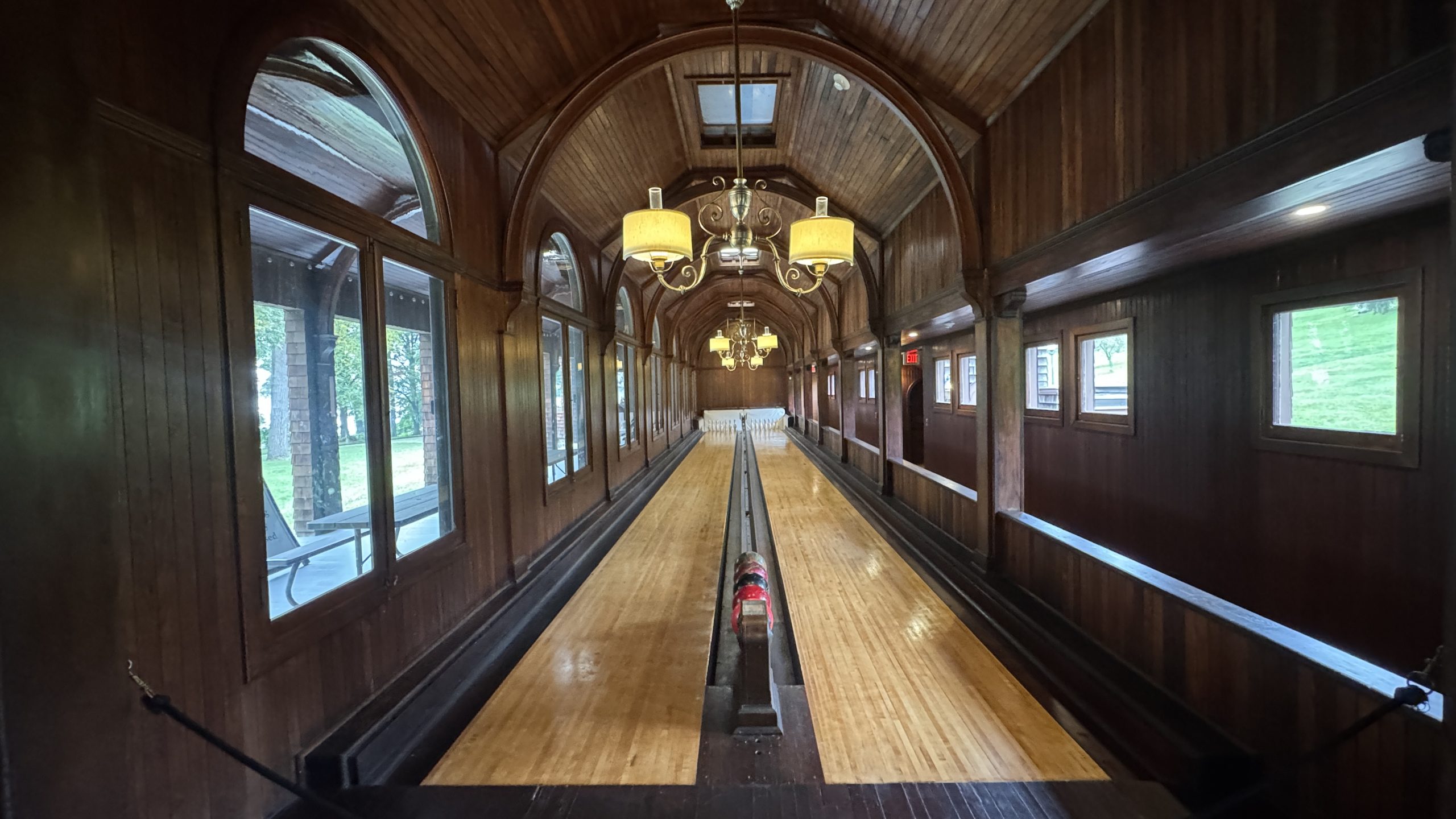
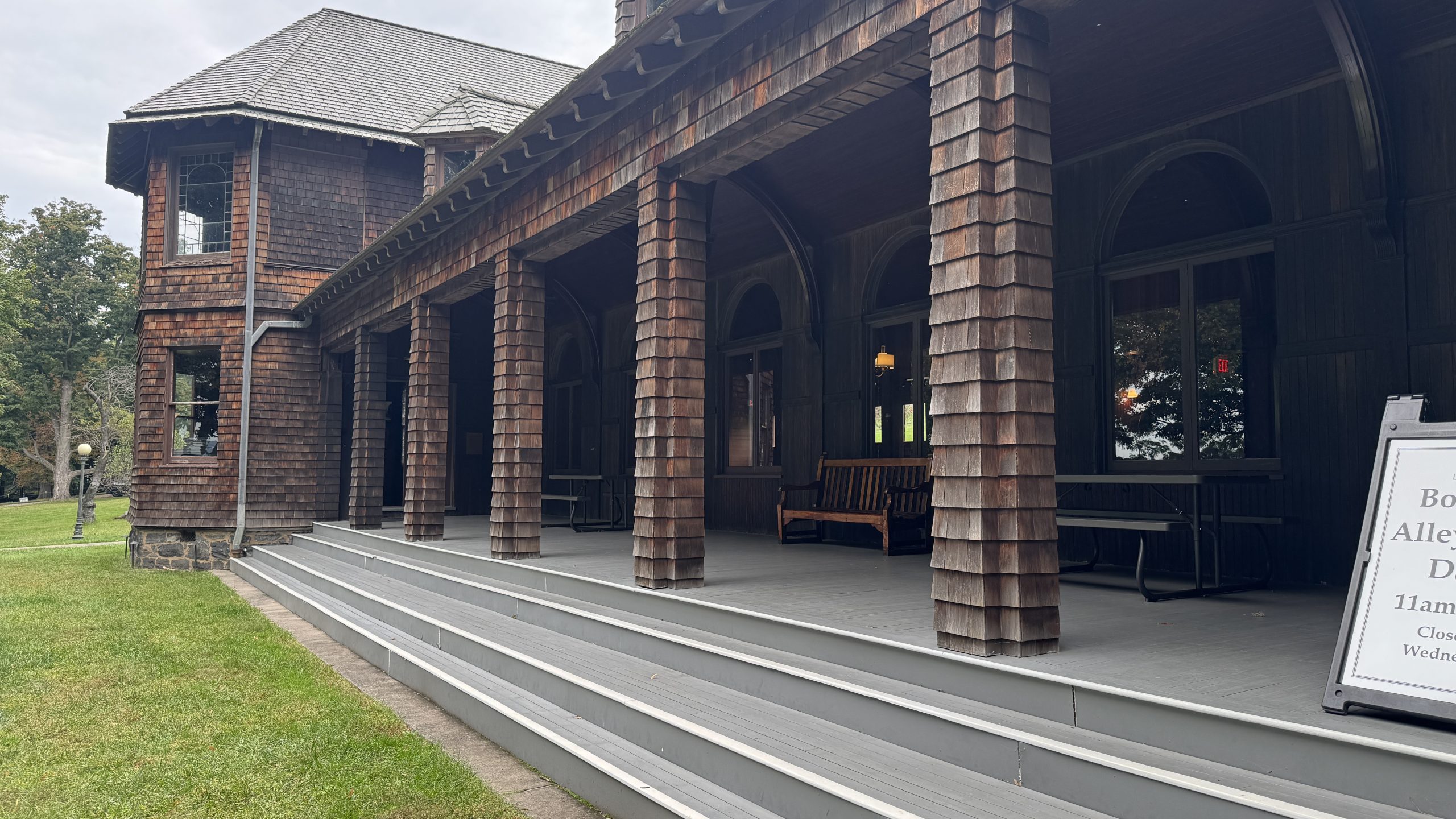
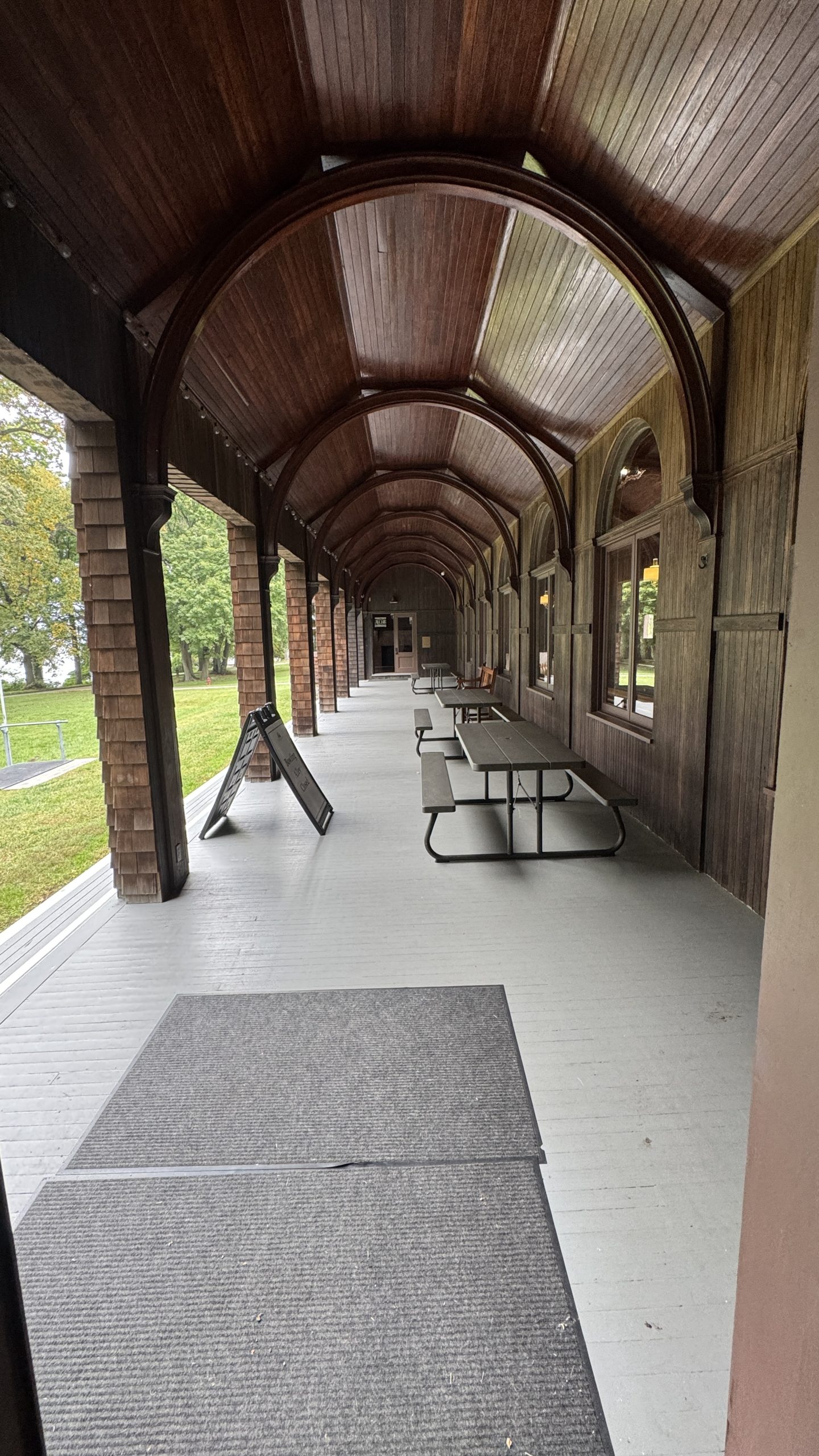
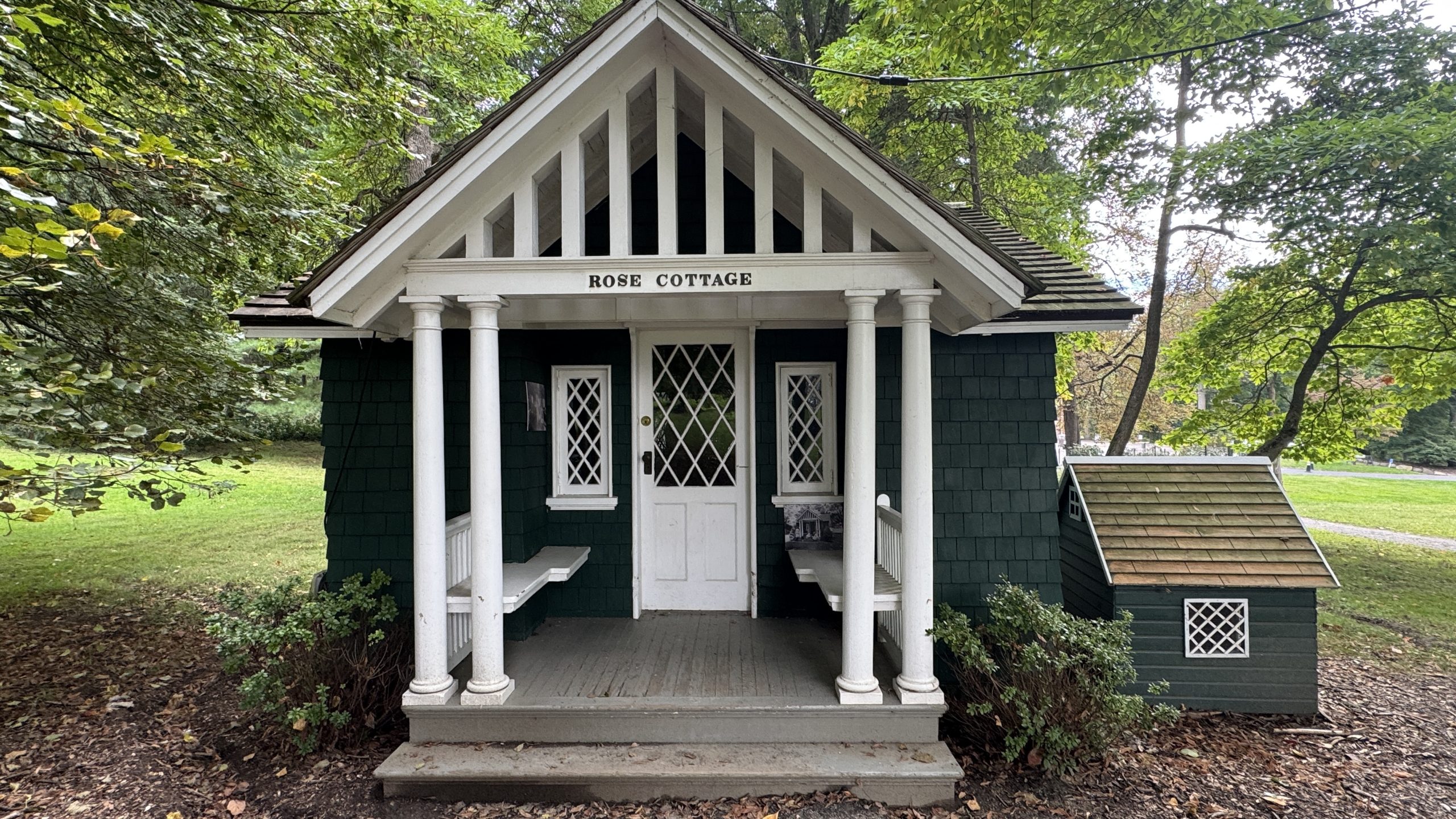
Outbuildings placed strategically throughout the property include an exquisitely restored bowling alley, a children’s tea house and a pool and pool house currently under restoration. Despite the luxury and extraordinary wealth that built the estate, Lyndhurst feels almost down to earth which may be a testament to its former owners especially Helen Gould, who was an active and generous philanthropist. She was an avid sportswoman and had the bowling alley created as the sport could be played equally by men and women. The bowling building was also home to her sewing school which provided local girls the opportunity to learn a trade, providing a modicum of economic independence. She also arranged for young women to learn to swim in their pool, prompted by a terrible accident when a boat capsized and many women drowned. Examples and stories infuse each building with history and meaning beyond the beautiful architecture.
Roses, Rocks, Glass Houses and Contemporary Additions
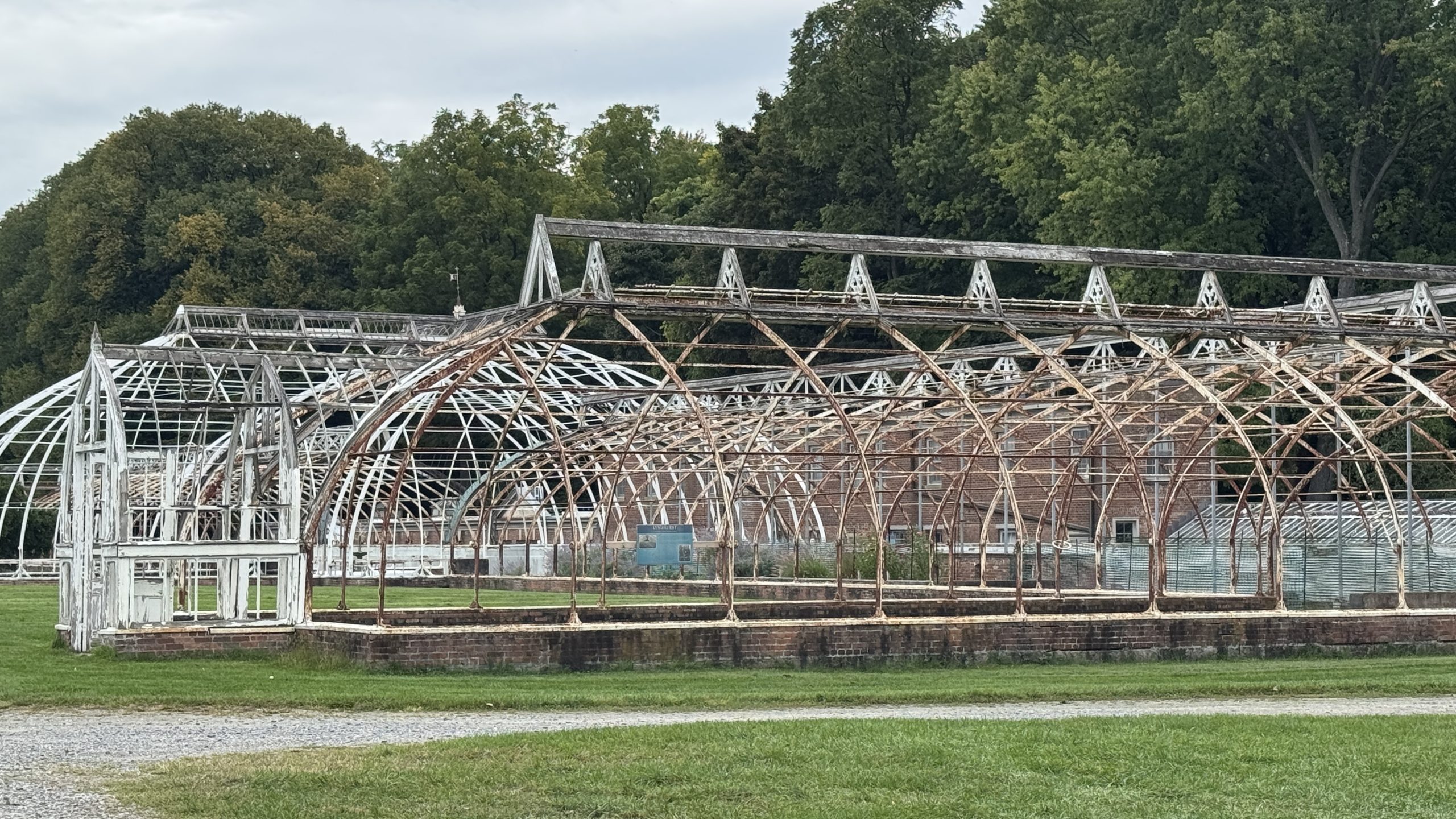
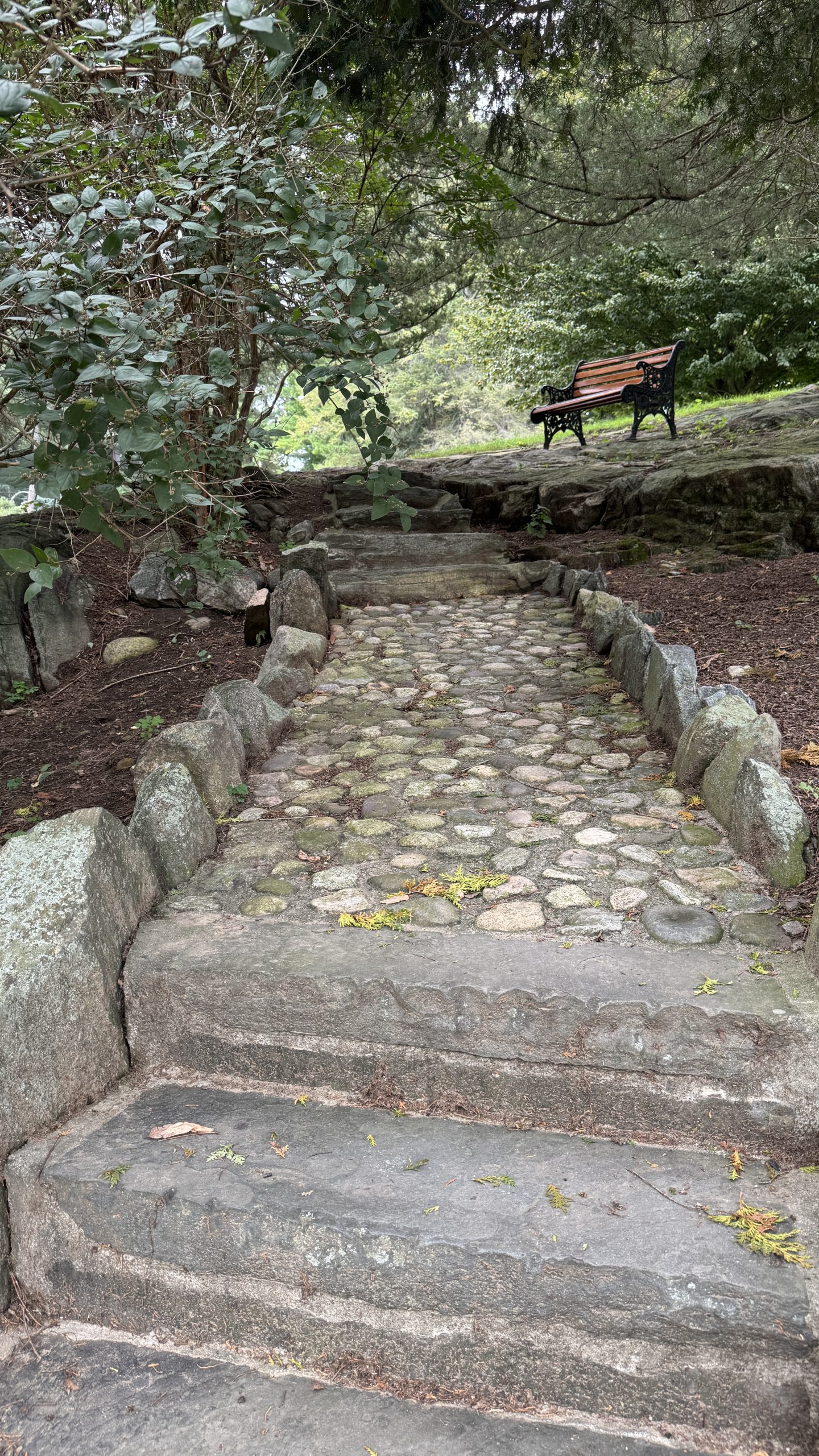
The gardens of Lyndhurst are historic and expansive and are slowly being brought back to life by the staff at Lyndhurst with the help of volunteers. Following carefully maintained maps of the property, the gardens are being restored to their original designs either from the 1840s or 1860s. The rock gardens in several places are considered highly special as Tarrytown was once known as the capital of rock gardens. Today, the Hudson Valley Chapter of the North American Rock Garden Society is active in building and maintaining the gardens. There are also plans to restore an extensive glass propagation building along with a part of the enormous green house. After the original greenhouse was destroyed by a fire, Jay Gould relocated the greenhouse’s original fabricators, Lord & Burnham, from Syracuse, NY to nearby Irvington so they could supervise a reconstruction. Gould’s greenhouse contained over 40,000 plants and was noted for its collection of tropical palms and more than 6,000 orchid specimens. All that remains today is the original Civil War-era foundation, the Lord & Burnham metal frame, and a Fiske fountain in the original palm court.
Paula Hayes Garden
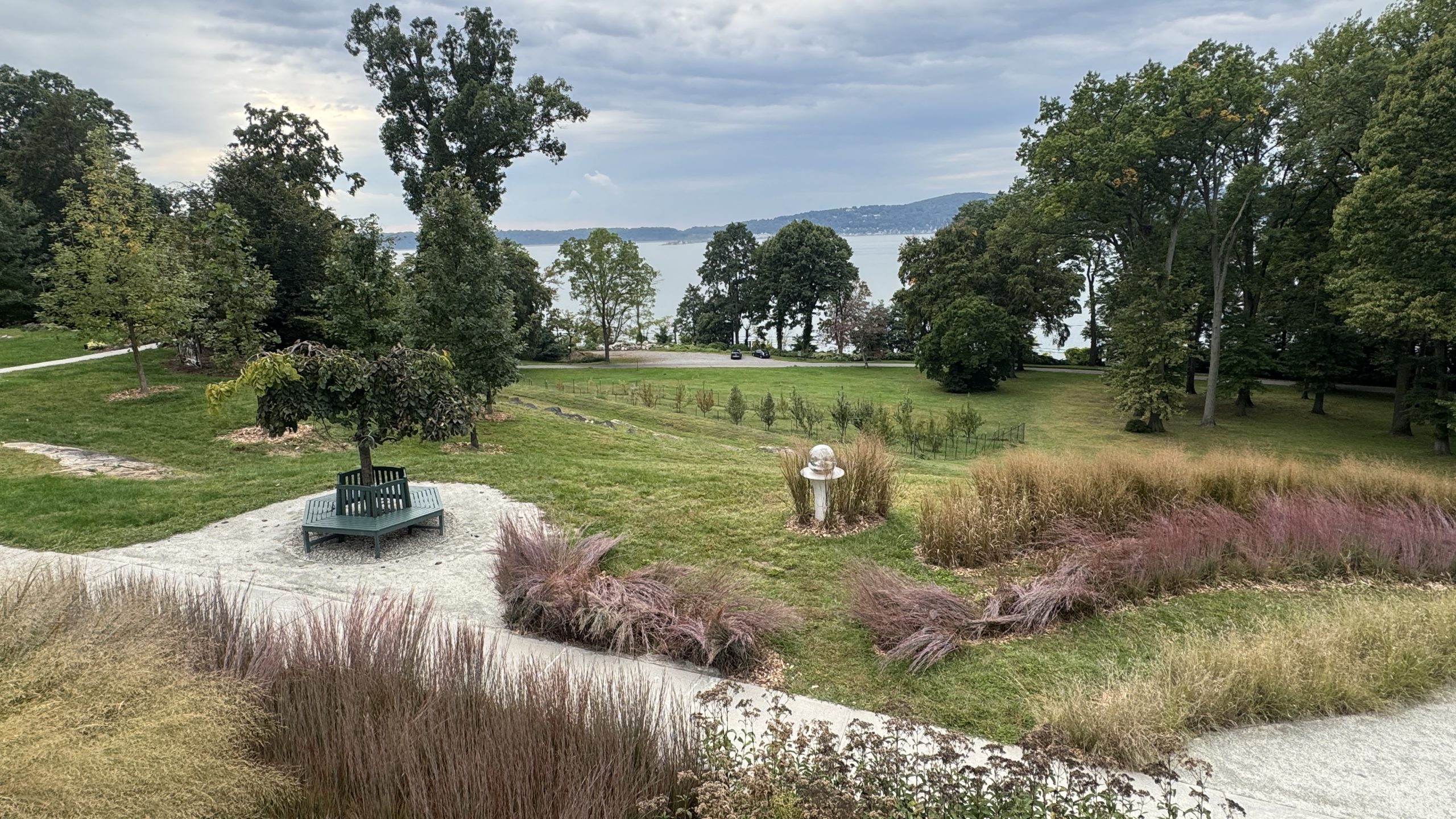
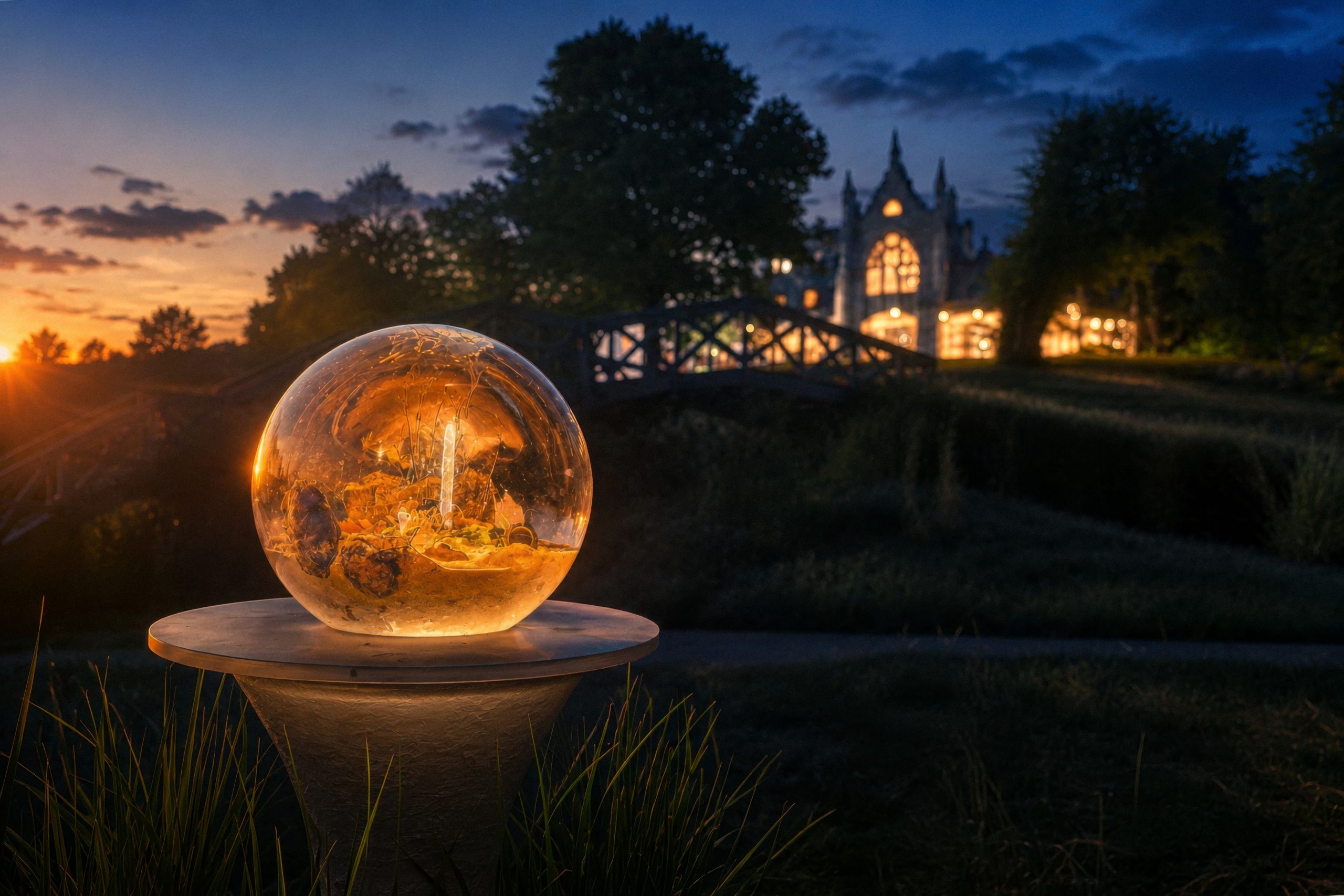
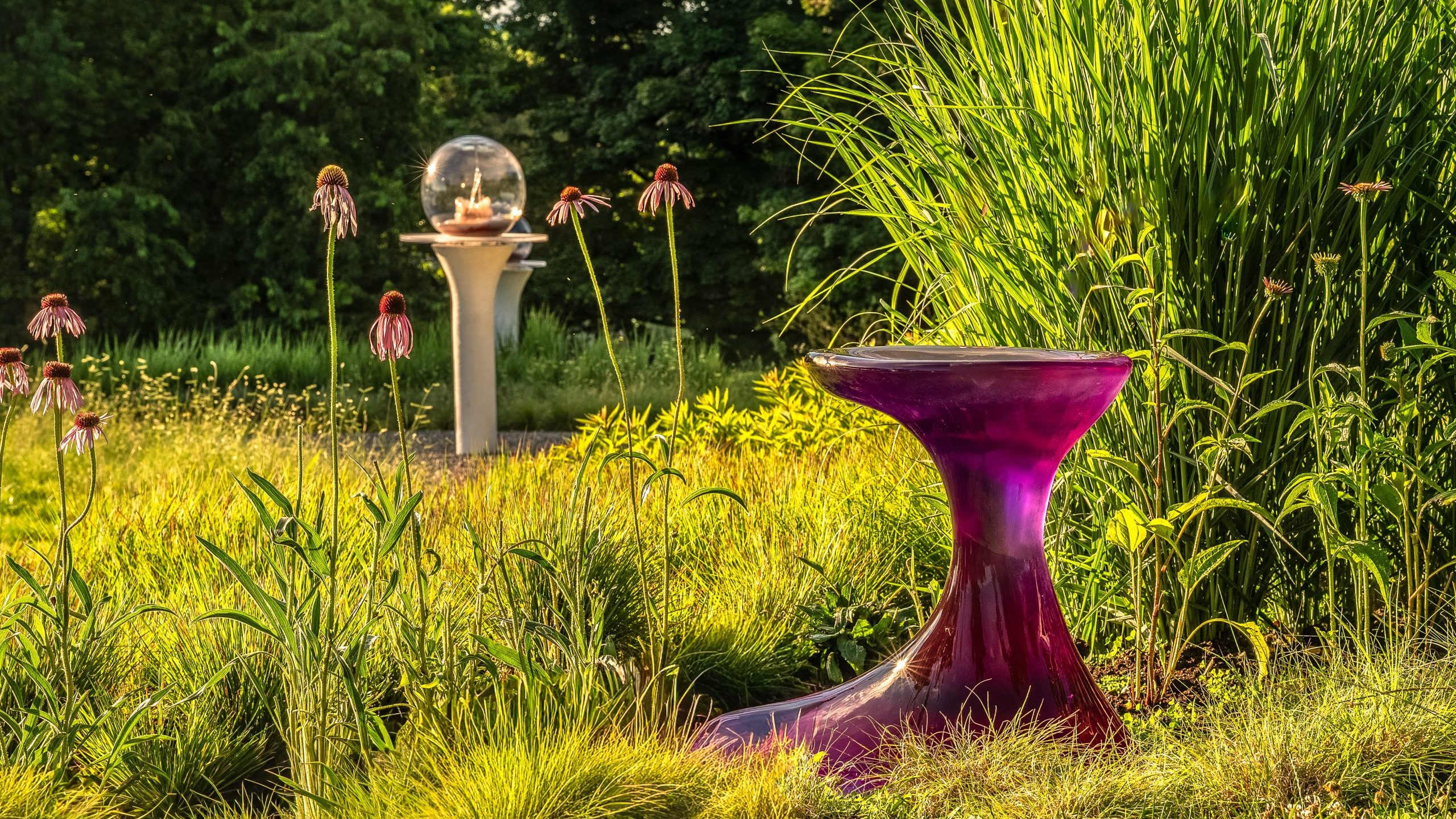
The new Paula Hayes Garden is a stunning contribution to the Lyndhurst landscape. Lyndhurst selected Hudson Valley sculptor and land artist Paula Hayes, whose work has been exhibited at the Museum of Modern Art sculpture garden, to design this new garden. The new permanent public land artwork is a native garden surrounding Lyndhurst’s recently restored Hudson River Overlook. The installation provides a place for pollinators and birds while serving as a “gallery space” for approximately five of the artists’ original artworks which reinterpret Victorian garden sculpture for a modern audience.
The Community and Events
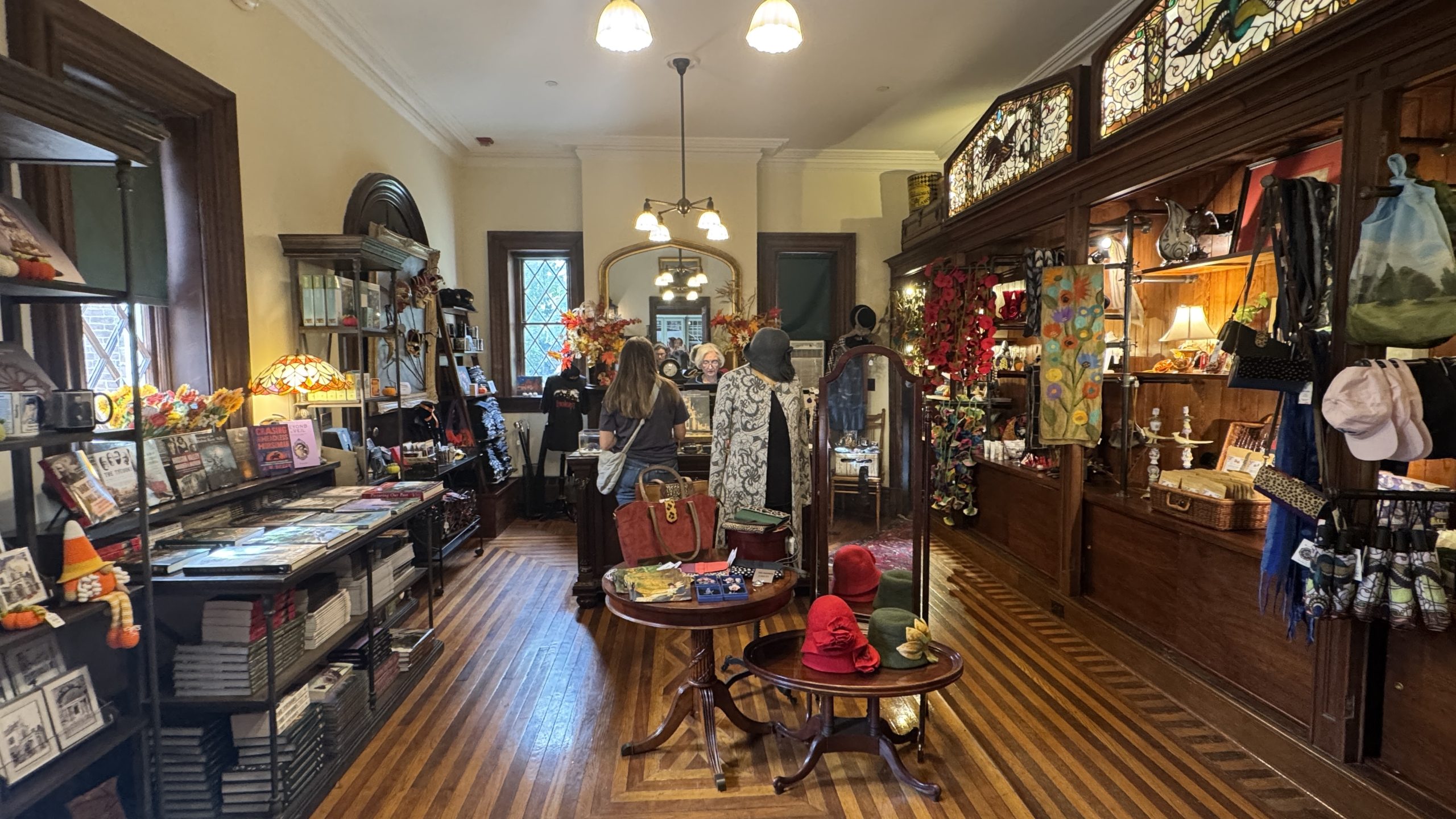
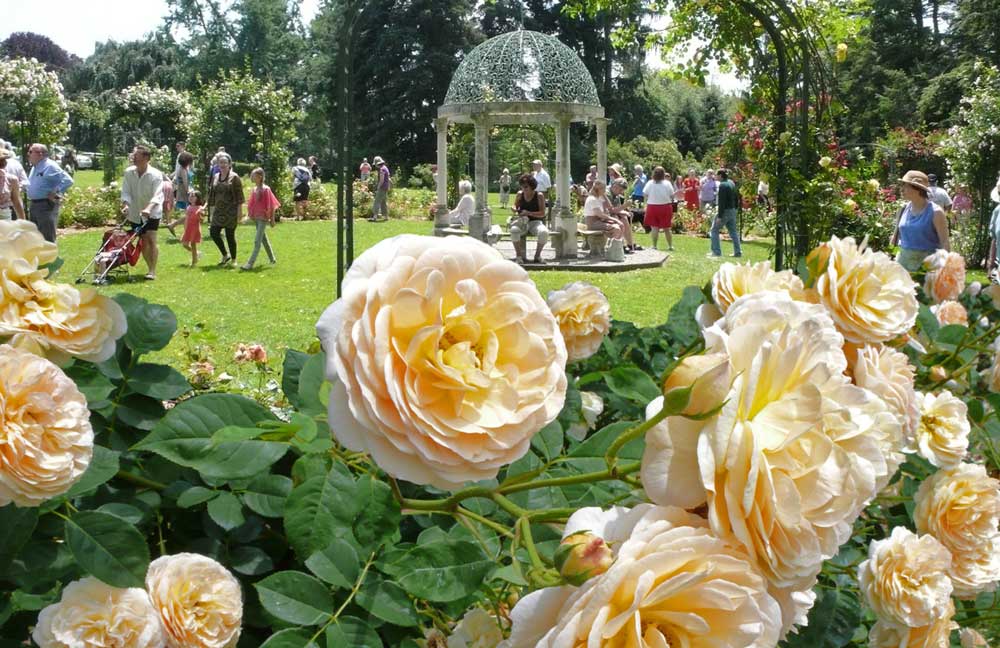
Located at the cross roads of the Westchester River Walk and the Croton Aqueduct which is a natural running route, the 26 acre property is always open to runners, walkers, picnicers. Tour groups, couples, individuals, families roam the grounds regularly. A robust schedule of programs, a marvelous gift shop and rotating exhibits add to the experience of Lyndhurst.
Seasonal events provide entertainment and education for visitors. For example, in the spring, the “Flower House” is a continuation of the popular annual Flower Show, when floral designers transform Lyndhurst with over-the-top botanical displays that highlight and harmonize with Lyndhurst’s opulent interiors and picturesque landscape. In October, the Rolls Royce Concours and classic car showcase is an annual event. The Irvington Shakespeare Company will present Edgar Allan Poe’s The Masque of the Red Death with drama taking place in each of the historic rooms. The list goes on including a Gothic market weekend, Halloween events and more theater in the winter. Lyndhurst makes an outsized effort to include local talent and businesses that also draws in the community.
The volunteer program is robust. There are 15 full-time staffers and up to 75 seasonal and part-time workers and volunteers. Neighboring garden clubs and historical organizations have been vital helping to maintain, restore and preserve the rose garden in particular. Lyndhurst welcomes volunteers especially for tending the landscape and maintaining the gardens. First Thursdays are regular volunteer days and there are other opportunities for community and school groups, scout organizations, and corporate teams to create their own activities.
Zar said volunteers are so important to Lyndhurst and its place in the community, “We believe that Lyndhurst’s landscape is one of our best assets for connecting with our community. Our 67-acre landscape is so unique and varied that we want garden enthusiasts to view it as a place that can be their own, in the same way that the families who lived here used the grounds. In particular, we have been reaching out to garden clubs, not just in our own community, but in our region. As these organizations have changed, we view Lyndhurst as a natural place for garden clubs and their members to connect with each other over shared interests while experiencing the diversity of the contemporary garden club. Our hope is that gardeners and landscape enthusiasts from the tri-state area will convene here and view it as their home.”
Lyndhurst is an extraordinary combination of historic architecture, interior and landscape design infused with contemporary exhibits and installations. Rather than feeling staid or old, the restorations at Lyndhurst are alive and inviting as the team mixes in the contemporary with the historic. Lyndhurst is a special place that honors its historic design and landscape and has contemporary relevance for artists and designers but also for everyone in the community.
Lyndhurst is open everyday except Wednesdays. Please see the website for hours and events: www.Lyndhurst.org Nearby, you can visit Sleepy Hollow and the Octagon House which Side of Culture has also written about. Delicious eateries can be found nearby along Route 9.
By Victoria Larson, publisher of SideofCulture