
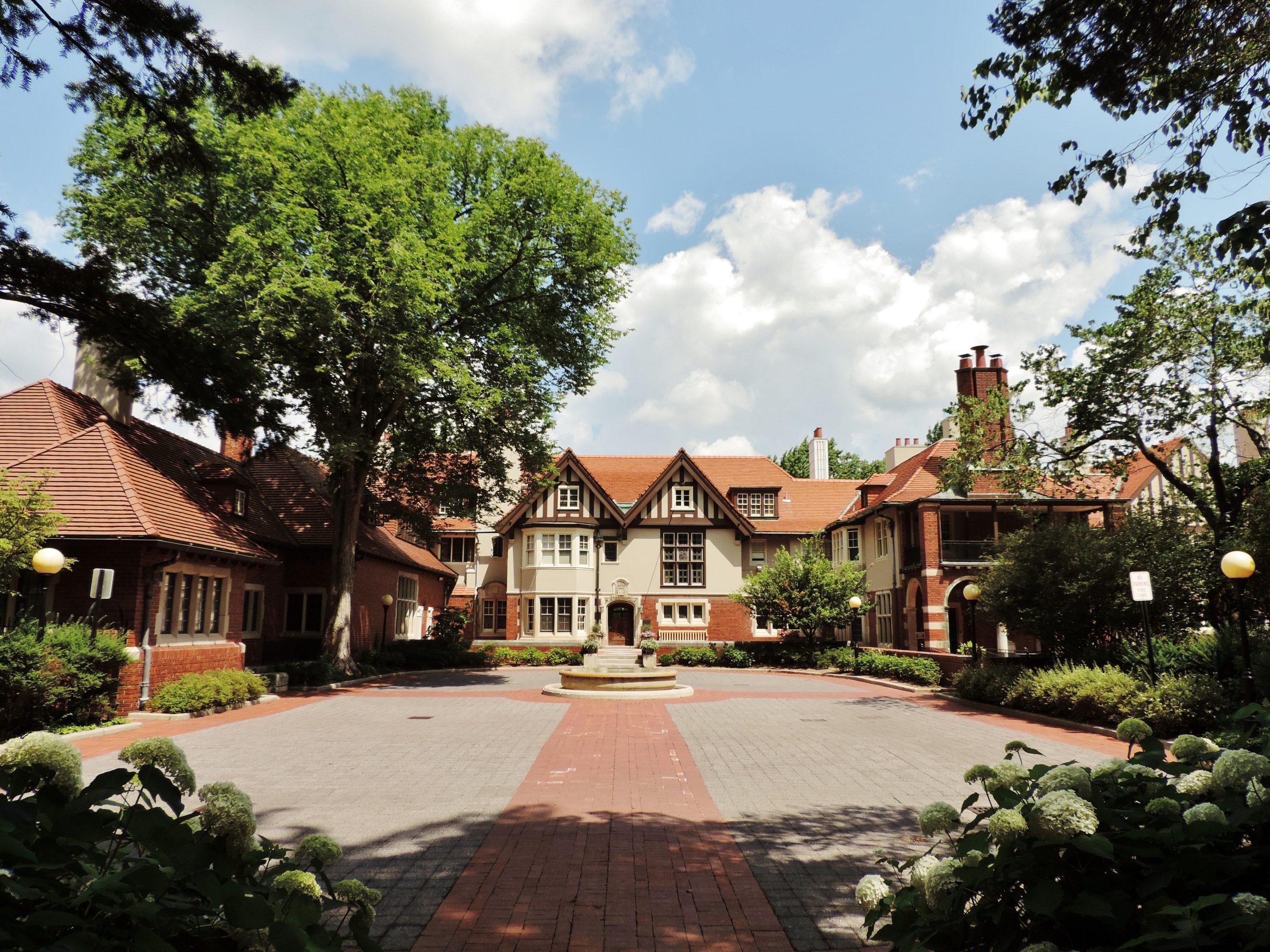
When you think of the Detroit area, what first comes to mind? Industrialization, factories, and assembly lines? Just a few miles north of the city, that image shifts dramatically. There you’ll find Cranbrook Academy of Art. Not only a historic and stately home, but also an entire campus where education and art are honored and practiced today as they were when it was founded over 100 years ago.
Cranbrook is one of those names that reappears in the background of American cultural history, especially when the subject is art, design, and making things by hand. It is one of the most important centers of the Arts and Crafts movement in the United States and later, of modern design. The impressive thing is that it manages to be all of that without feeling like a shrine sealed off from everyday life.
In the beginning
Cranbrook began with George Booth and Ellen Scripps Booth. George was born in Canada and eventually married Ellen Scripps, daughter of James Scripps, the Detroit newspaper publisher. George joined the family newspaper business and proved to be very good with money. So good that he turned his success and private fortune into a legacy.
In 1904, the Booths bought land in what was then the countryside outside Detroit. At that time, Cranbrook was their retreat from the city. The estate grew to roughly 320 acres and included schools, an art academy, an art museum, a science institute, gardens, and the family residence.
George Booth was deeply influenced by the Arts and Crafts movement that began in Britain in the late 1800s. This basic idea is that crafted, handmade things matter. Materials used mattered. The person making the piece mattered. Especially near Detroit, this concept was contradictory, as it argued for the value of the human hand.
Cranbrook House
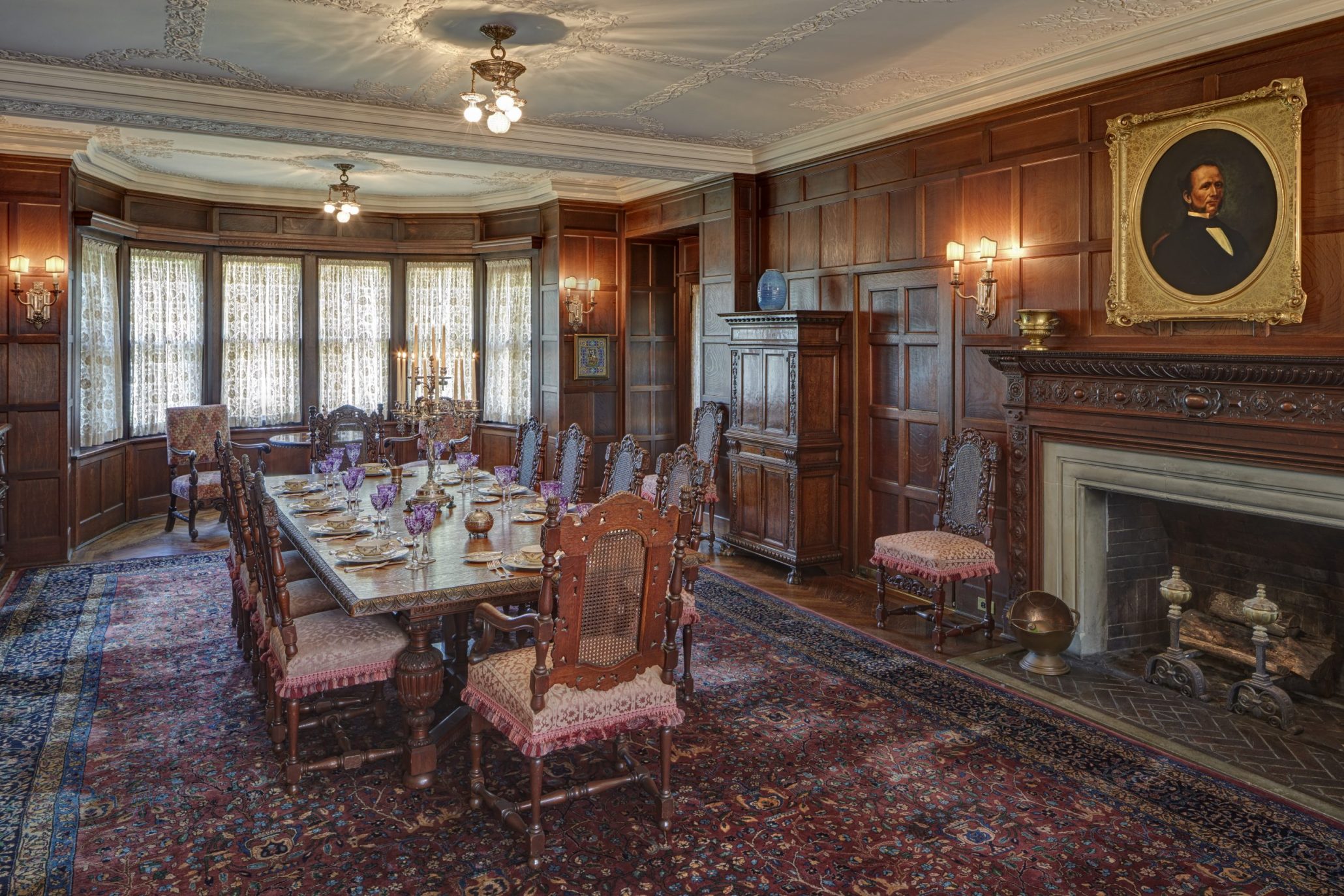
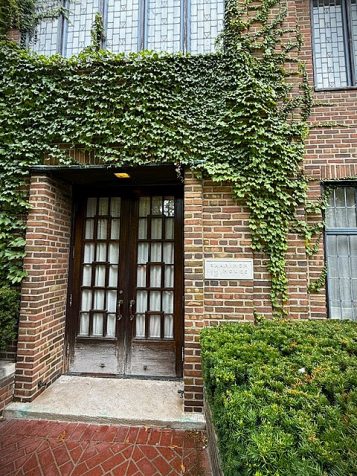
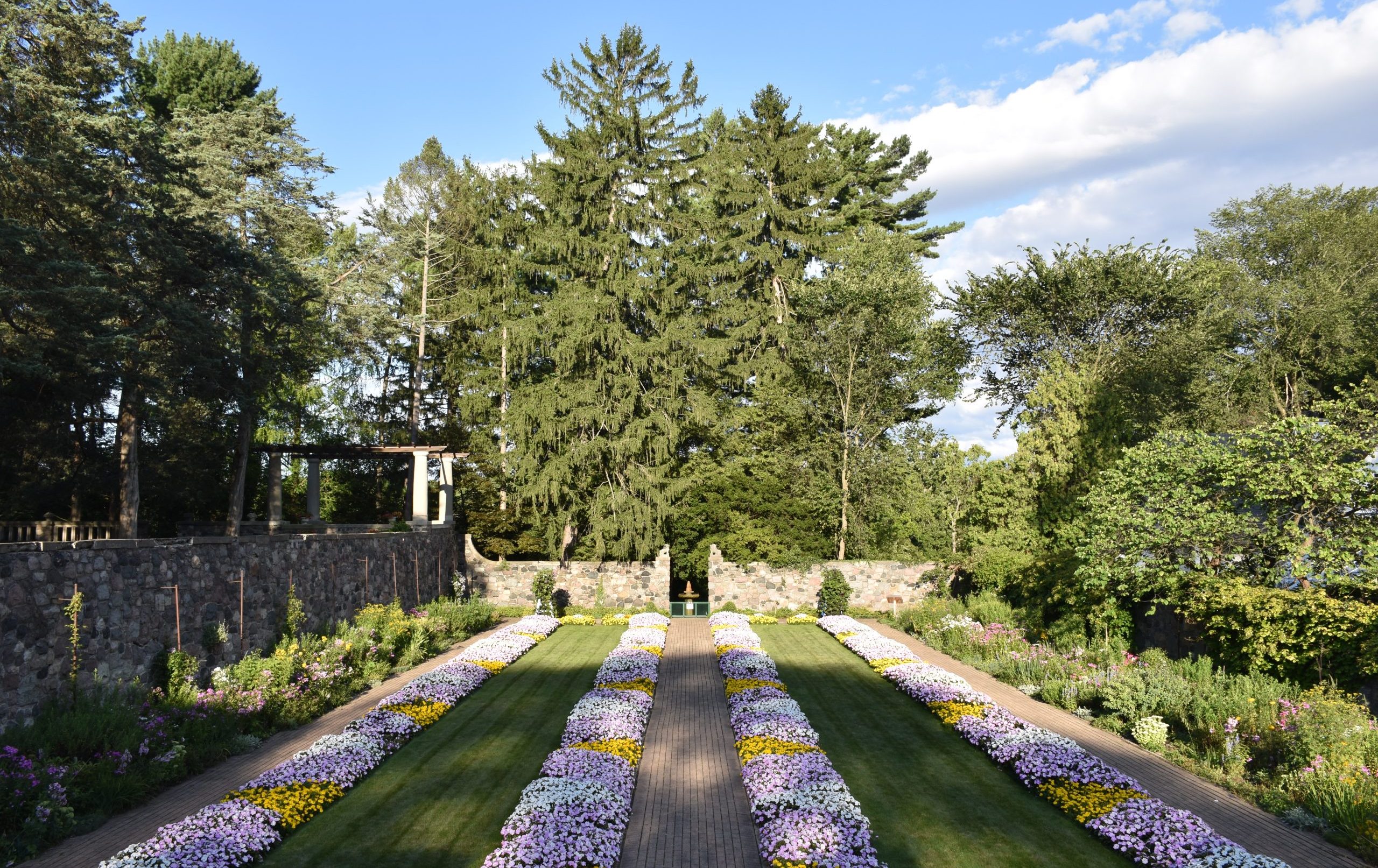
Cranbrook House was built as the family’s home, and it has the atmosphere of an English country estate that made its way to America. Visitors will see expansive lawns, stunning gardens, stone buildings, carved wood, and a sense that everything is exactly where the Booths envisioned.
Albert Kahn designed the home. At the time, he was the architect everybody wanted, with an extraordinary ability to combine technical innovation with historical sensibility. Cranbrook House is no exception. What looks like an old English-style Arts and Crafts manor was built in a very modern way. The outside may suggest timber and tradition. Inside is a different story.
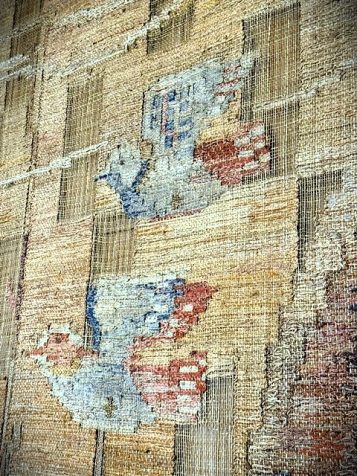
The house carries the Booths’ sincere belief in craftsmanship. Here you will find hand-carved details, custom light fixtures, woodwork, and décor that celebrate the craftsmen and women who made the place, including the masons, woodworkers, weavers, potters, metalworkers, and glass artists. This is not simply decoration. It is testimony that Cranbrook’s beauty comes from craftsmanship and that real people made it, and that their work is worth honoring.

The Educational Community Emerges
Although Cranbrook was built as a home, the Booths imagined much more. They envisioned a community focused on learning. Fortunately, they had the funds and patience to turn their dream into reality. They began with the estate, then built schools, museums, and an academy for artists.
The story goes that the Booths first considered building a church. The bishop then suggested that he build a boys’ school so the students could sing in the choir and serve the congregation. Mrs. Booth would not be outdone. She encouraged creating a girls’ school. From there, Cranbrook became an educational community. It would eventually include the Cranbrook Schools, Cranbrook Academy of Art, Cranbrook Art Museum, Cranbrook Institute of Science, Cranbrook House & Gardens, and the Center for Collections and Research.
The educational aspect was very important to the Booths. They wanted their community to become a place where young artists and other students could learn not only from books and classrooms, but also from the architecture, landscape, and craftsmanship that surrounded them every day.
This is what helped establish The Academy of Art as one of Cranbrook’s most influential contributions to American culture. It was not like a conventional school. It did not have fixed classes and lectures. It was more like a studio community. Artists lived, worked, taught, and learned together. These surroundings helped make Cranbrook one of the most significant centers of modern American design.
The Influence of Eliel Saarinen
Cranbrook became a cultural powerhouse from the mid-1920s through the 1940s. A significant reason was Eliel Saarinen. The Booths invited Mr. Saarinen to Cranbrook after the Finnish architect won second place in the Chicago Tribune Tower competition.
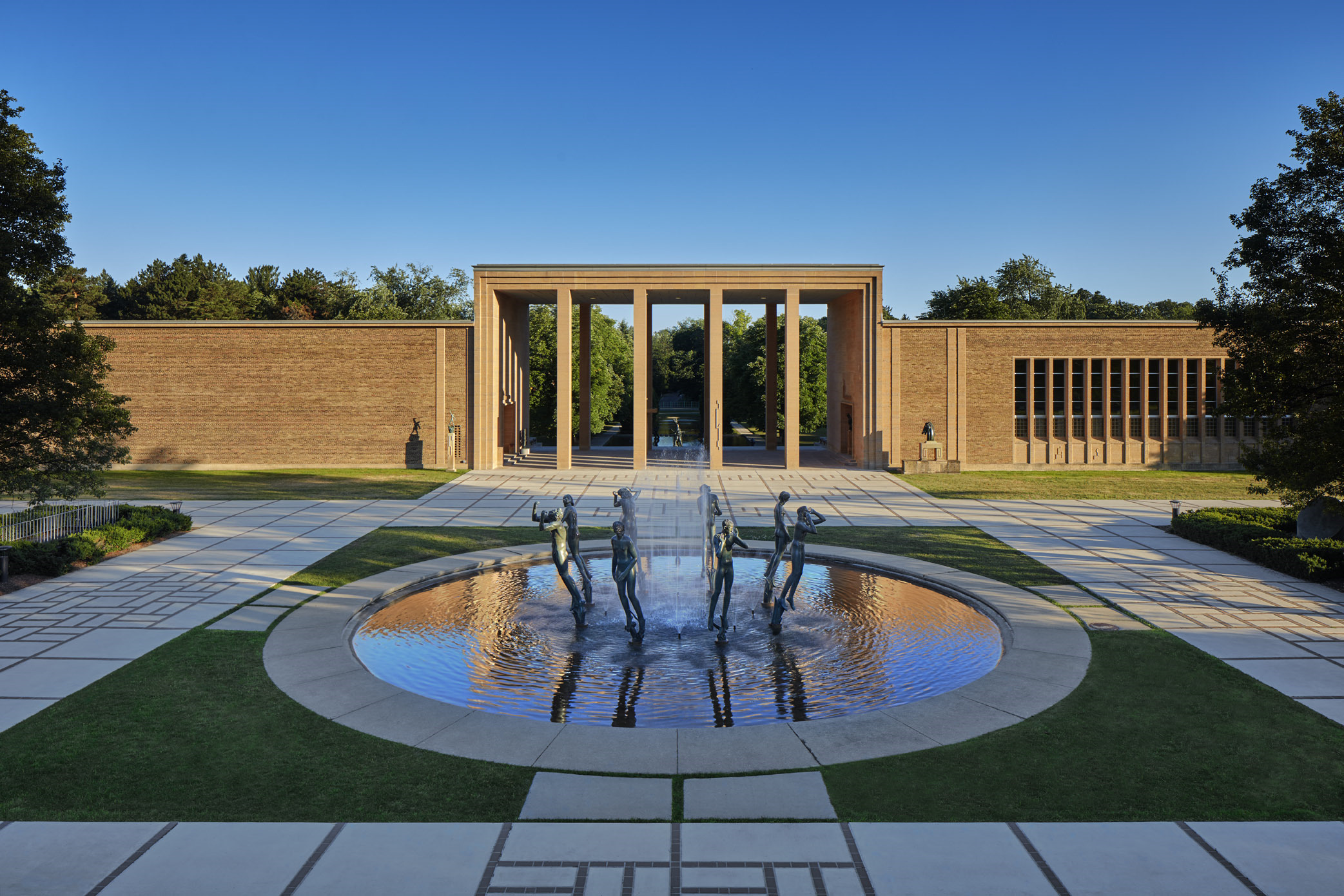
George Booth wanted an architect who could take his grand, imaginative ideas and develop them into a working campus. He found that in Eliel Saarinen. Saarinen had an uncommon ability to understand what the Booths wanted – an English school, traditional craft center, an artist community, and a functional education system – and bring it to life. He took those visions and designed buildings that felt modern, connected, and deeply personal.
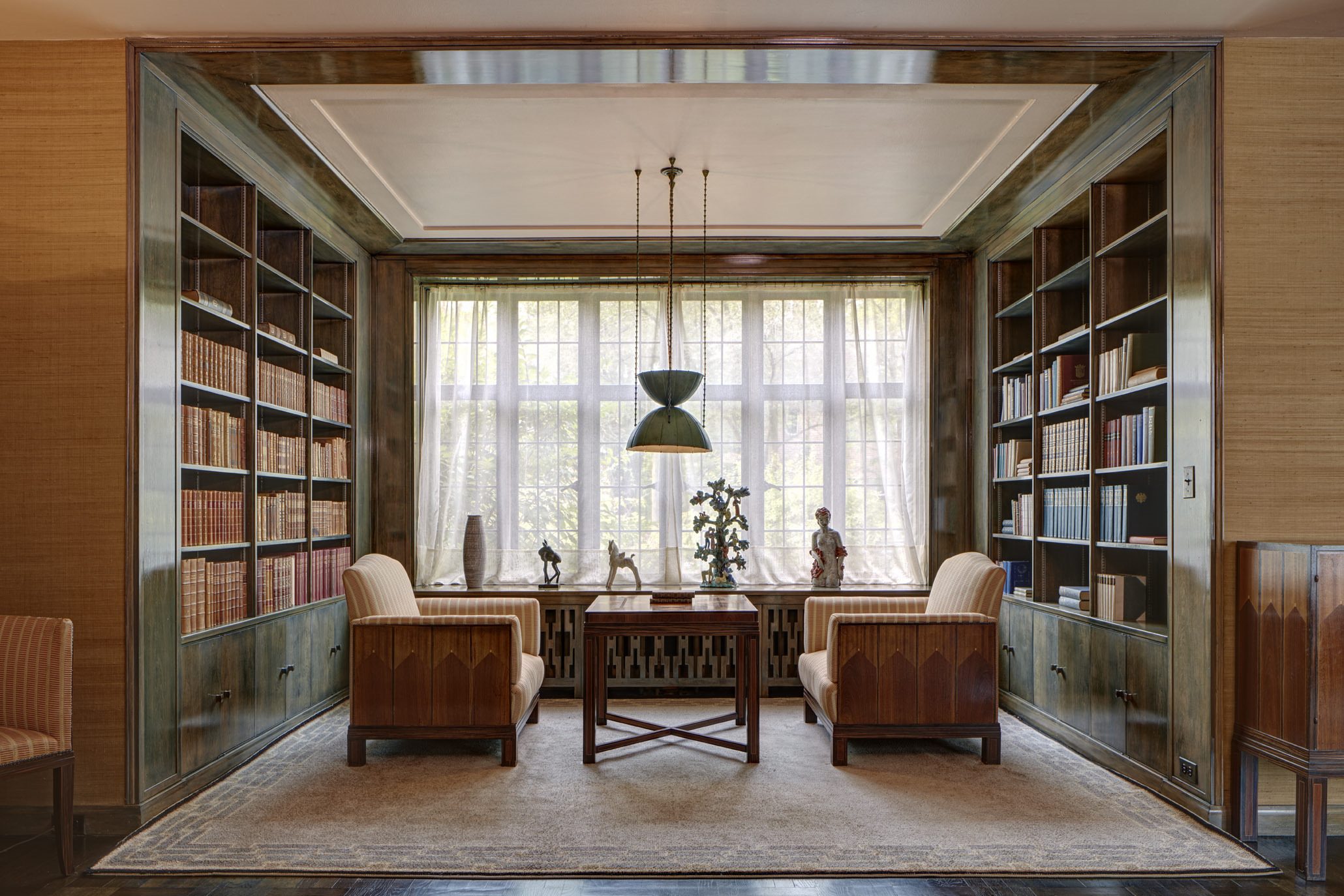
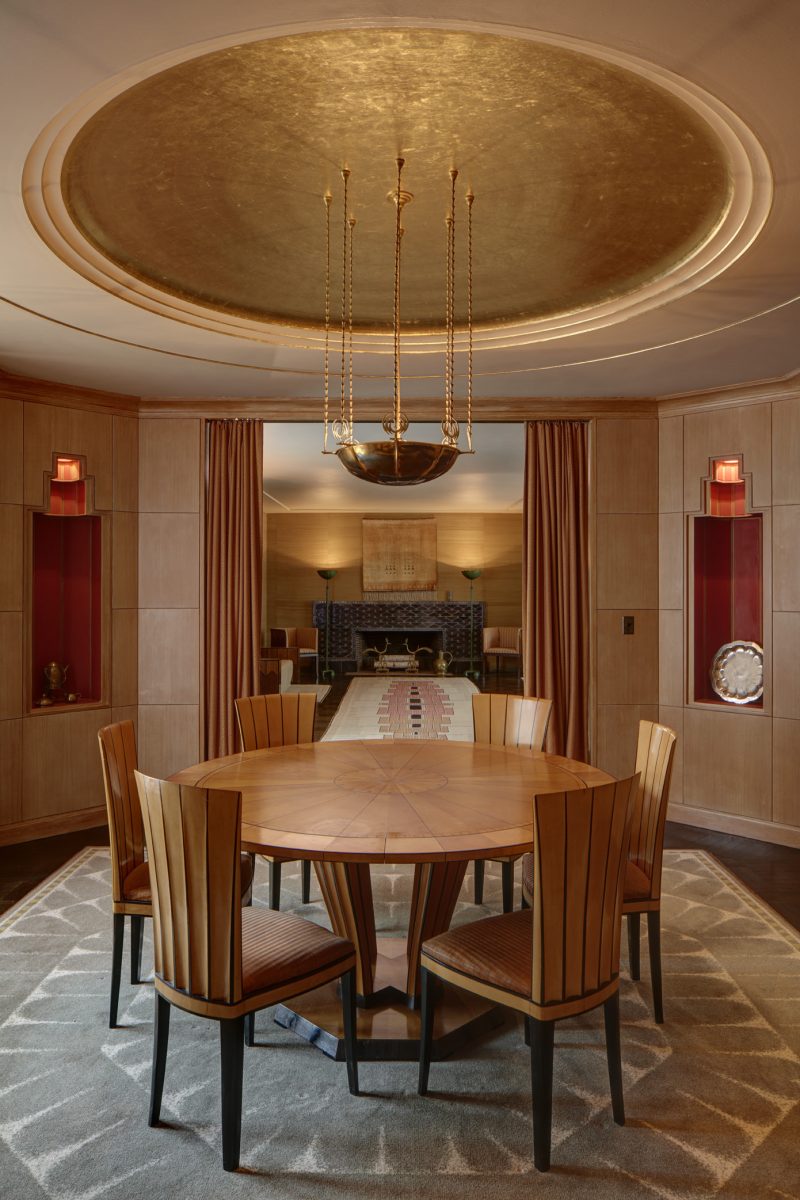
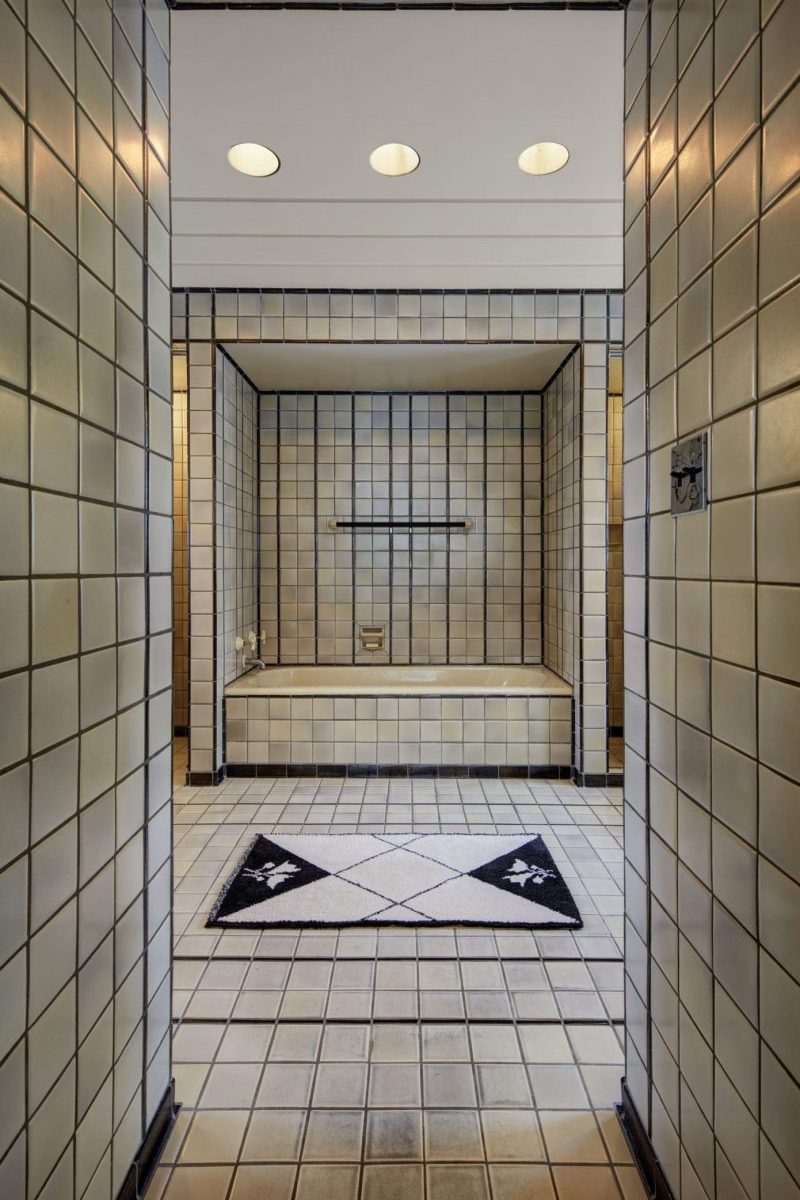
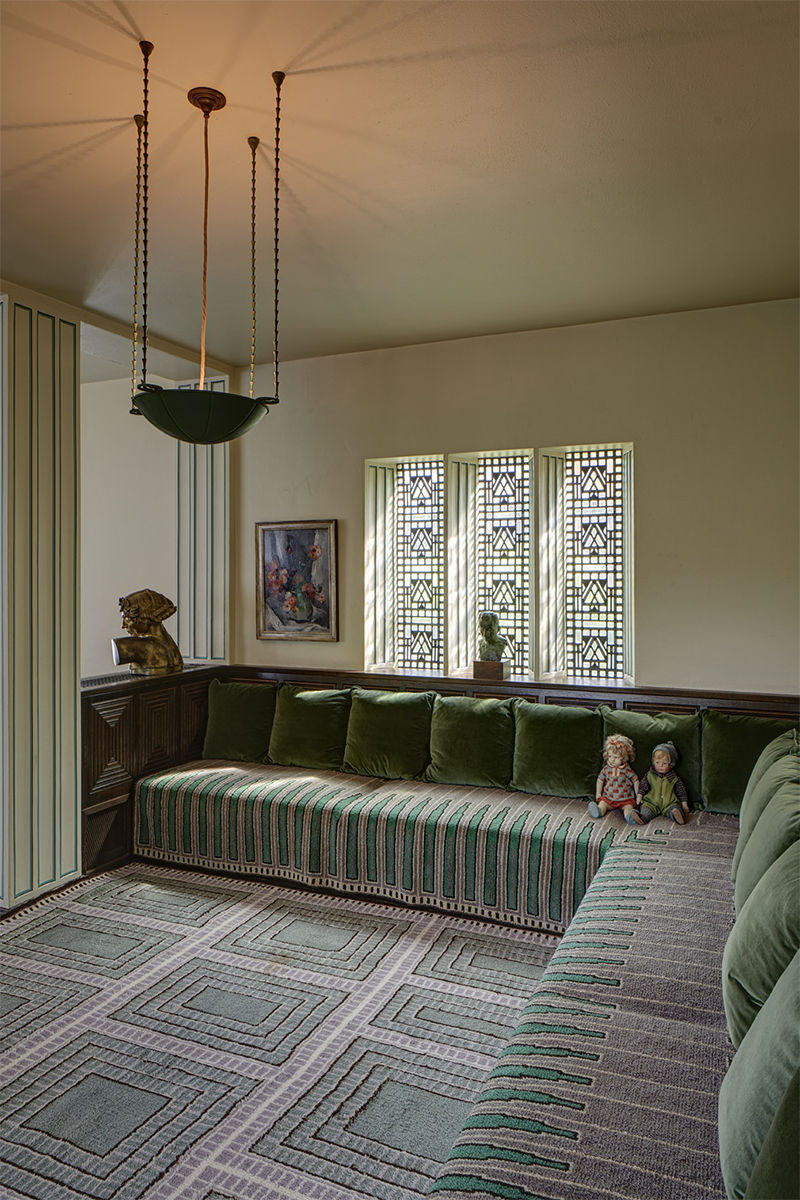
Saarinen did not just add buildings to the property. He created an atmosphere in which the building design (for which he is famous), the interior rooms, furniture, textiles, and landscape worked together. Saarinen’s own house on campus, the Saarinen House, is one of the clearest statements of this concept. It is not simply a house with lovely furniture rather a place where craftsmanship was a part of every aspect and design defined and flowed from one room to the next.
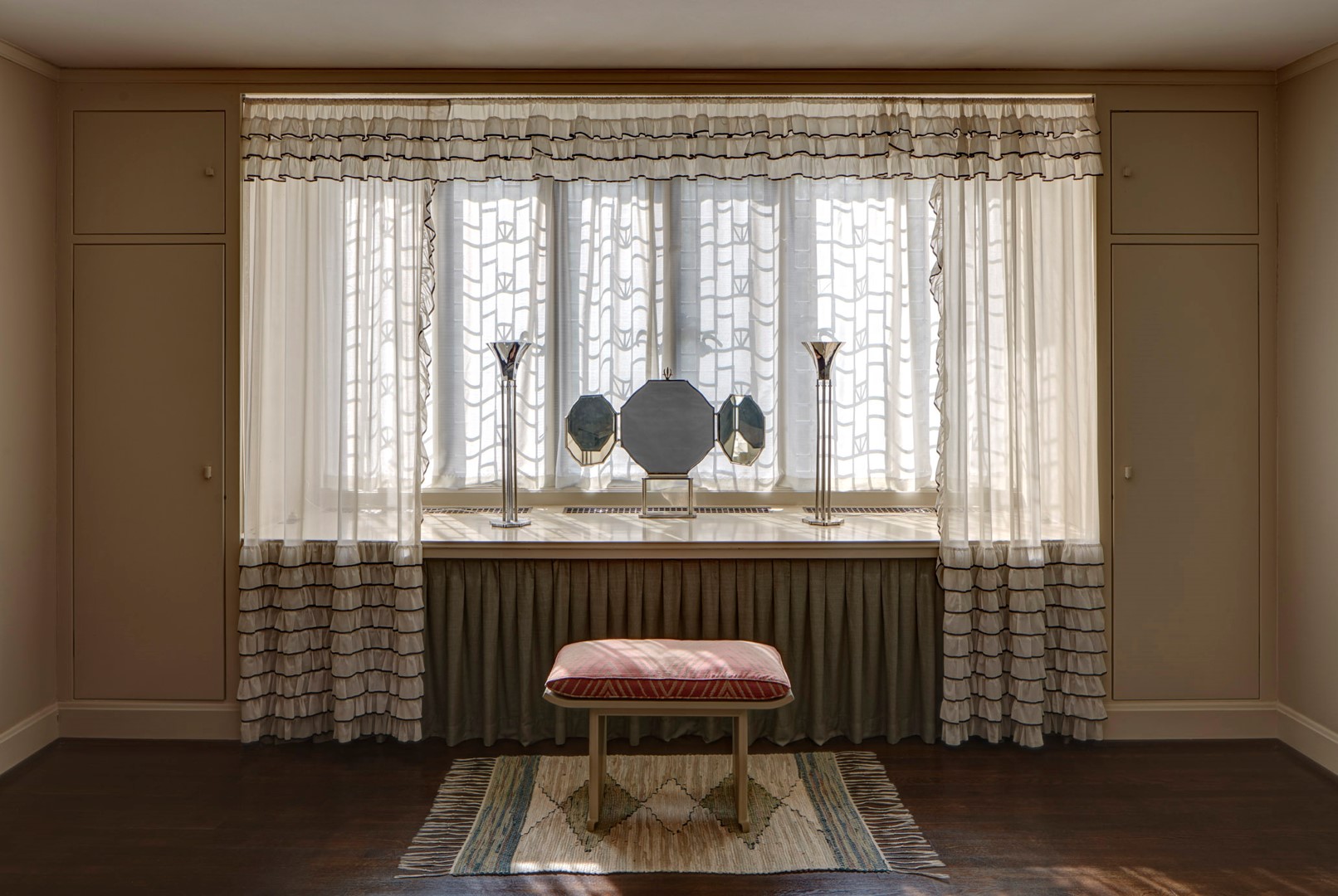
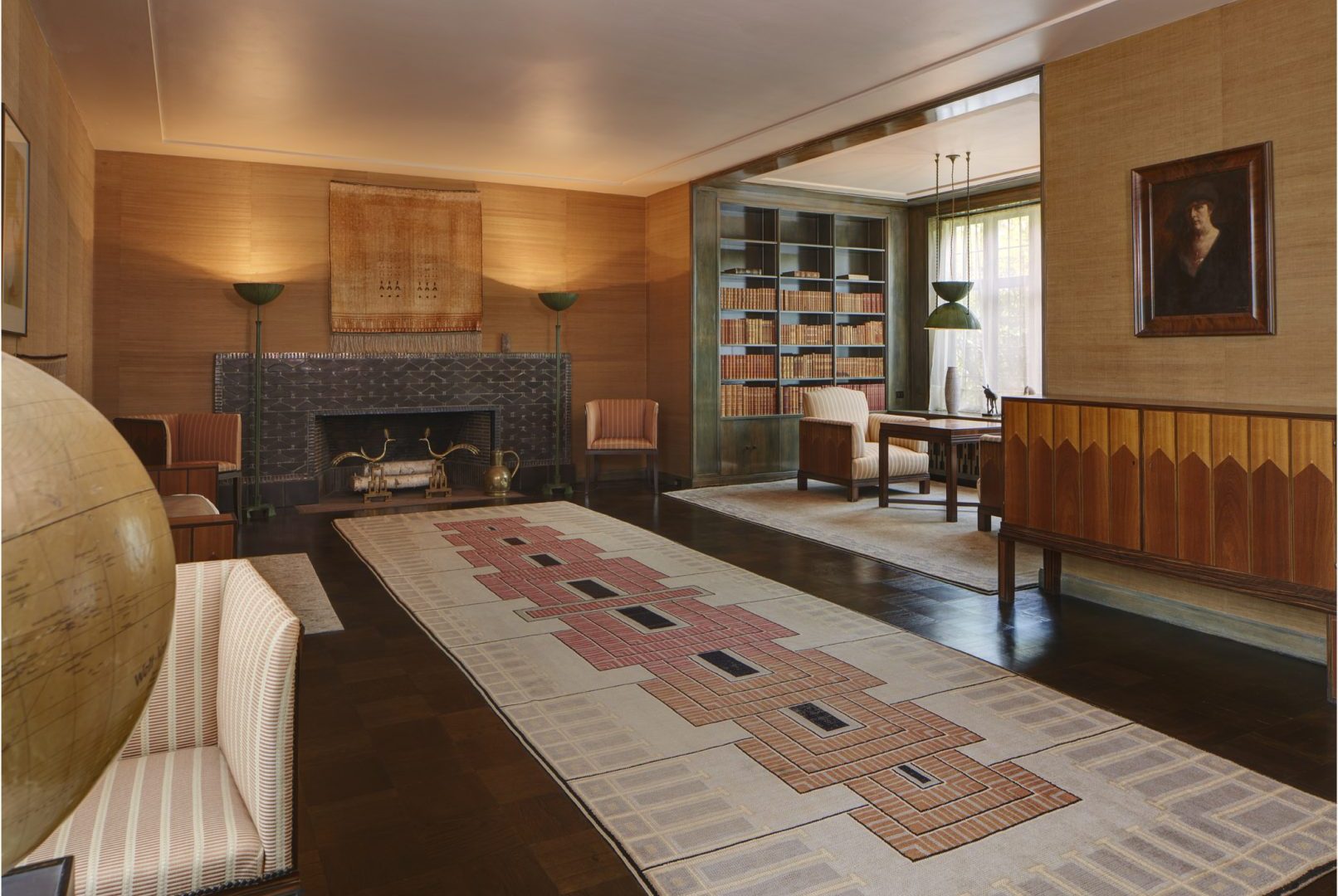
Saarinen’s wife, Loja, was just as important in developing the Cranbrook culture. She was a textile designer and weaver. Her influence is particularly prominent in Saarinen House. She also directed Studio Loja Saarinen at Cranbrook, which produced rugs, curtains, and fabrics and trained many craftspeople, helping entrench textiles as a serious design practice. Cranbrook never treated craft as secondary to fine art. It was the essence and creative life of the place.
The Saarinen’s approach encompassed the Arts and Crafts standard that beauty did not limit usefulness. Cranbrook showed that true craftsmanship did not detract from modernity. It taught that they could work very well together. Some people describe Cranbrook as a total work of art from the historic home and garden to the school campus.
Cranbrook’s legacy lives on today.
Cranbrook is often described as a birthplace of mid-century modern design. Notable names who began at Cranbrook and were influenced by their time there include Charles and Ray Eames, Florence Knoll, Eero Saarinen, Harry Bertoia, Nick Cave, Tiff Massey, and several others. Many design history circles in America started through friendships made at the Cranbrook campus. However, Cranbrook’s importance lies in more than its renowned alums. The greater accomplishment is the community built here that continues even after they leave.
Today, the Cranbrook Educational Community encompasses K–12 schools, the graduate-level Academy of Art, Cranbrook Art Museum, the Institute of Science, and Cranbrook House and Gardens. Museum exhibitions, workshops, school programs, tours, scientific experiences, and public events offer many ways to extend their reach. A child taking a ceramics program, a family who visits the planetarium, or visitors simply enjoying the craftsmanship of Saarinen House are all part of the Booths’ original vision: that art and education are most rewarding when experienced in person.
In 1989, Cranbrook was designated as a National Historic Landmark. It remains a brilliant example of the Booths’ belief that art, craftsmanship, and education can improve everyday life. Cranbrook is not only a place where craft history is displayed behind glass. More than a century after the Booths imagined it, Cranbrook is still using education and access as a vehicle for shaping lives – teaching people not only how to create something beautiful but also how to see it.
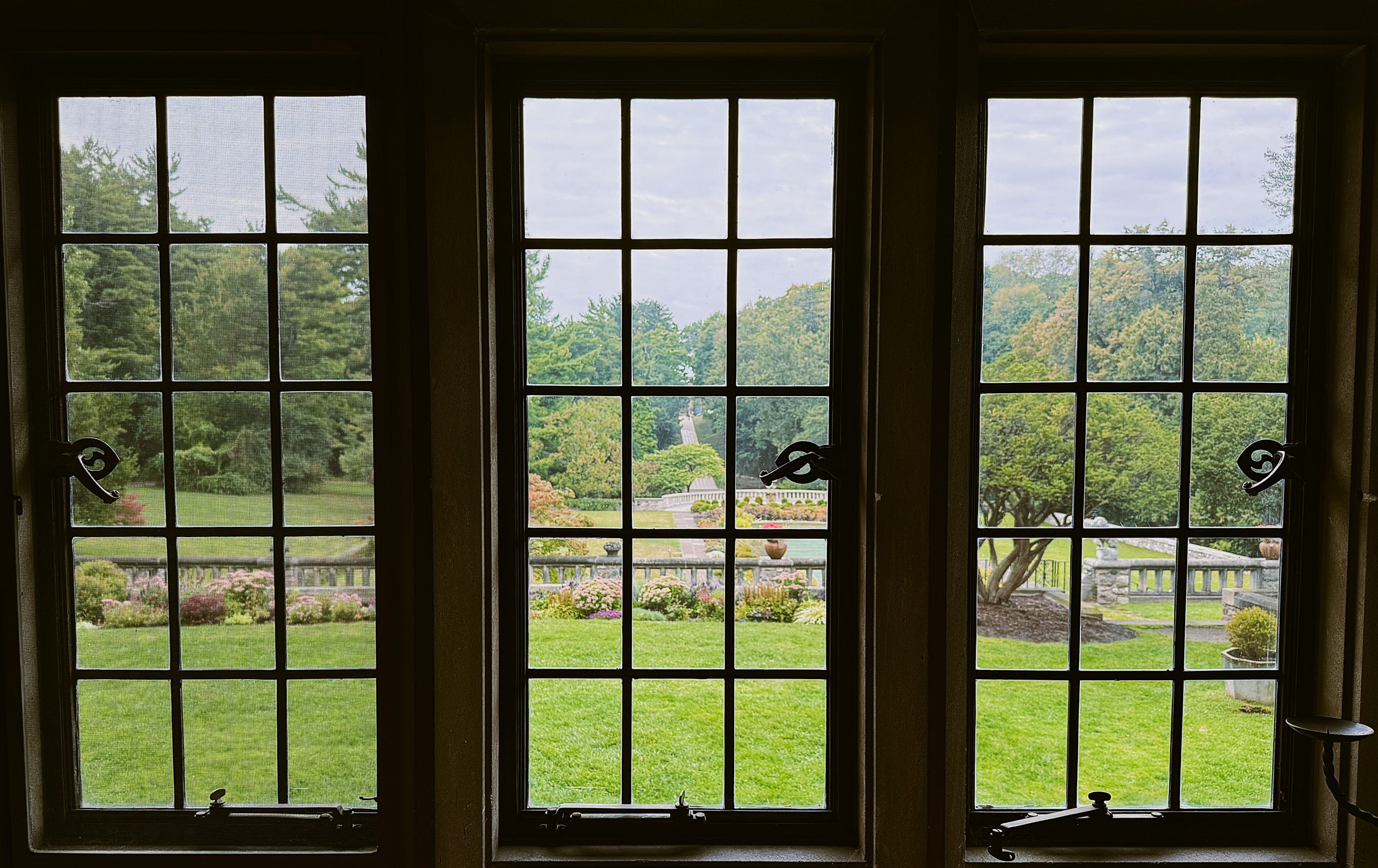
Top Photo: Cranbrook Art Museum and Orpheus Fountain by James Haefner. Courtey of the Cranbrook Center for Collections and Research.
By Lisa Evans, a freelance journalist, author, podcaster, photographer, and Substack writer with a deep appreciation for history, culture, music, the great outdoors, and the natural world.