
When the international flower festival FLORA debuted in Córdoba, Spain in 2017, it elevated a local tradition, that was already a cultural phenomenon, to an entirely new artistic and philosophical level.
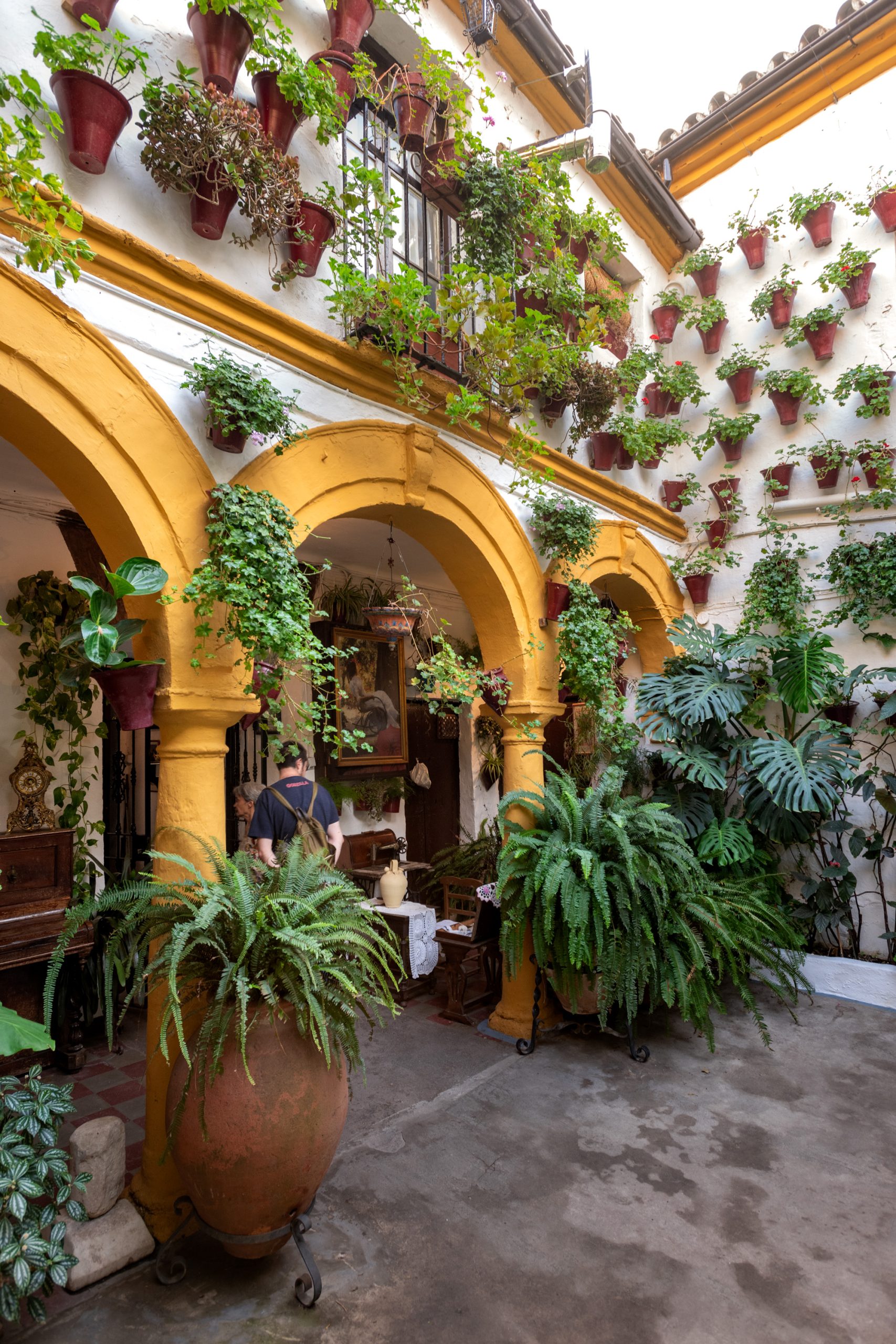
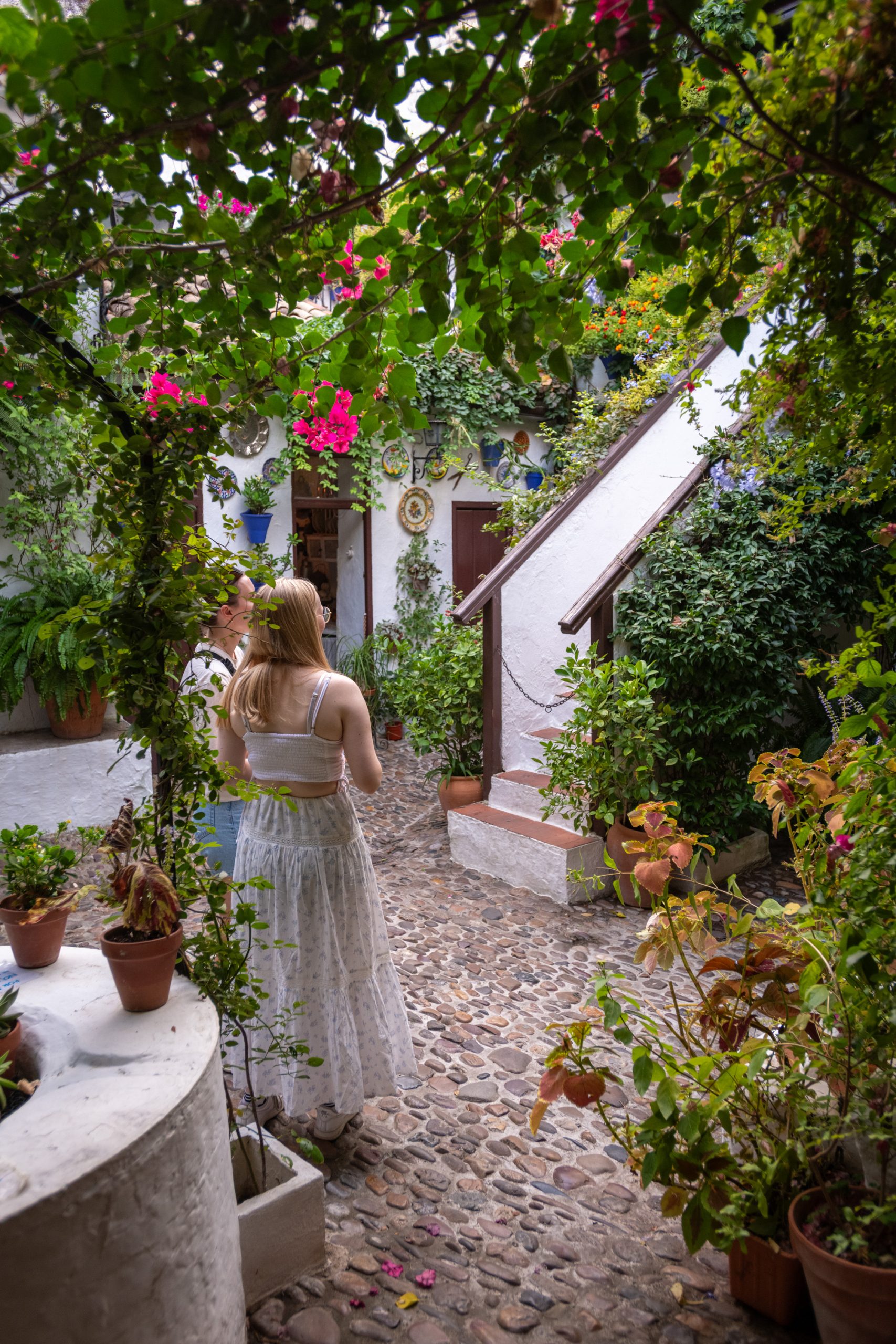
The people of Córdoba have long taken pride in decorating their courtyards and public spaces with flowers. The Andalusian community has existed for over two thousand years and has been under Roman, Muslim and Christian rule. Each culture left its mark and influence on the city but one particular architectural element from both the Roman and Muslim eras that has endured is the courtyard, or patio. Romans used courtyards to cool buildings in warm climates and Muslims refined the courtyard with water features and gardens. Courtyards are not unique to Córdoba, but they are integral to Córdovan culture.
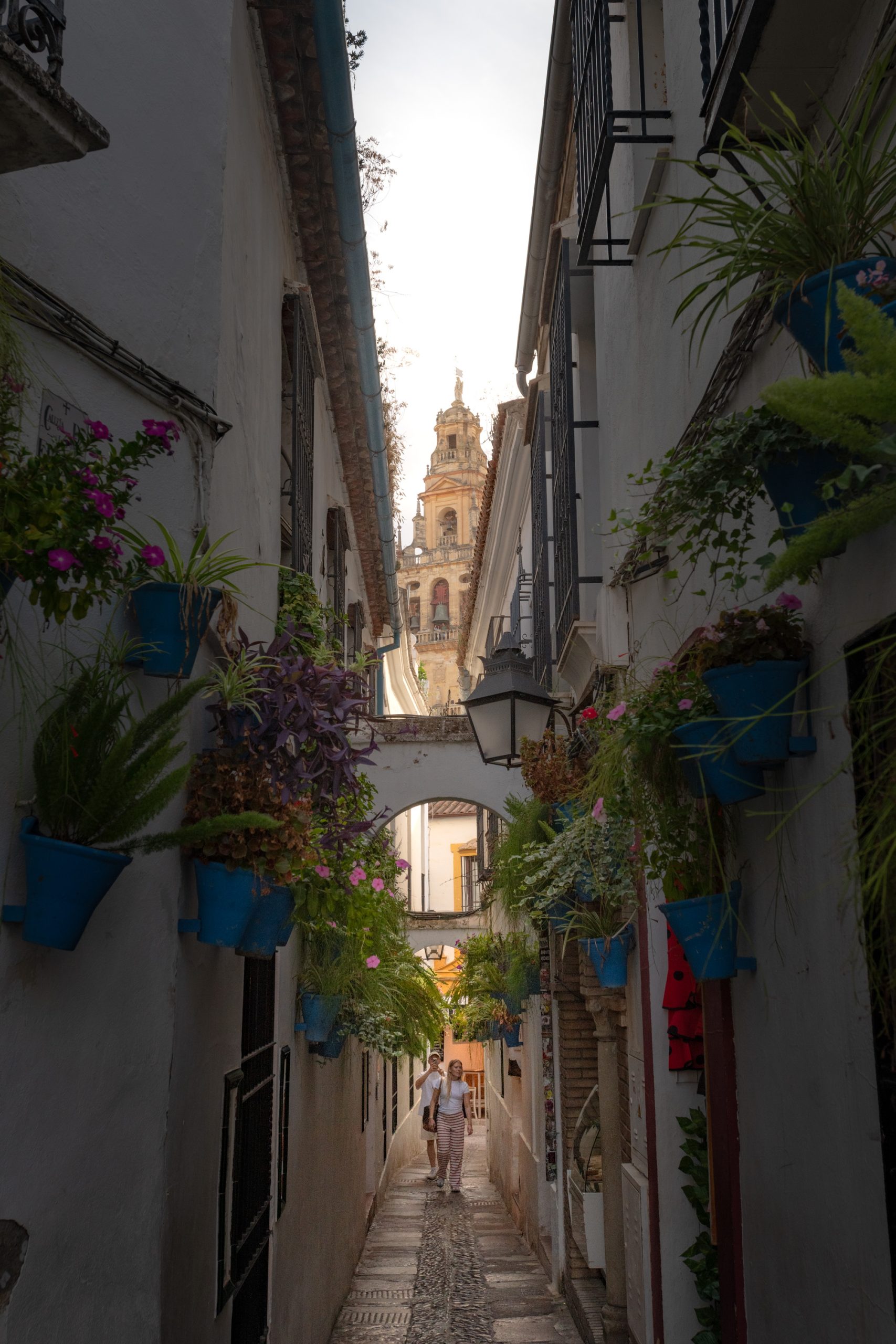
The habit of decorating walls with flowers has spilled beyond Córdoba’s patios. Many of the narrow streets in the old town are polka-dotted with blooming pots of flowers. Calleja de las Flores (the alley of flowers) has become especially popular with visitors as it also frames a view of the bell tower of Córdoba’s landmark Mesquita-Cathedral. Even in seasons when blooms are not at their peak, you can find a line of people forming to get their selfies with the flowers and tower as a backdrop.
Festival of the Patios
The tradition – and promotion – of Córdoba’s courtyards has a long history. In 1921, the city created its first “Courtyards, Balconies and Window Displays Competition.” The festival was held again in 1933, cancelled during the Spanish Civil War (1936-39), and returned permanently in 1944. The “Festival of the Patios” had grown so important by 1980 that it was declared one of the “Fiestas of National Tourist Interest of Spain.” In 2012, it was listed as an “Intangible Cultural Heritage of Humanity” by UNESCO.
The festival continues to be held in peak blooming season each May, when several private courtyards are opened to the public. Many also compete for awards in a variety of categories. The winners proudly display their painted ceramic tile awards beside their doors. To compete, these courtyards must be privately owned and watered by hand – no automated irrigation systems allowed. In December, many patios open again for the “Patios at Christmas” event.
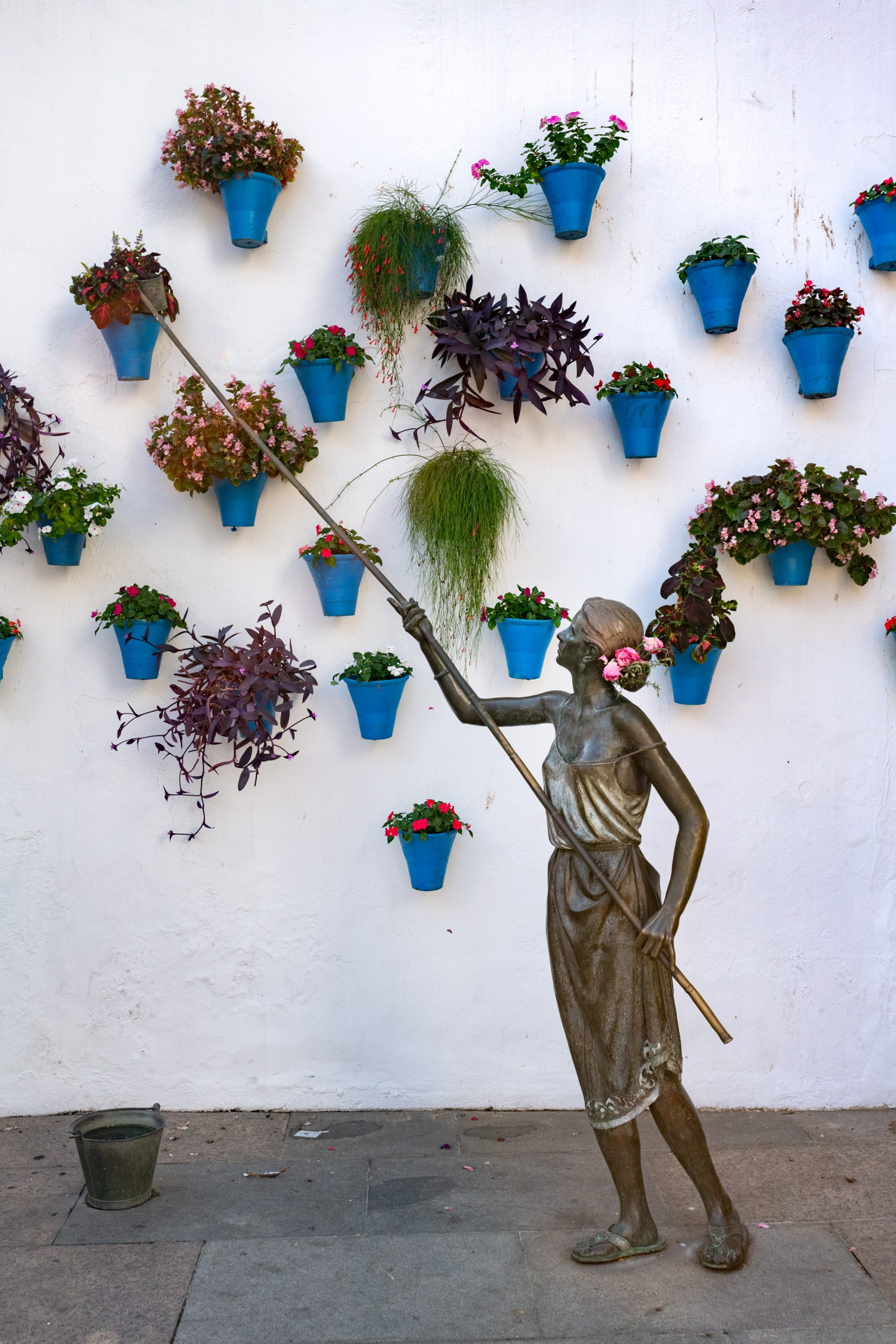
In the years following the festival’s UNESCO listing, the city erected a trilogy of public sculptures to honor the “caretakers,” those who have carried on the tradition of tending the flowers over generations.
FLORA International Flower Festival
In 2017, FLORA was created by Zizai Cultura. The event takes the idea of courtyard decoration to the next level by inviting international floral artists to transform five public courtyards with thoughtful plant-based art installations based on a common theme. Viewing is free to the public and the community embraces the event wholeheartedly. The competition is judged with first and second place prizes being awarded. There is also an audience award, chosen by public vote.
Additional events are offered throughout the community during FLORA including workshops, musical performances, films and dance.
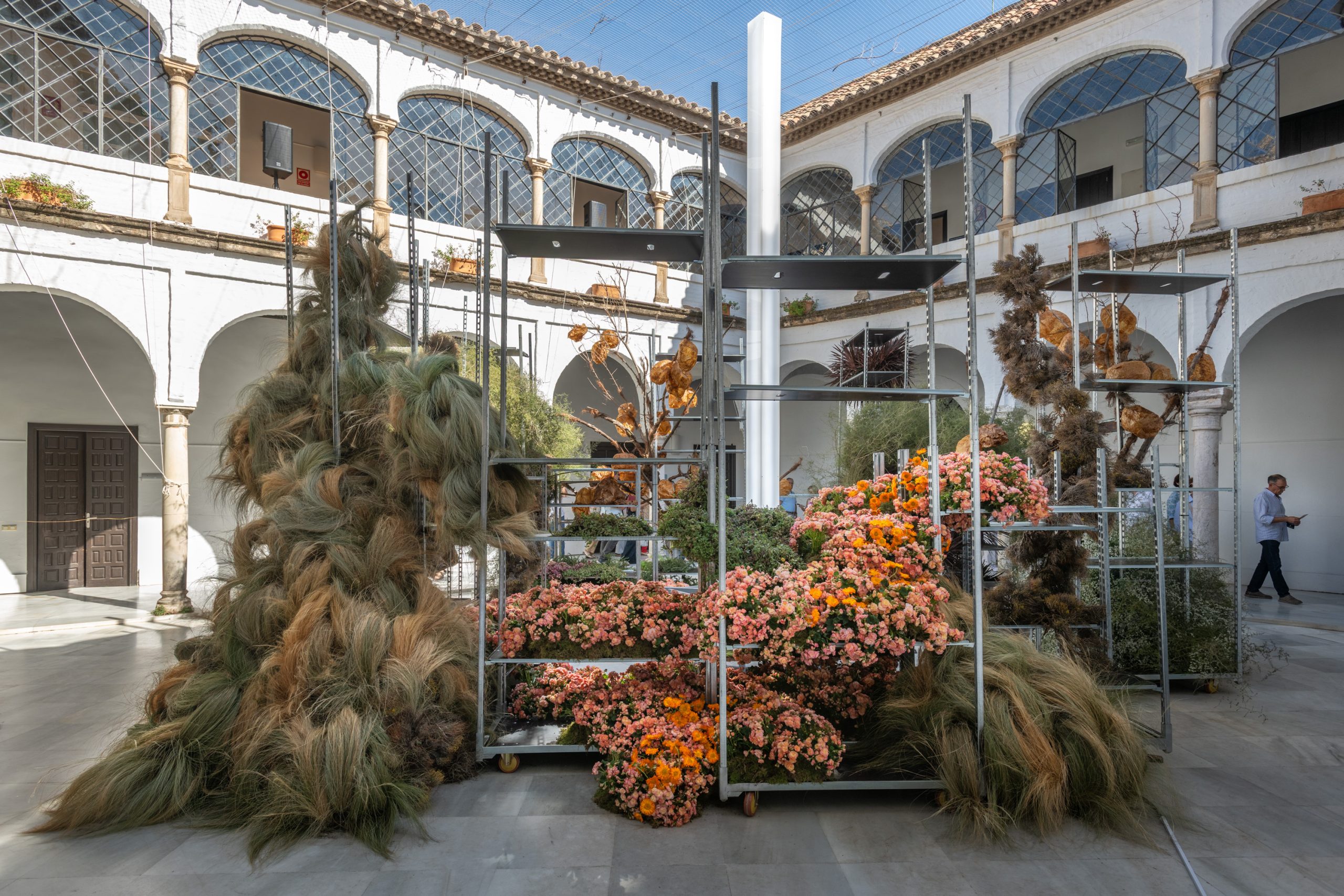
2025 marked the 8th annual event and the theme was “Future.” The festival’s website stated, “At FLORA we are convinced that only nature has the answer for a more livable future. Let’s see, listen and think about what our artists have to tell us.”
Each year, four floral designers are invited and a fifth position is granted to an applicant from a related design industry. The invited designers for 2025 were Gabriela Salazar (Mexico), Wagner Kreusch (Brazil), Michael Putnam (USA) and Paula Anta (Spain). Francisco José García Almodóvar (Spain) landed the fifth spot.
Artists are allowed to use a variety of organic materials in their creations: fresh flowers, potted plants, dried grasses, seeds, leaves, branches, etc.
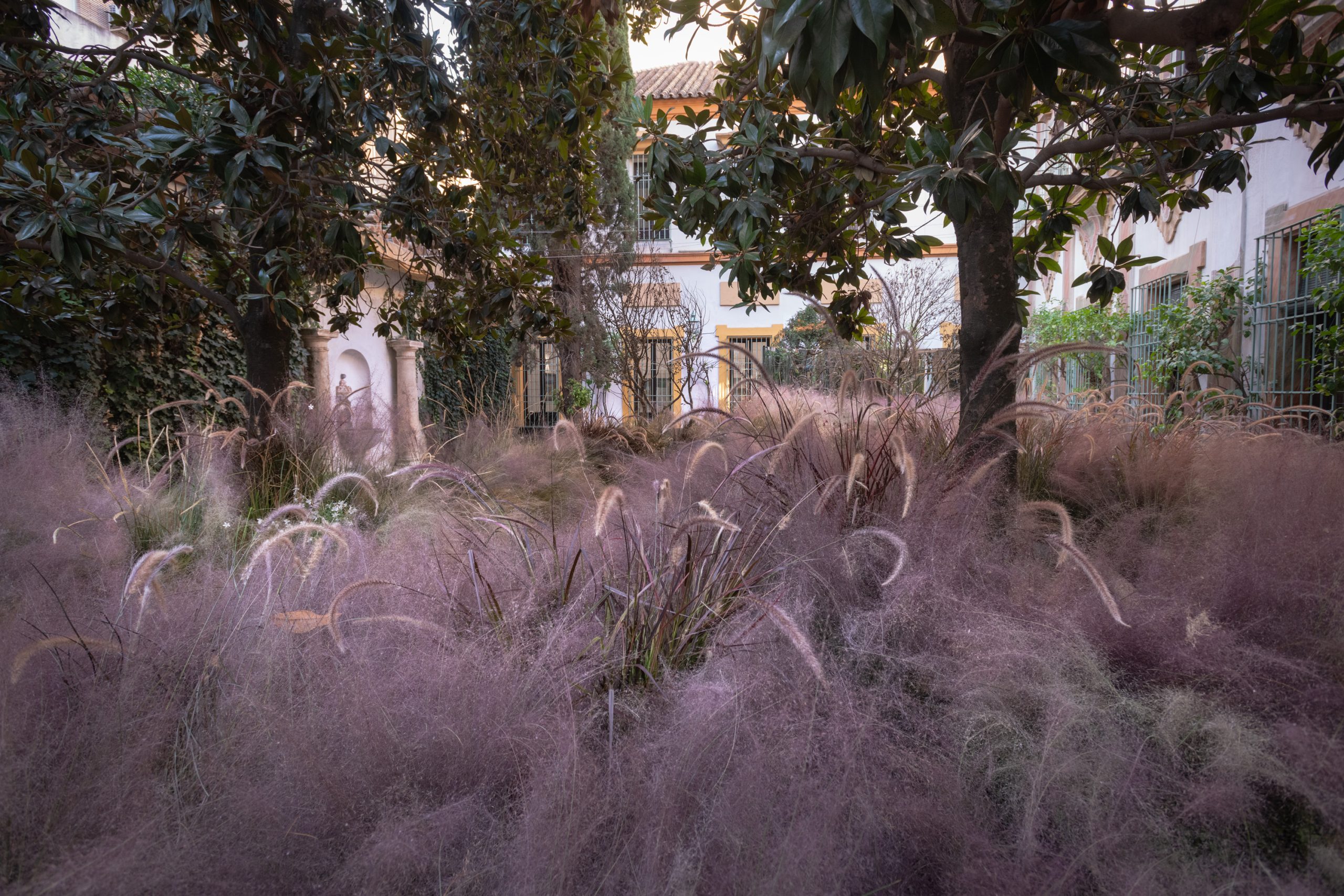
At a presentation announcing the 2025 event, Juan Ceña (founding partner of Zizai Cultura and FLORA organiser) said, “FLORA represents an operating model that is unusual in the culture industry. We at Zizai believe that, with a project like this, the priority should be to make a positive, tangible impact on the city, not seek an immediate return on investment. And we work to make it happen because we know that not only is it the right thing to do, but it will also maximize FLORA’s value in the long term. We’re convinced that this is our path into the future.”
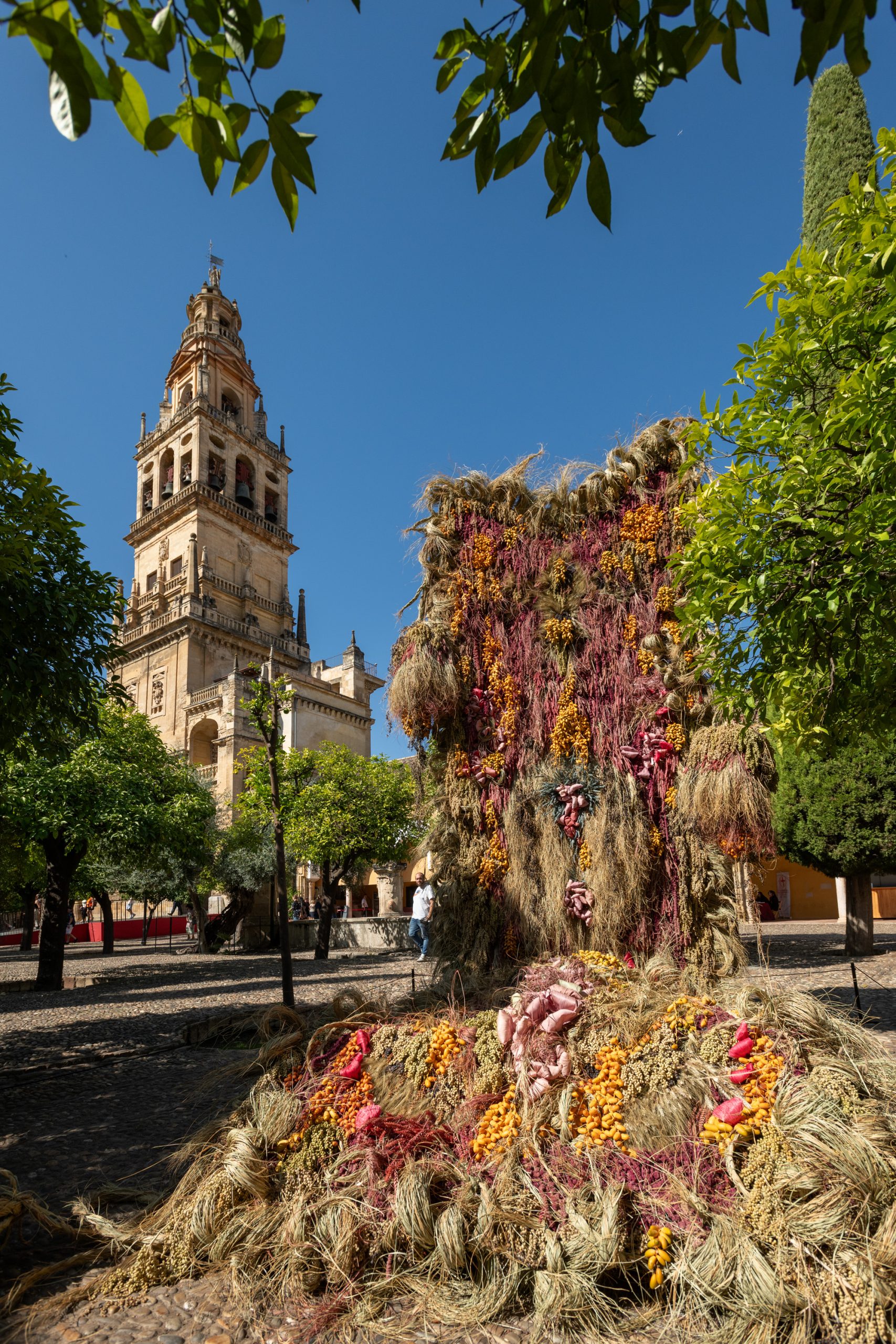
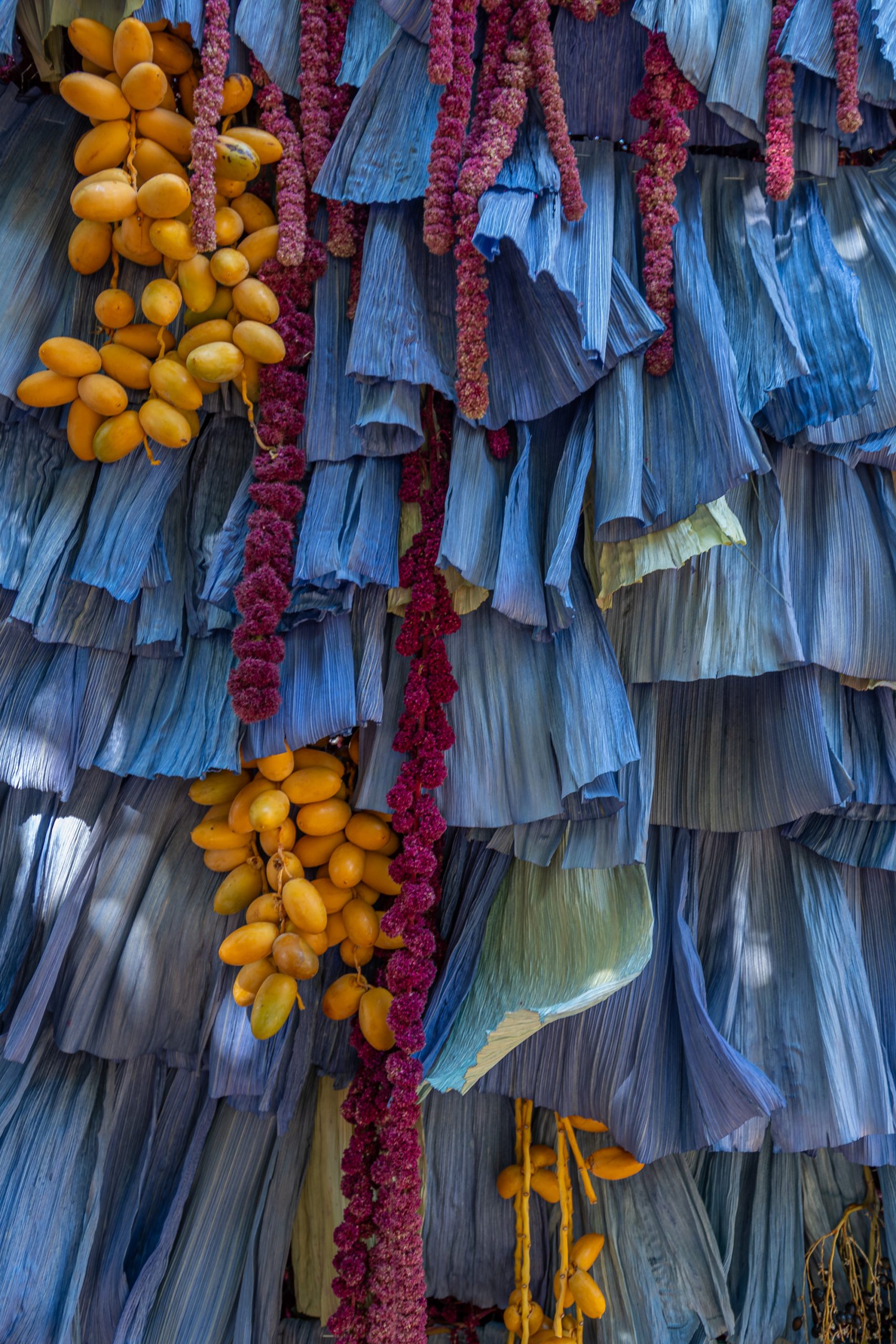
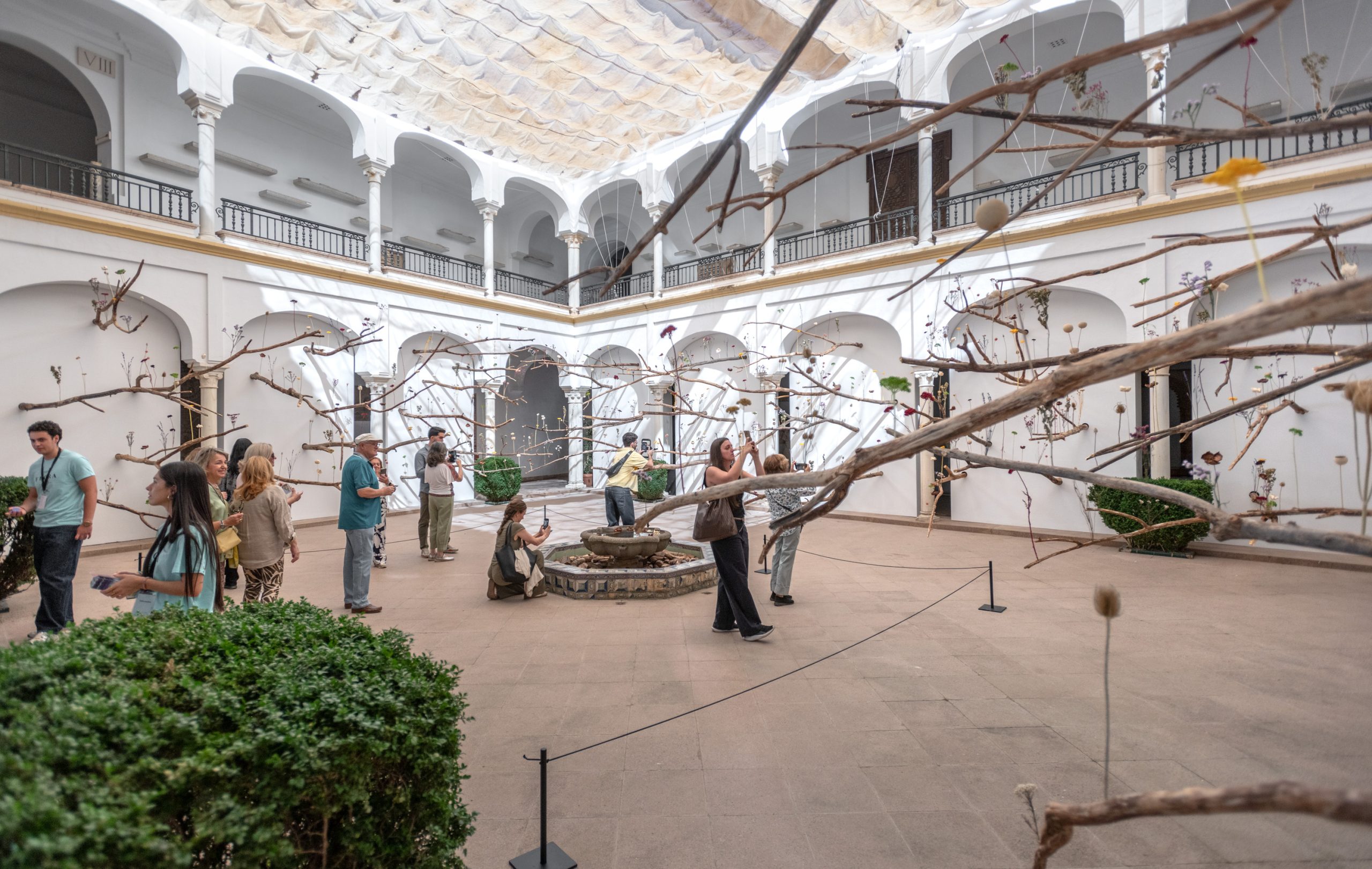
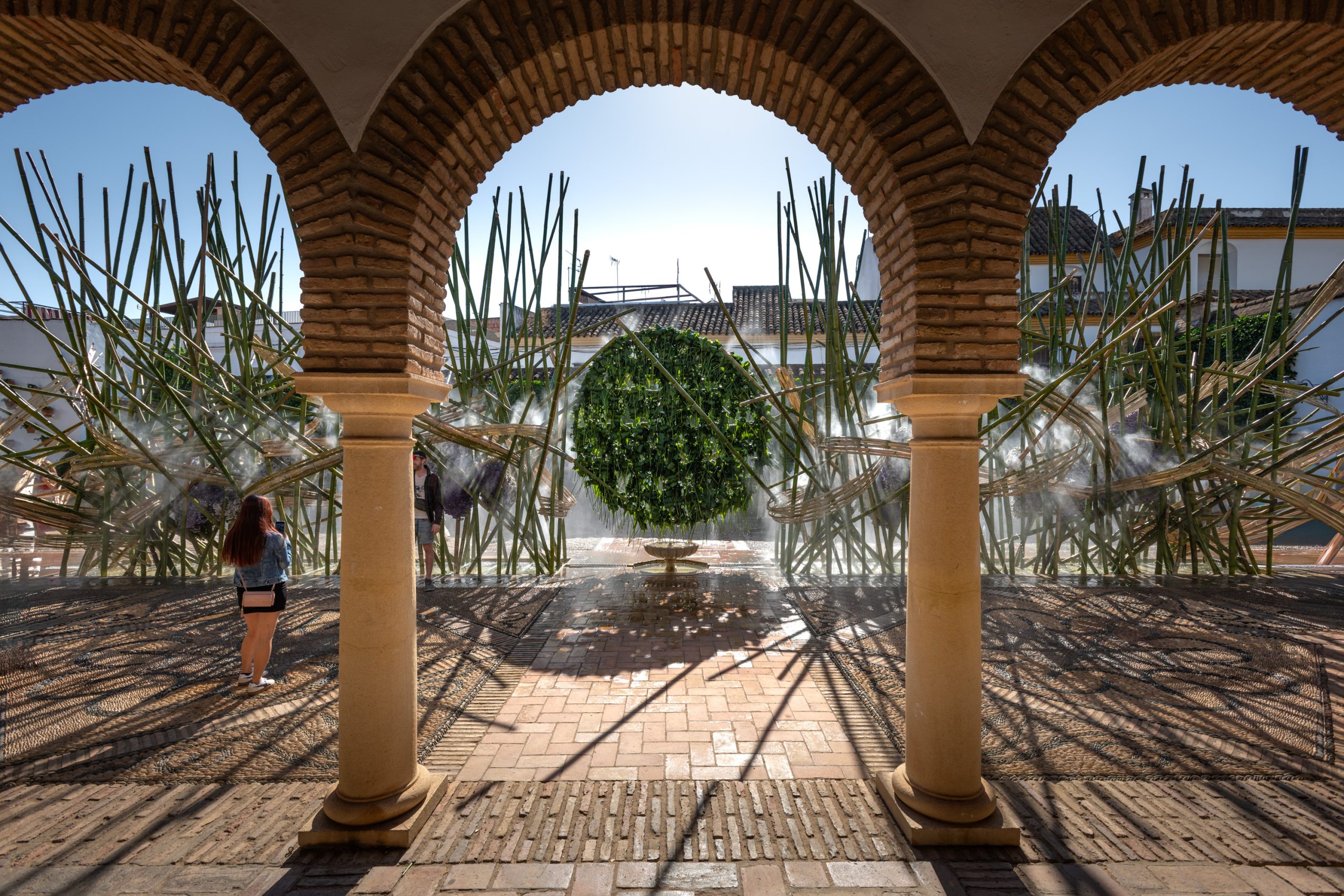
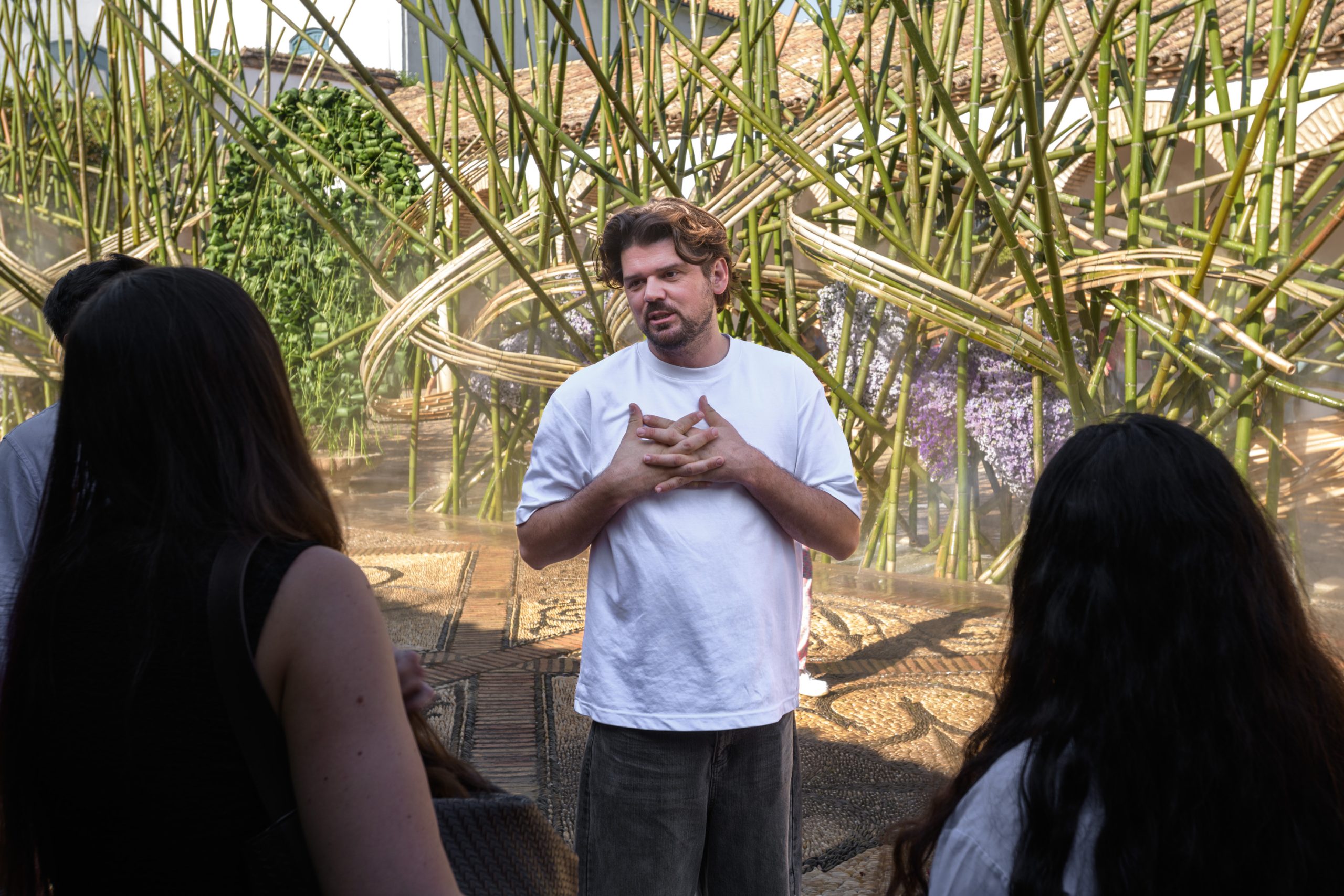
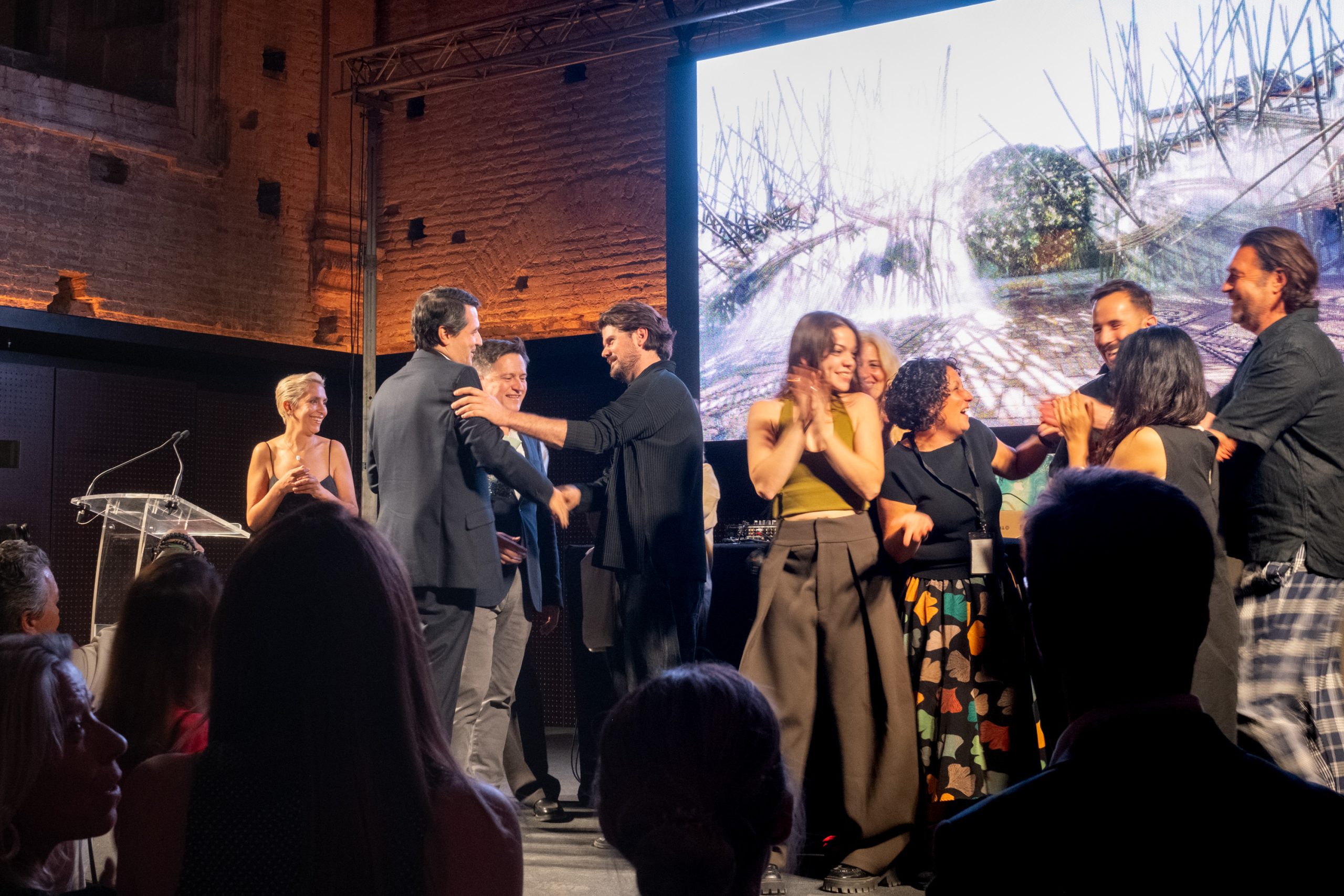
Following the judging and public display of the FLORA installations, the displays are dismantled and the materials get a second life as a Guerilla FLORA non-competitive installation. At the end of the Guerilla display, all plant materials are recycled once again and made available to anyone in the community that wants them, inspiring creativity throughout the community in a never-ending cycle.
Written and photographed by travel photographer, Michael C. Snell
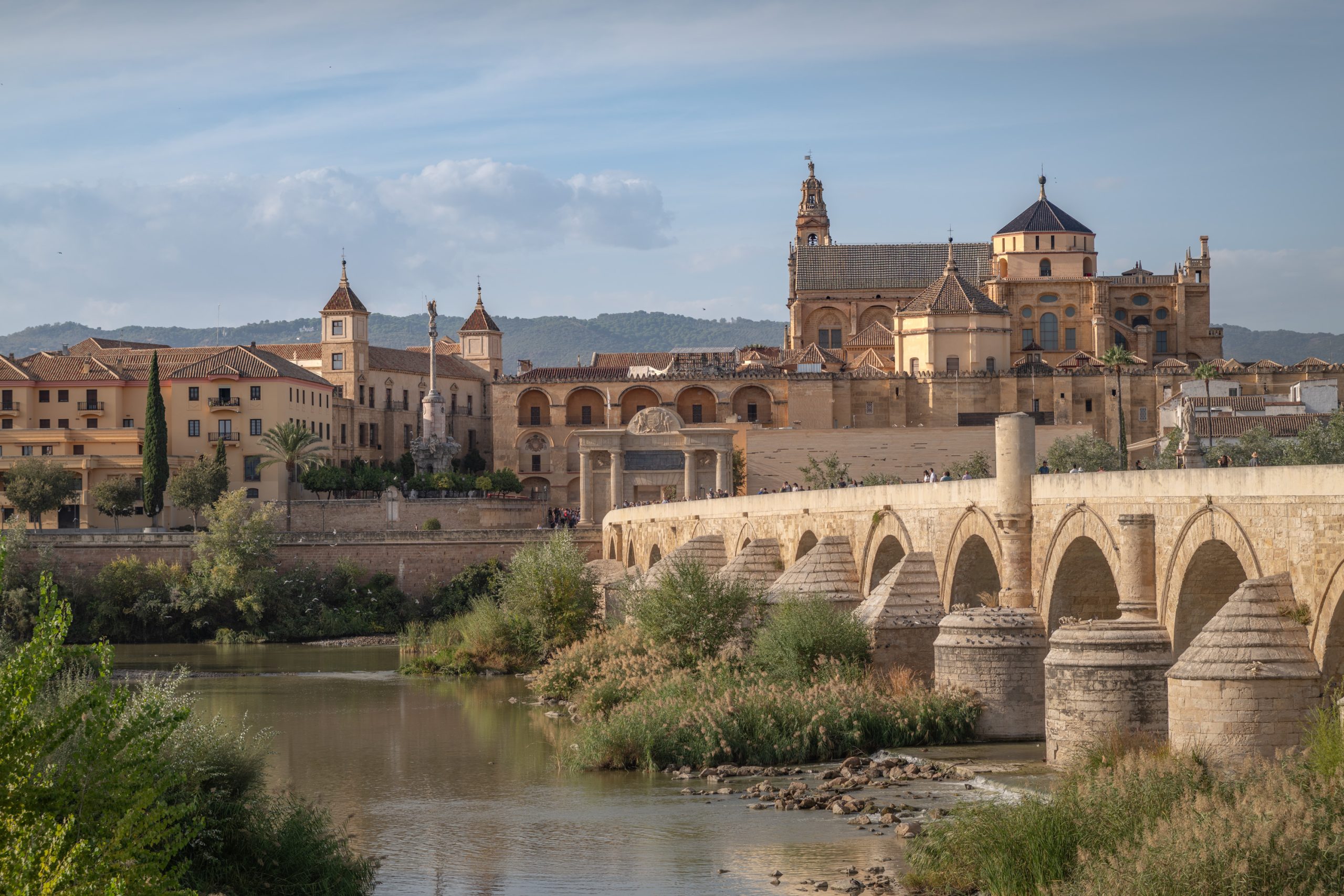
Featured Photo: View of Córdoba and the Mezquita Cathedral across the Guadalquiver River and the Roman bridge. Courtesy of Michael C. Snell