
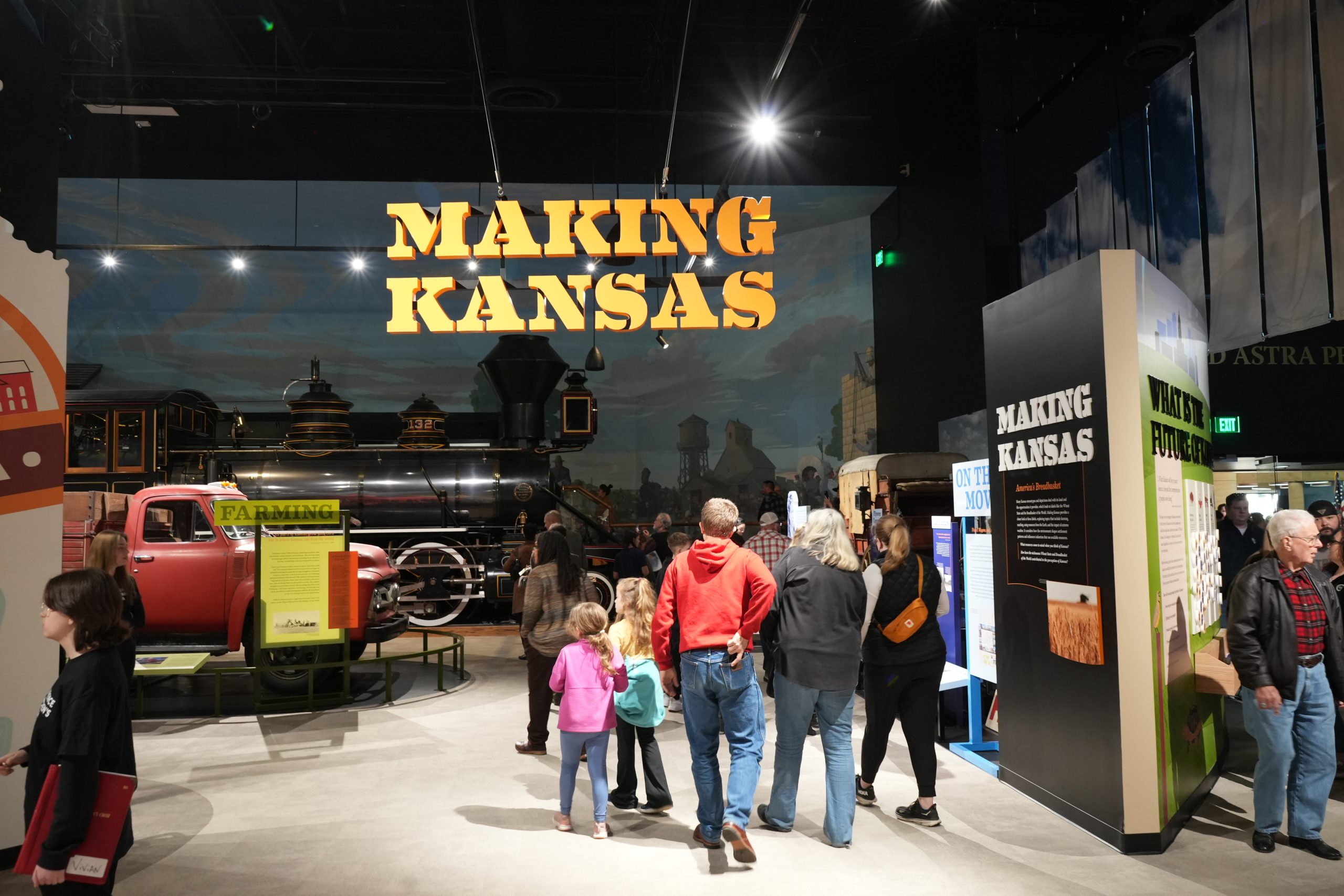
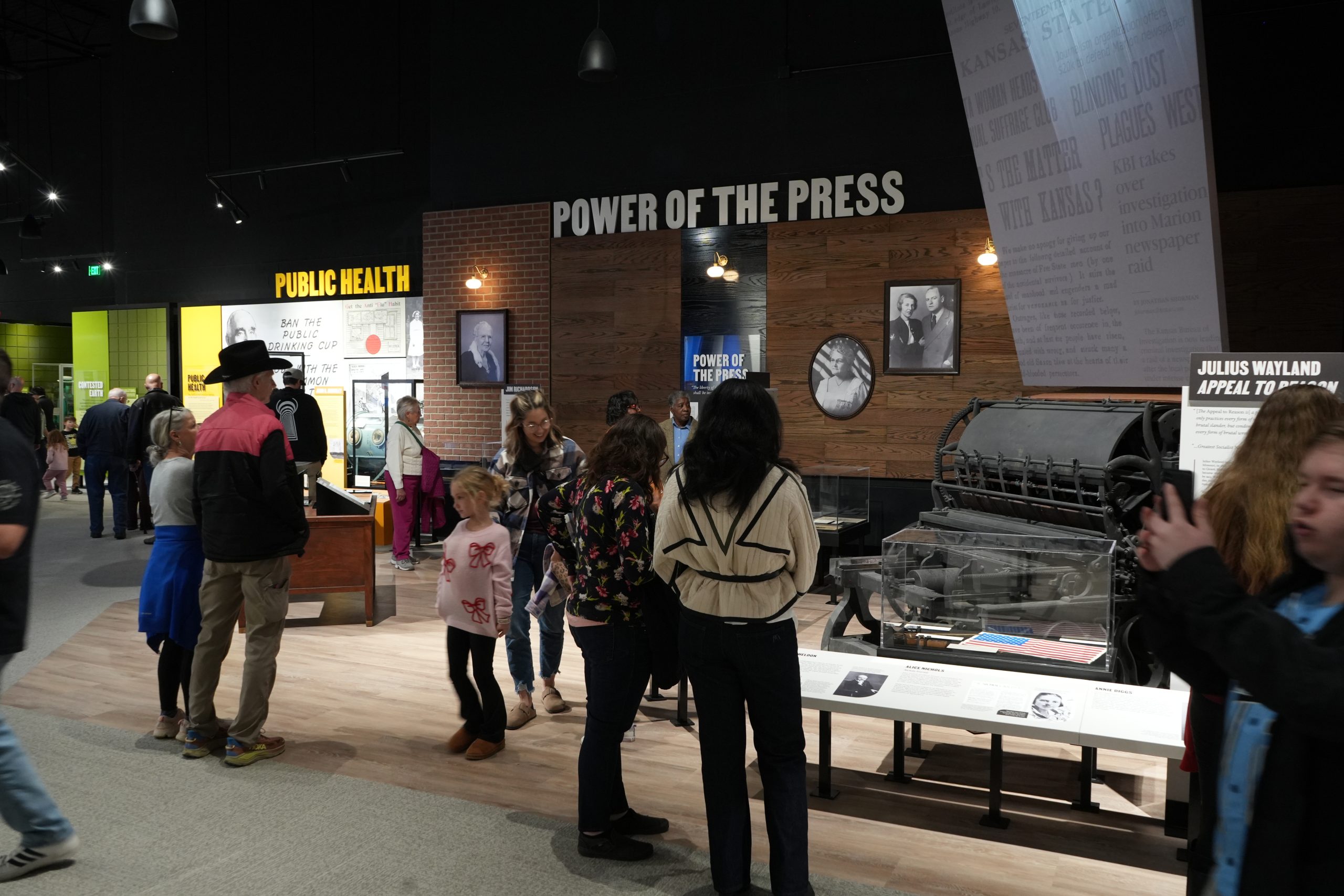
After three years of anticipation, the Kansas Museum of History in Topeka officially reopened on November 22, unveiling a dramatically reimagined experience that celebrates the stories, people, and moments that have shaped the Sunflower State. This reopening marked the museum’s first major exhibition renewal since the 1980s, introducing a rich and contemporary journey through Kansas’ diverse past. Visitors returning to the museum discovered a fully transformed 20,000-square-foot gallery designed to spark curiosity and encourage personal connection. Rather than following a strictly chronological format, the redesigned space invited guests to explore history thematically. A central hub served as the heart of the museum, with galleries radiating outward into stories of statehood, the Civil War era, the rise of the railroads, and the efforts of communities who fought for fairness, opportunity, and progress. Nearly a thousand artifacts anchored the narrative, supported by newly developed exhibit elements, graphic panels, and immersive experiences.
Sarah Bell, the director of the museum, said, “The Kansas Museum of History opened in the 1980s with a chronological telling of Kansas history from 13,000 years ago to the ‘recent past’ of the 1940s through the 1980s. A primary motivator for this renovation was to update an aging gallery and bring it into the 21st century. For this renovation, we structured our gallery with a thematic approach, giving us more flexibility and helping to better show how history resonates today. We selected DI as our exhibit partners on this renovation because of their creative, out of the box thinking, and so they could help us achieve our goal of a “wow” experience for visitors. DI’s incredibly talented team brought color and vibrancy to Kansas history. Their stunning displays are the perfect pairing for our artifacts and stories.”
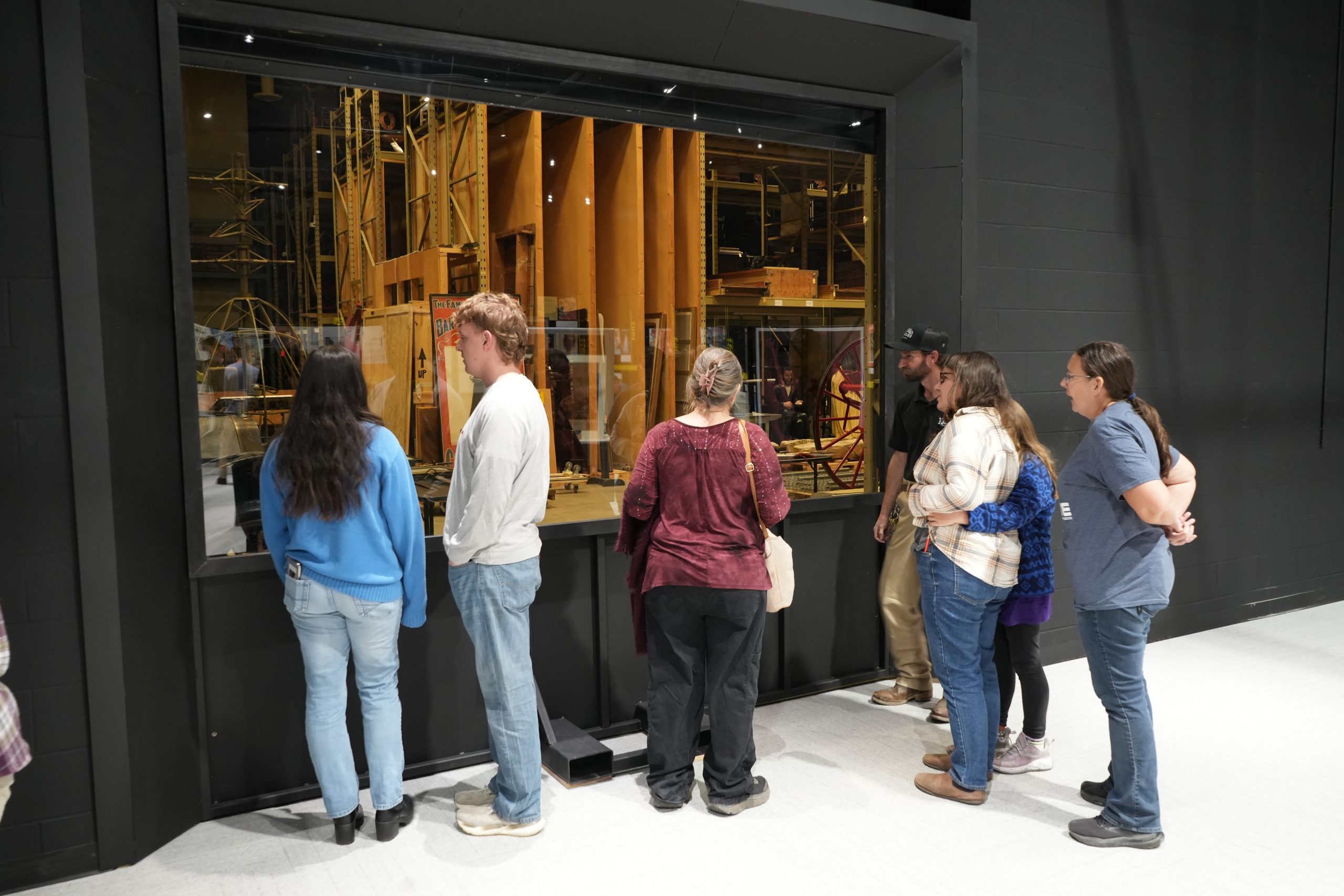
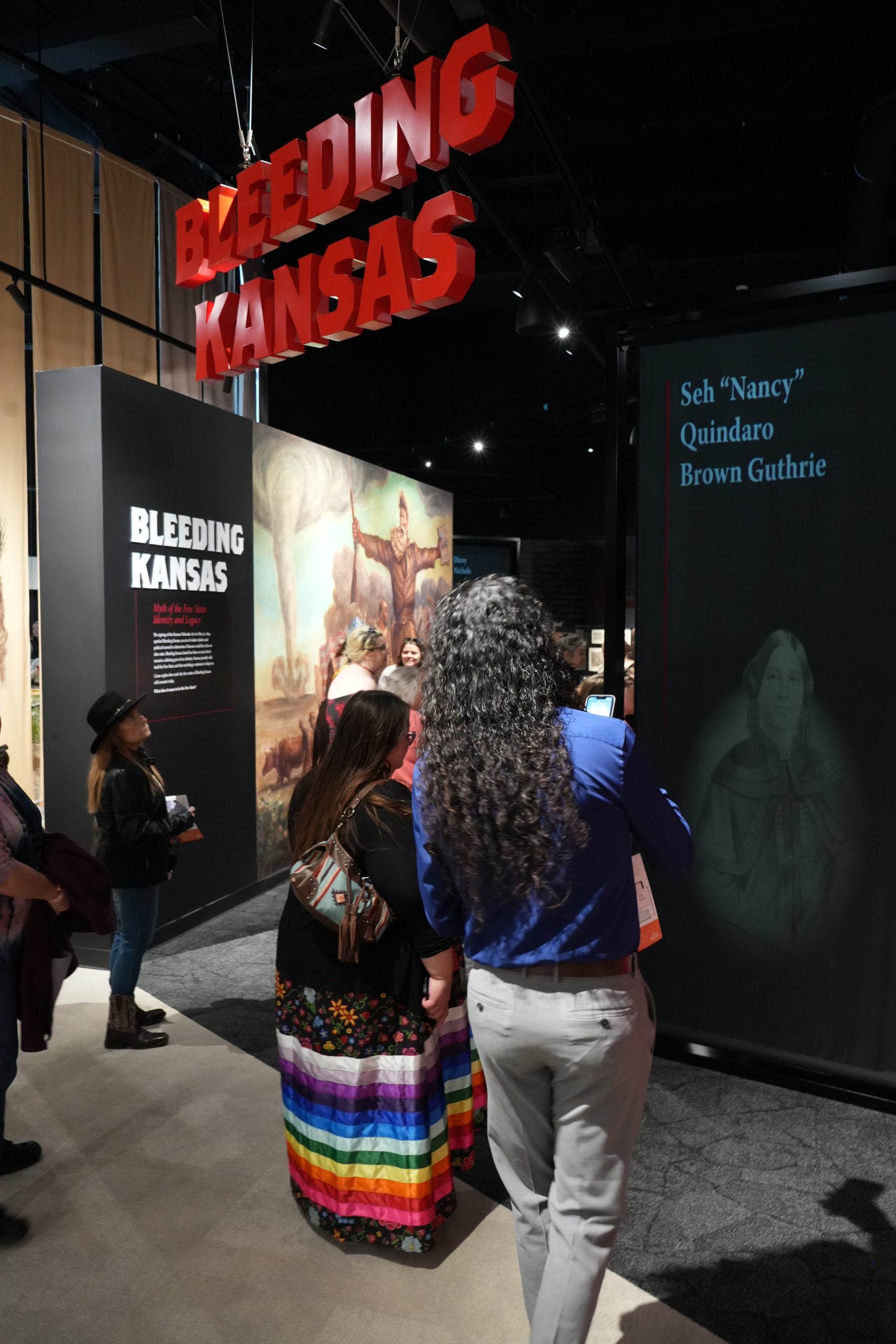
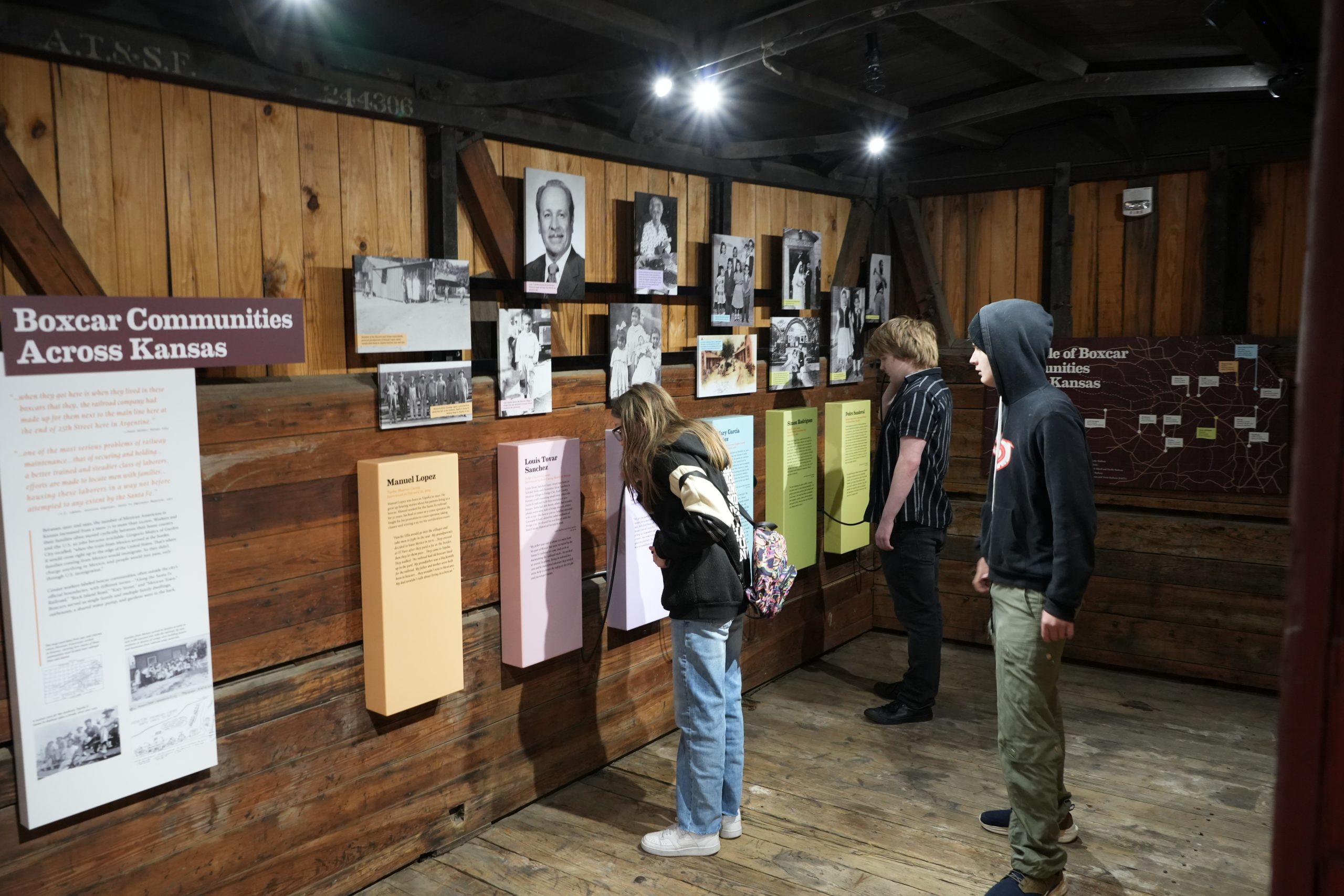
Among the standout features of the redesigned museum were a 1914 biplane, an 1860s cabin, a restored boxcar, and a striking full-scale bison recreation. Lighting and design choices give each gallery its own character, ranging from the moody intensity of “Bleeding Kansas” to the optimistic, future-focused atmosphere of “Changing Kansas.”
Sarah Bell continued, “This renovation represents a critical new chapter for the Kansas Museum of History, one where we’re equipped to serve generations of Kansans and teach them about our state’s storied past. We’ve created a space that’s not just about what happened, but why it matters.”
New Museum Experiences
The reimagined gallery spaces also invites visitors to consider three guiding questions: What is Kansas? What was Kansas? and Why Kansas? While many people associate the state with tornadoes, sunflowers, its Free State legacy, wheat fields, or references to The Wizard of Oz, the renewed museum tells a far broader and deeper story. The exhibitions highlight the experiences of everyday people accomplishing remarkable things; the role of Kansas as a crossroads in the American heartland; the state’s long history of innovation; and the remarkable diversity of cultures and traditions that have shaped its identity.
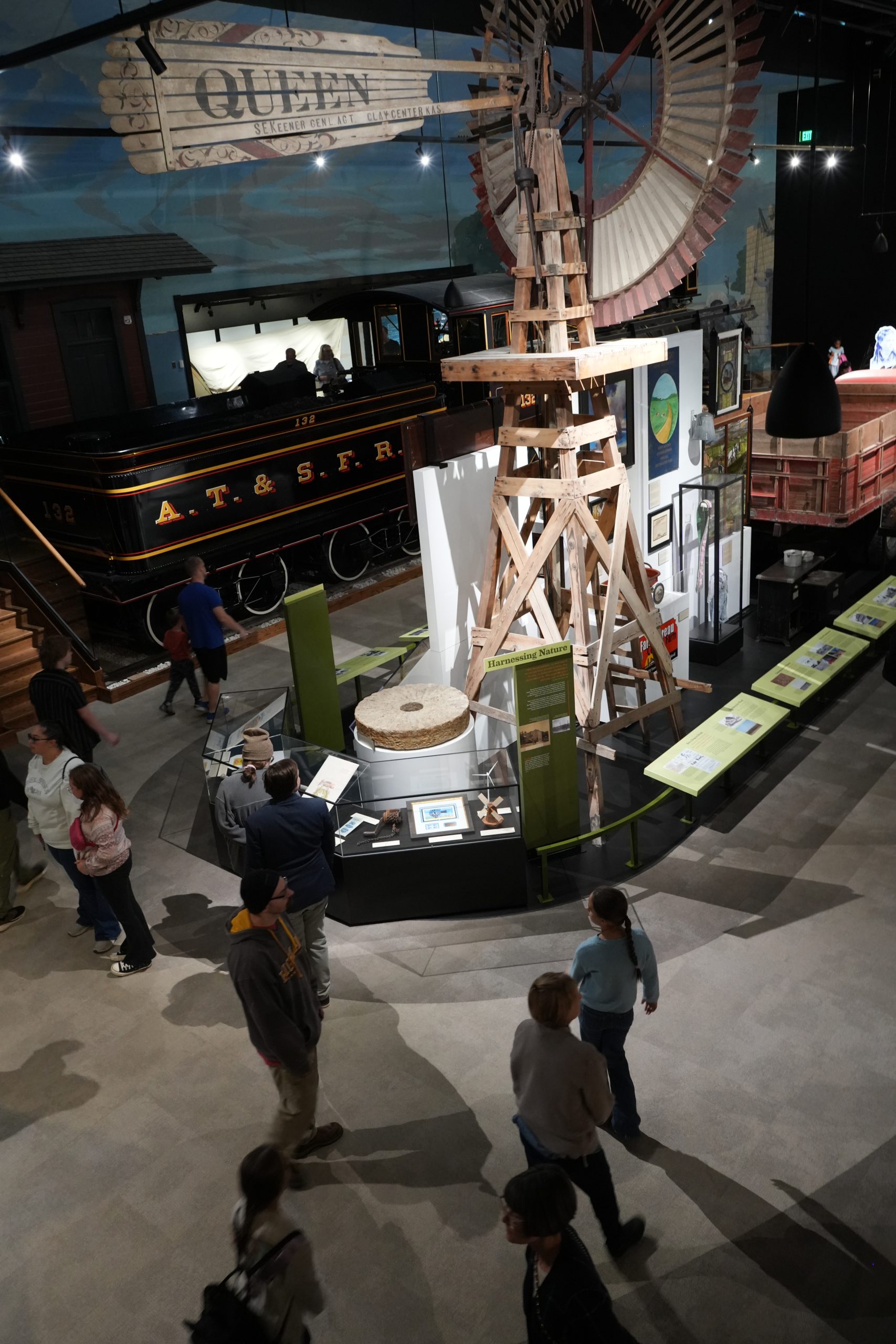
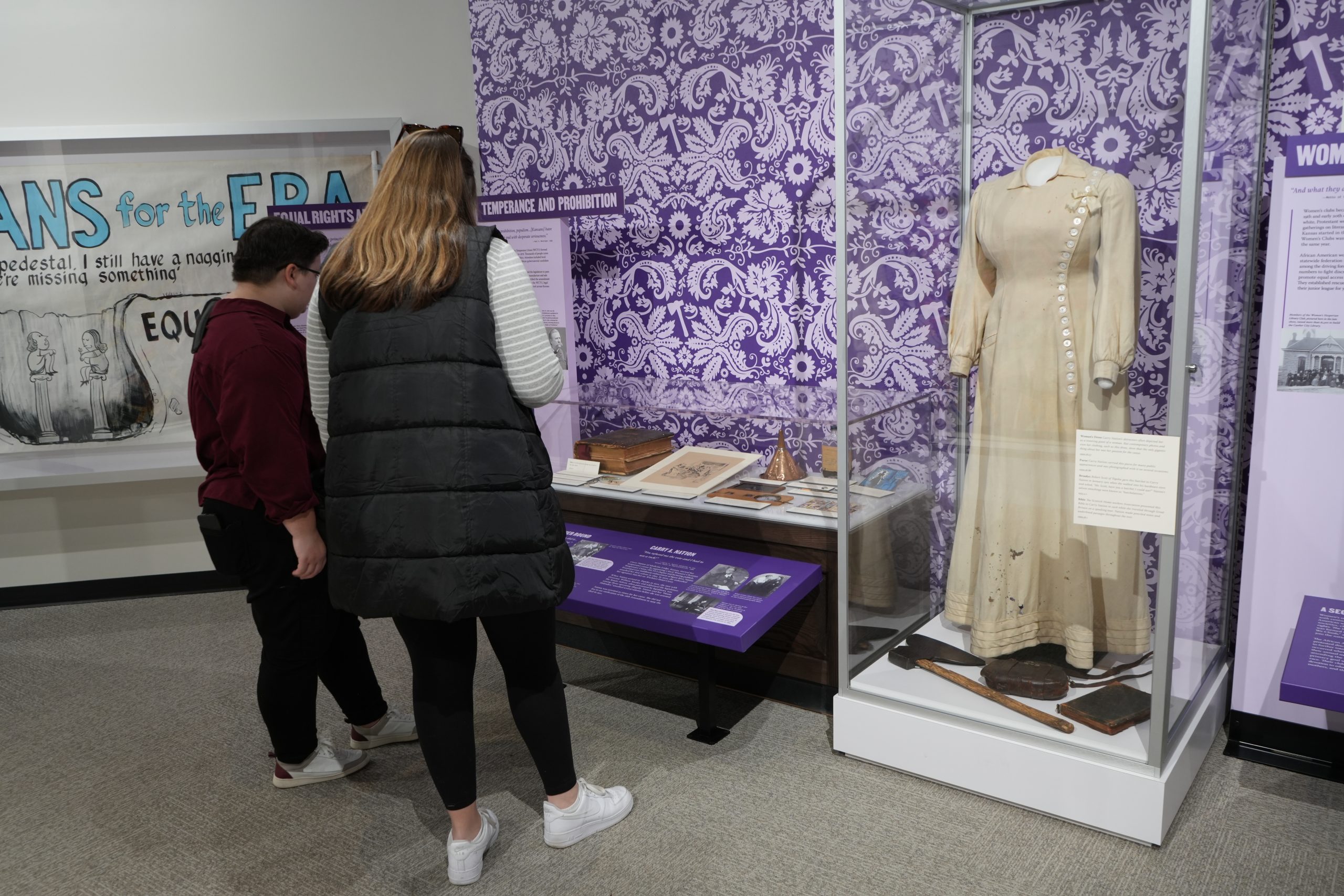
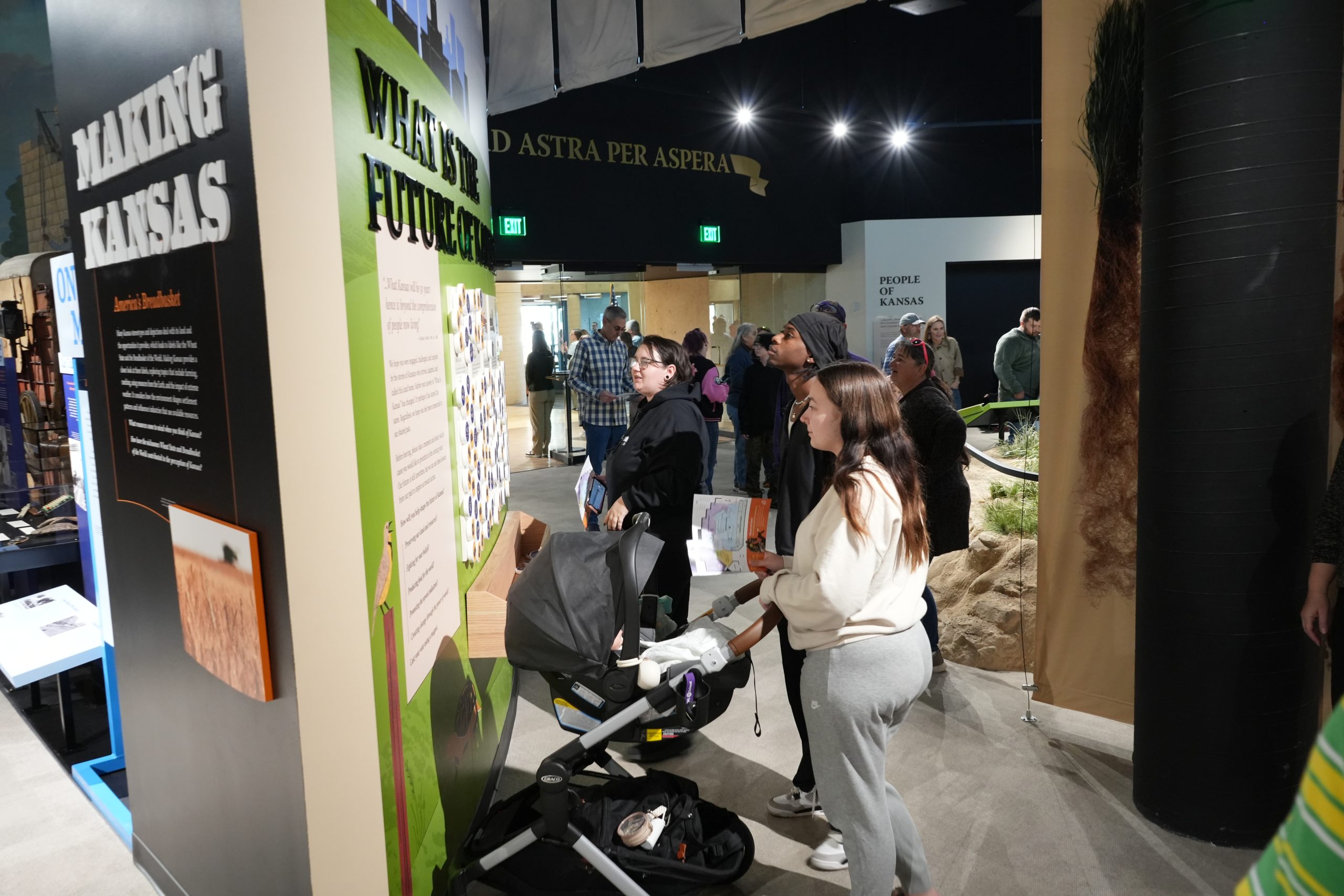
The “Bleeding Kansas” gallery explores the turbulence of the territorial era and the path to statehood, as well as Kansans’ significant role in the Civil War. “Making Kansas” focuses on the natural resources and the land itself, examining how geography, agriculture, and industry helped build the state. “Connecting Kansas,” anchored by the impressive 1880 AT&SF steam locomotive, illuminates the influence of the railroad on movement, migration, and commerce. “Changing Kansas” showcases stories of people who pushed to build a fairer and more inclusive society. Throughout the museum, interactive elements encourage visitors to delve deeper into these themes, discover the stories behind objects, and connect personally with the past.
Beyond the main gallery, the museum’s newly updated lobby welcomes guests with a 1946 Kansas-made Funk airplane suspended overhead, a dramatic and memorable introduction to Kansas ingenuity. Children continue to enjoy the beloved child-sized train, now complemented by a nearby seating area for adults. The snack area features a vintage 1950s diner counter for a nostalgic touch, while the refreshed Museum Store offers a curated selection of Kansas-made goods and gifts. Educational spaces also receive new attention, with the museum’s classroom slated to host innovative programs that support student learning and hands-on engagement with Kansas history.
The reopening also underscores the Kansas Historical Society’s commitment to outreach and public service. As part of its mission to make history accessible to communities across the state, the museum now works in tandem with a robust slate of public programs including, lectures, workshops, tours, and family learning opportunities. These programs help visitors of all ages engage with history in ways that extend beyond exhibitions, deepening understanding and promoting dialogue.
In addition to onsite offerings, the State Archives, also operated by the Kansas Historical Society, serve as a crucial resource for researchers, educators, genealogists, students, and the general public. Through archival programs, reference services, and digital collections, Kansans can explore primary sources ranging from historic photographs to territorial records, government documents, and personal papers. This outreach is central to the museum’s mission, ensuring that Kansas history remains accessible, discoverable, and relevant to communities statewide.
Behind the transformation
The museum’s new chapter grew out of a decade-long collaboration between the Kansas Historical Society and a wide group of partners. Dimensional Innovations, a Kansas City, based experiential design firm known for its work with cultural institutions, served as the lead exhibit designer, fabricator, and installer. Dimensional Innovation’s team collaborated closely with museum staff to shape the visitor experience, developing interpretive strategies, custom exhibit elements, and audiovisual components that support narrative storytelling. Additional partners, including Blue Rhino Studio, Upland Exhibits, and Katalyst, contributed to the project’s extensive fabrication work, from casework and scenic elements to large-scale recreations.
While Dimensional Innovation’s design and fabrication expertise played an important role in the museum’s revitalization, it ultimately supported a broader vision: a welcoming, engaging, and accessible space where Kansans, and visitors from across the country, could see themselves reflected in the unfolding story of the state.
More information about the Kansas Museum of History, its programs, the State Archives, and ongoing outreach initiatives can be found at kansashistory.gov/museum.
As told to Side of Culture from the Kansas Museum of History. All photos are courtesy of Sarah Bell and the Kansas Museum of History.