
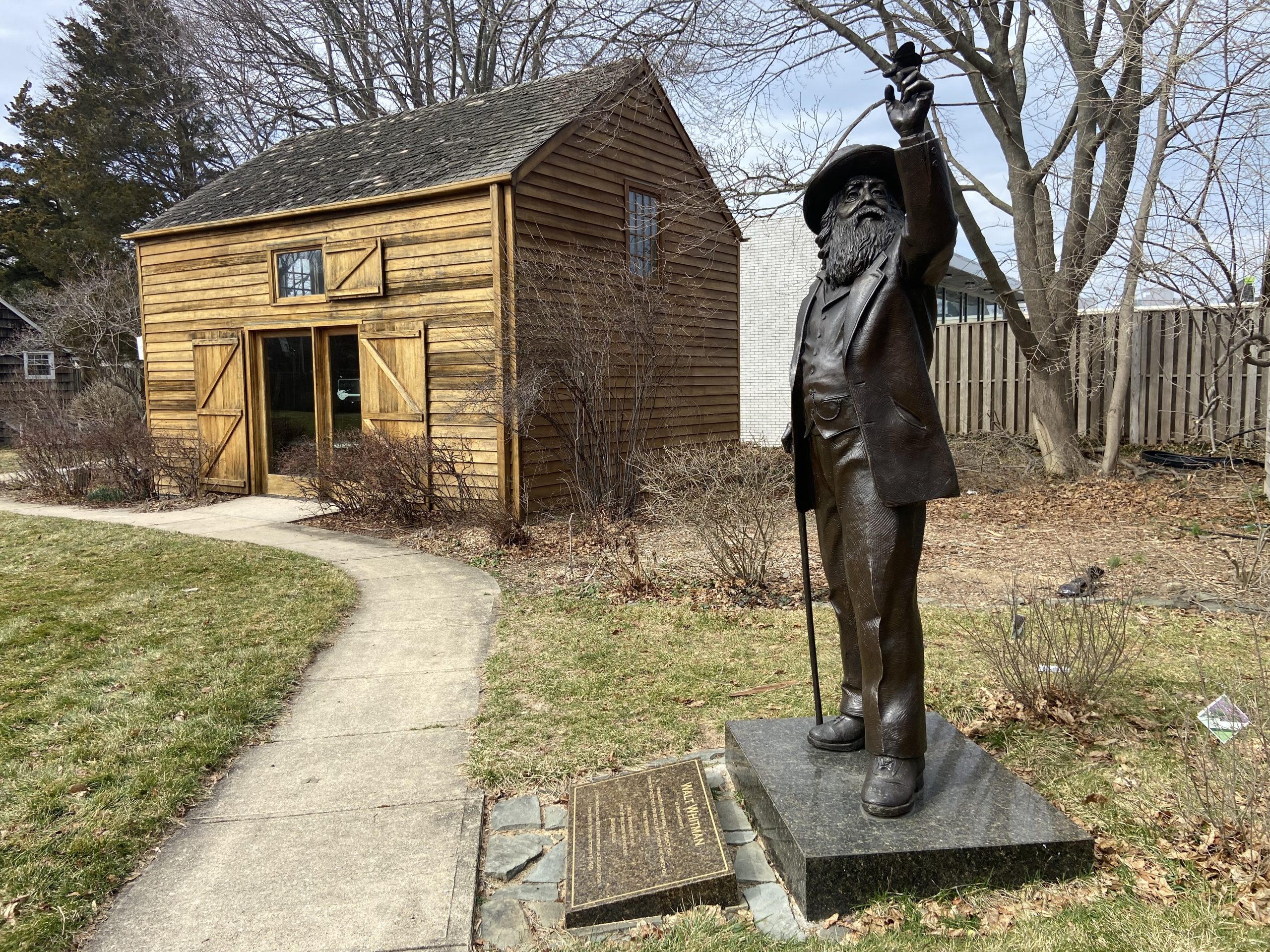
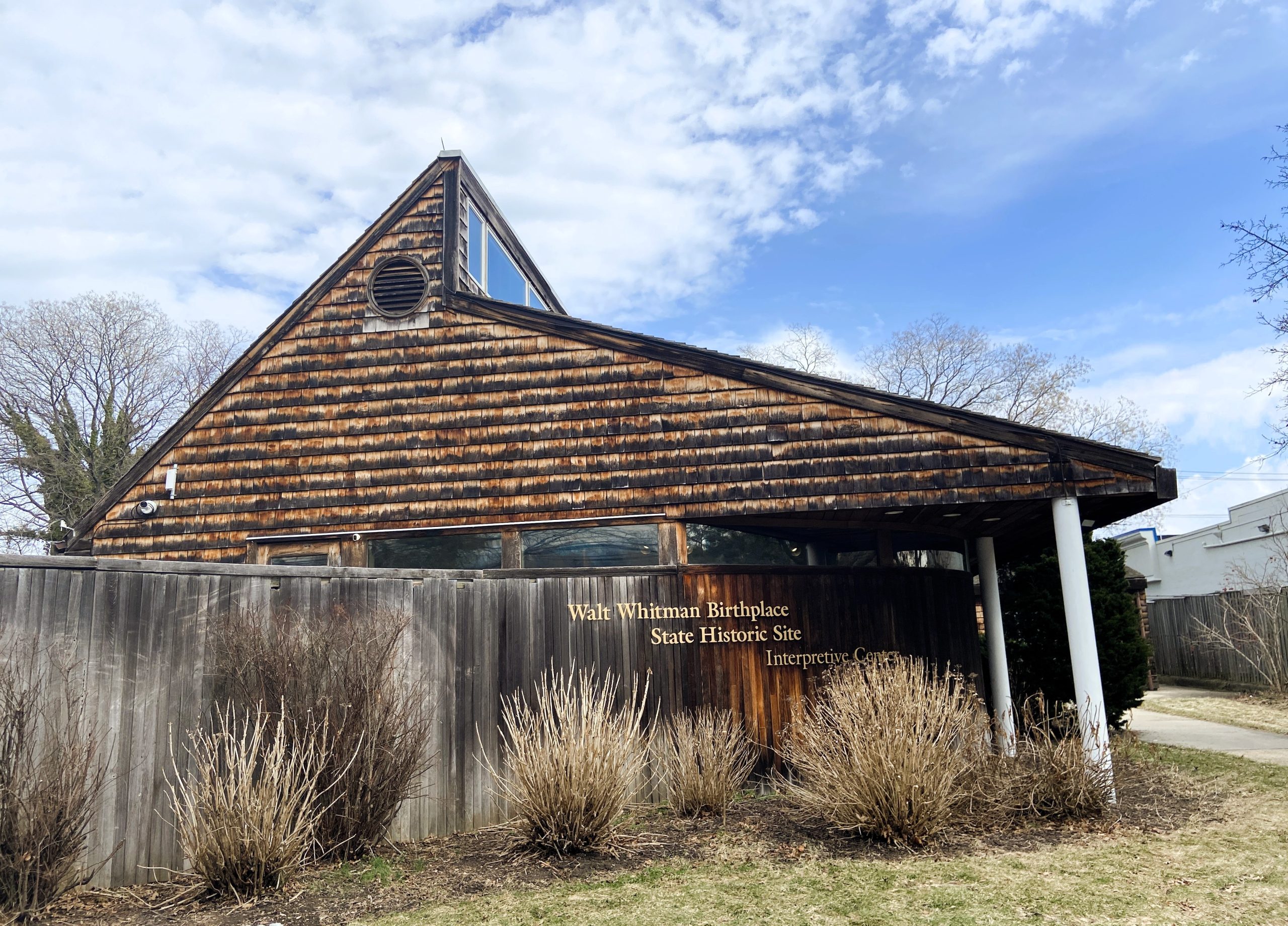
During April’s National Poetry Month programs and America’s 250th anniversary, the life and work of Walt Whitman, the self-proclaimed “Bard of Democracy,” deserve a look for his optimistic embrace of a nation he called “essentially the greatest poem” and “a teeming nation of nations.” One place to start is the Walt Whitman Birthplace State Historic Site and Interpretive Center (also called the Walt Whitman Birthplace Museum) in Huntington Station on Long Island, 37 miles east of Manhattan. The small but information-packed museum and a tour of Whitman’s farmhouse birthplace examine his enduring influence as the creator of a revolutionary American poetic voice. The site also explores Whitman’s belief in the nation’s potential for a diverse democracy despite divisions including the Civil War.
Saving Whitman’s Birthplace
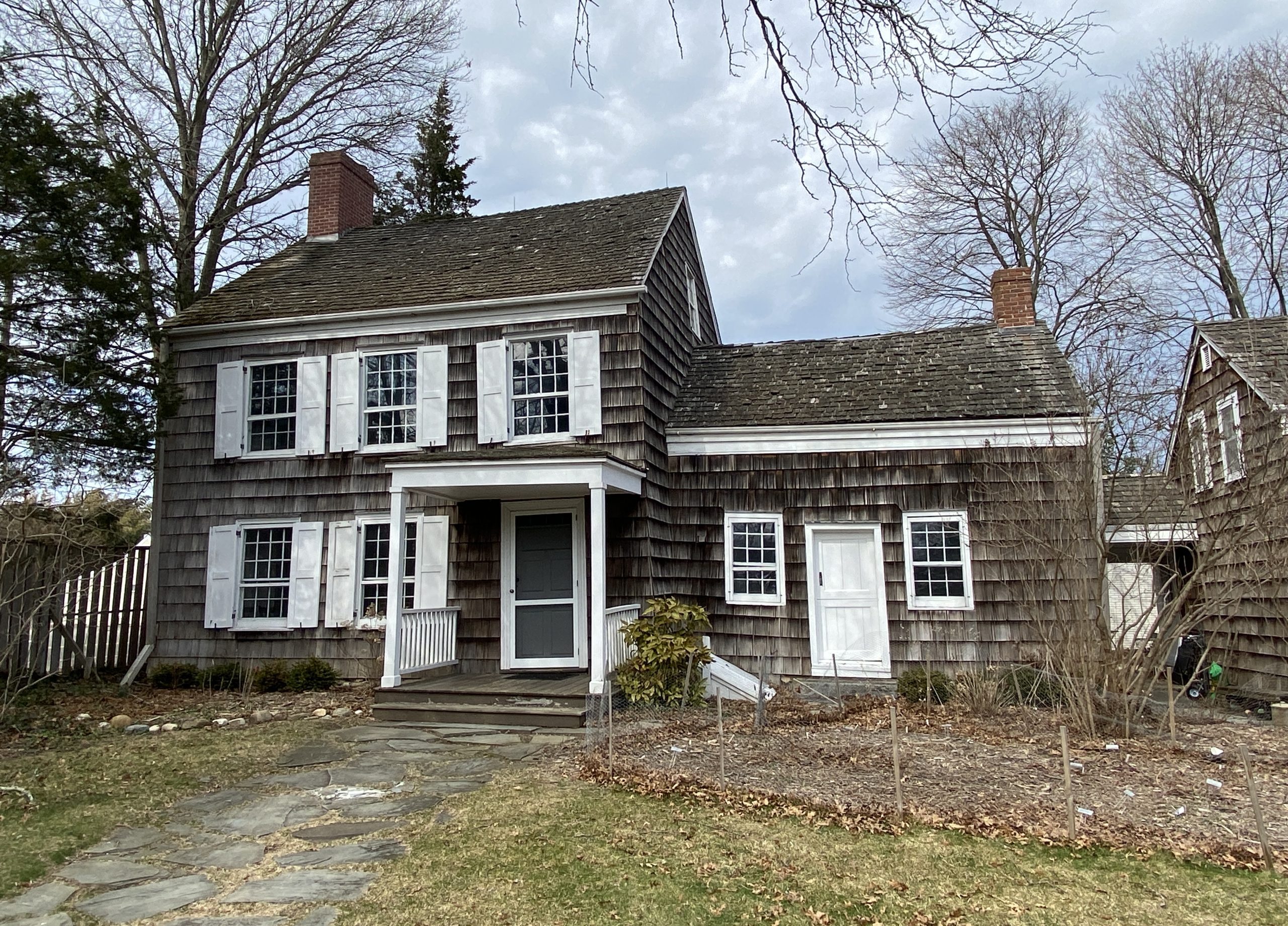
Walt Whitman (1819–1892) was born in the farmhouse, though the family moved to Brooklyn in 1823. As Long Island became more suburban, the famous poet’s birthplace was threatened by development. In 1949, concerned writers and citizens formed the nonprofit Walt Whitman Birthplace Association (WWBA) to raise $20,000 to buy 1.3 acres of what once was a 60-acre farm. The purchase was finalized in 1951, and in 1957 the birthplace became a New York State Historic Site operated by the WWBA and the state. The visitor center and museum opened in 1997, and today the site has about 16,500 visitors annually. Besides promoting Whitman’s legacy, the Birthplace Museum supports poetry by engaging students and the public and offering programs for poets.
Visiting the Museum
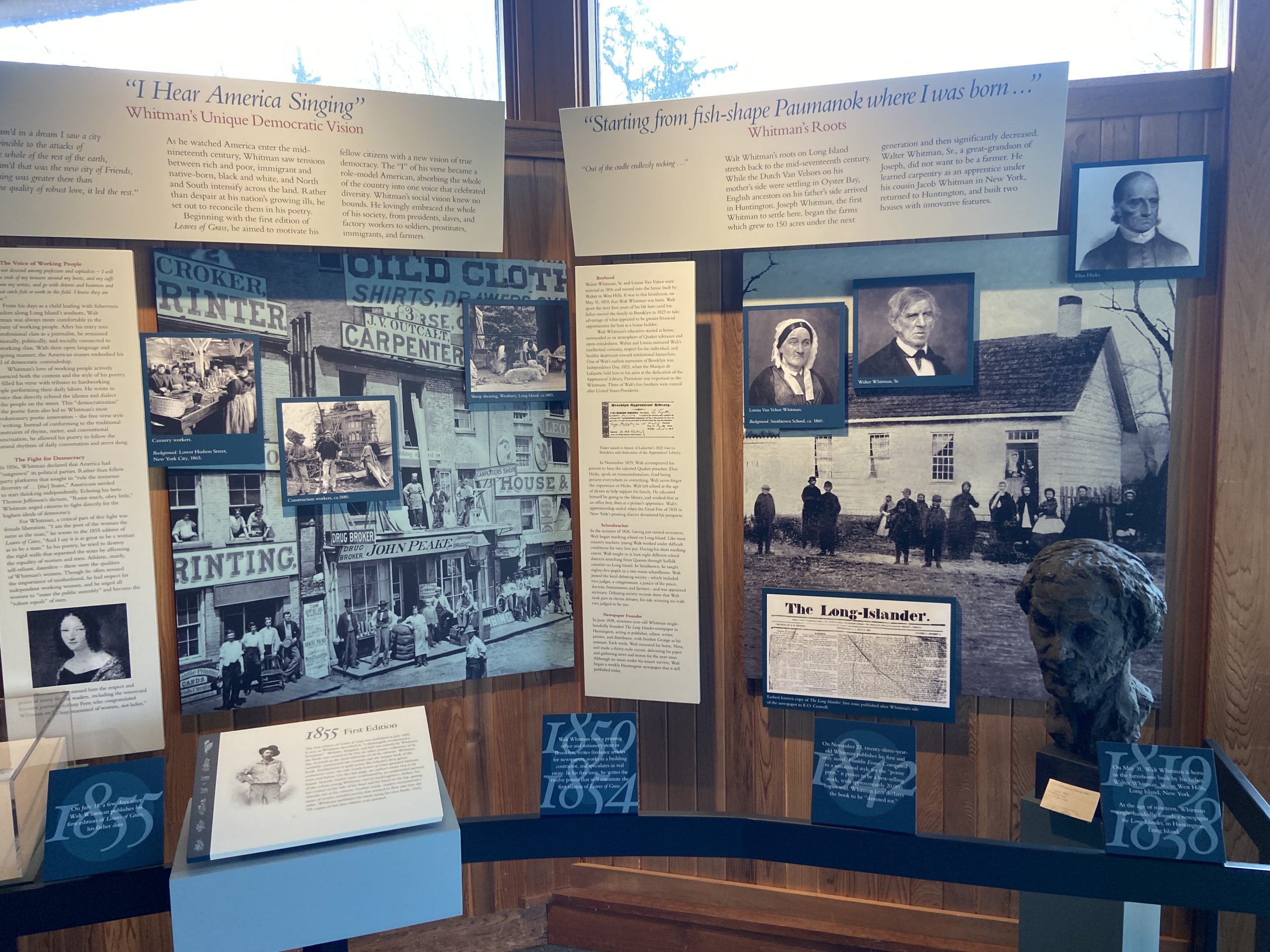
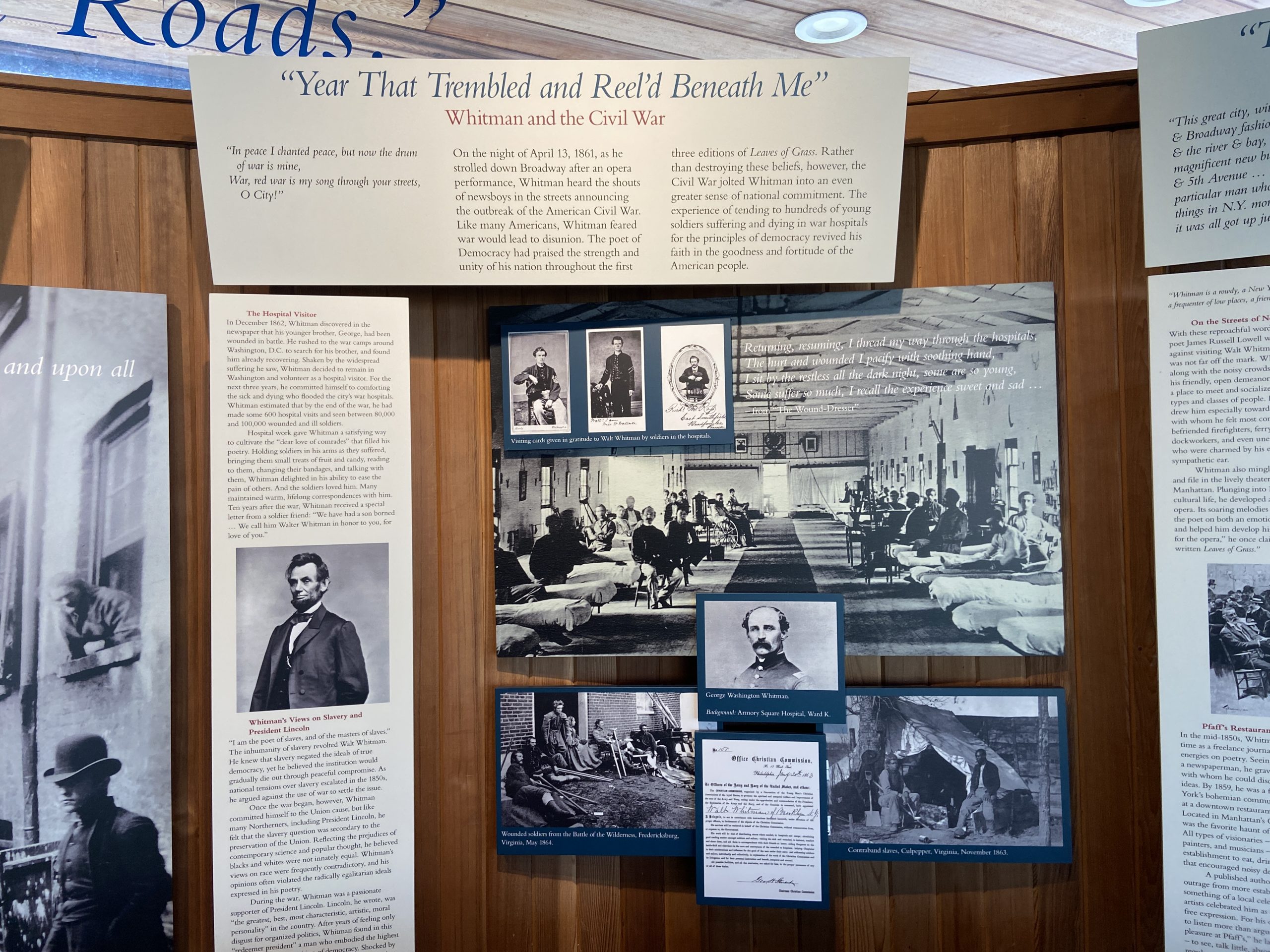
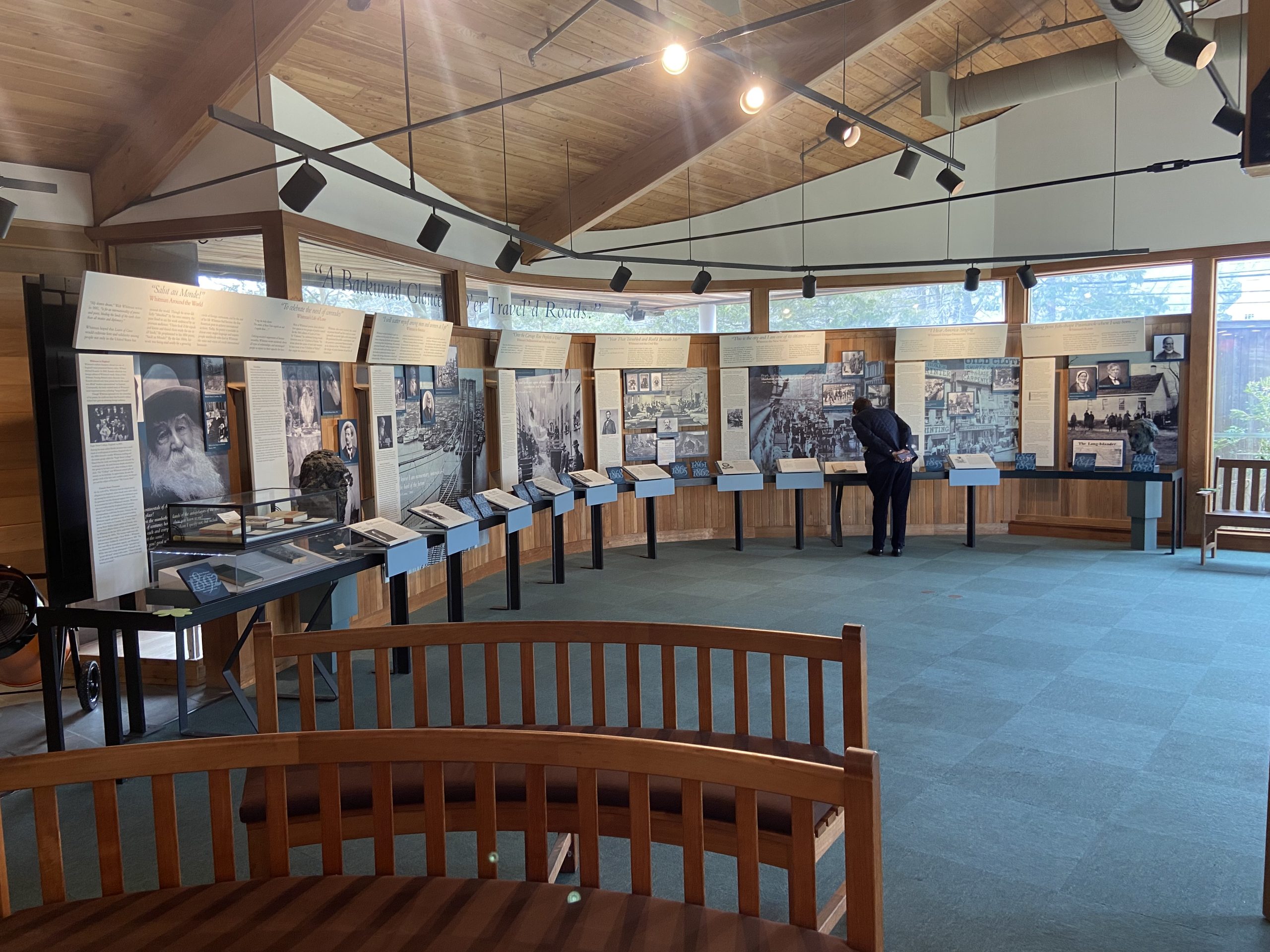
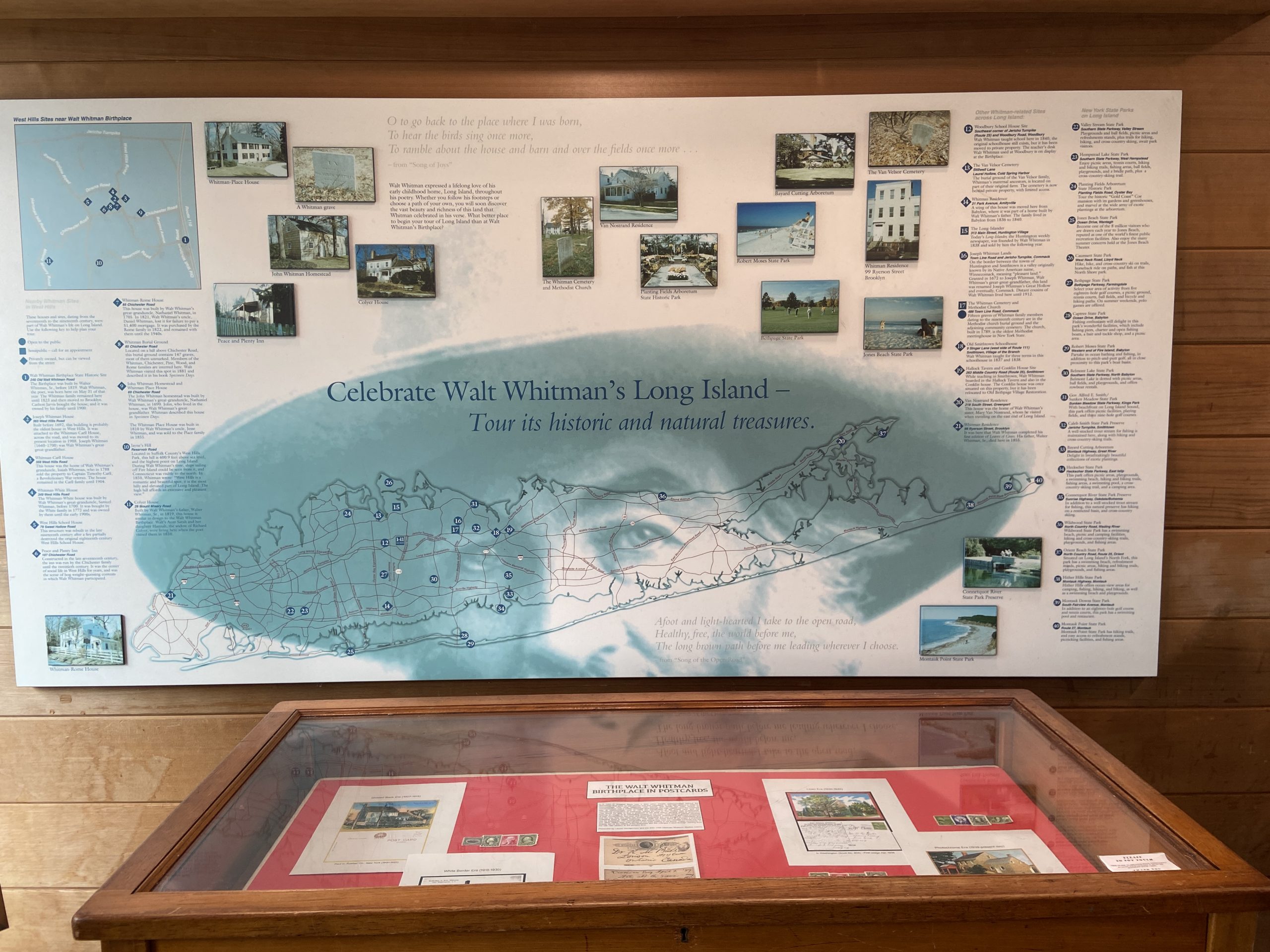
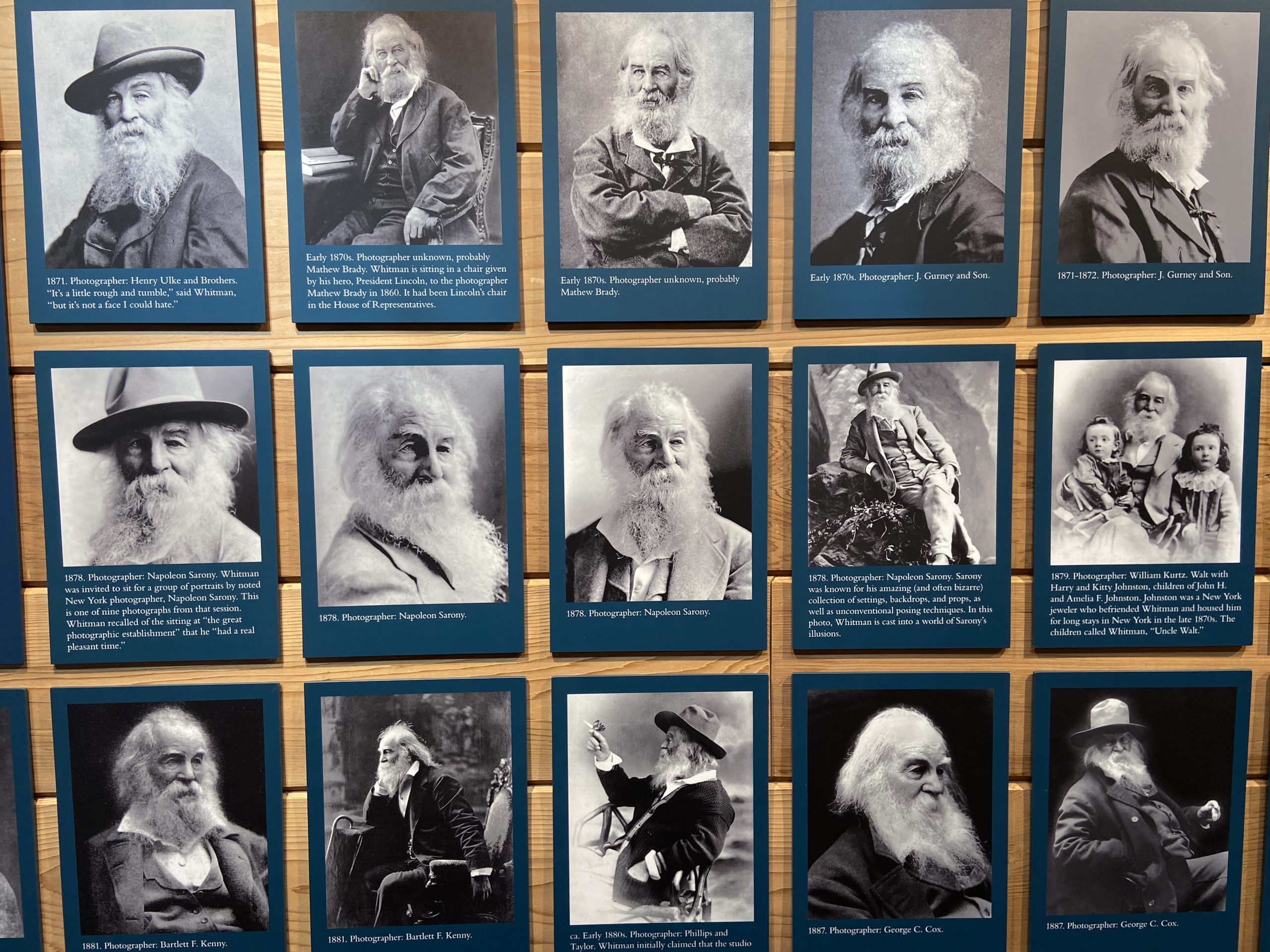
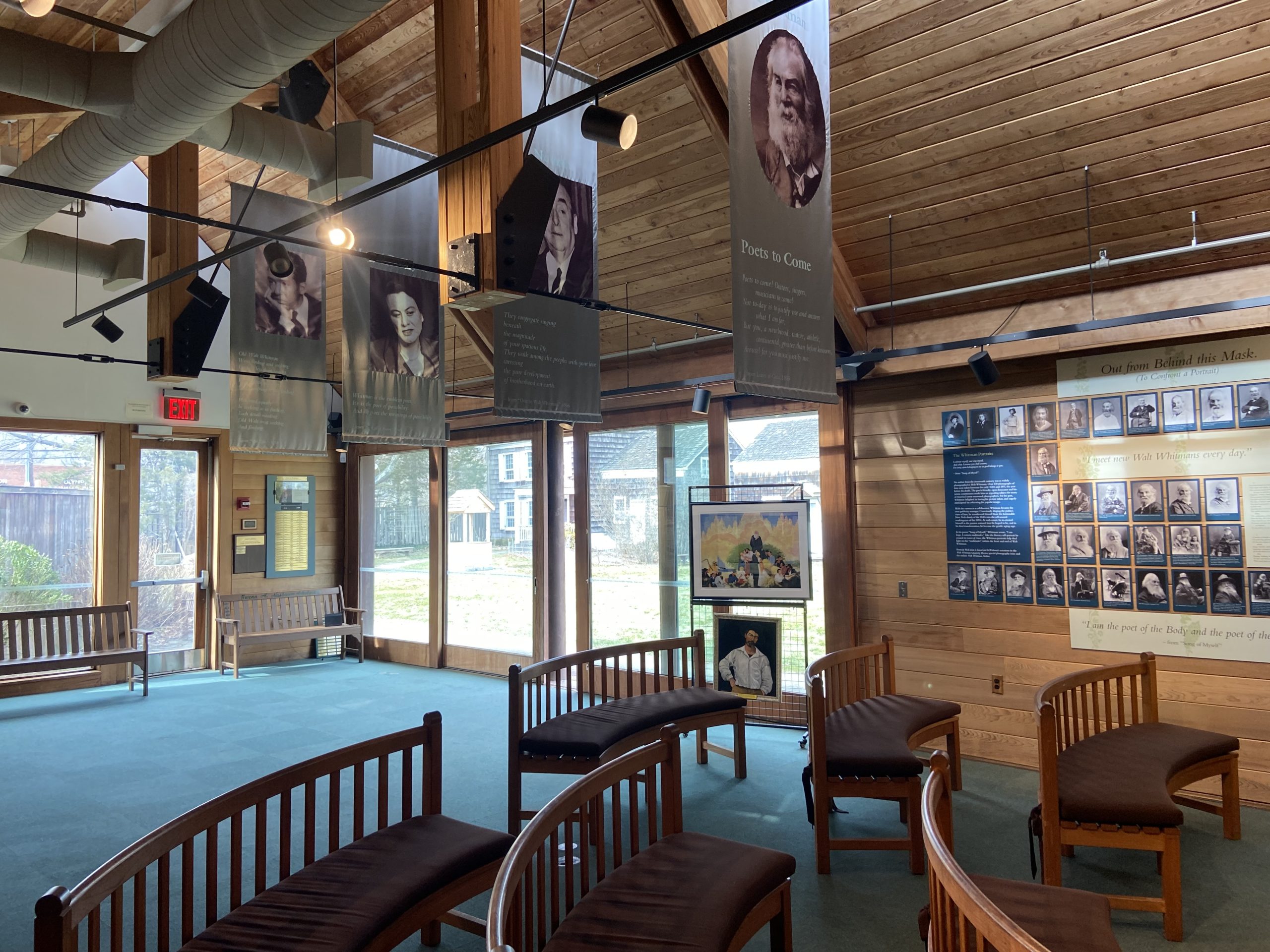
Photo-filled panels in the museum present a chronological and thematic look at the poet’s life. Another display shows dozens of portrait photographs of Whitman, who used the new medium to curate his persona, from bohemian figure sounding his “barbaric yawp” to graying sage. Whitman was fond of “fish-shaped Paumanok” (the Native name for Long Island) and both visited and wrote about it after moving to Brooklyn. A map shows sites associated with Whitman and his family. A brief film introduces Whitman, and visitors can listen to a circa-1890 recording of Whitman reading a few lines of “America”; it’s an eerie experience.
Whitman’s Quaker-influenced parents encouraged his intellectual curiosity and respect for individuals, but he left school at eleven to help support his parents and seven siblings. Libraries and walks on Brooklyn and Manhattan streets provided education, along with jobs as an office boy, printer’s apprentice, and teacher. Whitman became a freelance essayist and journalist at papers including the Brooklyn Eagle, which he edited from 1846 to 1848.
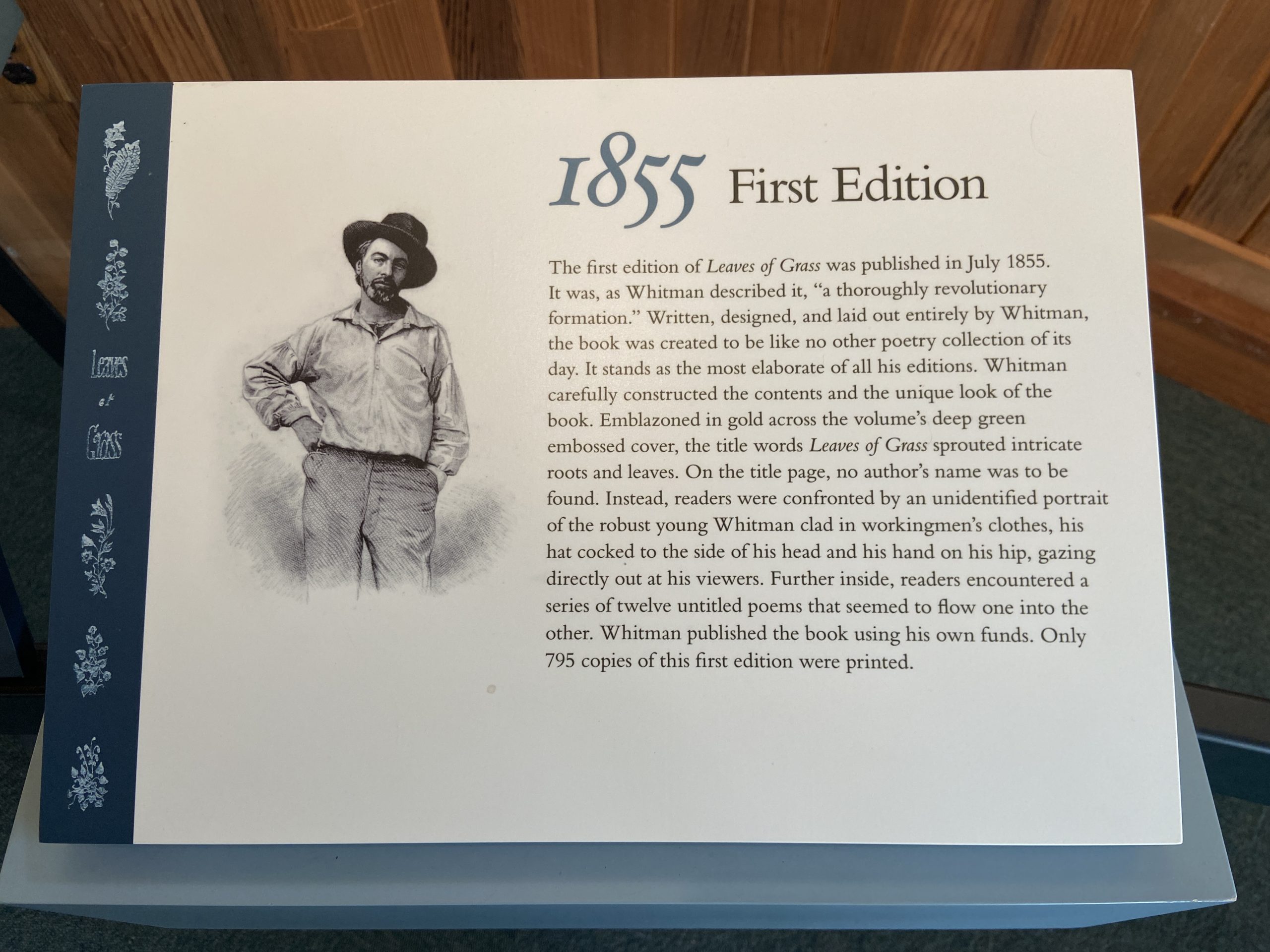
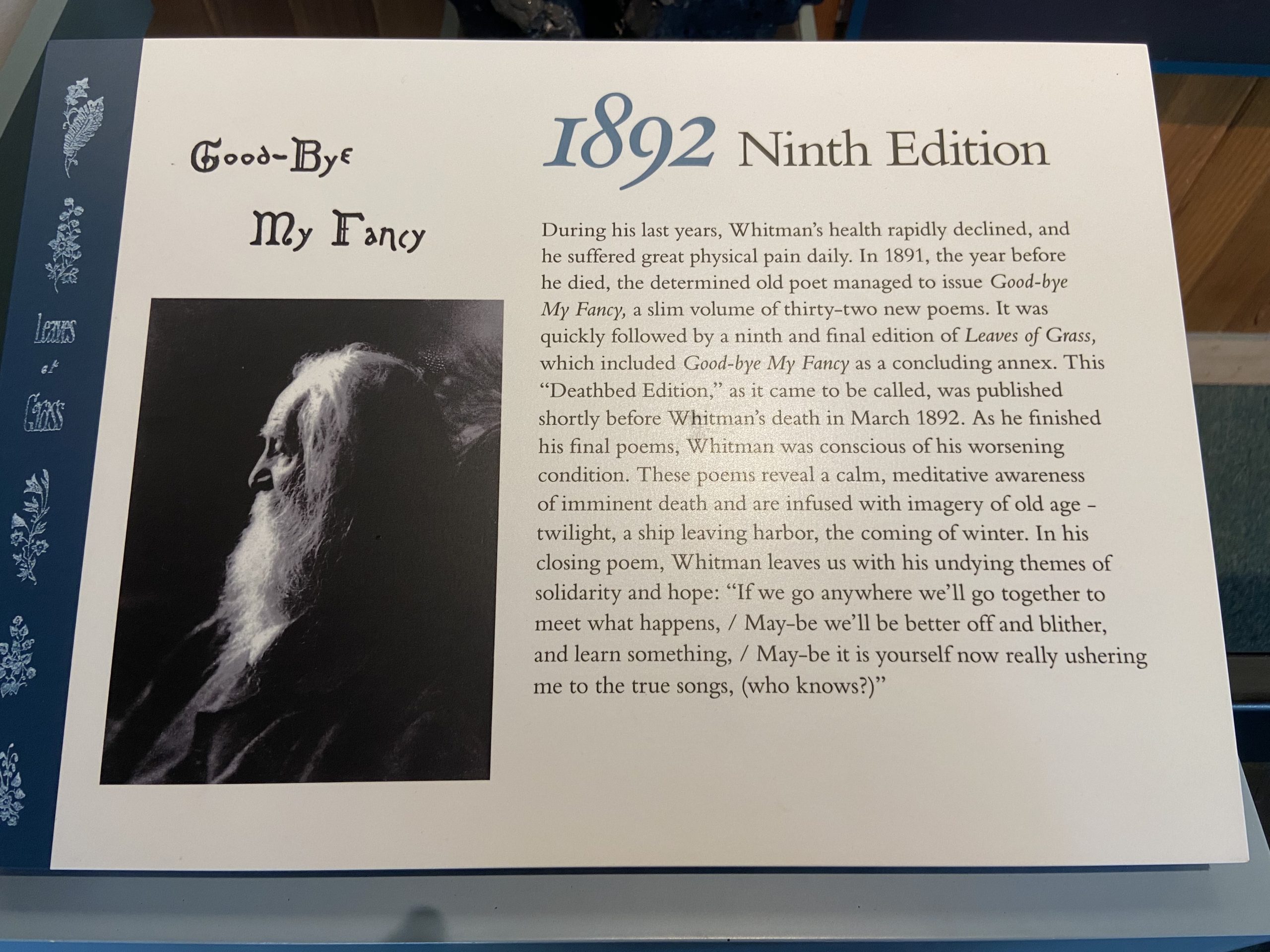
As the displays relate, the self-educated writer formed what one panel calls a “unique democratic vision.” He extolled women and men of all classes and races as the country was growing with immigration and becoming more urban and industrialized. In 1855, Whitman self-published the first edition of Leaves of Grass. Its twelve poems were written in a style that would win him recognition as the creator of free verse. The poems use uneven line lengths and rhythmic repetition of phrases, rather than strict meter and rhyme, and the common vernacular: “Song of Myself” is a good example. Leaves of Grass became Whitman’s lifework; by the ninth or “Deathbed” edition in 1892, it contained 389 poems. Though Ralph Waldo Emerson hailed the first edition as “the most extraordinary piece of wit and wisdom that America has yet contributed” and Whitman had loyal supporters including many in England, his poetry was generally not financially successful in his lifetime.
The panel on Whitman’s transformative experiences during the Civil War notes that the brutal war affirmed the poet’s sense of national commitment. After traveling to Washington, DC, in 1862 to find his wounded brother, George, Whitman stayed and volunteered as a hospital nurse to Union and Confederate soldiers during some 600 visits. Whitman remained in DC until 1873, working for the government and writing. His 1865 collection of war poems, Drum-Taps, and its sequel (later absorbed into Leaves of Grass) influenced subsequent war poetry with their depiction of war’s harsh realities. The collection included his famous elegy to Lincoln, “When Lilacs Last in the Dooryard Bloom’d.” During this period Whitman also began his long romantic friendship with streetcar conductor Peter Doyle. The displays discuss Whitman’s intense friendships with women and men, as well as the sexual frankness (for the era) of his poems. The “Calamus” poems in Leaves of Grass about “the manly love of comrades,” in particular, influenced later LGBTQ literature.
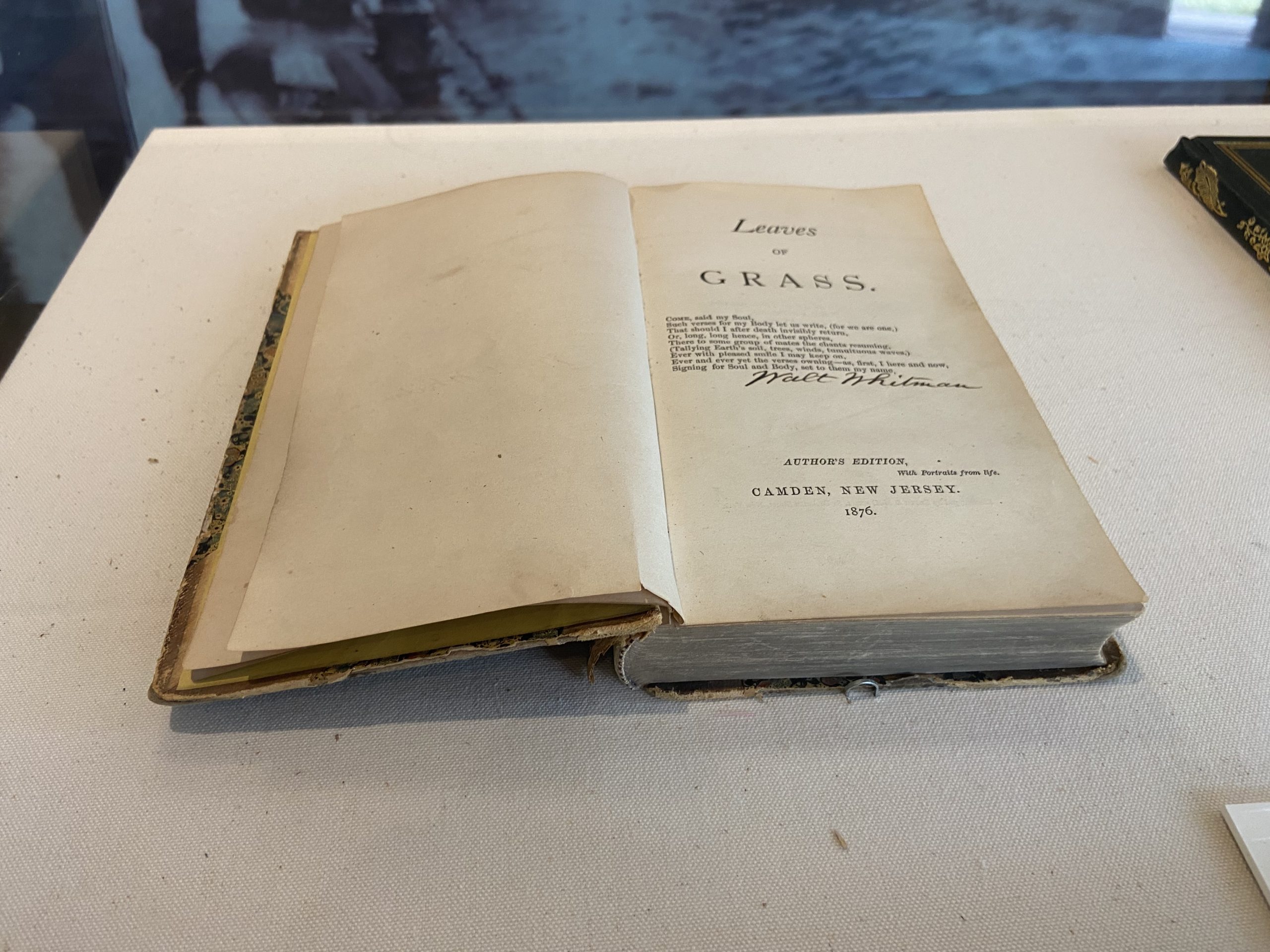
After the Civil War, Whitman became disillusioned with growing government corruption and the rapid industrialization that he felt were crushing the spirit of Americans. He maintained faith, though, that the future would see his vision of democracy realized. (The displays don’t discuss the poet’s racist comments in his private writings and some works, but the Walt Whitman Archive has an introduction to this complex subject.) After a stroke in 1873, Whitman moved to Camden, New Jersey, living with his brother and then buying a house in 1884. Until his death in Camden in 1892, he wrote and worked on Leaves of Grass while cultivating his image as the kindly national bard. He also entertained many notable visitors, from artist Thomas Eakins to Oscar Wilde.
Touring the Birthplace and Grounds
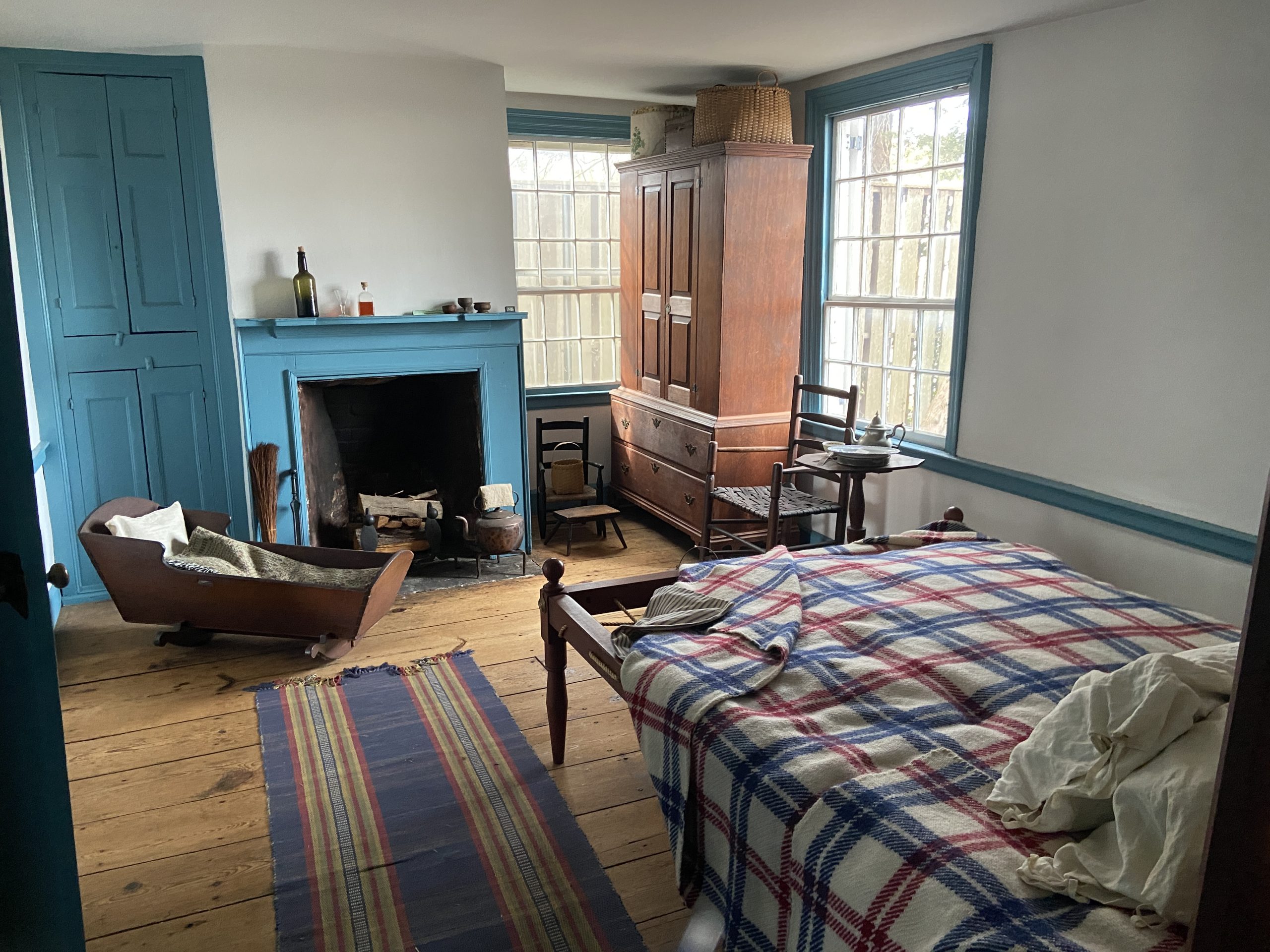
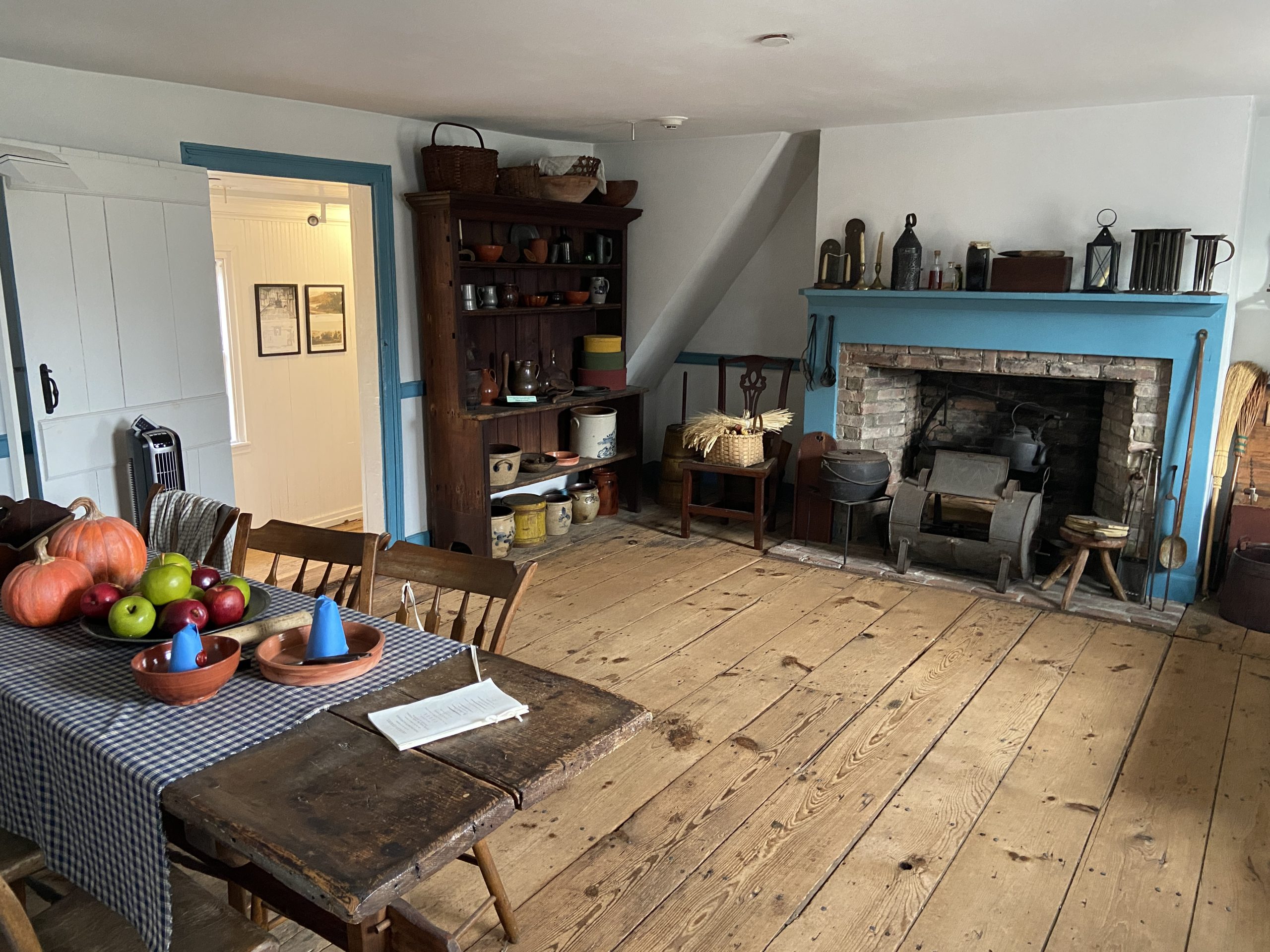
Walter Whitman Sr., a carpenter, built the sturdy, shingled farmhouse around 1810 for a farmer who later sold it and the farm to him. The Whitmans had been on Long Island for five generations when Walter Sr. married Louisa Van Velsor in 1816. A guided tour of the house, restored to its 1823 appearance and filled with period-appropriate antiques (though not family items), gives information about the Whitmans’ extended family and Walt’s youth. The tour provides good sense of the rural, pre-industrial Long Island into which the poet was born, though he lived here for only four years. The neat front parlor with its large windows would have received guests. The rear parlor is set up with a bed and cradle, as it may have been where Louisa recovered after giving birth to three children including, in 1819, Walt. The large kitchen has period tools for baking and cooking, and a spinning wheel fills part of one bedroom upstairs. Modern structures on the grounds include a Gathering Place, used as a classroom and exhibition space.
Community Outreach
For the nation’s 250th anniversary, the Birthplace Museum is presenting an immersive program, Revolutionary Voices, with actors portraying Revolutionary War and early 19th-century figures, on select dates. Ongoing programs for adults include poetry readings and workshops, art sessions, and discussions on community issues.
Field trip options for students from pre-K through grade 12 relate to history as well as literature and language arts. Many trips include poetry analysis and the opportunity to write a poem. Some focus on civic mindedness and cover Whitman’s experiences during the Civil War. Birthplace tours are always popular, allowing students of different ages to discover what life was like in the early 19th century.
Among the programs administered by the WWBA that support poets are the Gwenn A. Nusbaum Scholarship, awarded annually to younger poets to assist their creative careers, and an annual Poet-in-Residence program recognizing a contemporary poet who exemplifies Whitman’s values. The Long Island Poet of the Year Award honors local poets who champion poetry through writing, teaching, and community events. Students and English classes can also participate in the WWBA’s annual Student Poetry Contest, which receives thousands of entries.
Other Whitman Sites and Resources
The Walt Whitman House in Camden, Whitman’s final home, is owned by the State of New Jersey and operated with support from the Walt Whitman Association. It closed in late 2025 for a $13 million restoration and expansion that will include a new visitor and interpretive center. The current reopening date is 2027; check the website for information. New York City is home to the Tane Library and the Walt Whitman Initiative, a nonprofit inspired by Whitman’s inclusive ideals to “serve as an organizing center for cultural activism and poetry-related events.”
The Birthplace Museum shop sells books by and about Whitman, and a new Barnes & Noble, steps away, has a Whitman display and additional books. Walt Whitman: Citizen Poet, a video from the Poetry Foundation, provides a good introduction to Whitman’s ideas. The Walt Whitman Archive, an ongoing digital project at the University of Nebraska—Lincoln, provides free access to many of the poet’s books, letters, and much more. The 1855 first edition of Leaves of Grass, with Whitman’s stirring Preface about poets and the role of poetry, is one good place to start reading.
Side Dish
Chain and independent restaurants line Walt Whitman Road, from Rocco’s Tacos & Tequila Bar to the sushi favorite Gastronomy Restaurant in the Walt Whitman Mall; American and Asian-inspired fare are on the menu too. A few miles away in Woodbury, Ben’s Kosher Delicatessen Restaurant has a long menu of traditional comfort foods like pastrami sandwiches, Hungarian goulash, and chicken pot pie.
Born on Long Island, Linda Cabasin is a travel editor and writer who covered the globe at Fodor’s before taking up the freelance life. She is a writer for Fodor’s Philadelphia and a contributing editor at Fathom. Follow Linda on Instagram at @lcabasin.
Featured Image: On the grounds are the modern Gathering House and a bronze statue of Whitman donated by a Japanese Buddhist leader, Daisaku Ikeda. Photo by Mike Squires