
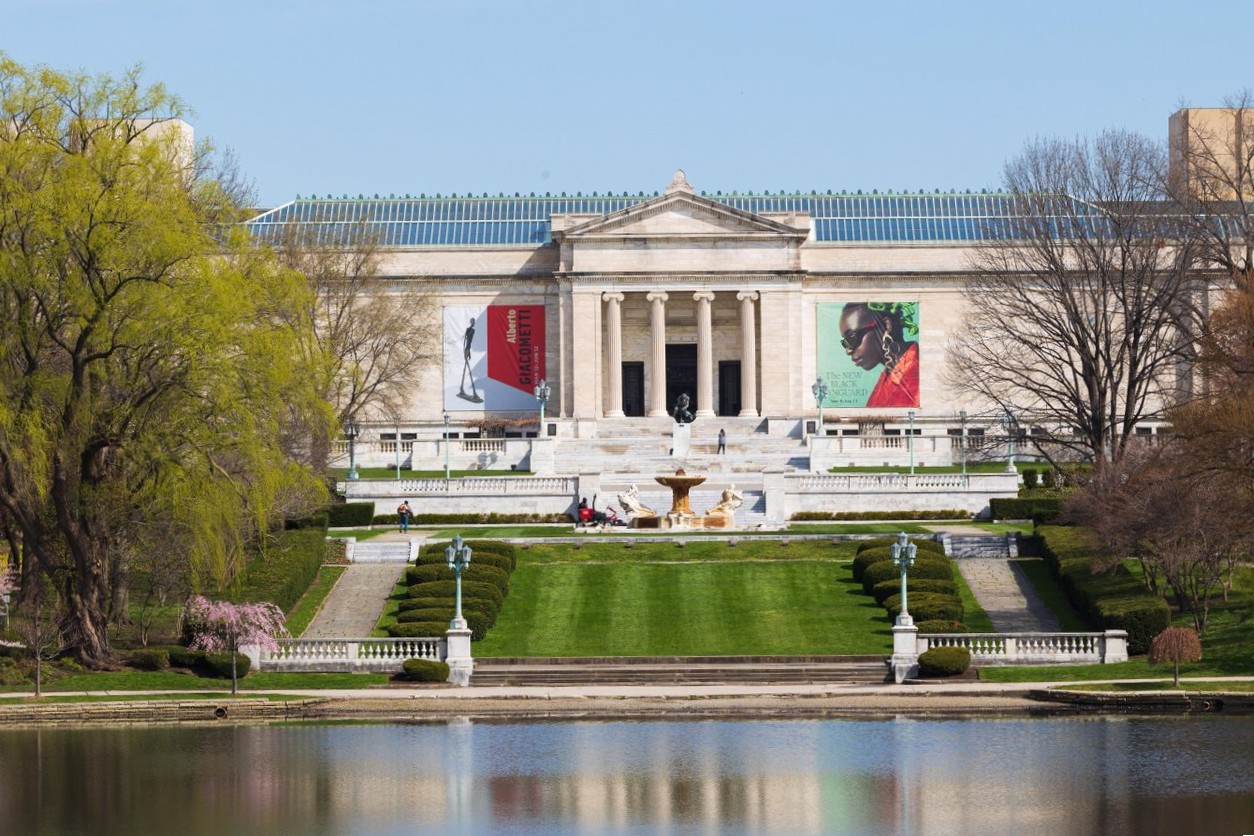
In Cleveland, economic redevelopment and cultural revitalization have happened side by side since the 1990s. Growth and innovation in healthcare, biotechnology, and advanced manufacturing are driving this Northeast Ohio city’s transition from heavy industry. Even the once infamously polluted Cuyahoga River is now a National Heritage River with the Cuyahoga River Water Trail. Cleveland was fortunate that the oil refining, steel, and other industries that enriched it during the 19th and early 20th centuries also produced donors who funded enduring cultural institutions, including the free Cleveland Museum of Art (CMA) in University Circle. At a challenging time for museums, the CMA has bucked headwinds, experiencing its largest attendance ever—over 800,000—in 2025 and presenting engaging exhibitions and programming. Known for digital innovation, it will open the revamped ArtLens Gallery in summer 2026, blending art and technology to reach today’s diverse audiences. The museum is just one example of the city’s cultural vitality.
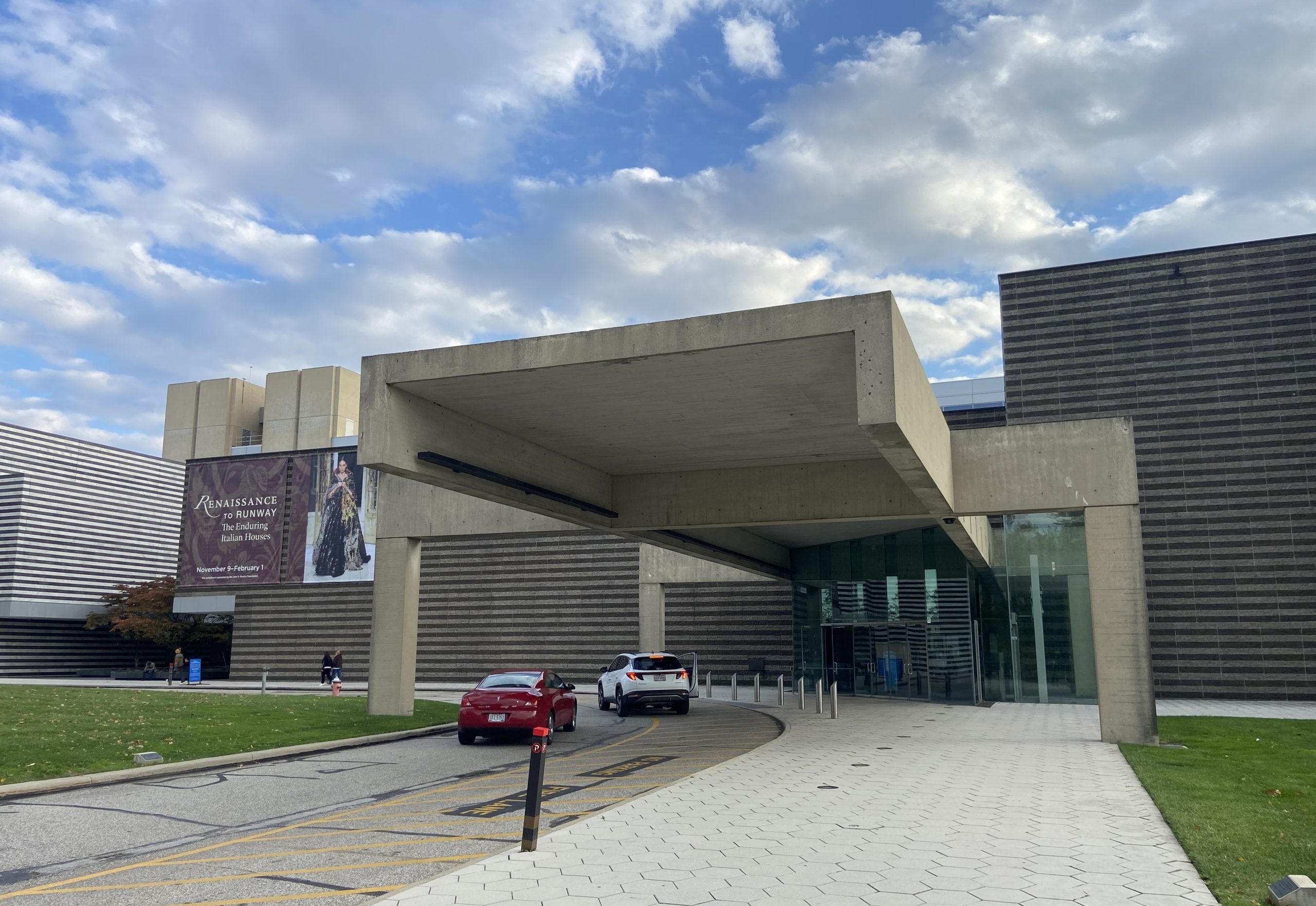
Four Clevelanders—John Huntington, Hinman Hurlbut, Horace Kelley, and Jeptha Wade II—provided funds and an endowment to create the art museum, which opened in 1916 when the thriving city was the nation’s sixth largest. Founding documents stated that the museum was “for the benefit of all the people forever.” This mission has guided the CMA’s commitment to offering free admission (except for some special exhibitions), collecting art from around the world, and providing inspiring experiences for a broad population. An endowment that is one of the largest of any American art museum, good leadership, and donor support have helped the CMA acquire an encyclopedic, highly regarded collection of more than 66,500 artworks. Museum support also comes from the citizens of Cuyahoga County, which includes Cleveland. Since 2006, a voter-approved county tax has enabled the government agency Cuyahoga Arts & Culture (CAC) to provide grants to museums and nonprofits both small and large. Regarded as effective and creative in developing the regional economy as well as the arts, CAC is providing $12.9 million in 300 grants in 2026.
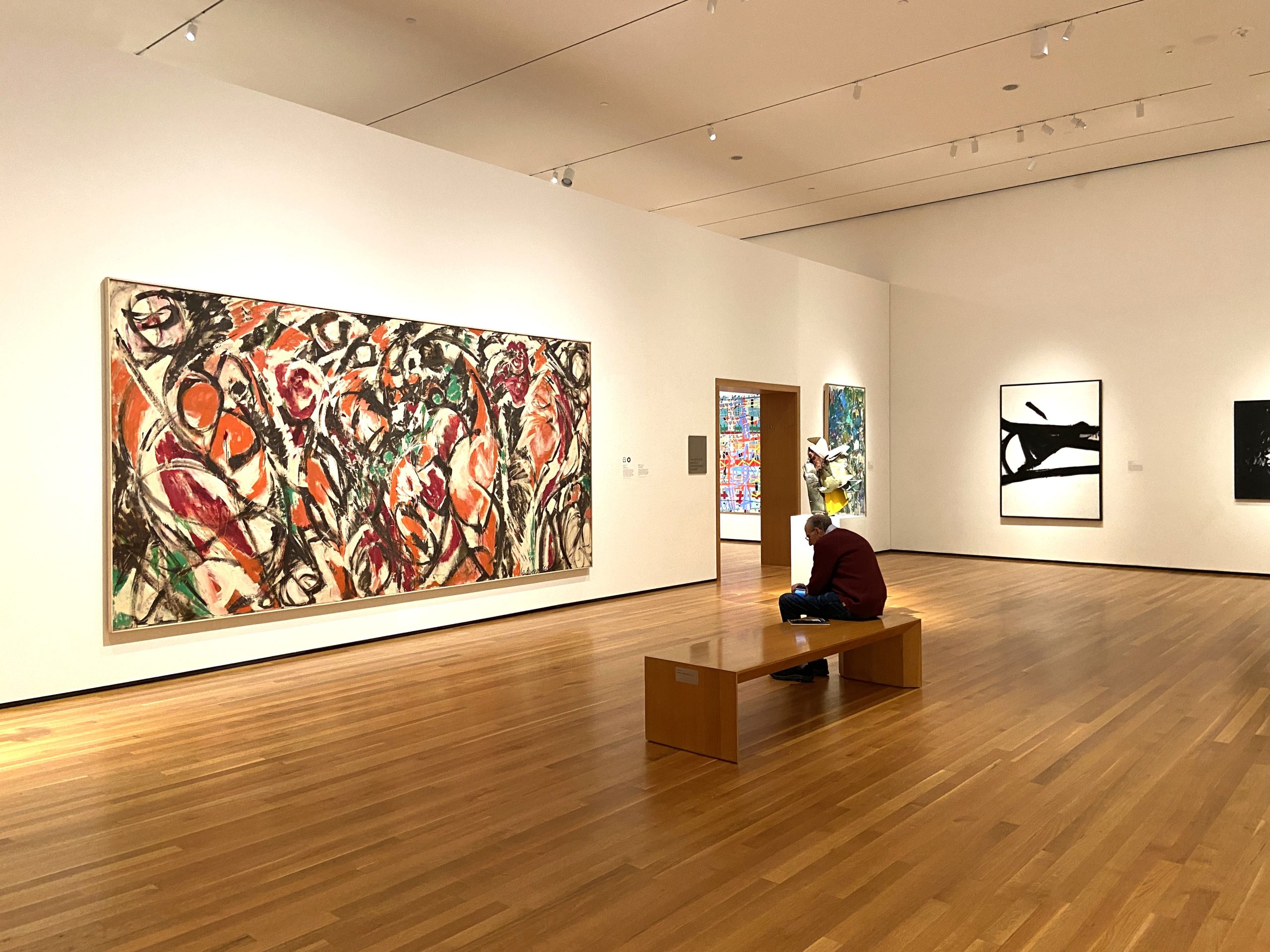
Exploring the CMA and Its Satellites
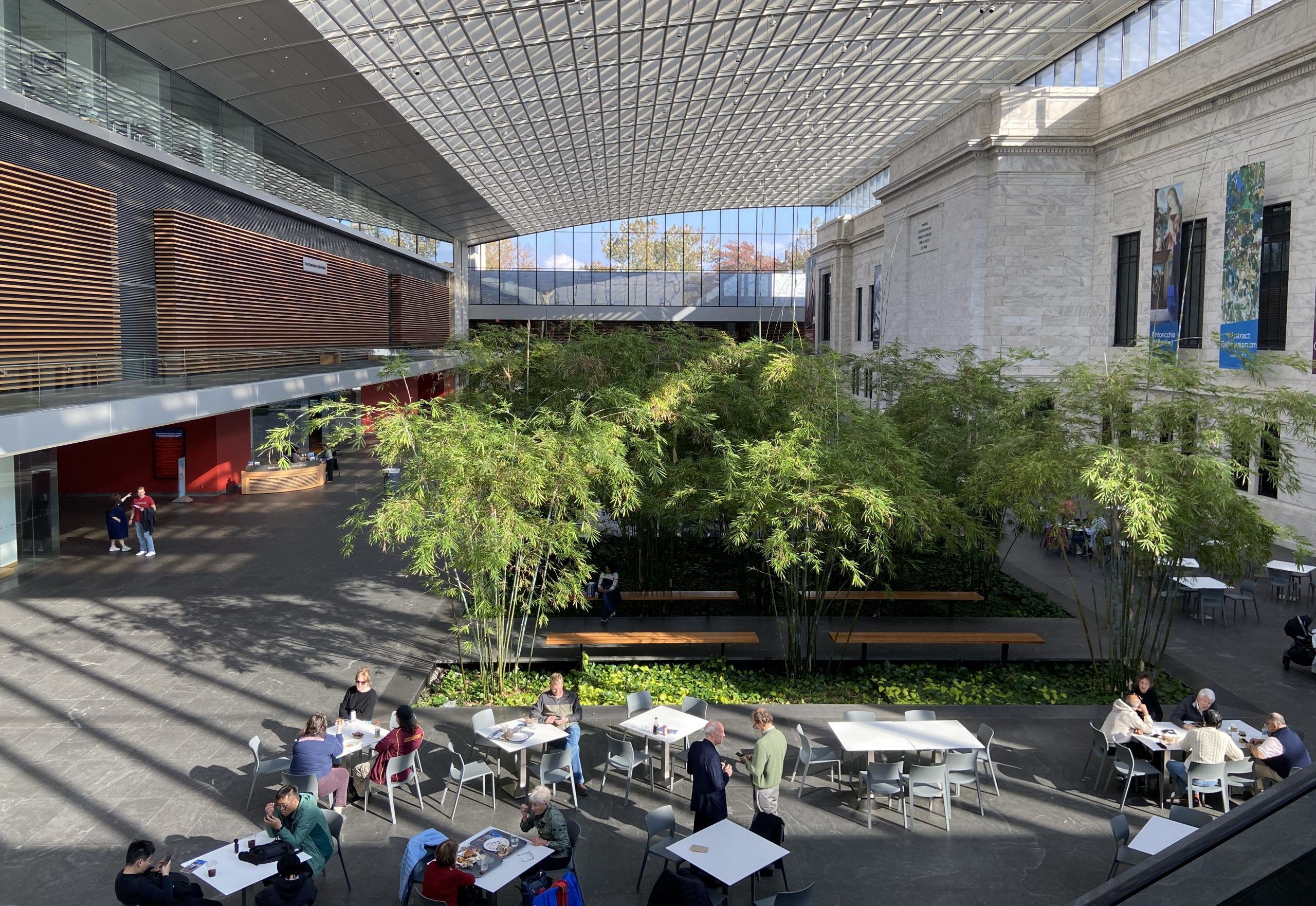
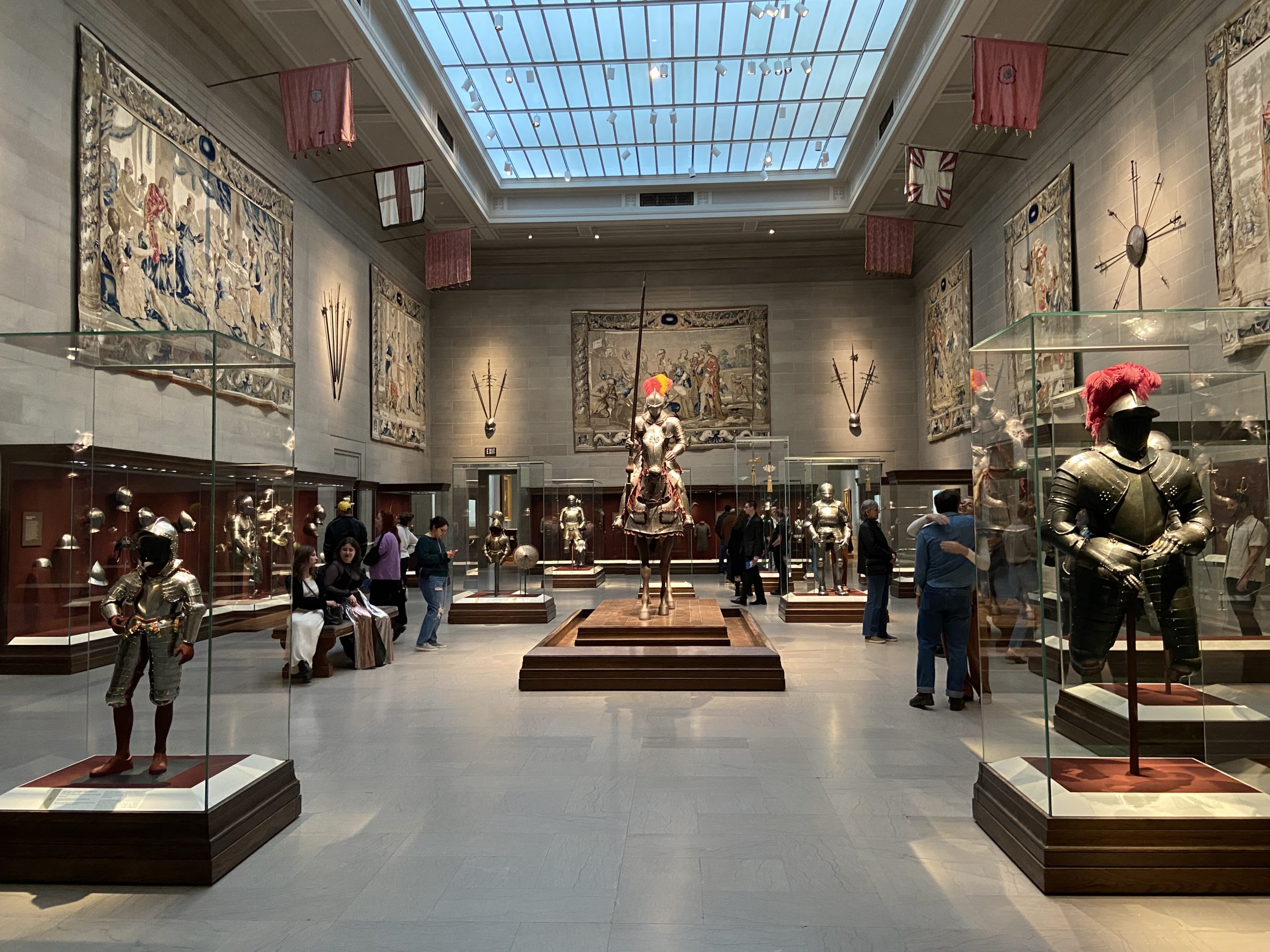
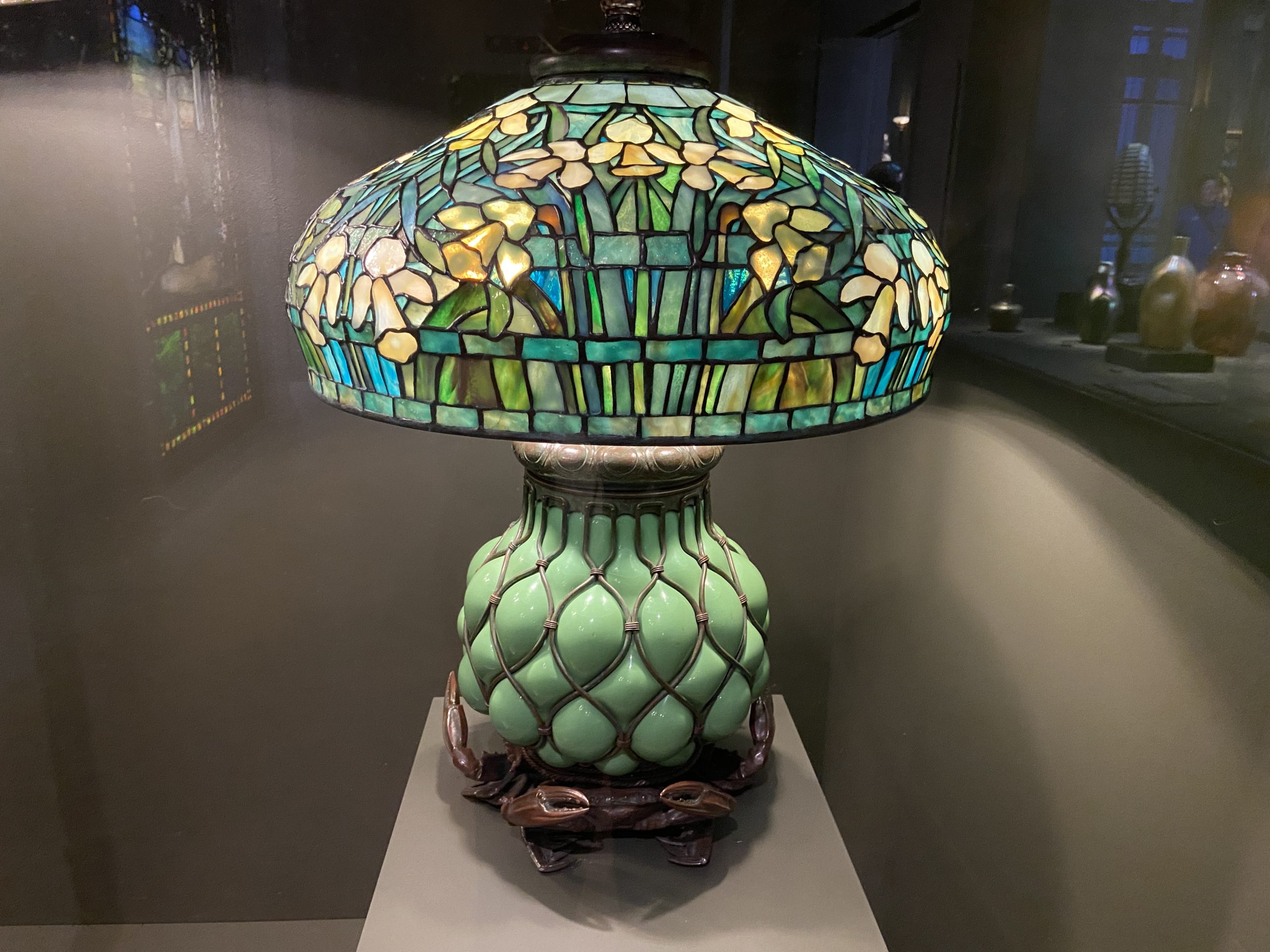
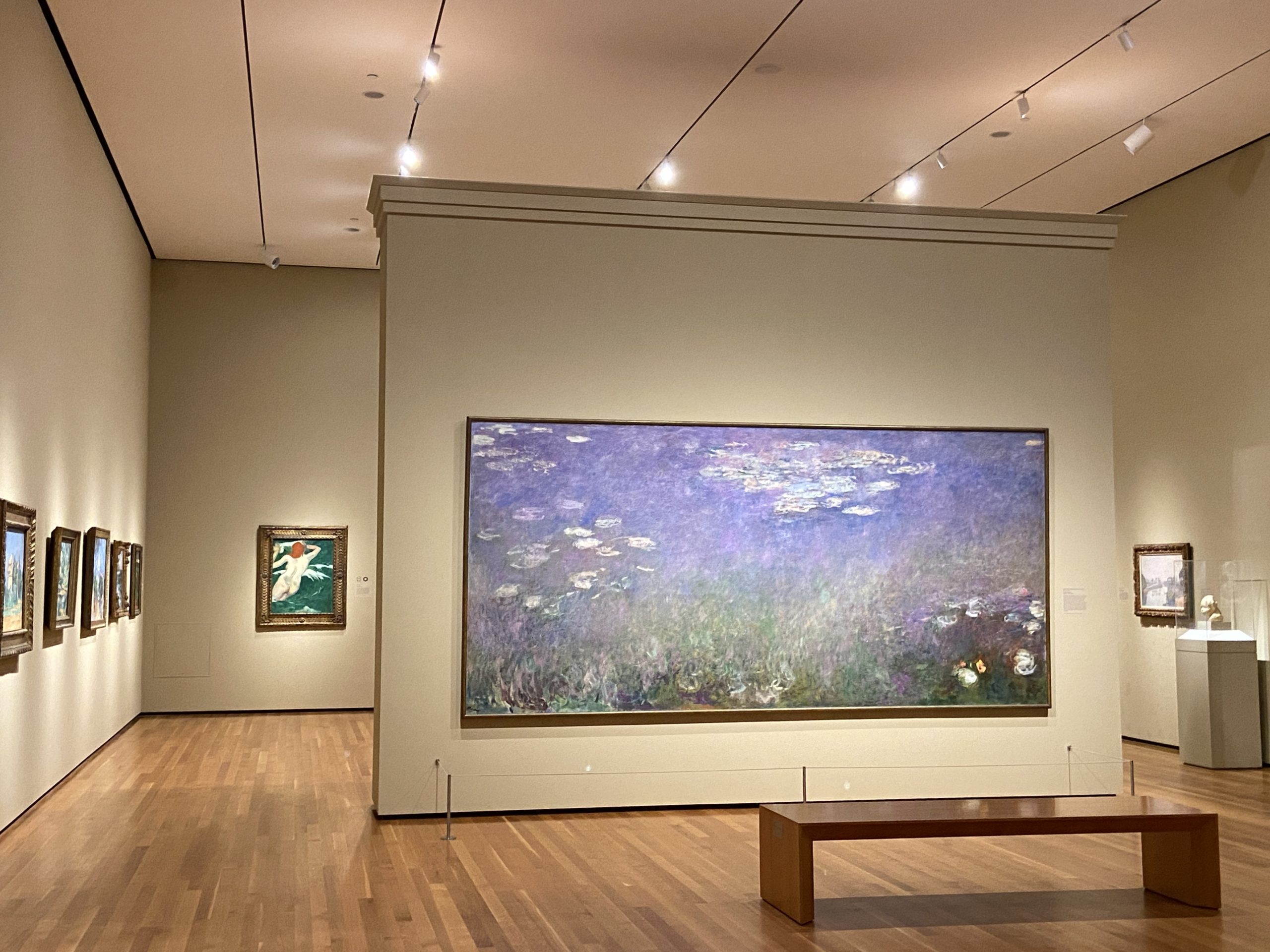
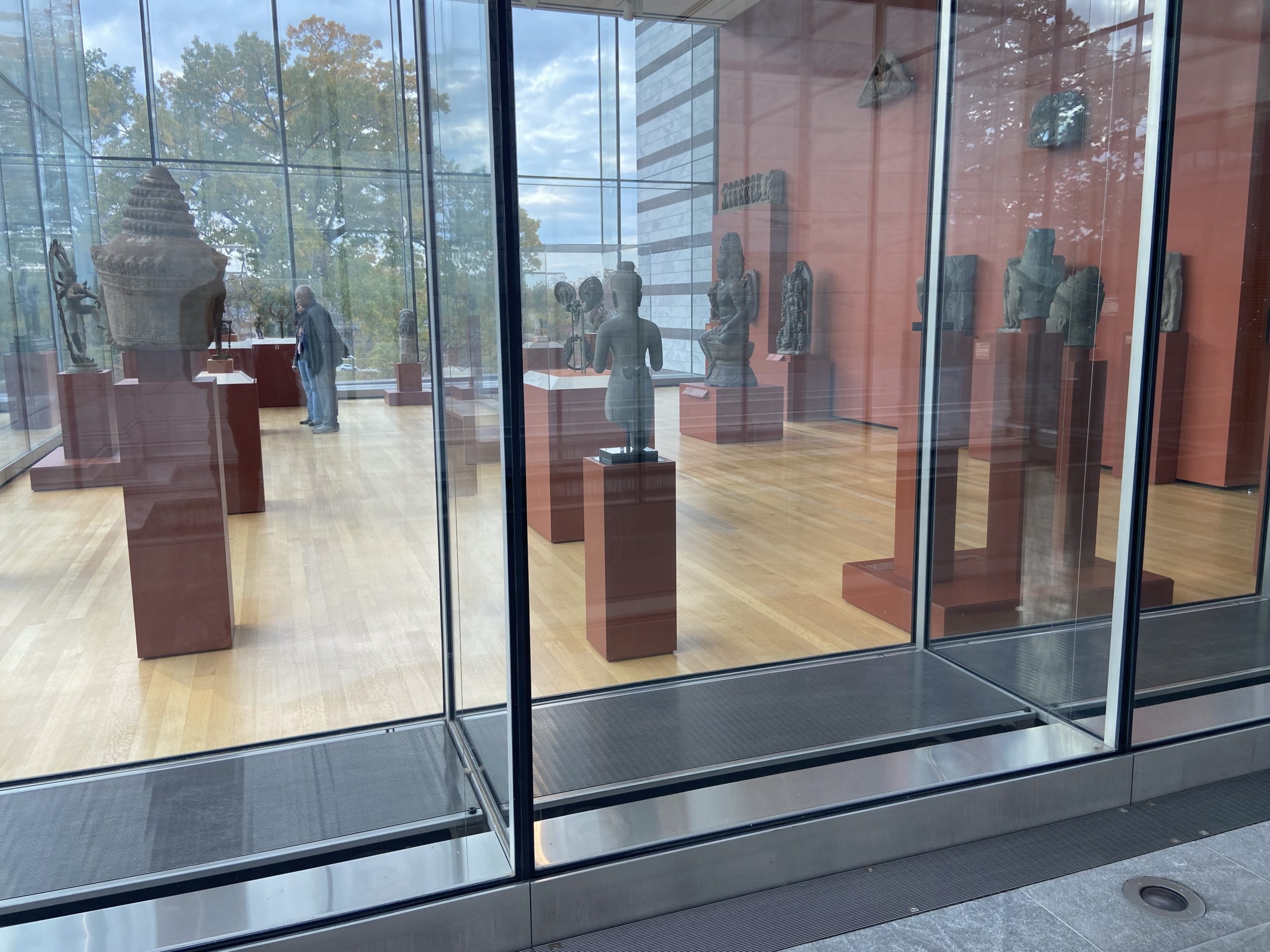
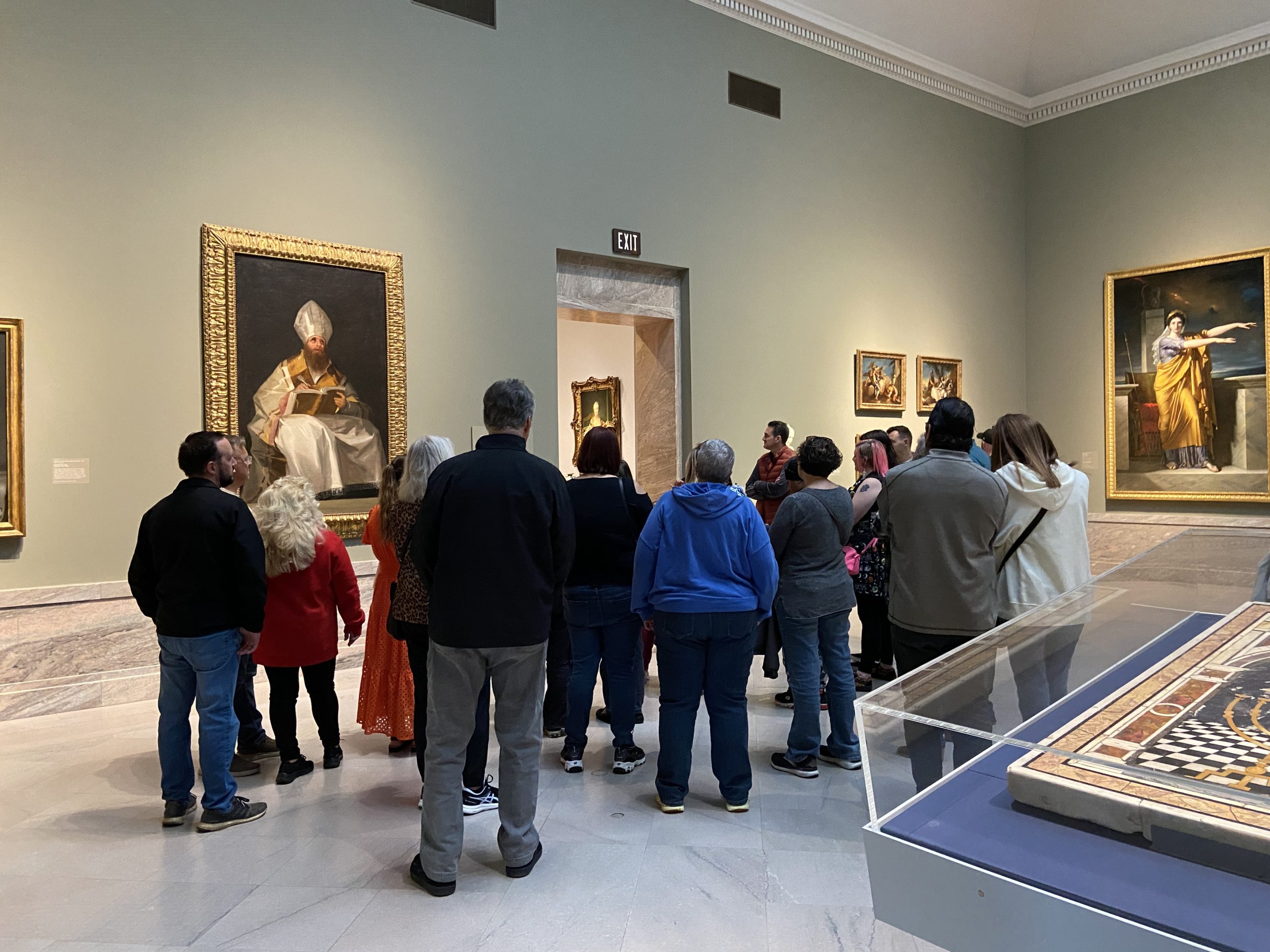
The museum’s spectacular building reflects continuing investment. Architect Rafael Viñoly designed a $320 million expansion, completed in 2013, that doubled the museum’s size. It linked the original neoclassical building with a 1971 addition by Marcel Breuer by building two wings and a sunlit, landscaped, 39,000-square-foot atrium that gracefully connects the spaces. Visitors who tear themselves away from relaxing in the atrium can explore the globe and 6,000 years of creativity in the galleries. The CMA is notably strong in Asian art, with important works from China and India, as well as European and American art from different periods. High-quality collections of Ancient Egyptian, Greek, Roman, and Near Eastern works are also on display. One gallery focuses on artists from or associated with Cleveland and vicinity.
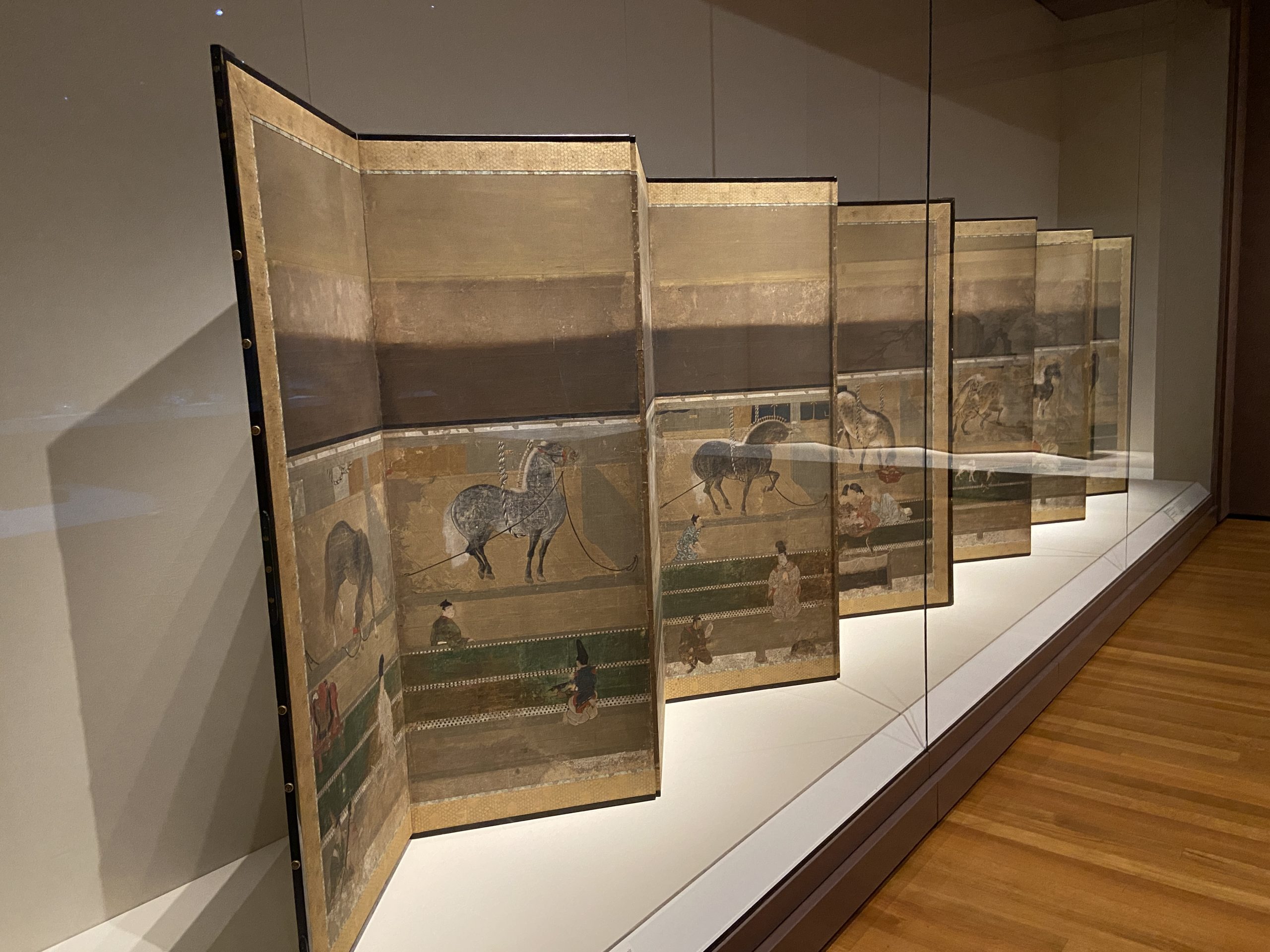
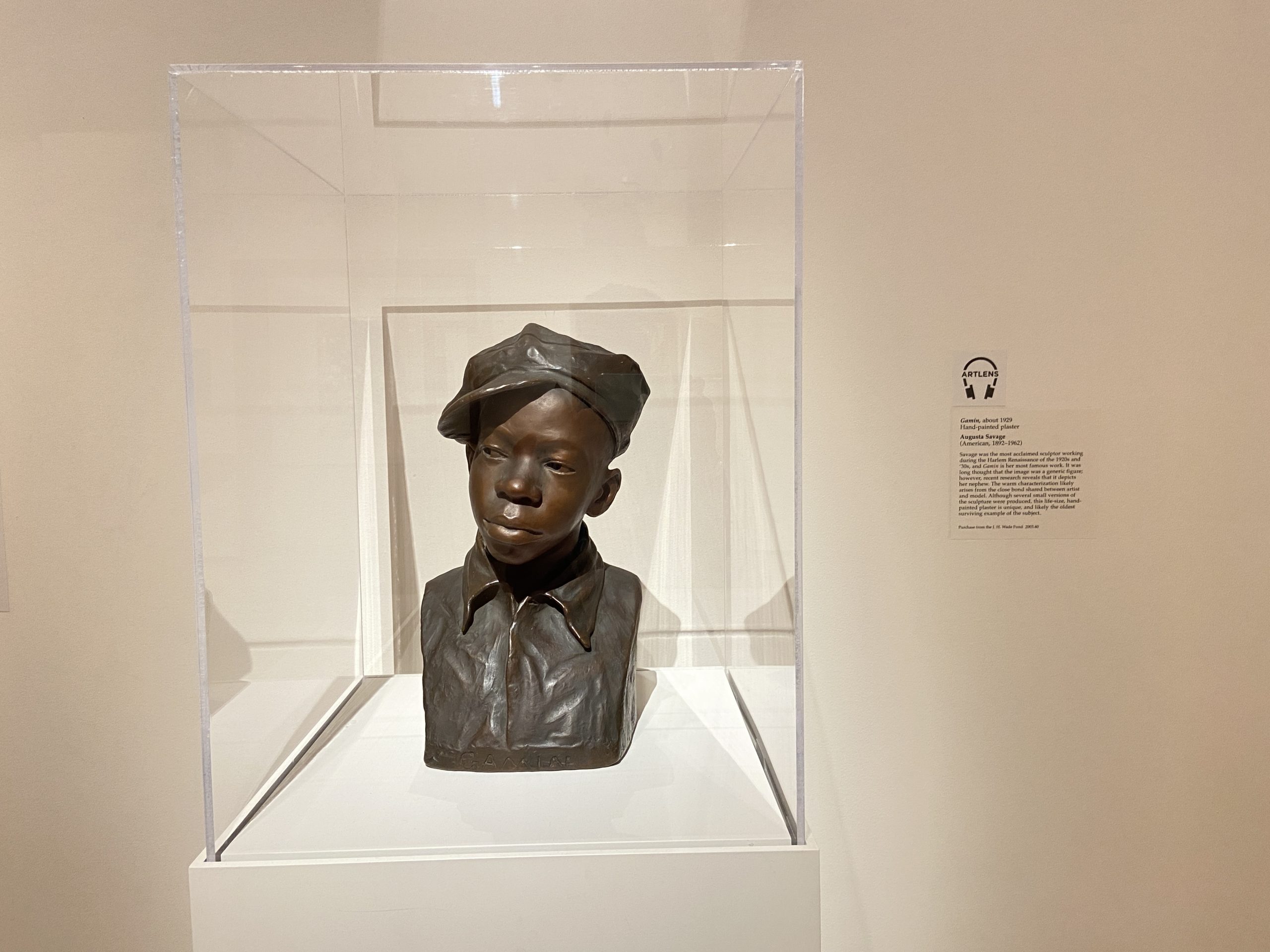
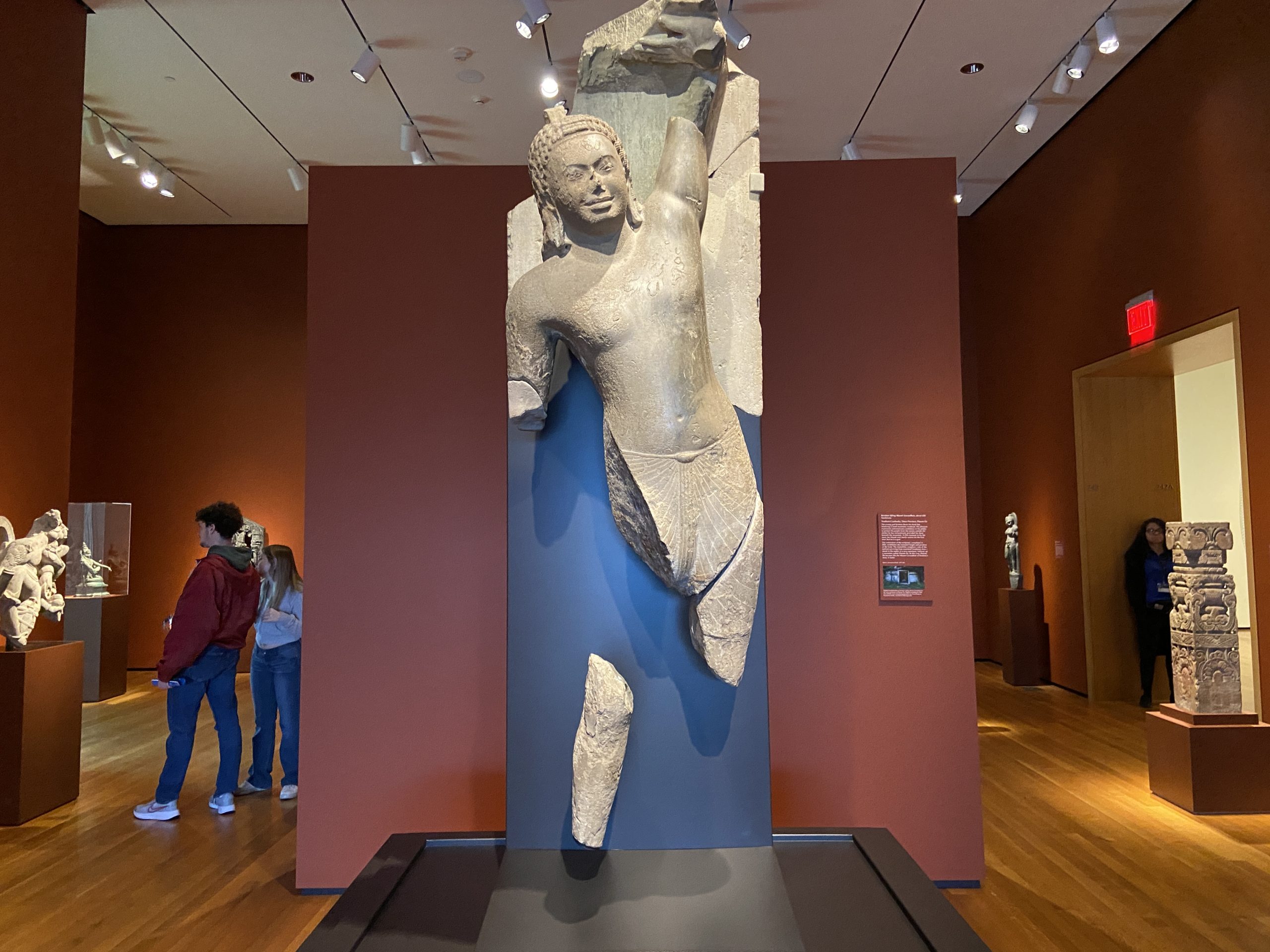
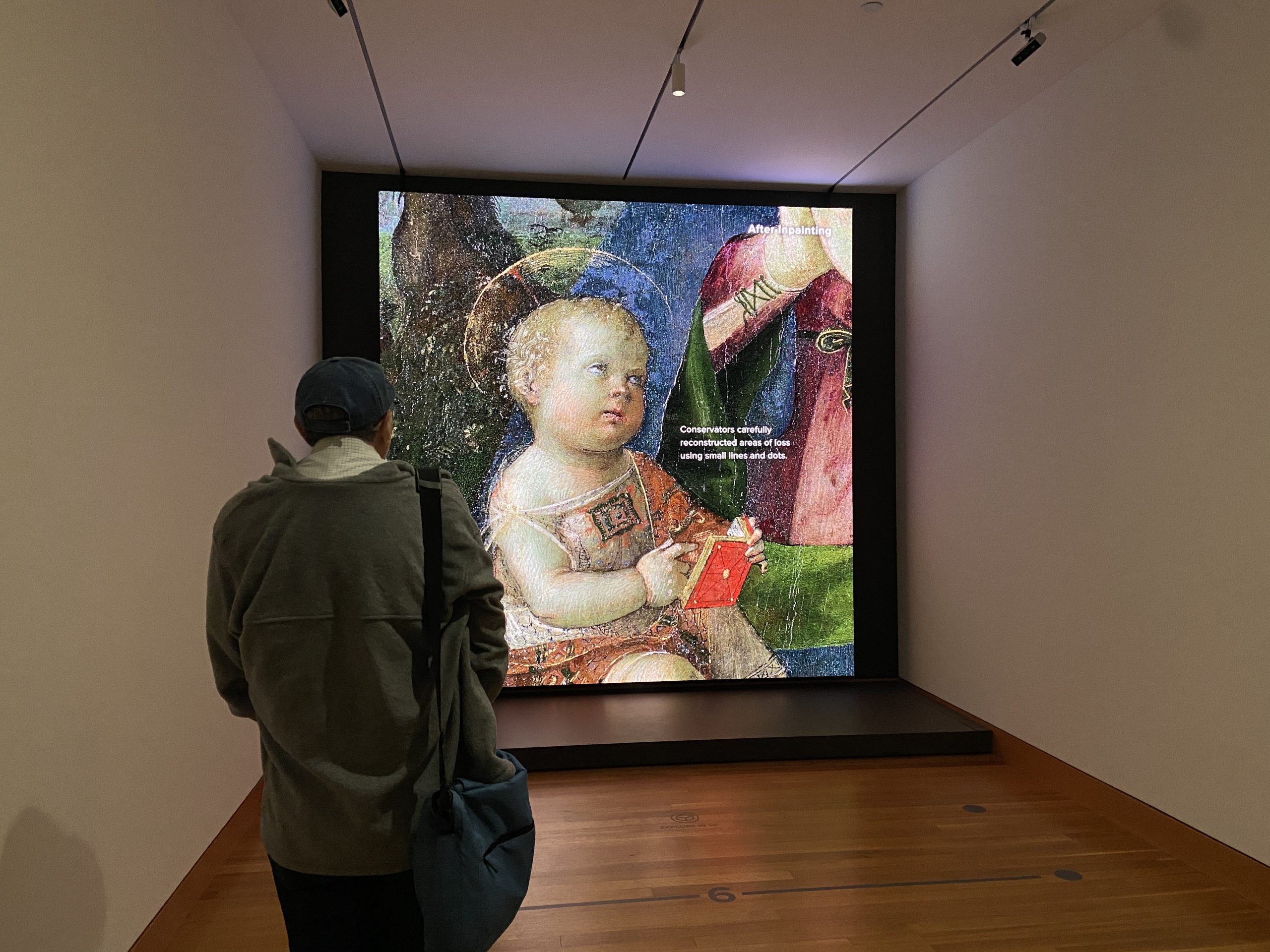
Since 2012, the CMA has focused on digital technology as one way to connect a wider audience to art—especially younger visitors, families, and anyone less familiar with museums—through fun, interactive displays. Its 13,000-square-foot ArtLens Gallery will relaunch this summer with new digital tools, from AI and immersive spaces to mixed reality. Themed areas called Relate, Investigate, Create, and Engage encourage audiences to dive deeper into art. The museum’s surveys have shown that time spent in ArtLens leads to longer, more engaged visits. Another example of this approach (on display through August 23) is in a gallery with a newly conserved 15th-century painting, Virgin and Child by Pintoricchio. An 11-foot-high interactive screen reveals the conservation process step by step. In addition, the museum offers the excellent, in-depth ArtLens app for visitors, and CMA’s Open Access program provides digital access to public-domain artworks and allows visitors to use AI tools to share and remix images.
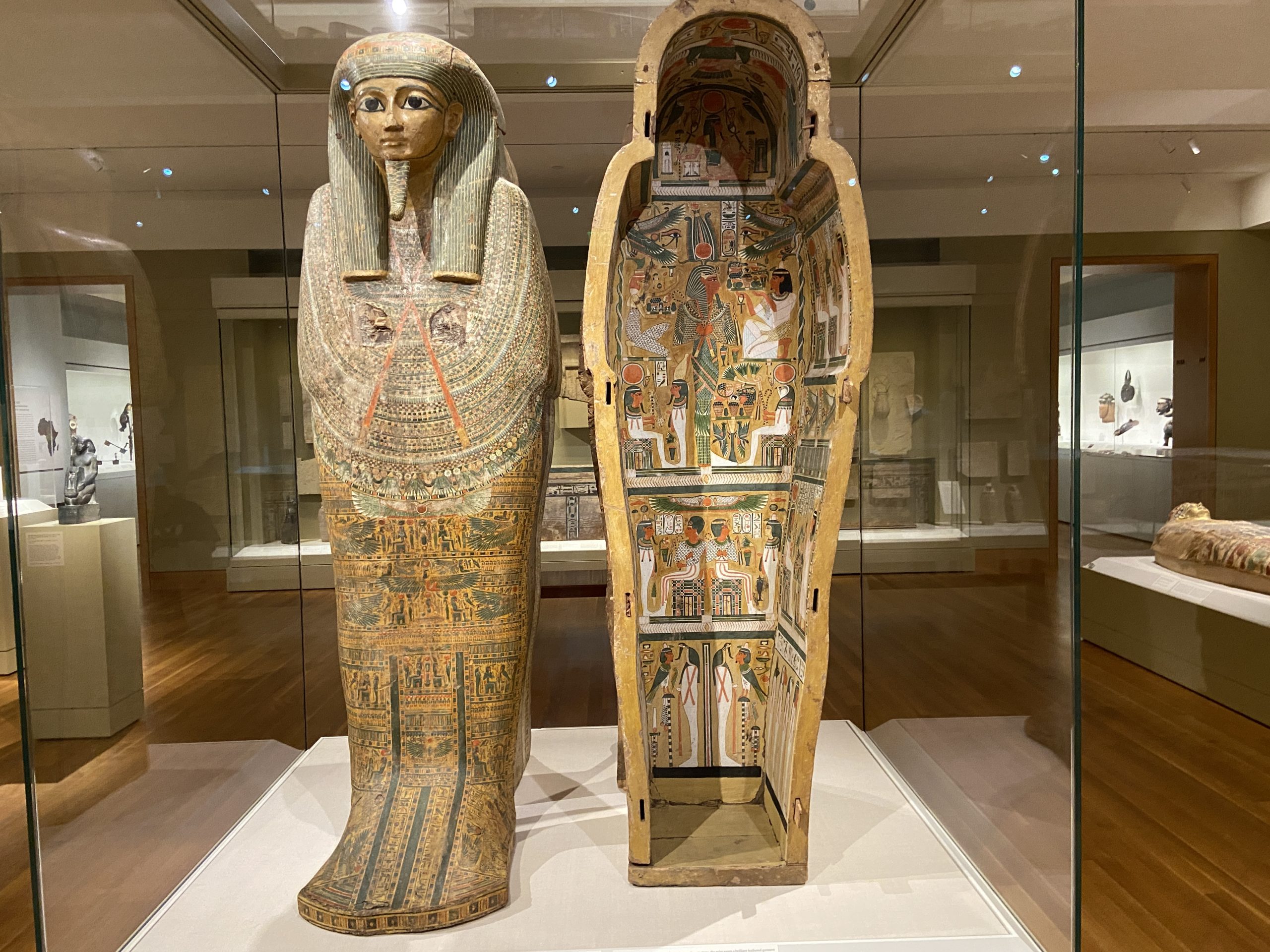
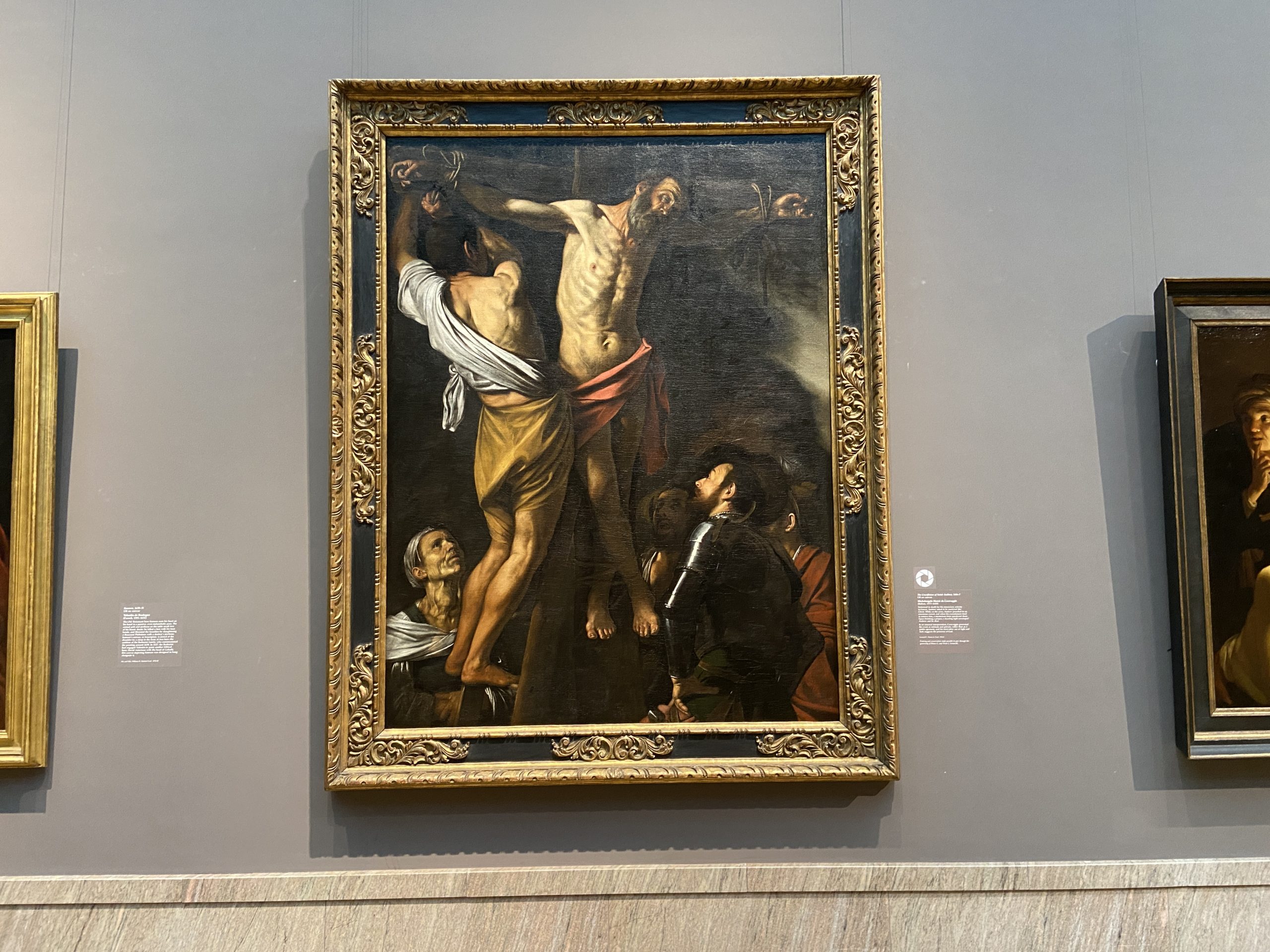
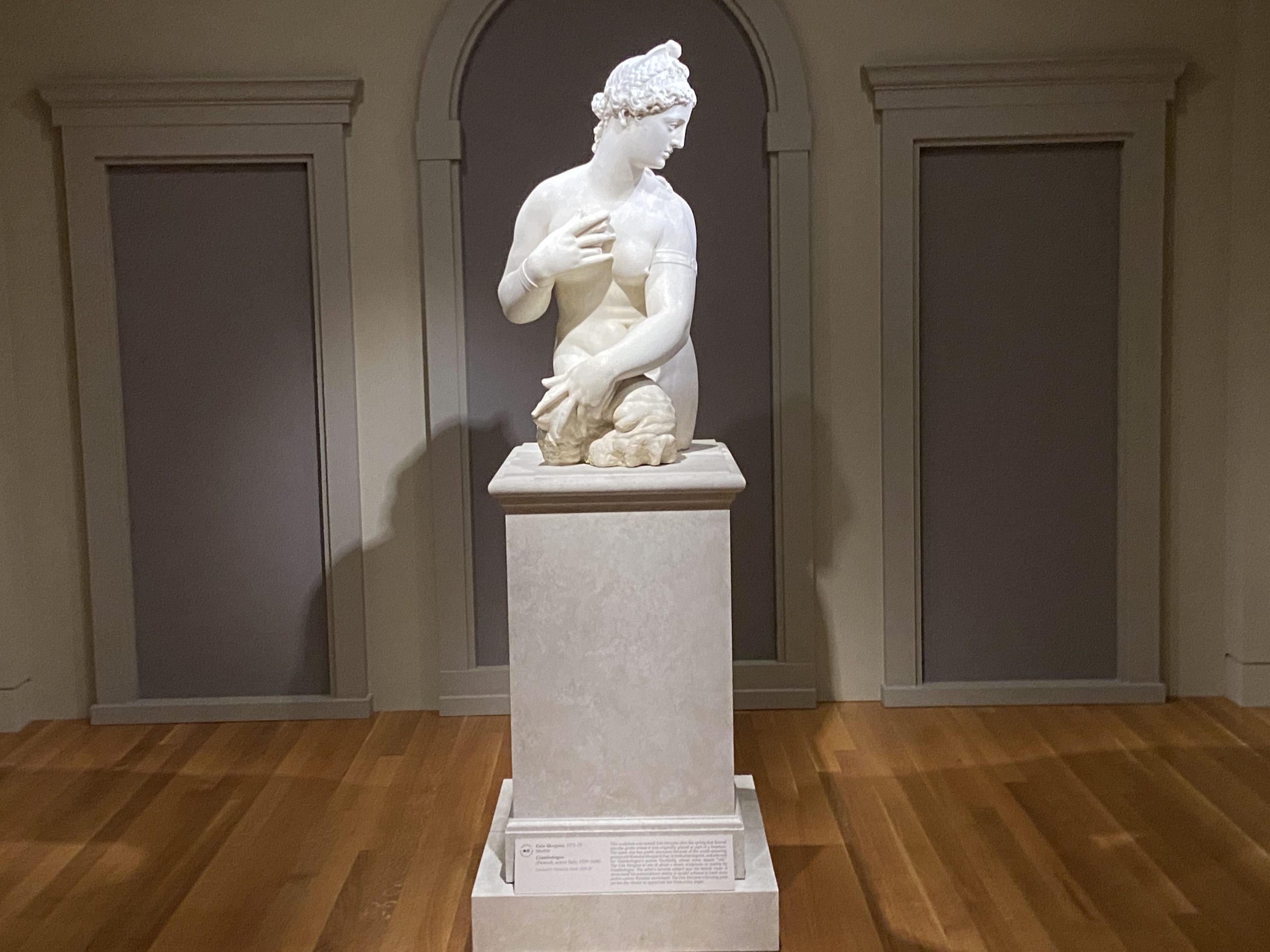
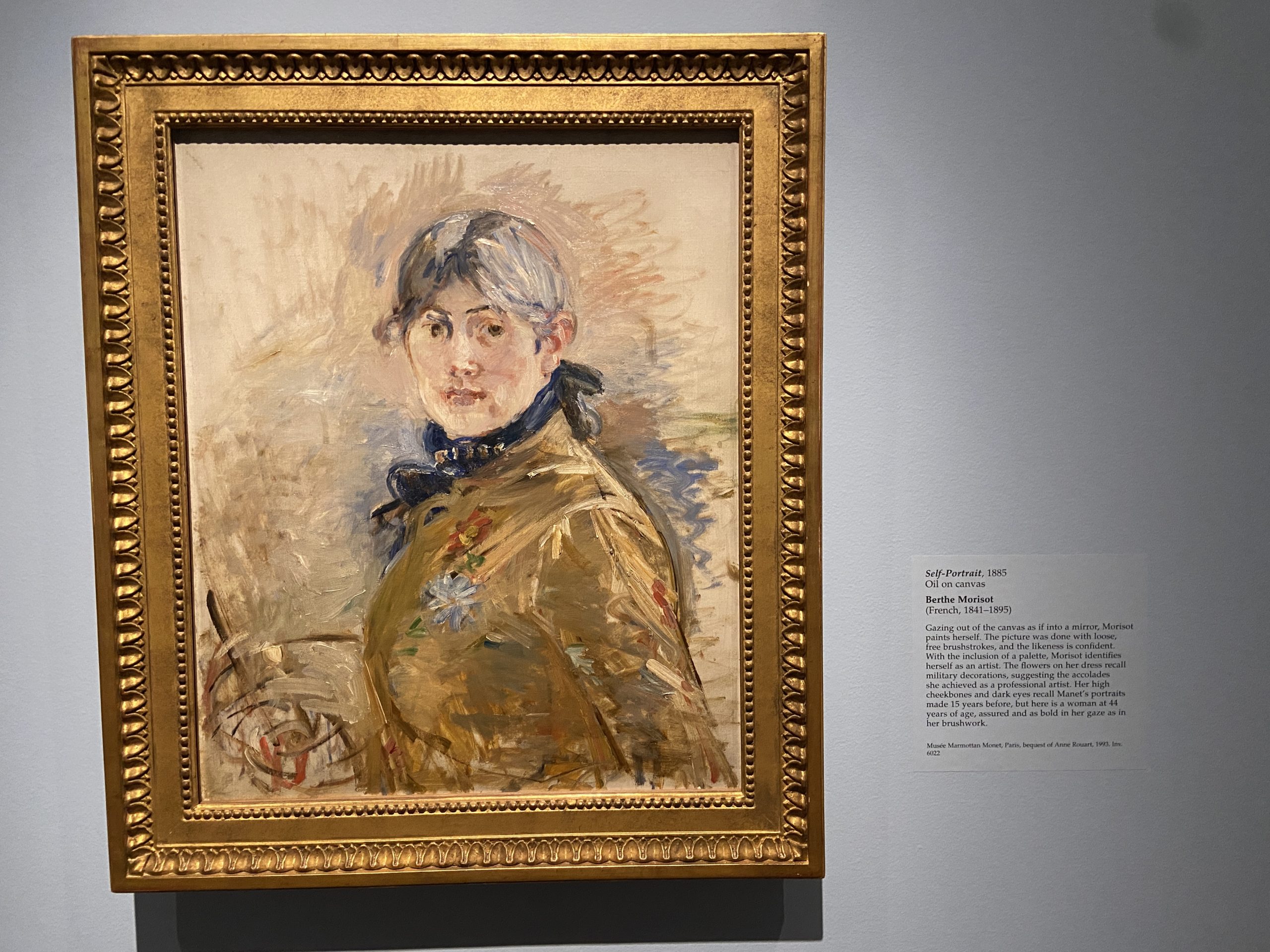
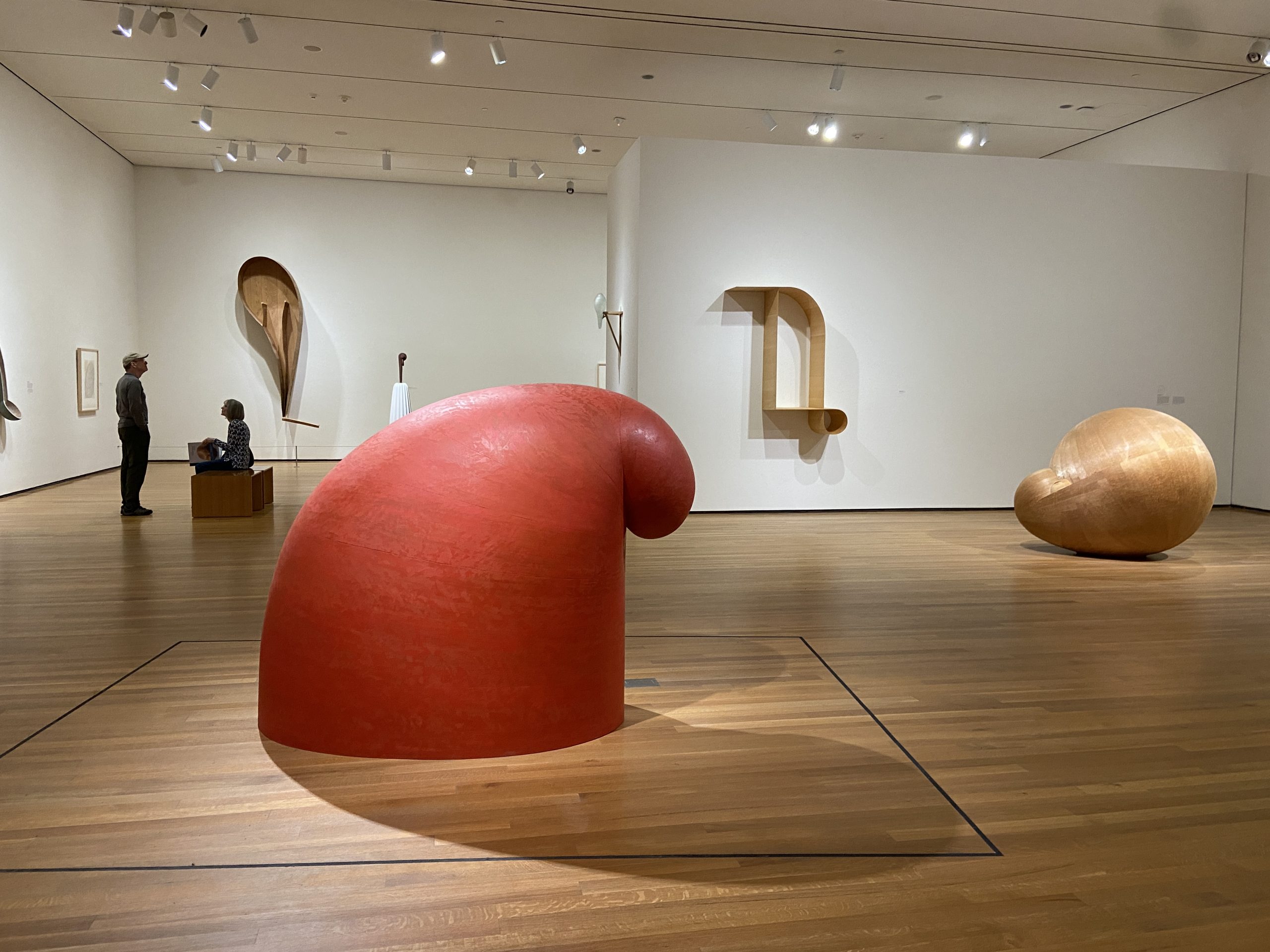
Changing exhibitions, programs, and events encourage visitors to return. Currently, “Manet & Morisot” (through July 5), developed with the Fine Arts Museums of San Francisco, is the first major show to explore how Edouard Manet and Impressionist painter Berthe Morisot influenced each other’s work. A few exhibitions relate to America’s 250th anniversary, such as “still/emerging: Native American Works on Paper” (through June 7), which highlights 30 works in CMA’s collection created from the 1950s until today. “Martin Puryear: Nexus” (through August 9) is an in-depth look at the influential sculptor and artist that was developed with the Boston Museum of Fine Arts and Puryear himself. An upcoming exhibition celebrating American art, “Spectacular Freedom: Andrew Wyeth and the American Watercolor” (September 20, 2026–January 18, 2027), will present almost 75 watercolors, most never exhibited before, and selected tempera paintings.
Special events take place year-round. One popular annual event, the free Parade the Circle (June 10) attracts tens of thousands of people. It combines art, community, and culture with imaginative floats, puppets, and other parade designs created by individuals and groups. Ticketed events include the annual Solstice celebration, with music, dance, and art, and monthly themed evening MIX parties (age 21 and up) that feature cocktails, art, and music.
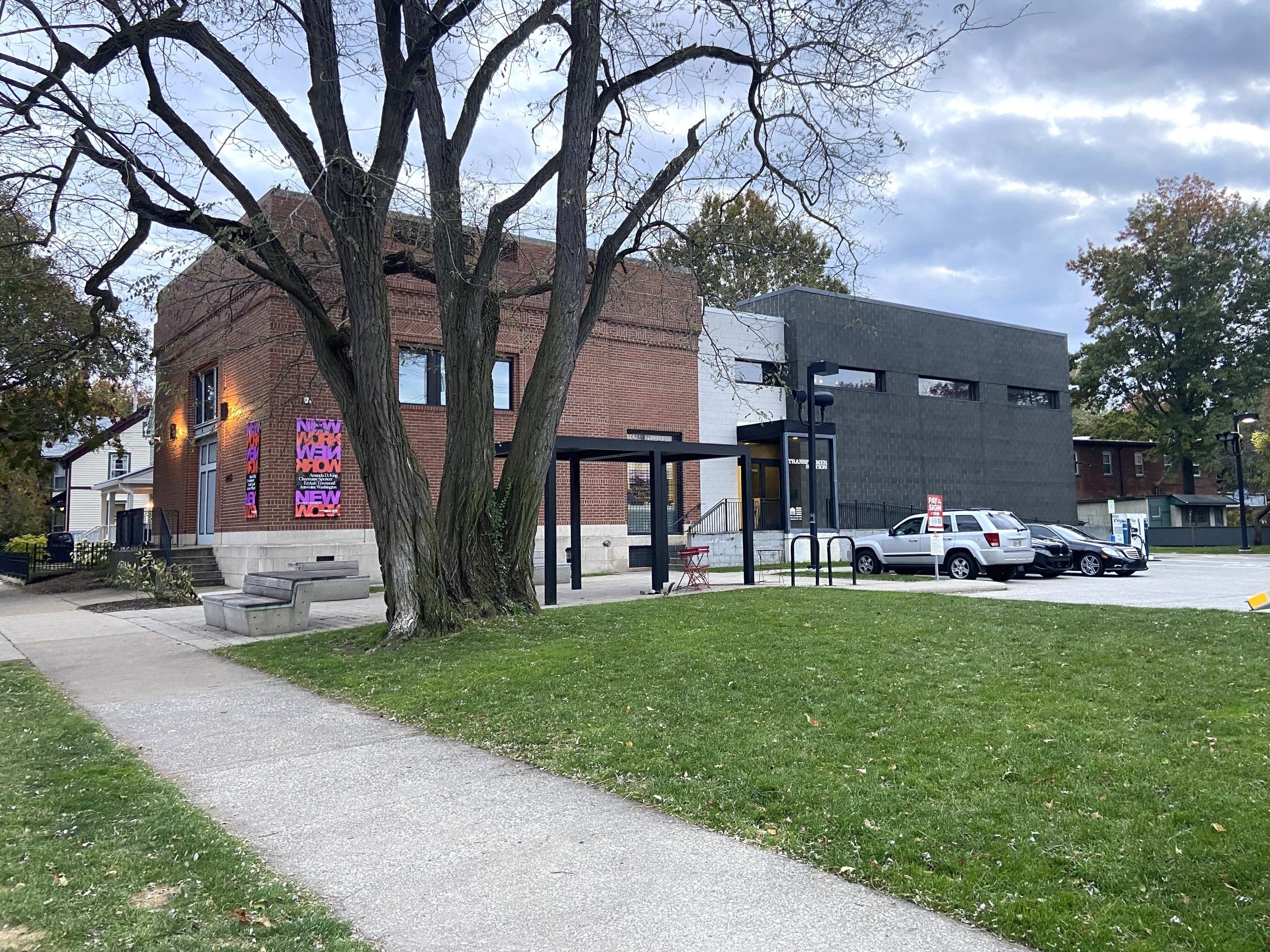
The CMA operates two smaller West Side spaces besides its University Circle location on the East Side. A former railroad substation, the Transformer Station in Ohio City’s Hingetown shows work by emerging artists and presents live music and other events. From July 9 through December 6, it will host Lake Effect: Artists from Cleveland Now, a juried exhibition. (Not part of the CMA but near the Transformer Station, the longtime gallery SPACES hosts pioneering contemporary work and supports artists.) Open Friday through Sunday in the Clark-Fulton neighborhood, the CMA’s Community Arts Center/Centro de Artes Comunitarias (CAC) offers free, drop-in art-making opportunities and colorful exhibits for families and all individuals. Open since 2021, the CAC reaches out to new audiences in additional communities.
Beyond the CMA, here are a few highlights of Cleveland’s cultural scene. Though the city’s revitalization is ongoing and it has neighborhoods that remain underserved, there is plenty of creativity on display.
Near the CMA: The Arts Around University Circle
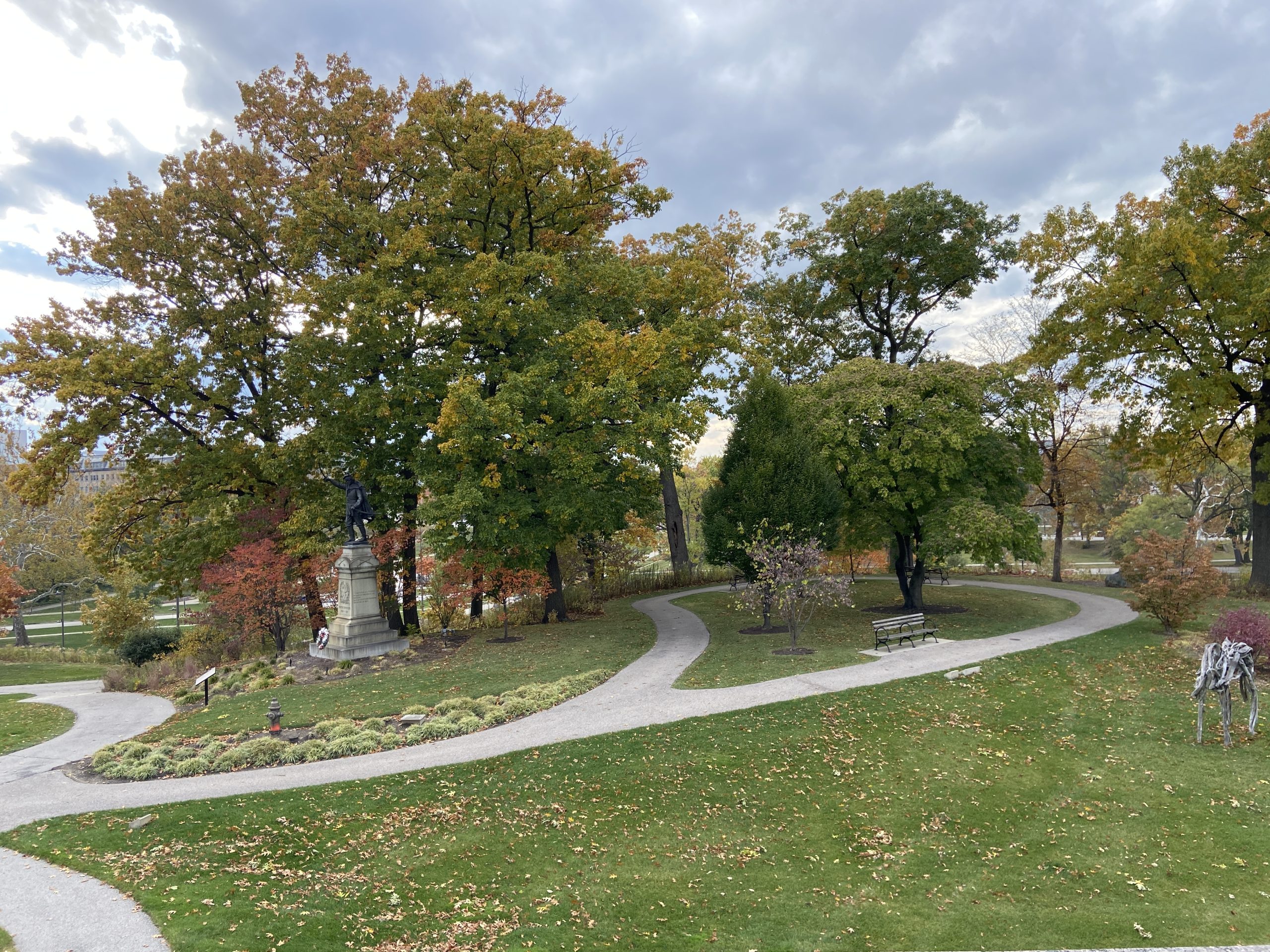
Among the many cultural institutions near the CMA is Severance Hall, home of the world-renowned Cleveland Orchestra since 1931, on the campus of Case Western Reserve University. At the Cleveland Institute of Art, an art and design college, exhibitions at the Reinberger Gallery present boundary-stretching work by students, alumni, and staff. The non-collecting Museum of Contemporary Art Cleveland (moCA) features exhibitions of thought-provoking contemporary art and offers various events. A family favorite, the Cleveland Museum of Natural History completed a $150 million expansion and modernization in late 2024.
Long Live Rock (and More): The Arts Around Downtown
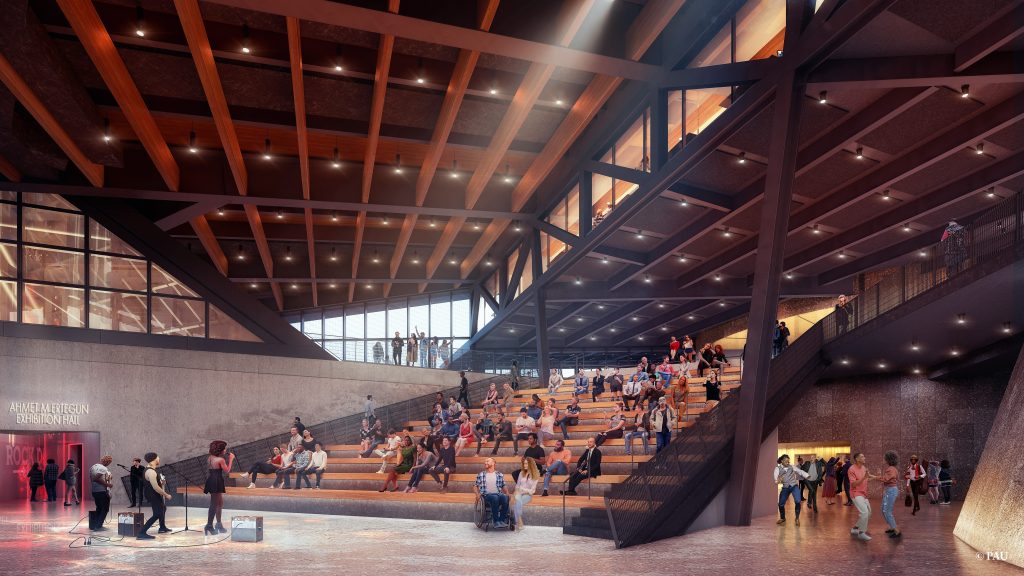
Say “Cleveland” and many visitors think of the Rock & Roll Hall of Fame, which will be bigger and (even) better in fall 2026 with the opening of a $175 million, 50,000-square-foot expansion. New features, many community-focused, include a free, unticketed Atrium with Lake Erie views, a Student Center for field trips and community partnerships, a multipurpose hall for concerts and programming, and a lakefront park that can host various free community events.
Cleveland’s theater scene deserves mention as well. The five historic theaters and seven other venues in the Playhouse Square performing arts center present touring Broadway shows and host resident companies including the Cleveland Ballet, DANCECleveland, and the City Club of Cleveland; there’s something for everyone. Historic Karamu House, east of downtown in the Fairfax neighborhood, opened in 1915 and is the country’s oldest producing Black theater. It also offers arts education and hosts community programs.
Side Dish
Food is part of culture too! At the CMA, the Provenance Café serves family-friendly fare that can be enjoyed at tables in the café or atrium, while Provenance is a fine-dining venue overseen by Douglas Katz, chef-owner of the well-regarded Zhug, Amba, and Kiln. In a 19th-century firehouse across from the Transformer Station in Hingetown, Jeremy Umansky and pastry chef Allie La Valle (both James Beard semifinalists in 2025) of Larder Delicatessen & Bakery whip up Jewish Eastern European–inspired creations; don’t miss the pastrami. The Ohio City neighborhood’s West Side Market, a National Historic Landmark open since 1912 and beloved by locals, chefs, and visitors, is getting a $70 million transformation through 2027. Recent culinary news: Cleveland will be part of a multi-city Michelin Great Lakes food guide in 2027.
Linda Cabasin is a travel editor and writer who covered the globe at Fodor’s before taking up the freelance life. Linda has been visiting Cleveland to see family since 2018. She is a writer for Fodor’s Philadelphia and a contributing editor at Fathom. Follow Linda on Instagram at @lcabasin.
Featured photo: The CMA’s southern side includes the neoclassical 1916 building. An entrance here is open only seasonally. Photo ©Matt Shiffler, courtesy Destination Cleveland