
A museum’s conventional raison d’être has recently been called into question, from provenance of collections items to funding and board membership, to diversity of represented artists and how the art itself is displayed. But way back in 1977, the late curator Marcia Tucker was far ahead of that trend, already rethinking the museum when she founded the New Museum of Contemporary Art in a single-room space inside a SoHo building.
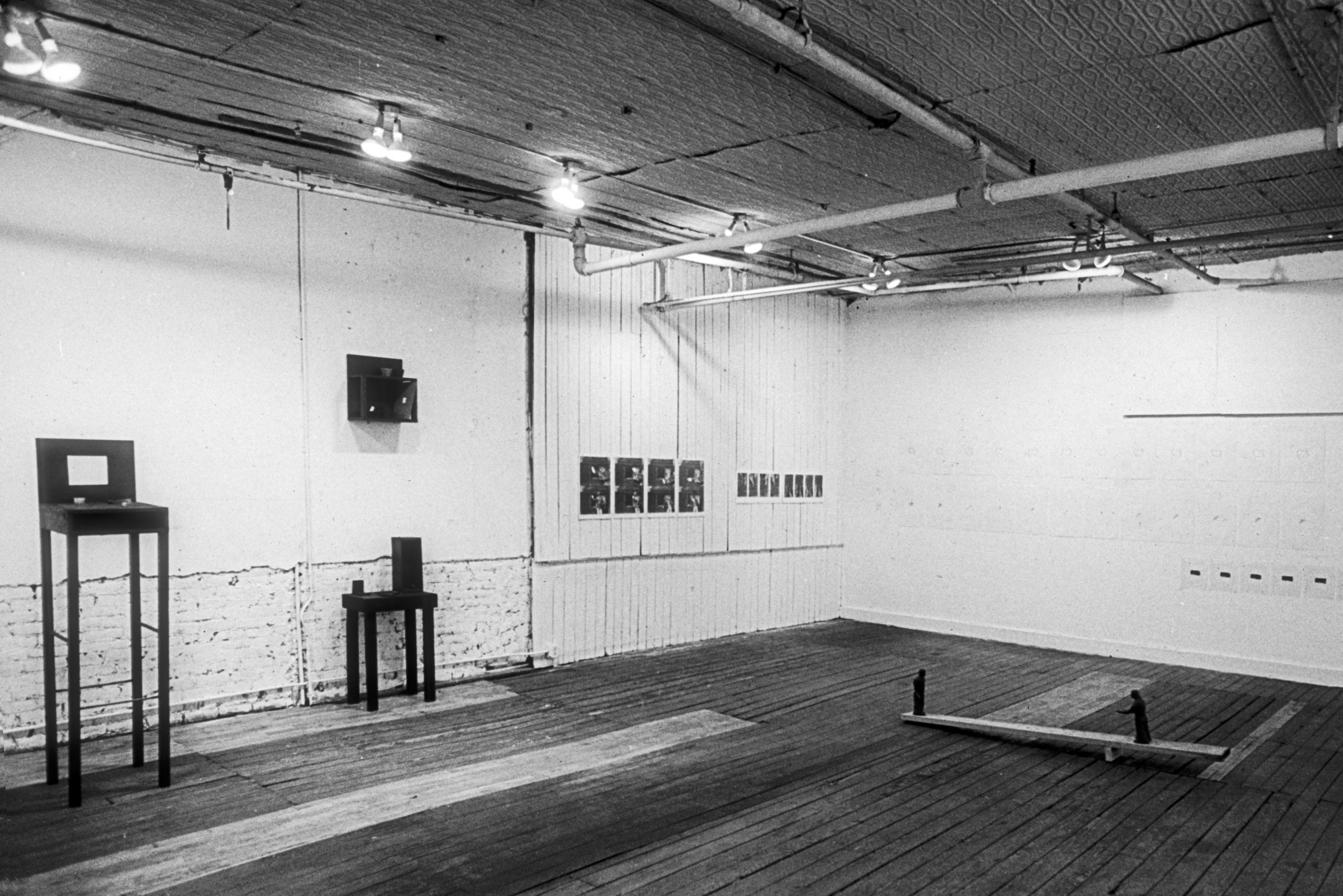
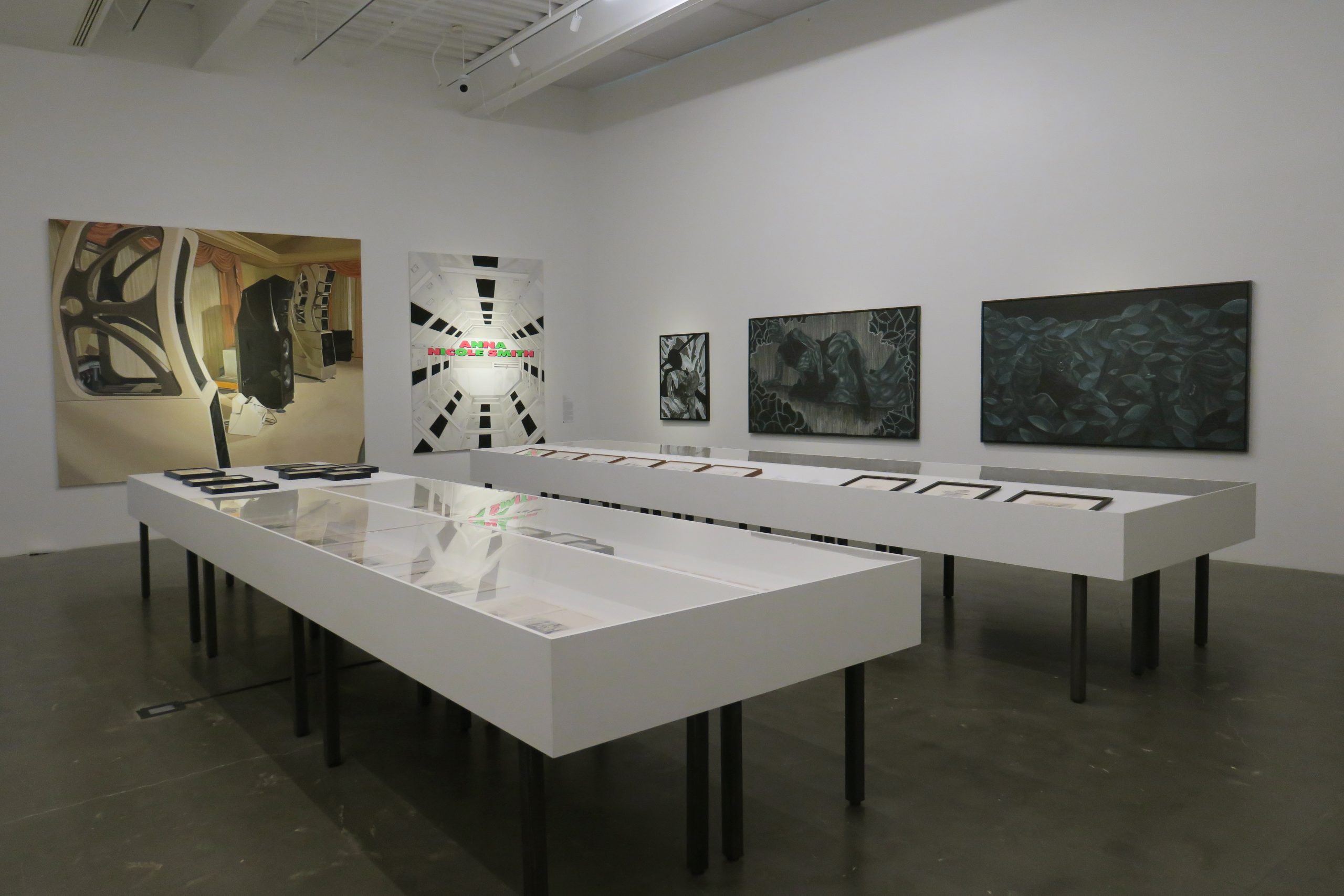
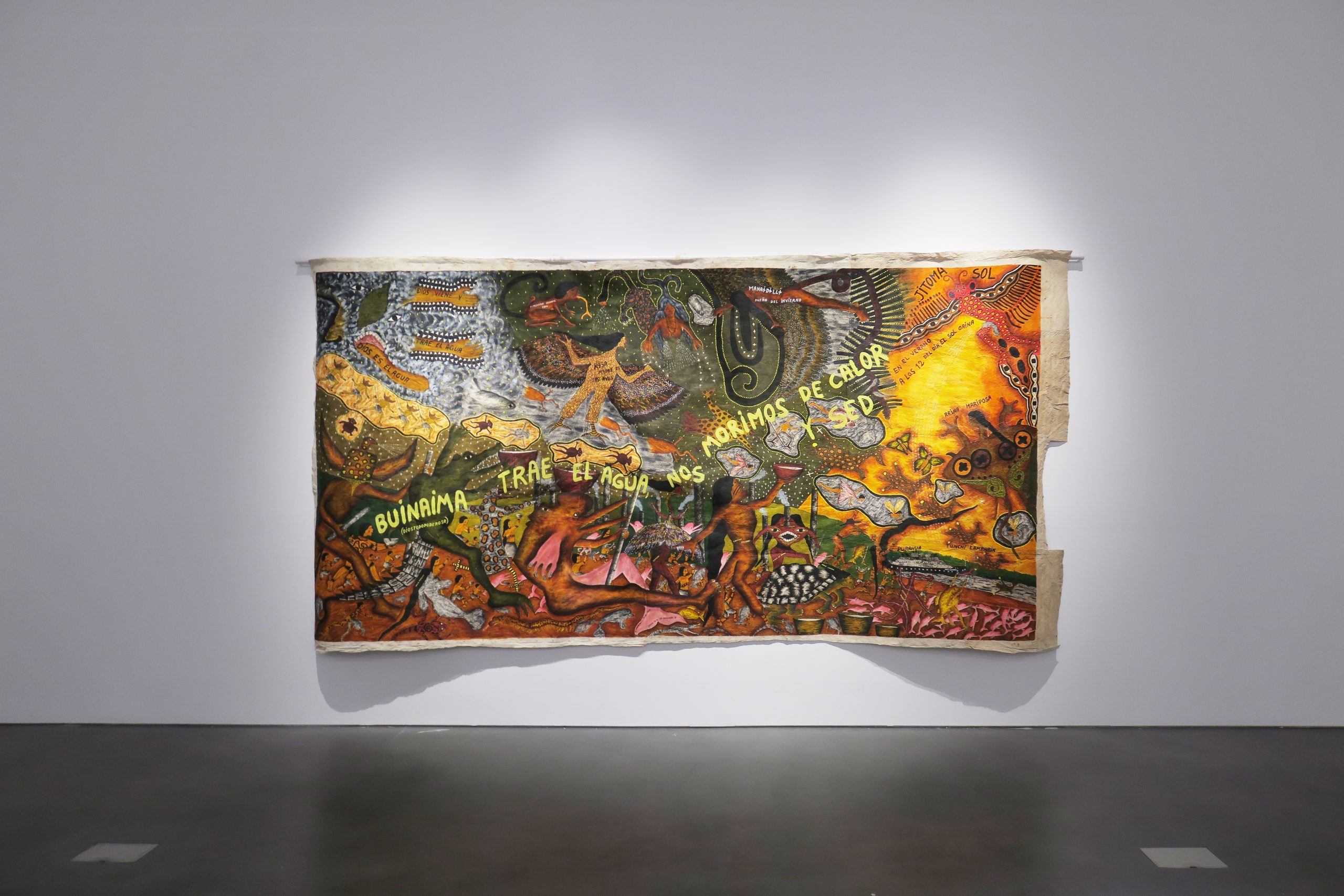
She viewed the museum as “a ‘laboratory’ organization not only by virtue of the kind of work we show, but because we try to look critically at museum practice, especially our own, questioning our own premises and methods regularly.”
That meant artworks that addressed sometimes difficult political and social issues, expressed in non-traditional media like performance and video. Some of the artists shown in these early days, like Elizabeth Murray, Joel Shapiro, Dorothea Rockburne, Dennis Oppenheim and Ron Gorchov, Jeff Koons, John Baldessari, Mary Kelly, Vito Acconci and Martin Puryear, would all go on to develop significant careers.
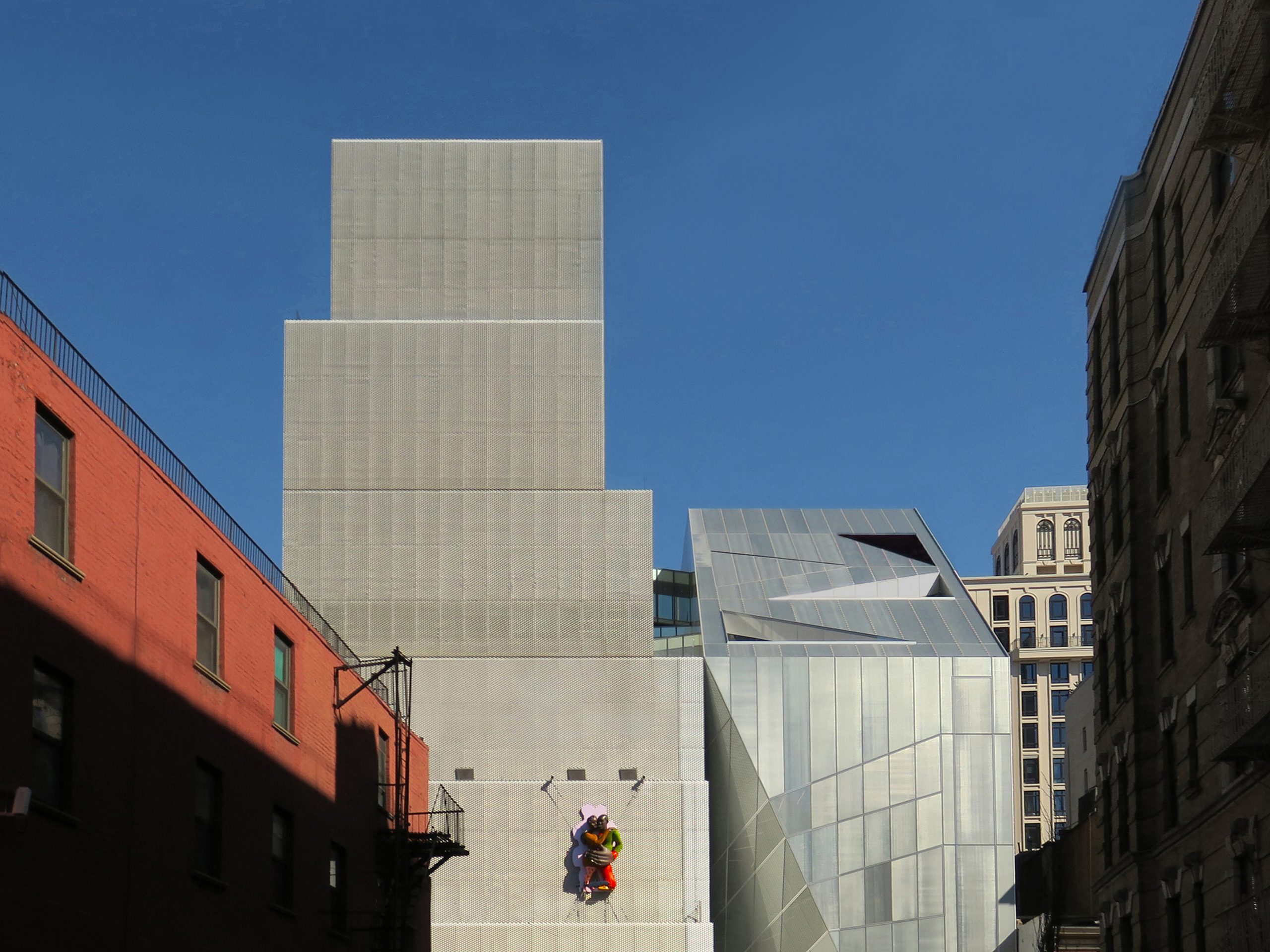
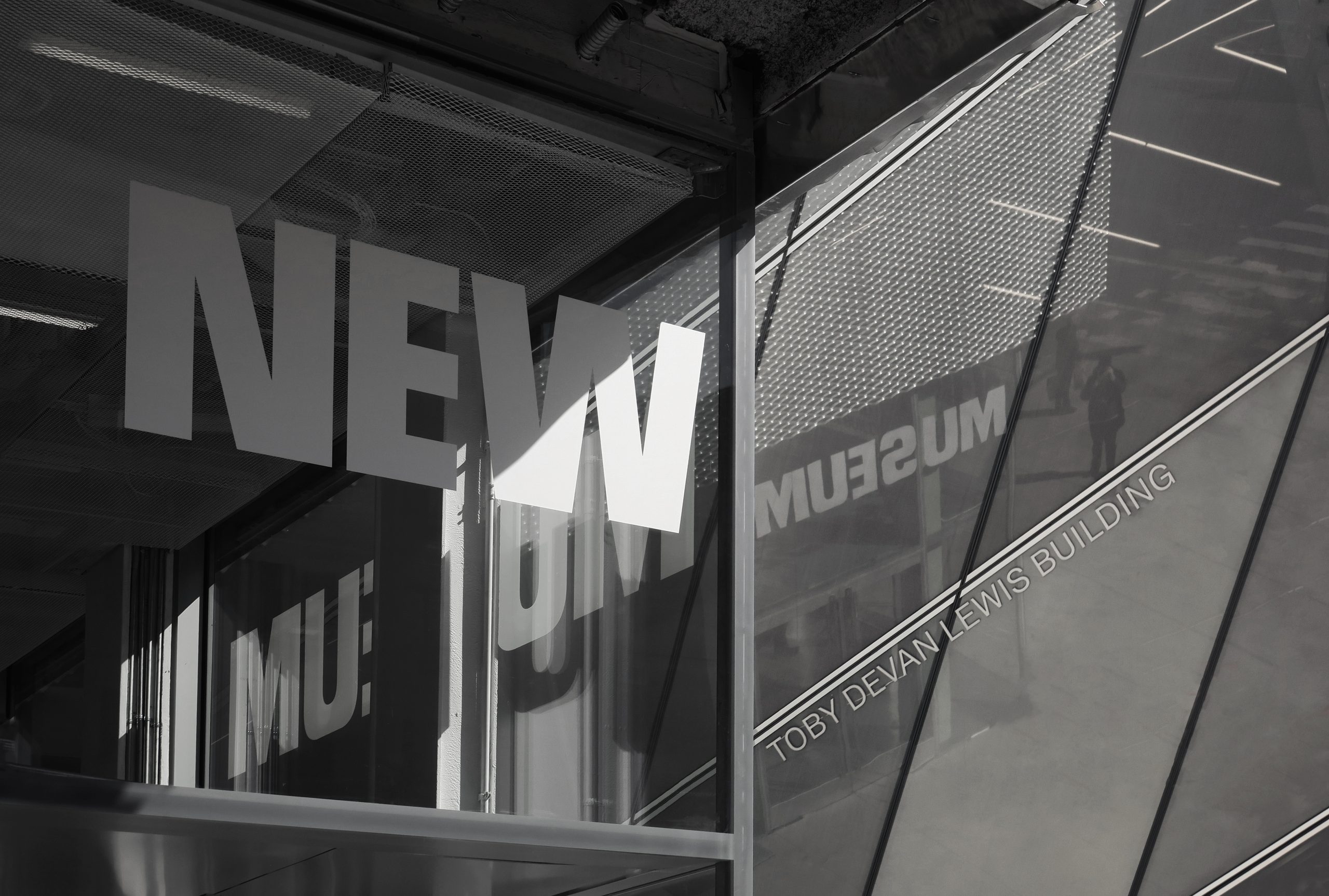
The museum quickly began to find its footing on the New York City art scene, and with increased reputation and its role as the primary venue for avant guard art, they received funding that allowed them to move to larger spaces, culminating in 2007 with their standalone 7 story building, a metal clad stacked box like structure designed by acclaimed architecture firm SANAA.
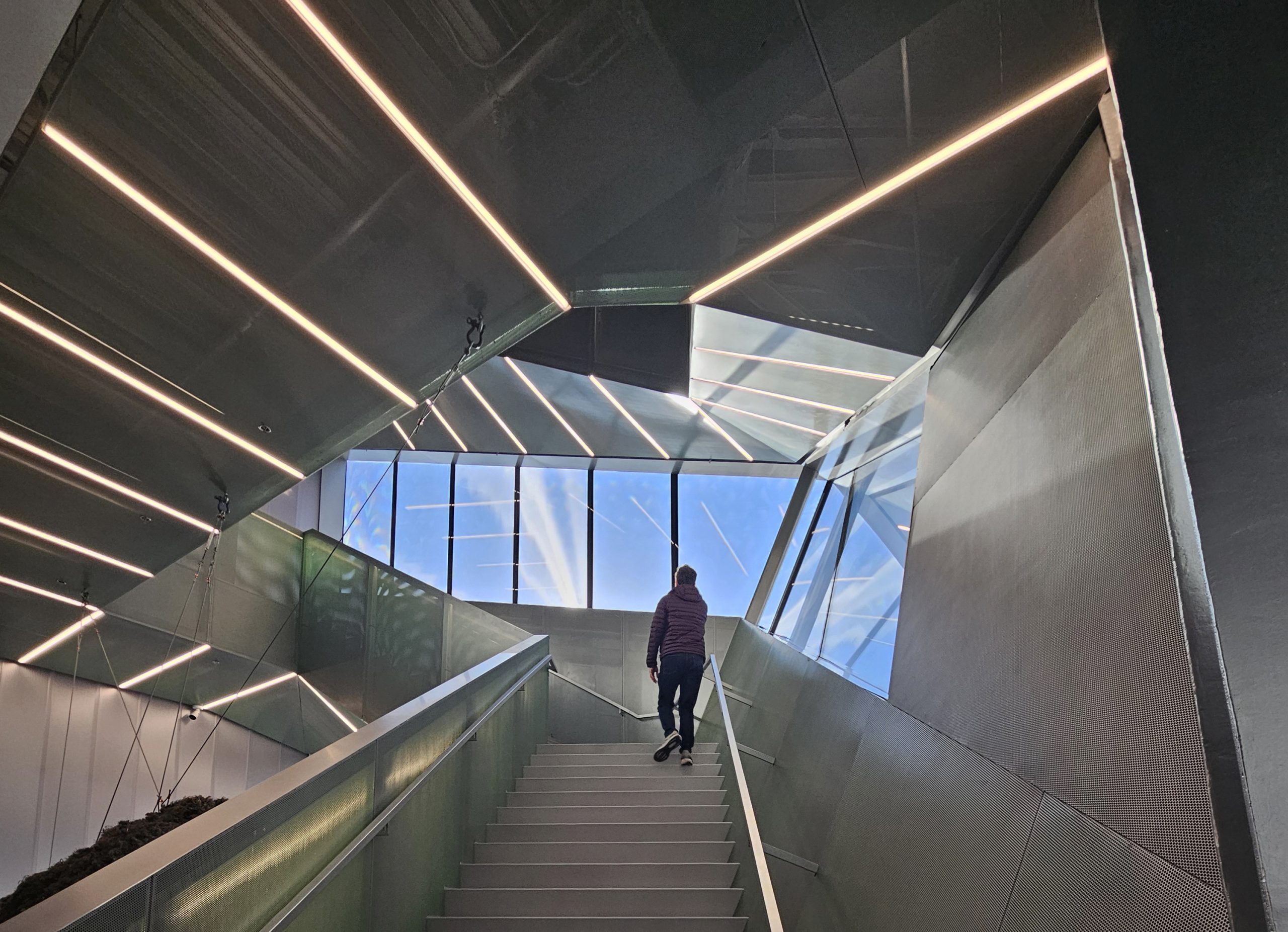
Soon, though, even that sprawling new home became too small for the museum’s scope and a new annex was planned that would add 60,000 square feet of exhibit area, doubling the gallery’s total footage. The expansion, designed by OMA / Shohei Shigematsu and Rem Koolhaas, builds on the bold geometry of the SANAA parti, but now features skewed lines and a slanted façade of special glass that, at first glance, appears solid and shiny, metal-like from the outside yet appears translucent from the inside, and opens up the atrium staircase to luminous views of the city.
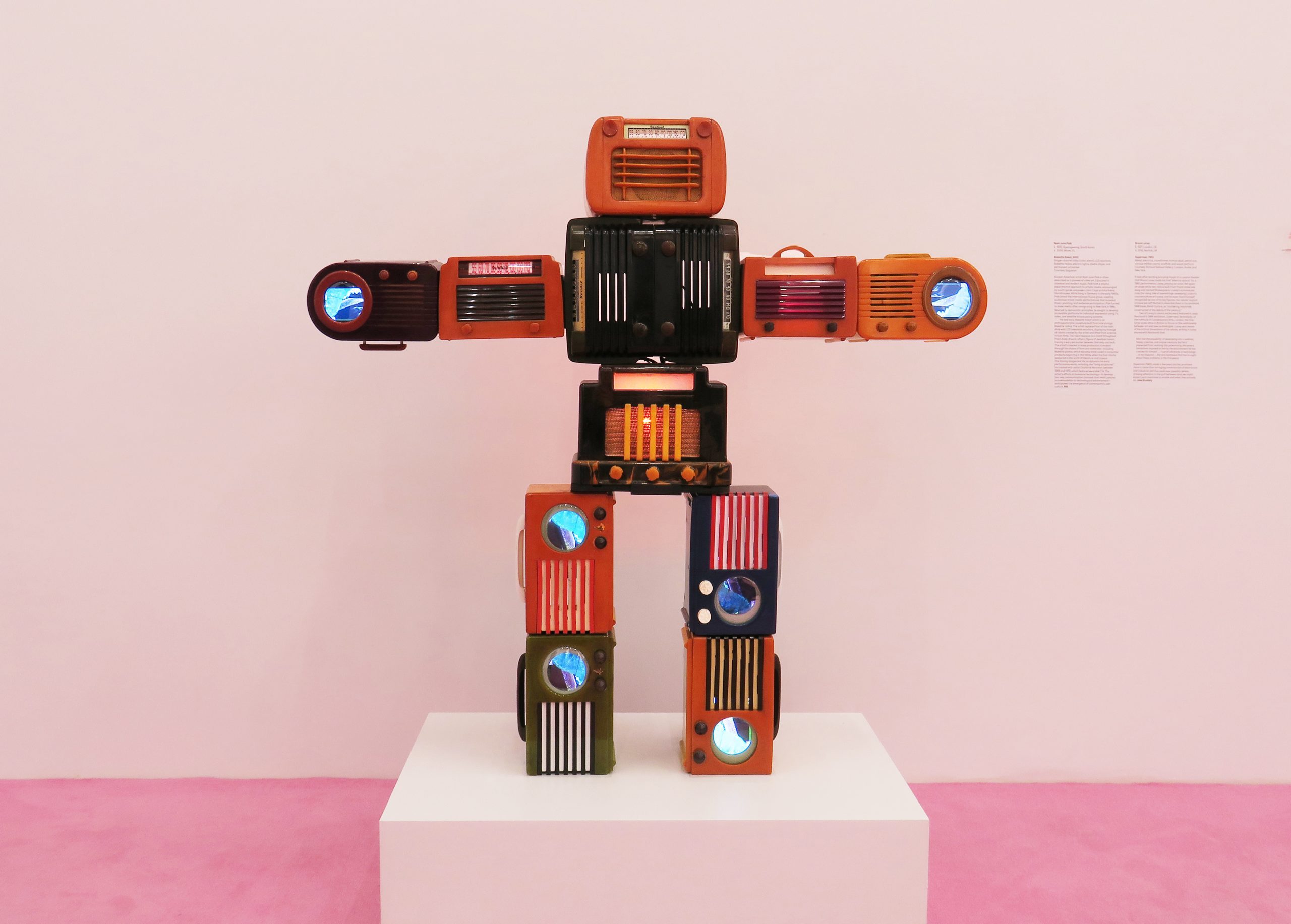
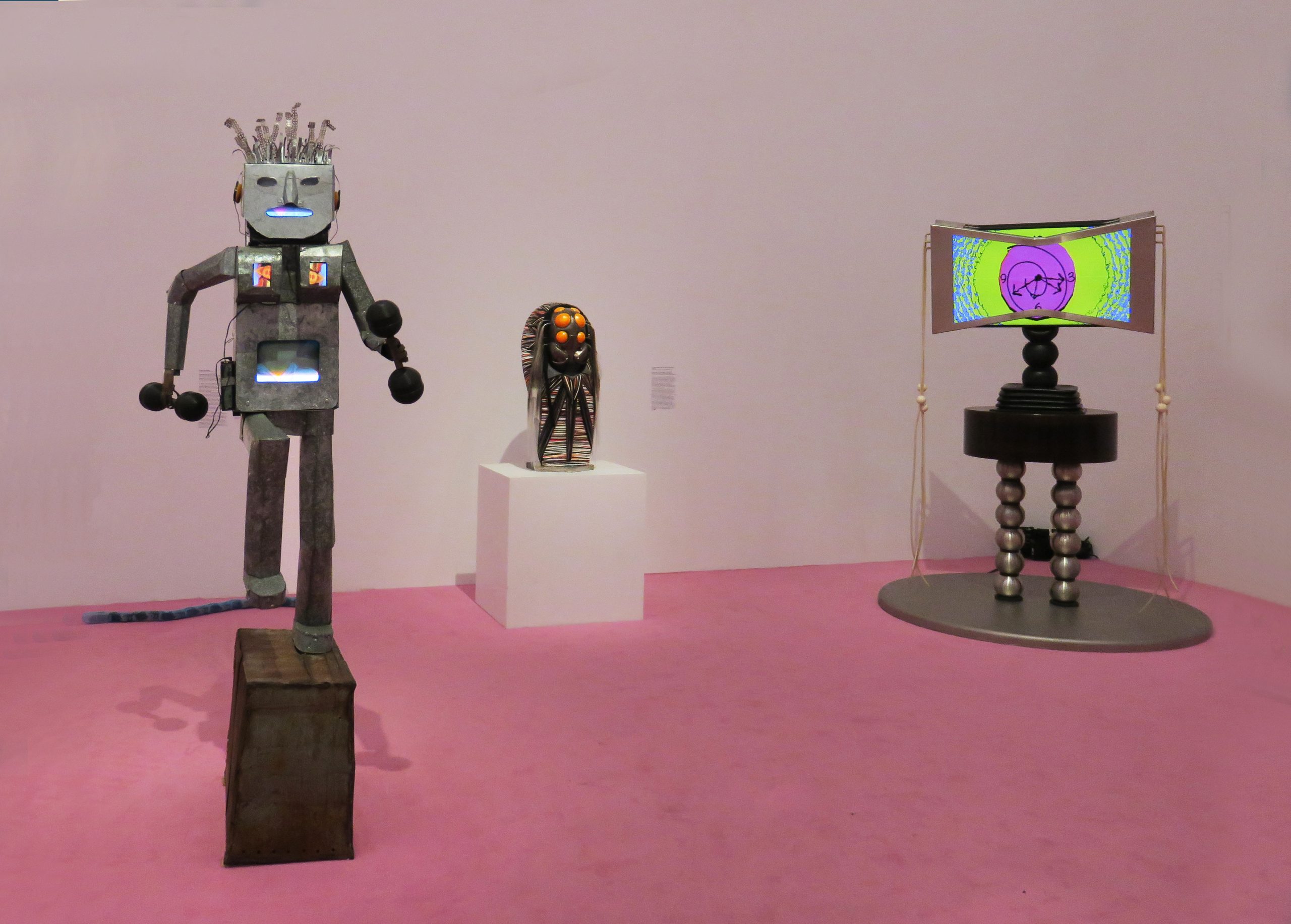
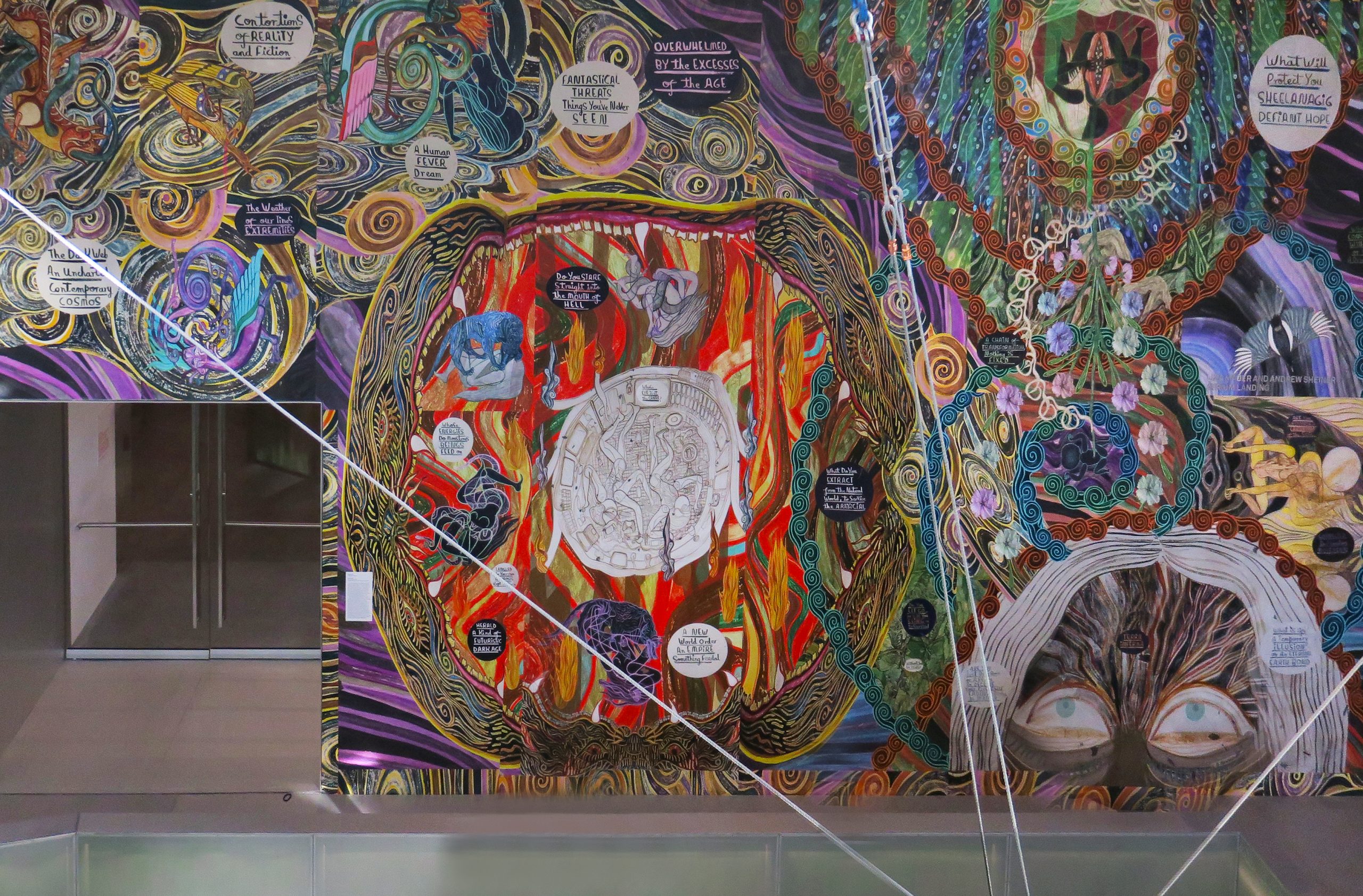
Though different in concept, the two buildings share a certain rawness and non-preciousness that is very much in line with the New Museum DNA – we are definitely not at either MoMA or the Metropolitan!
The annex, inaugurated to great fanfare just last week, not only expands the institution’s exhibit room but also creates a proper space for its public programming and activities, including multipurpose rooms for education and social events, as well as a dedicated setting for its NEW INC, the museum’s nonprofit cultural incubator dedicated to nurturing creative practitioners working at the intersection of art, design, and technology. ”The expanded building will be a hub for community,” states Regan Grusy, senior deputy director. “This expansion is so much more than just a building. It’s a departure point, it’s an opportunity for exploration, for experimentation, it’s an opportunity for our mission and creative vision to flow out into the world in new ways.”
As a museum that is not centered around a permanent collection, fifty years after its first modest exhibit, the New Museum continues to be a place for new art, new ideas, new expressions, and new voices. This reminds us that the museum was founded by a curator, critic, and art historian with a passionate commitment to creation—not as a generous but vanity-driven endeavor by a wealthy collector philanthropist. As Lisa Phillips, the current director states: “We are not a store house, but we are producers helping artists in the creation of new works”.
Kinetic video painting “Foldgrow 5” (1987) by Samia Halaby
This article and all of the photos are by Paul Clemence. Paul is an artist, award winning photographer, writer, curator, and he explores the cross sections of design, art and architecture.