
Want to party like it’s 1776?
No better place to celebrate the 250th anniversary of the Declaration of Independence on July 4, 1776 than Colonial Williamsburg, often described as the world’s largest outdoor living museum dedicated to interpreting 18th--century colonial America.
Visitors to Colonial Williamsburg this year get a bigger bang for their buck because CW, as it is called colloquially, is celebrating its own anniversary—100 years since John D. Rockefeller, Jr. funded a massive restoration project in 1926 to restore, reconstruct and preserve the former colonial capital. Side of Culture first wrote about Williamsburg five years ago.
Following what had been the vibrant seat of government during the heyday of the struggle for independence, Williamsburg had fallen into disrepair by the early 1900s.
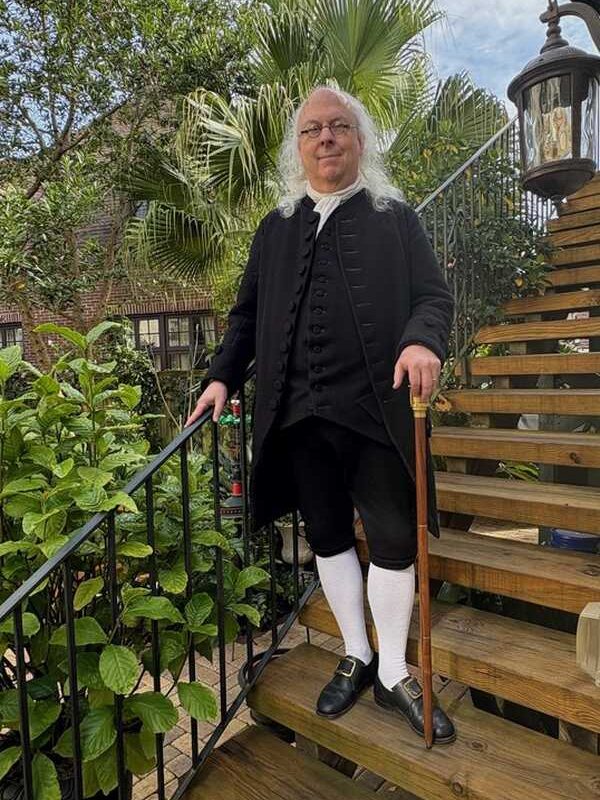
“It was a sleepy farming town by then. Once the capitol moved north to Richmond in 1780, bankers, tradesmen and government leaders followed,” said local historian B. J. Pryor, a costumed portrayer of colonial statesmen of the time, including Benjamin Franklin and founding father George Wyeth.
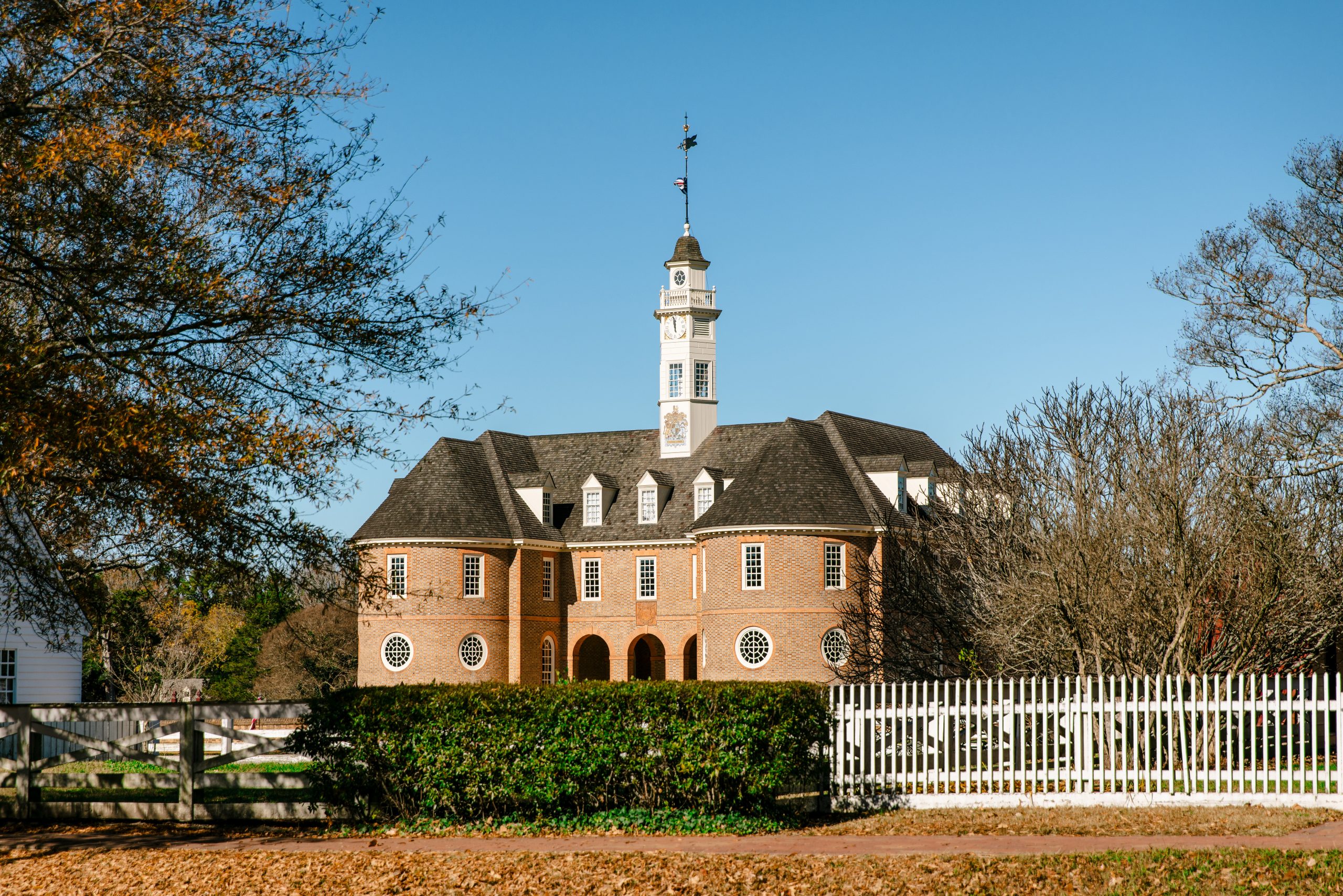
Work began in the late 1920s on a 300-acre site, designated the Historic Area. The goal, to recreate colonial America’s life in the 18th century, is reflected in the motto for Colonial Williamsburg, selected by Rockefeller in 1932: “That the future may learn from the past.”
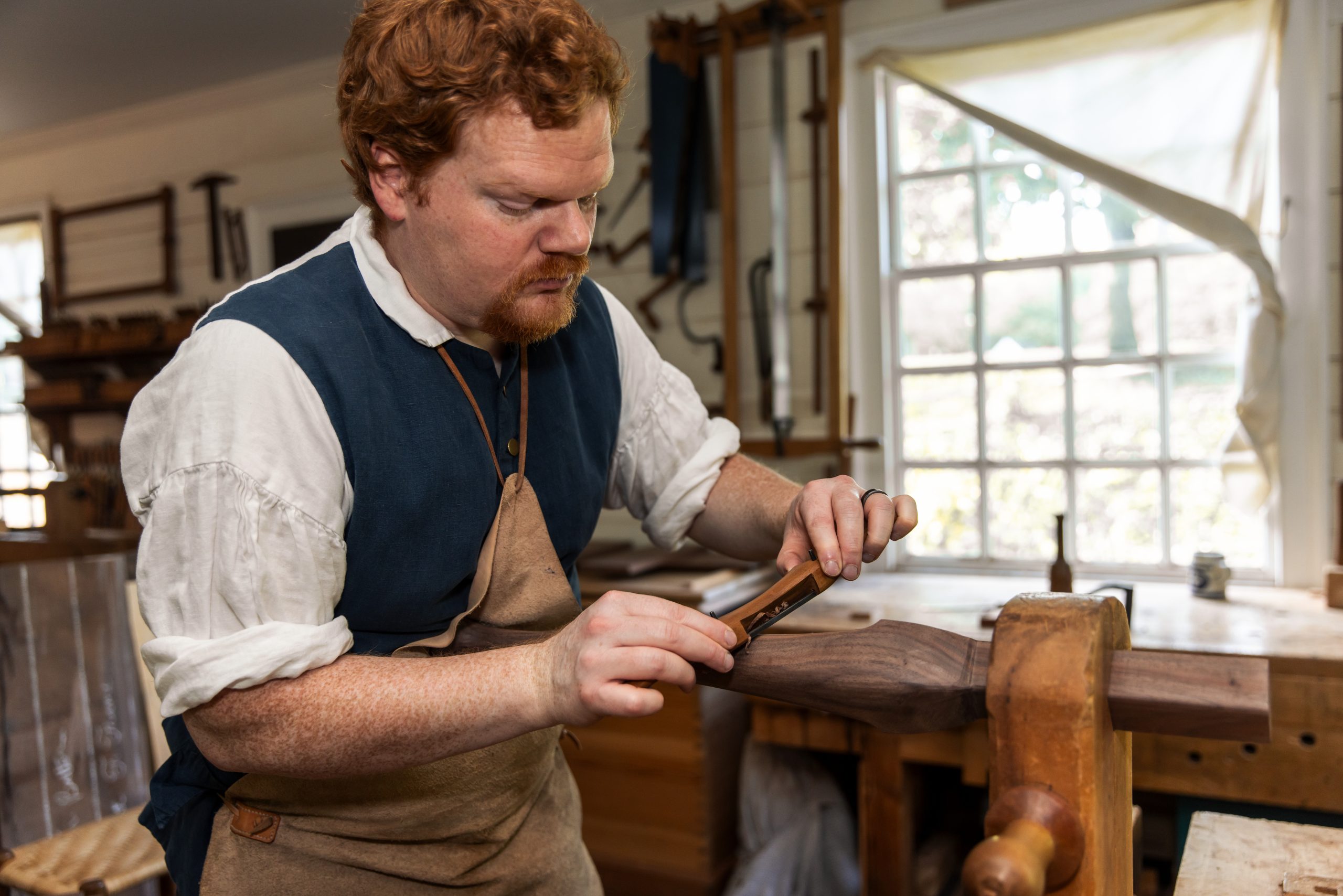
To date, more than 89 buildings, originally housing wigmakers and dressmakers, masons and coopers, cobblers, carpenters and innkeepers, have been restored, using 18th-century techniques and tools.
Central to the physical restoration project is The Colonial Williamsburg Foundation’s commitment to history: to advance the debates, recognize the divisions and authentically reflect the history of the time when Virginia stood on the precipice of revolution and independence.
Restoration work continues. Visitors can view excavations at The First Baptist Church on Nassau Street, one of the oldest Black congregations in the U.S., originally founded by free and enslaved African Americans.
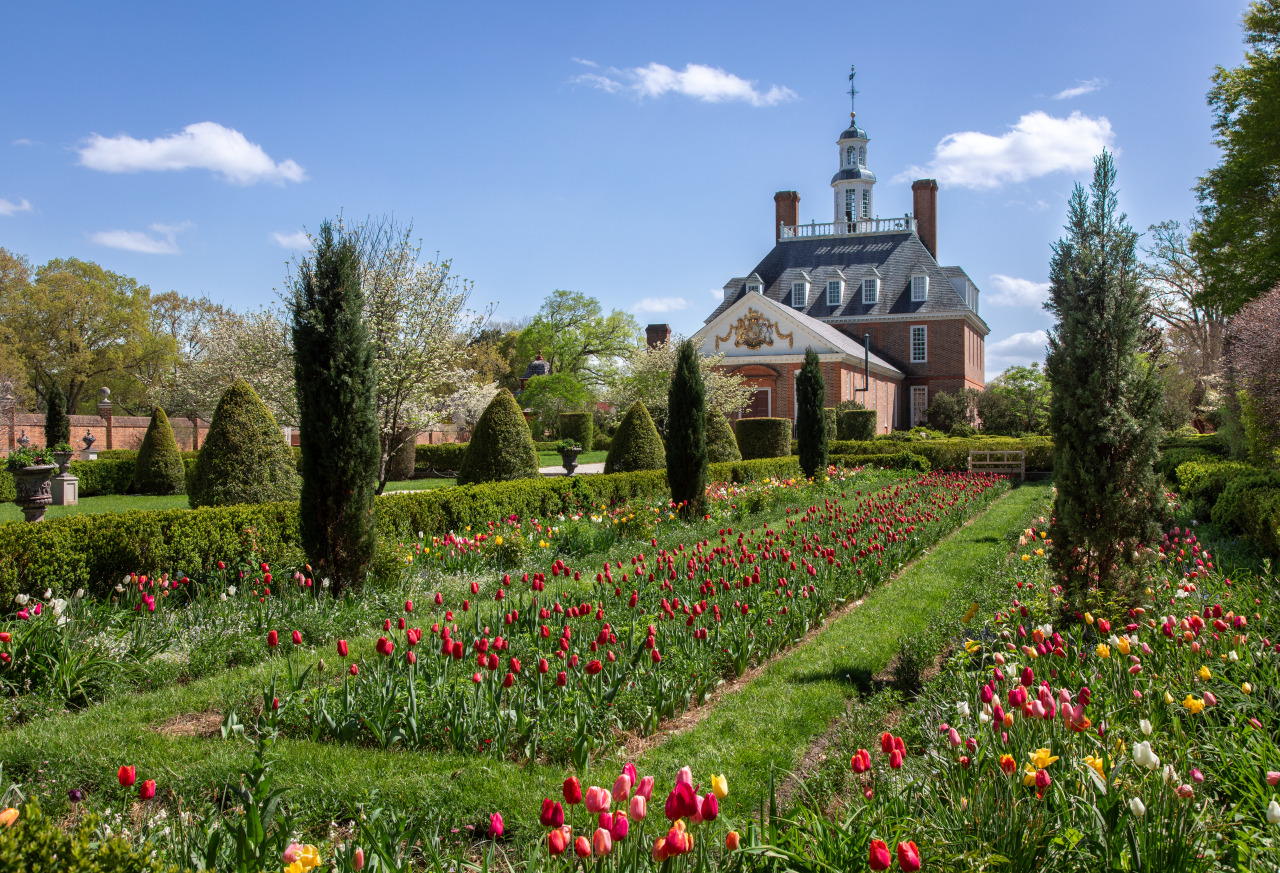
A four-acre pasture, formerly the 18th-century home and gardens of John Custis IV, a colonial planter and politician, is an excavation site open for viewing.
Opening April 26 is the Colin G. and Nancy Campbell Archaeology Center with laboratories, modern equipment and curated collections where visitors can observe archaeologists clean and analyze artifacts.
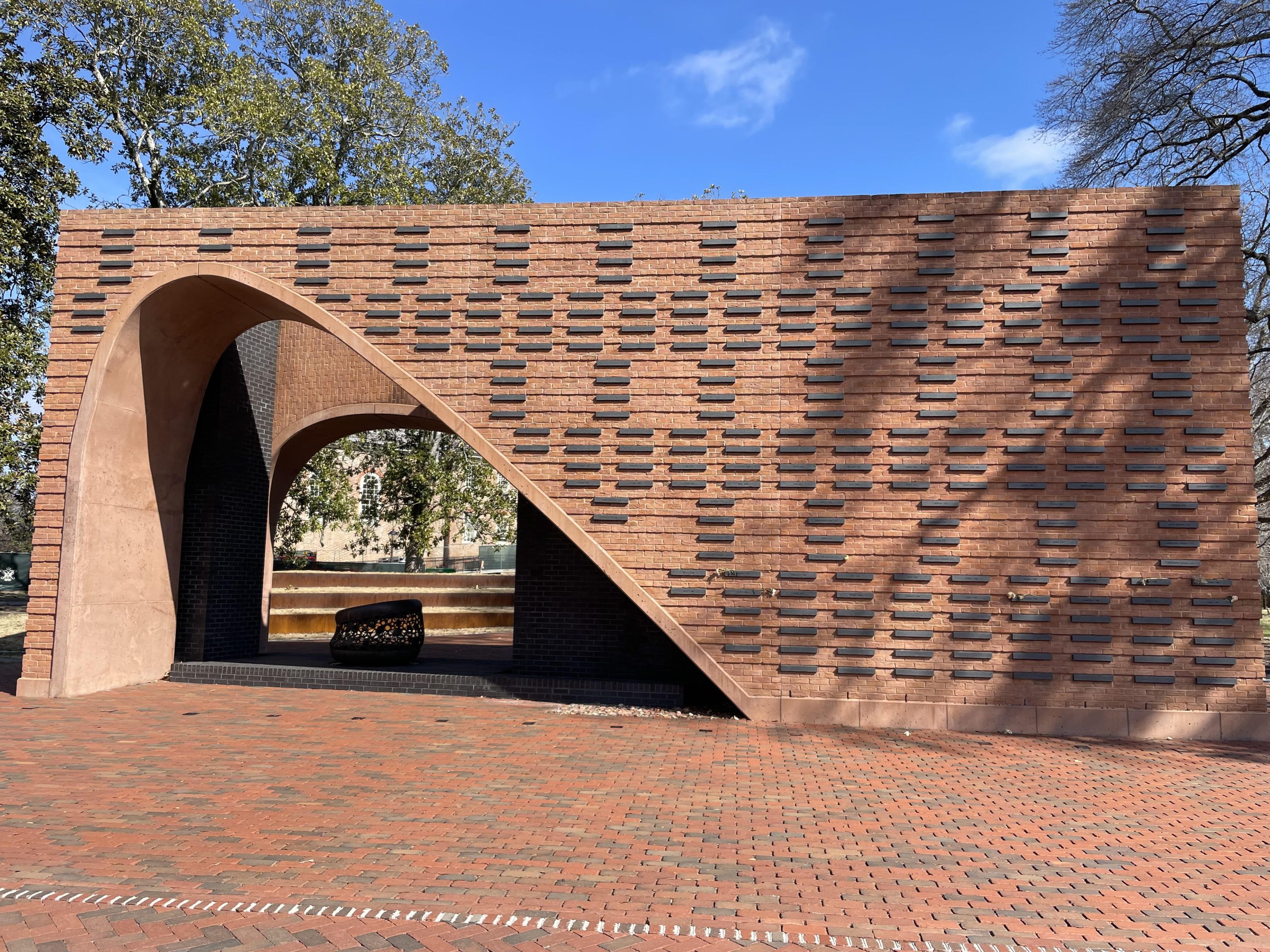
One of the newest additions to CW’s historic sites is also one of the oldest. The Williamsburg Bray School, built sometime around 1760, is America’s oldest surviving school for Black and enslaved children.
The one-room schoolhouse, which operated from 1760 to 1774, welcomed 300 to 400 children between three and 10 years old, according to genealogist Elizabeth Drembus.
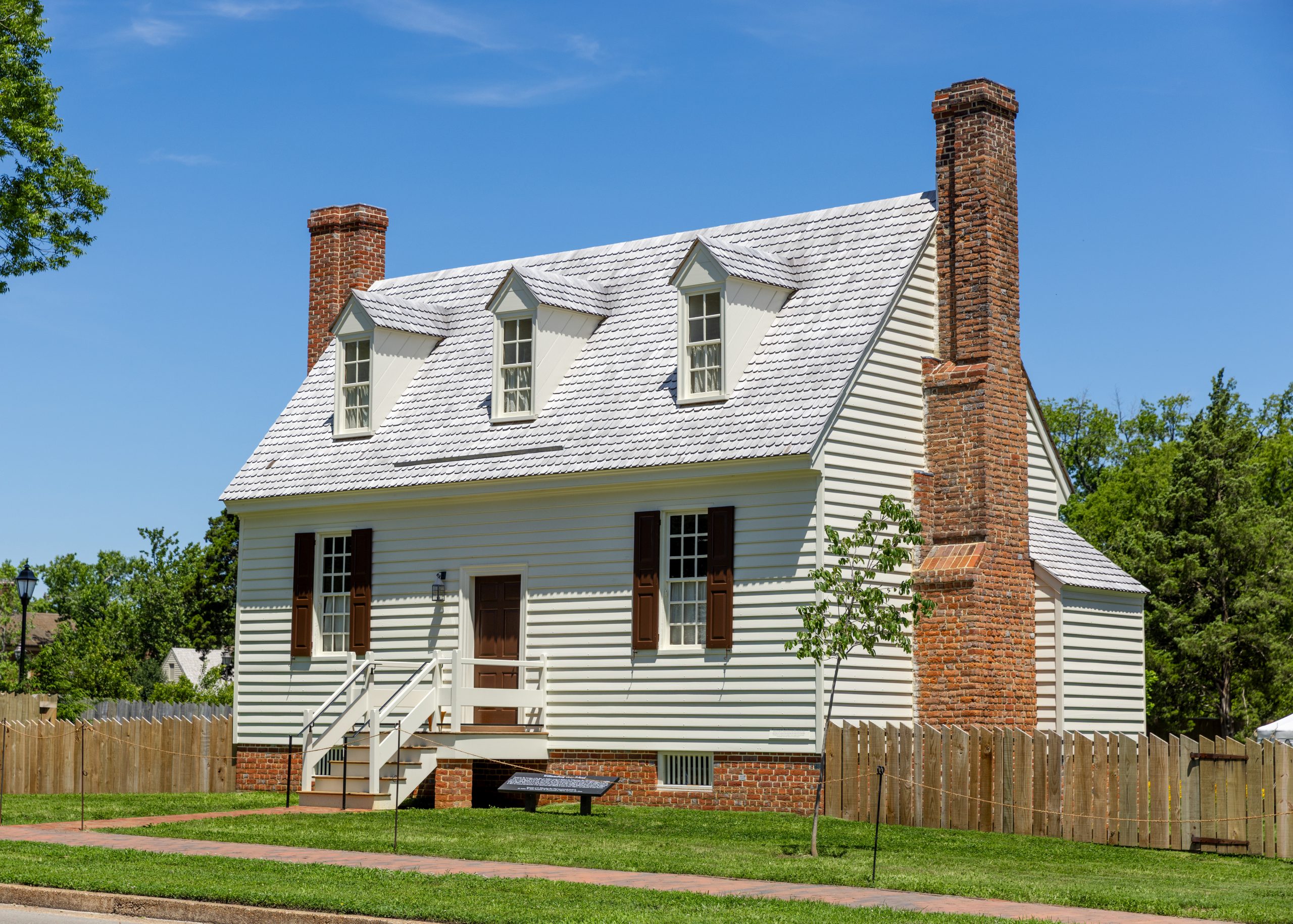
“Ann Wager was the sole teacher until her death in 1774. Her curriculum included reading (religious tracts from the Anglican Catechism), spelling, knitting and sewing.” Drembus said.
After the structure was moved to its present site in 2023 on Nassau Street in the Historic Area, scaffolding went up and preservationists and craftspeople got to work.
The Williamsburg Bray School opened to the public on June 19, 2025.
School attendance rosters from several years reveal that, in many cases, students’ names appear next to the names of their enslavers. “Painstaking research has linked a few of those children to their modern-day descendants, some of whom live in this area ” said Hannah Bowman, supervisor of Historic Interpretation.
Admission is free; the school is open daily for tours, and visitors are greeted by an historic interpreter in colonial dress.
Expanding on the rich history of 18-century life in Williamsburg, CW’s Art Museums (Abby Aldrich Rockefeller Art Museum & DeWitt Wallace Decorative Arts Museum) showcase an exhibit covering the first 100 years of Colonial Williamsburg.
Displays include more than 200 objects, documents, decorative art and archival materials; admission is free.
What else is happening this anniversary year in the town where history lives?
April 11: The Great American Birthday Quilt Reveal, led by the Muscarelle Museum, is a nationwide community art project that combines quilt squares from Americans across the country. The quilt will be rolled down Duke of Gloucester St. before its goes on display in the Colonial Williamsburg Visitor Center museum for the rest of the year.
May 2-3: Military Encampment Weekend includes camp setup by Revolutionary War reenactors in period uniforms, demonstrations of 18th-century military maneuvers, musket firing and battlefield tactics.
May 7: Williamsburg Symphony on the Palace Green is a tribute to America’s landscapes, people and spirit by composer Peter Boyer.
May 15, 16: “The Flame of Revolution” commemorates May 15, 1776 when the 5th Virginia Convention voted to instruct delegates to propose a resolution for the 13 colonies to declare themselves free and independent states.
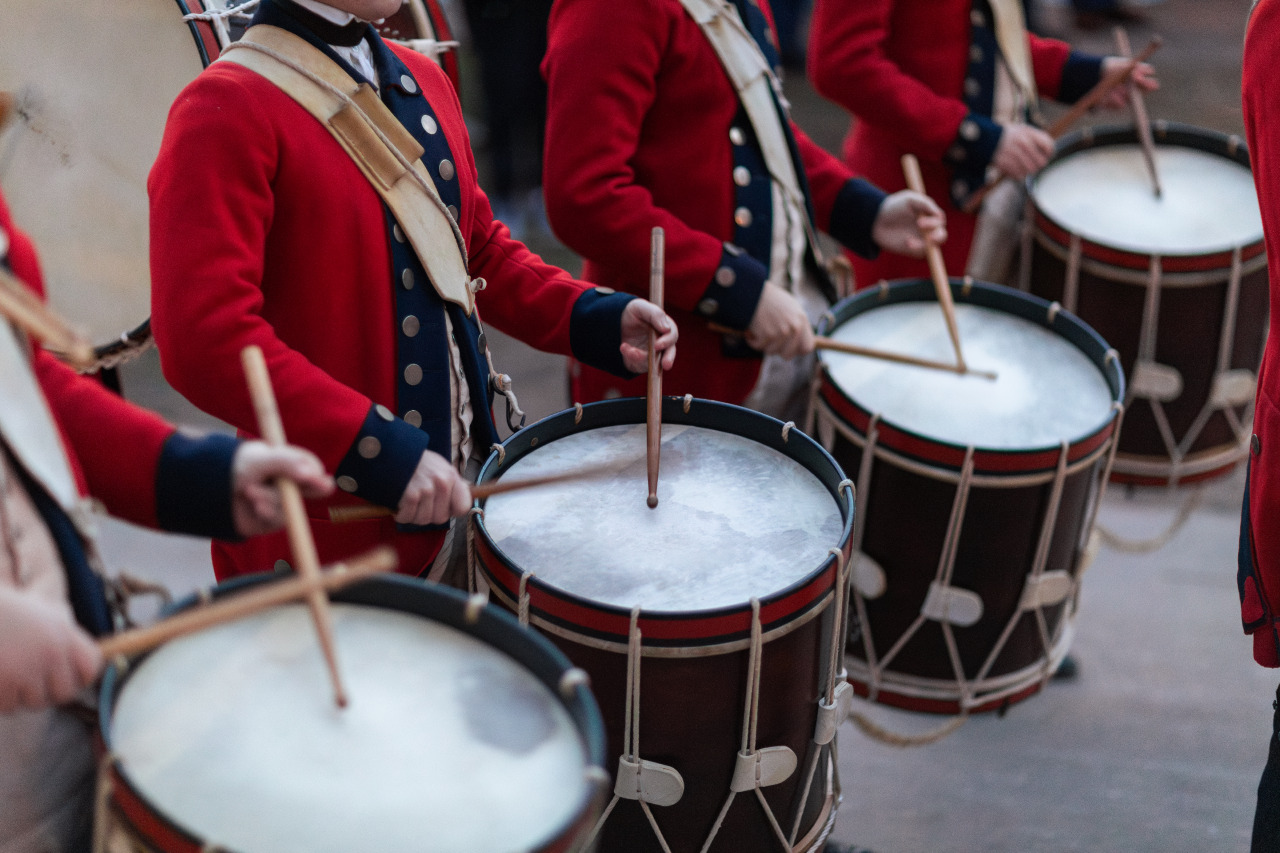
May 29-31: Visiting drummers’ corps join Colonial Williamsburg’s Fifes and Drums for performances throughout the Historic Area.
June 12-13: 250th anniversary of the First Virginia Declaration of Rights that established a framework for protecting individual liberties and set a precedent for future declarations of rights. Events take place at Gunston Hall in Lorton, VA, a three-hour drive from Williamsburg at the plantation home of George Mason, author of the Virginia Declaration of Rights. Side of Culture wrote about Gunston Hall two years ago when it finished restoring its beautiful gardens.
June 14-21: Juneteenth Commemoration marks the end of slavery in the US on June 19, 1865. Celebrations in Colonial Williamsburg include the opening of the First Baptist Church’s African Baptist Meeting House, a sunrise service beneath the 70-foot-tall iconic Compton Oak near Market Square, drumming performances and educational programs.
July 4: Colonial Williamsburg will celebrate Independence Day on historic Duke of Gloucester Street with public readings of the Declaration of Independence, musical performances and a grand fireworks finale at the Governor’s Palace.
Oct. 9. 16, 23, 30: Colonial Williamsburg Letters from the Archives explore 100 years of archival letters and correspondences through historical interpreters and special guests.
Nov. 5-7: Symposium on Historical Dress showcases research on historical clothing, accessories and the people who wore them.

Nov. 14: Colonial Williamsburg hosts a 100th anniversary celebration on Duke of Gloucester Street, marking a century of the restoration that began in 1926.
Dec. 7: 100th anniversary of John D. Rockefeller’s approval for the first property purchase of the Ludwell Paradise House in Williamsburg, marking the start of the restoration.
“Colonial Williamsburg is ready to meet these historic moments this year—our own centennial and our nation’s 250th anniversary,” said Clifford B. Fleet, president and CEO of the Colonial Williamsburg Foundation.
Fleet’s invitation to come, learn and experience is echoed by Edward Harris, CEO Visit Williamsburg. “History isn’t just remembered in Williamsburg—it’s experienced.”
Noteworthy, Nearby and Not to Miss
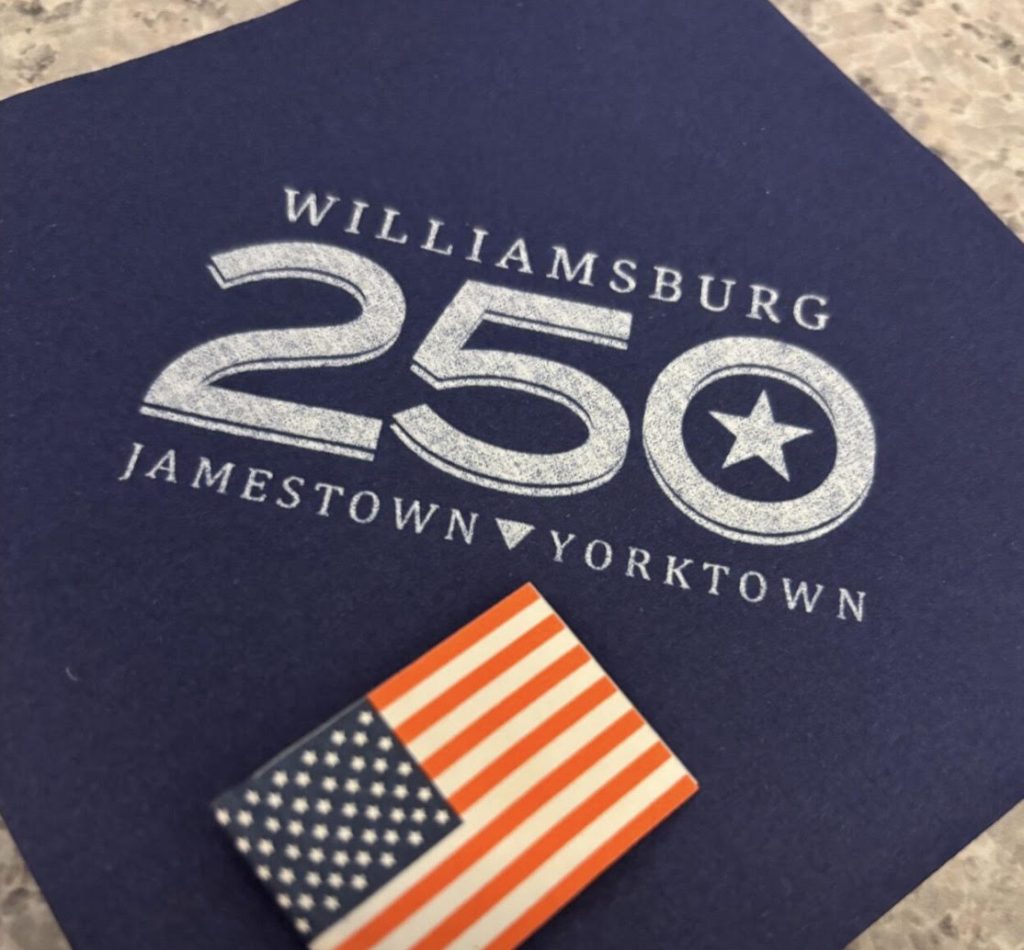
The area known as the Historic Triangle in the Tidewater region of Virginia includes not only Colonial Williamsburg but also Historic Jamestown, where the first English settlers landed in 1607.
Yorktown, home to the American Revolution Museum, is best known for the Siege of Yorktown, the final major battle of the American Revolution in 1781.
Links
Colonial Williamsburg Foundation https://www.colonialwilliamsburg.org
Virginia American Revolution 250 Commission https://va250.org
Visit Williamsburg www.visitwilliamsburg.com
Virginia Tourism Corporation https://vatc.org
By Gay Nagle Myers
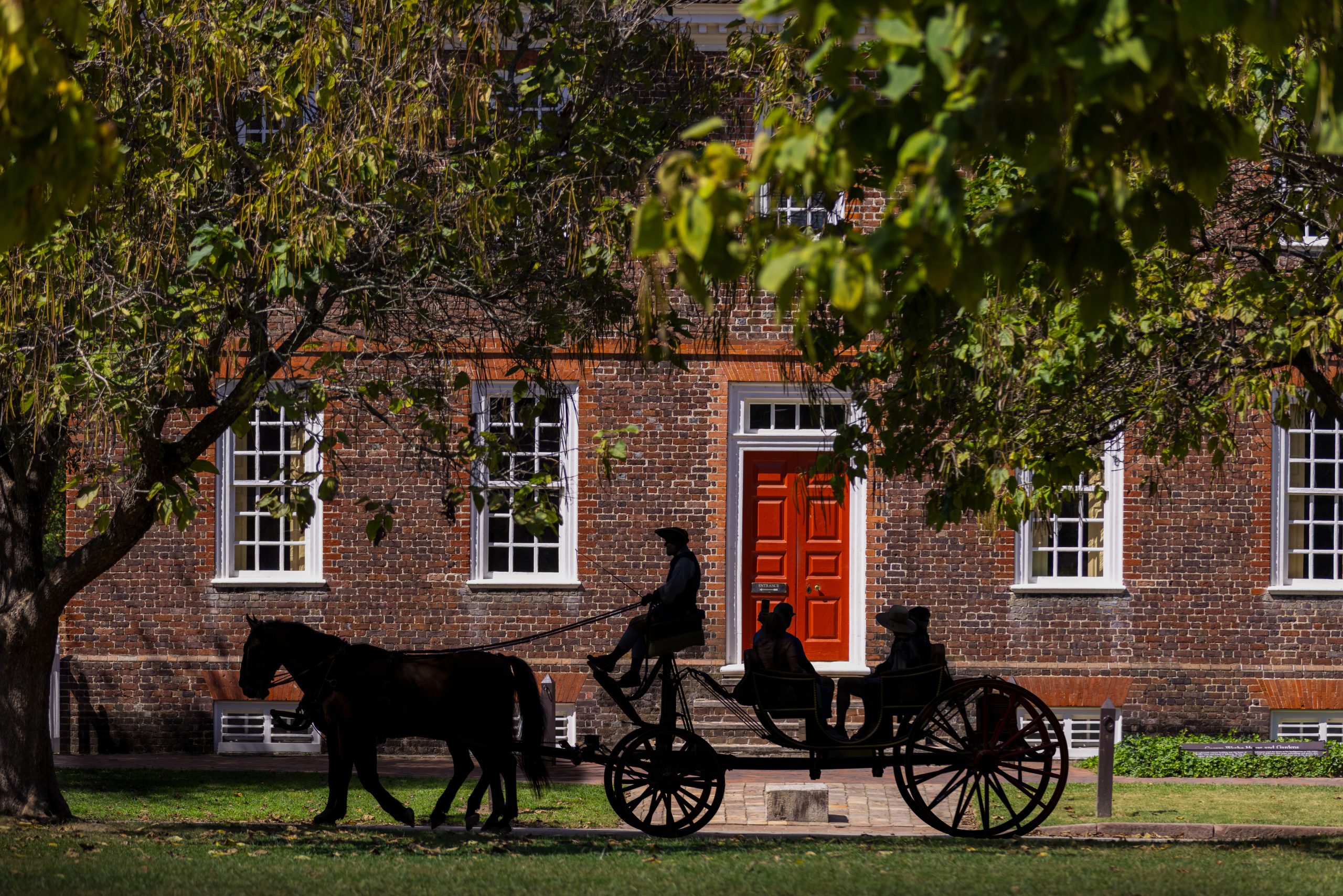
Featured photo: A horse-drawn carriage carries visitors passes the house of George Wyeth, a Virginia statesman and one of America’s Founding Fathers. Credit: The Colonial Williamsburg Foundation