
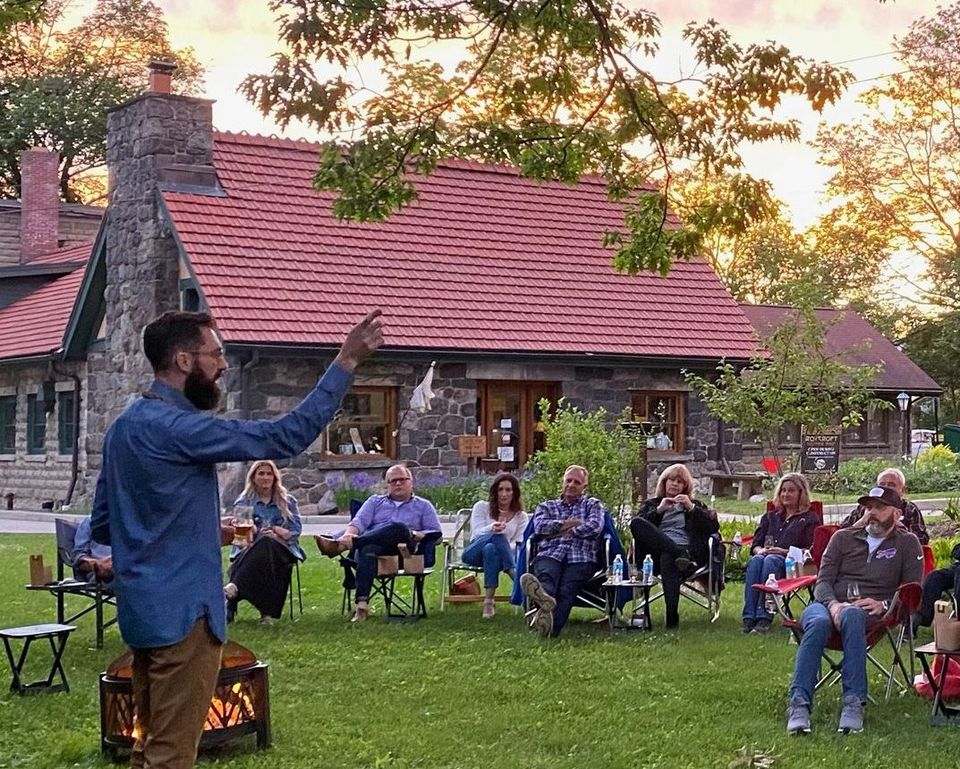
In the charming village of East Aurora, New York, just 20 miles southeast of Buffalo, lies a cultural treasure that feels less like a museum and more like a living philosophy. The Roycroft Campus is not merely a collection of historic buildings; it is the spiritual birthplace of the Arts & Crafts Movement in America. Side of Culture had the opportunity to visit the beautiful town and artistic community where the past feels alive.
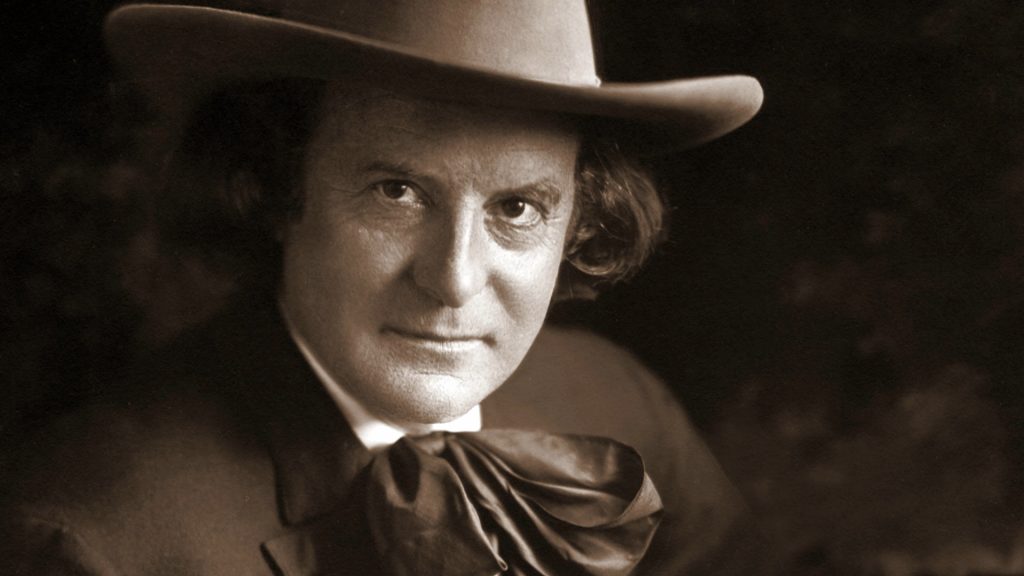
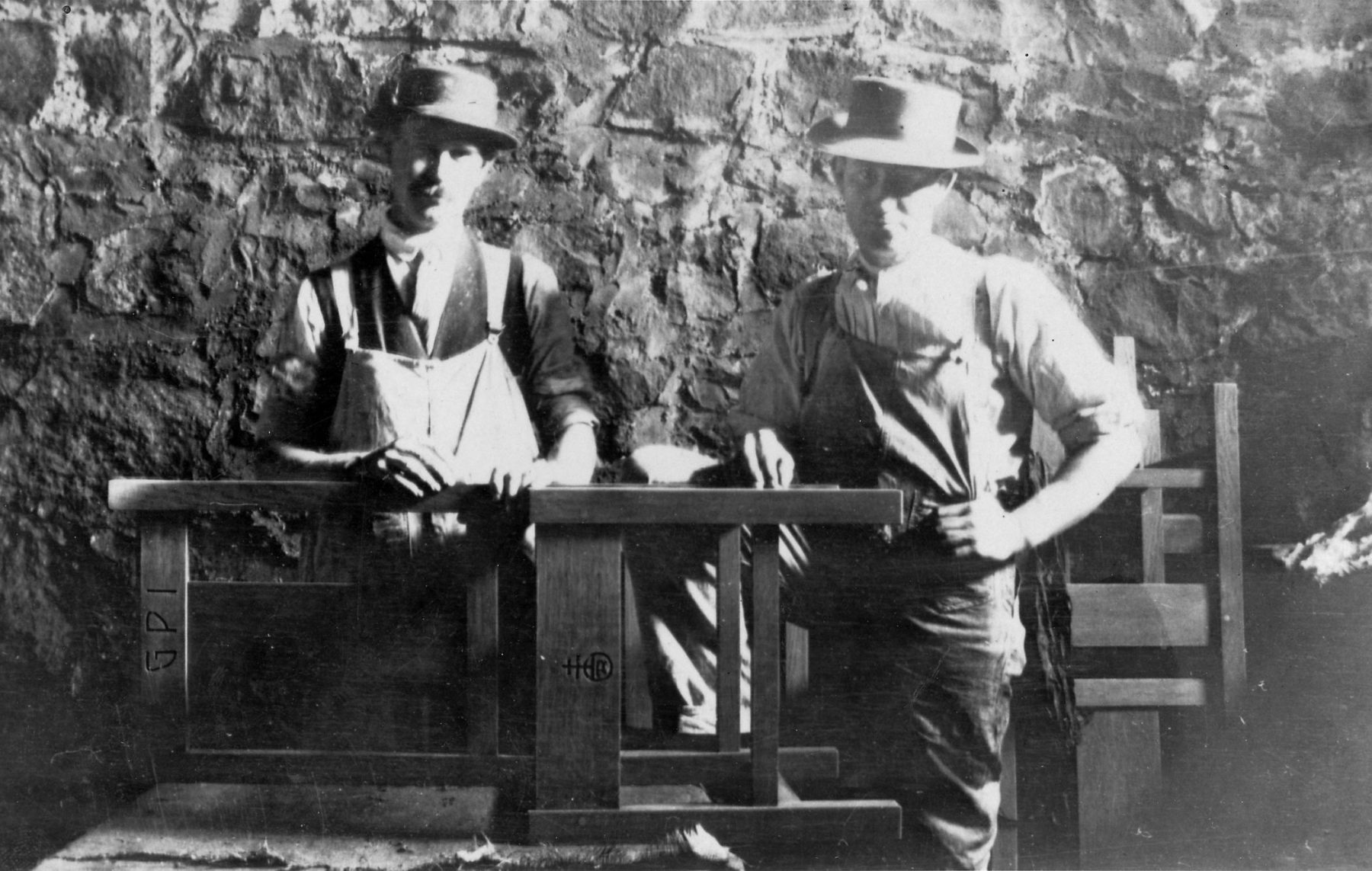
Founded in 1897 by the charismatic writer and entrepreneur Elbert Hubbard, the campus was once a bustling guild where hundreds of artisans lived and worked, dedicating themselves to the motto of “Head, Heart, and Hand.” Today, designated as a National Historic Landmark, it remains the best-preserved complex of guild buildings in the United States, offering visitors a rare chance to immerse themselves in a world where craftsmanship is king.
“Even though the Roycroft Campus is steeped in history, it is a lively and productive community today,” said Alan Nowicki, the Director of Programming. “At the Jerry & Barbara Castiglia Art Center for example, we offer educational and collaborative experience in which artists can create, display and gather in a shared community space dedicated to the visual arts. The classes, book clubs, events, speaker series and gatherings as well as exhibitions and workshops by and for the artists are popular and well-attended. The current environment is a testament to the drive and enthusiasm of the founder.”
A Utopian Vision Preserved
The story of Roycroft is inextricably linked to Elbert Hubbard. Initially a very successful soap salesman for the Larkin Company and where he earned a good income, Hubbard eventually left the corporate world to pursue a life of writing, art and philosophy. He went to England to study the English Arts & Crafts movement pioneered by William Morris as a reaction against the Industrial Revolution and Victorian styles.
The Arts & Crafts movement focused on the improvement of societal ideals through the creation of high-quality, hand-crafted objects, and finding beauty and inspiration in the simplicity of nature. Elbert was drawn to these concepts and returned to America and to East Aurora with the idea of following in Morris’ footsteps. Hubbard envisioned a community where workers could find joy in their labor, producing beautiful, handmade objects in an era increasingly dominated by soulless industrialization.
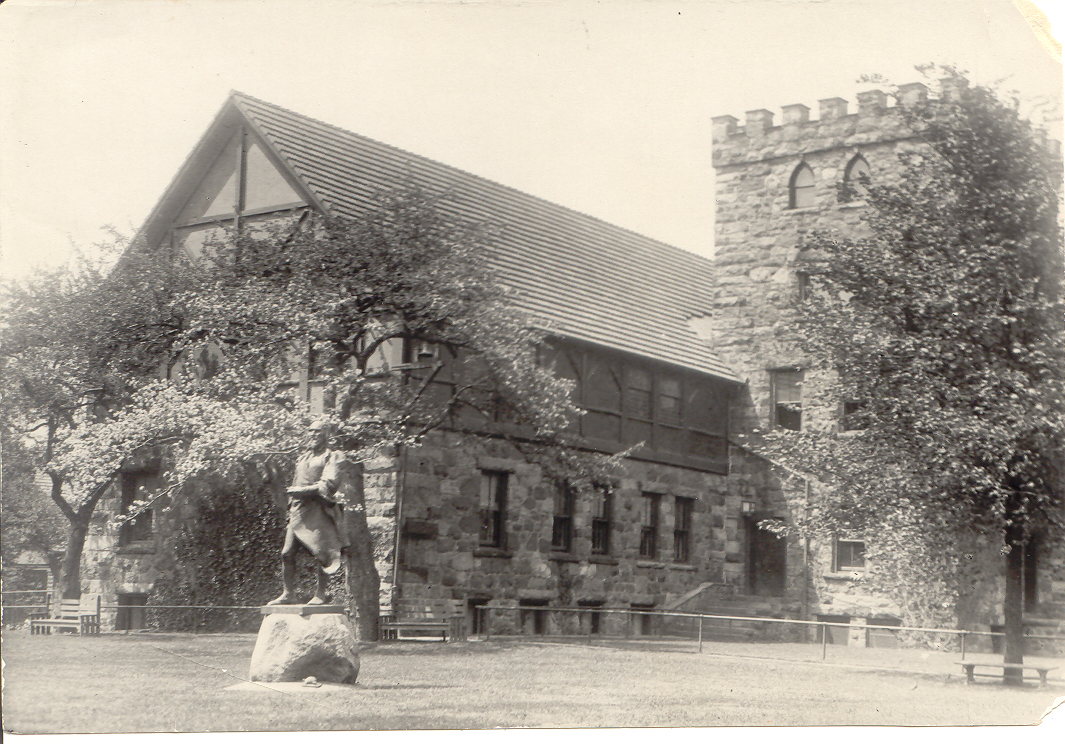
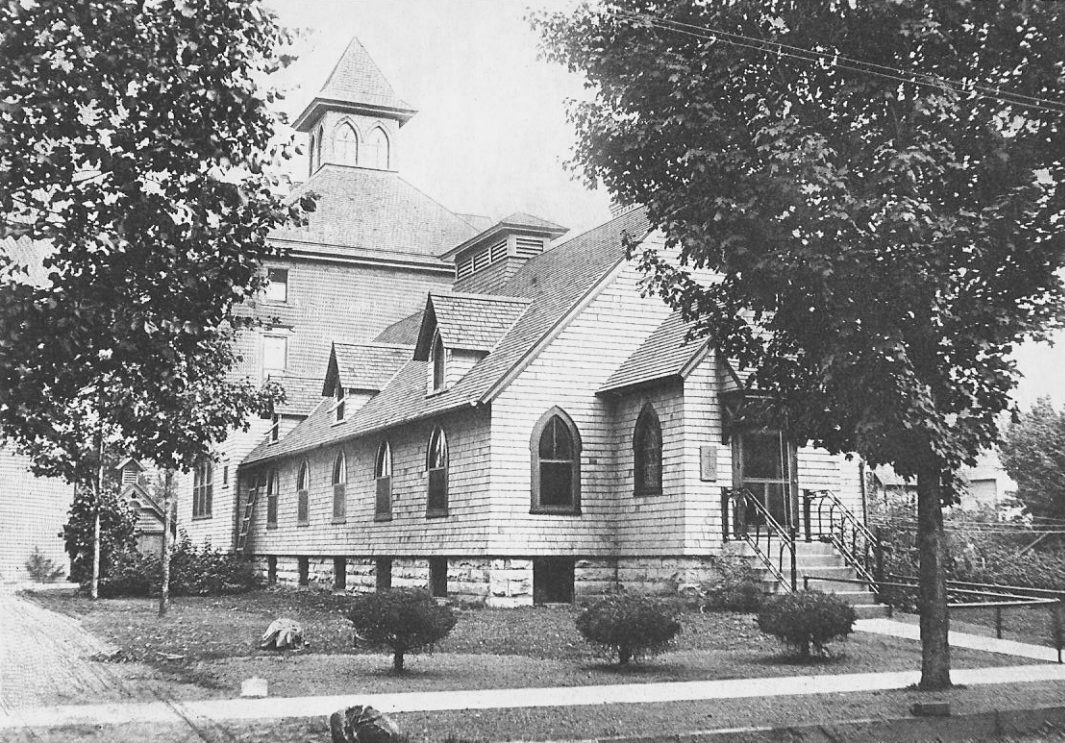
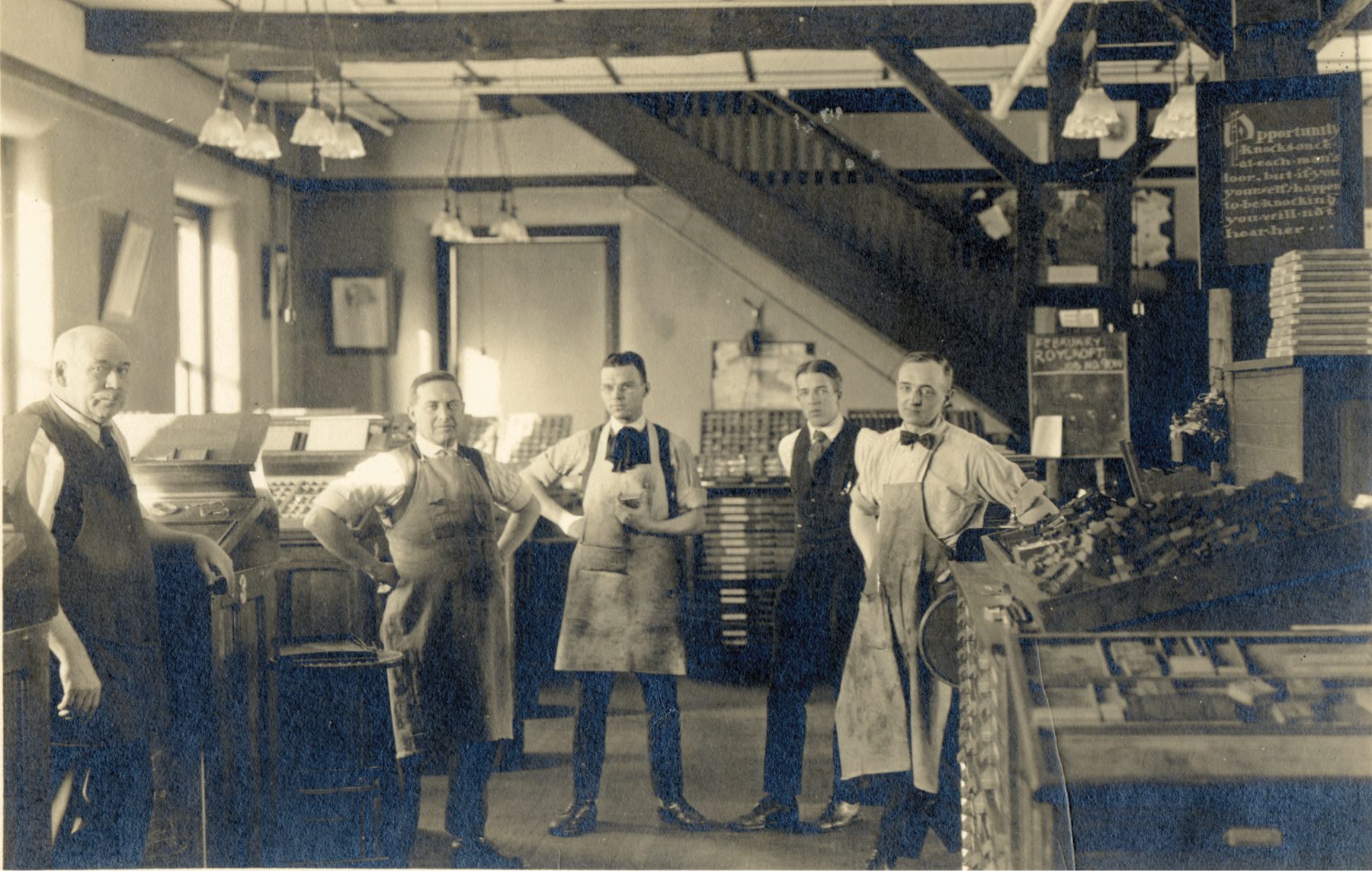
Elbert constructed a print shop next to his home on South Grove Street in East Aurora in 1897, called the Roycroft Print Shop. It is here that Elbert and his small staff began printing hand-crafted books, often filled with beautiful illuminations. In 1899, Elbert needed space filler for The Philistine magazine, and wrote a short story based on his interpretation of an event during the Spanish-American War, advocating that hard work leads to success. The story, which would later be titled A Message to Garcia, would propel Elbert to international fame, and would go on to become the third best-selling book at the time, behind only the Bible and the Dictionary attracting hundreds of visitors to East Aurora in the hopes of meeting Elbert.
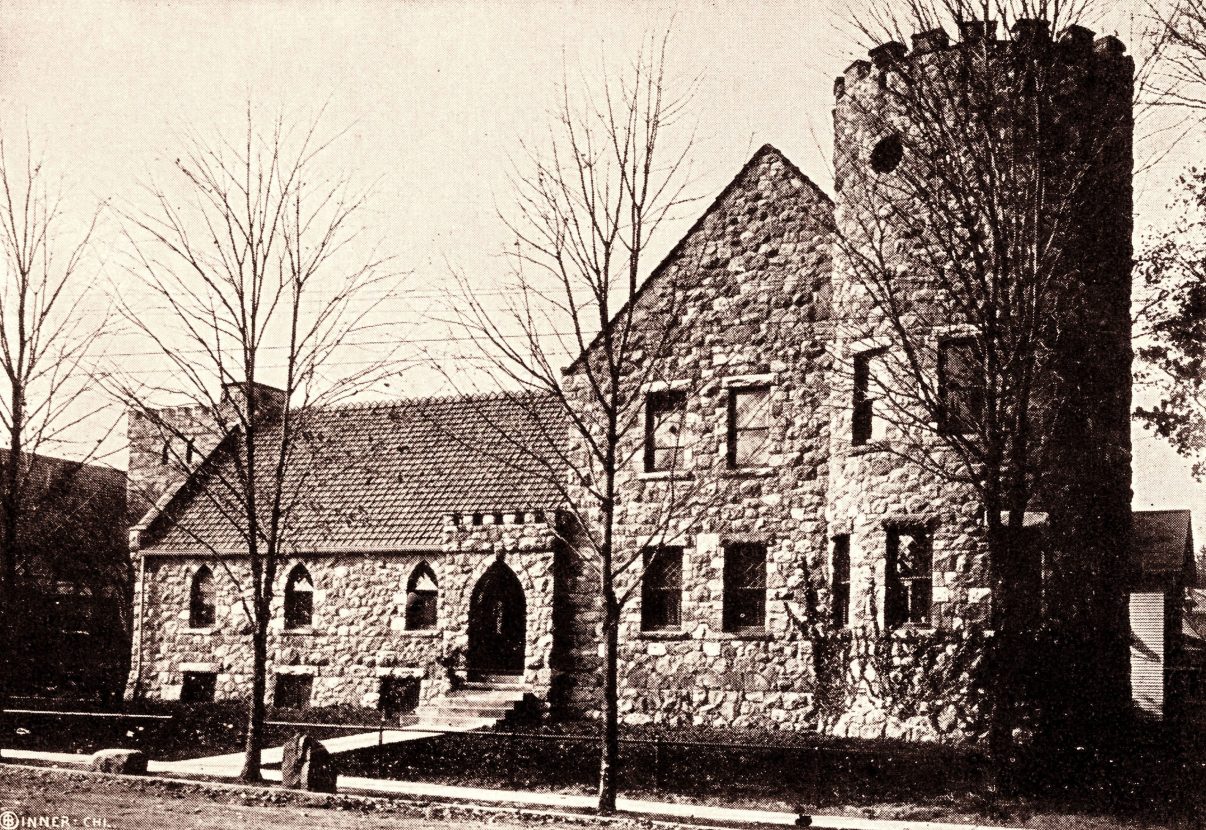
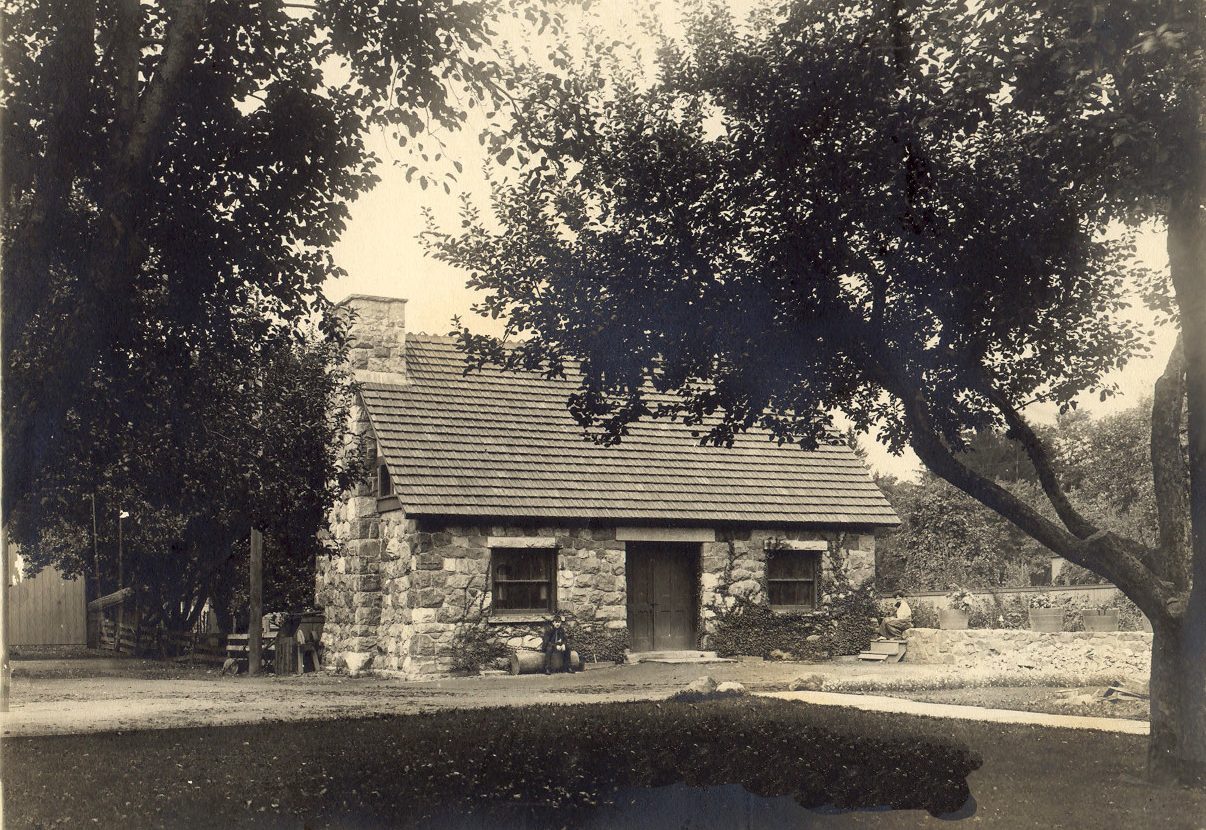
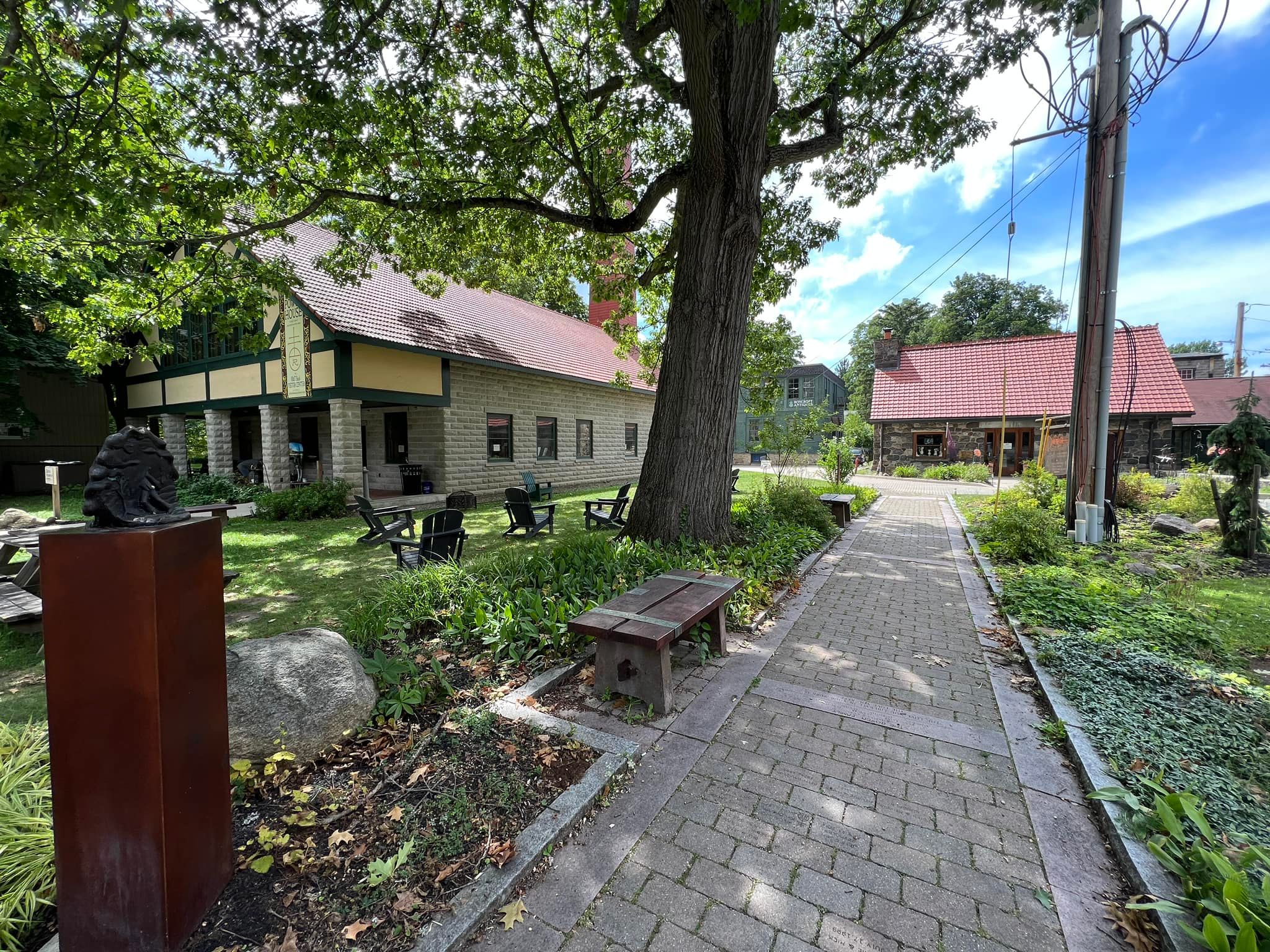
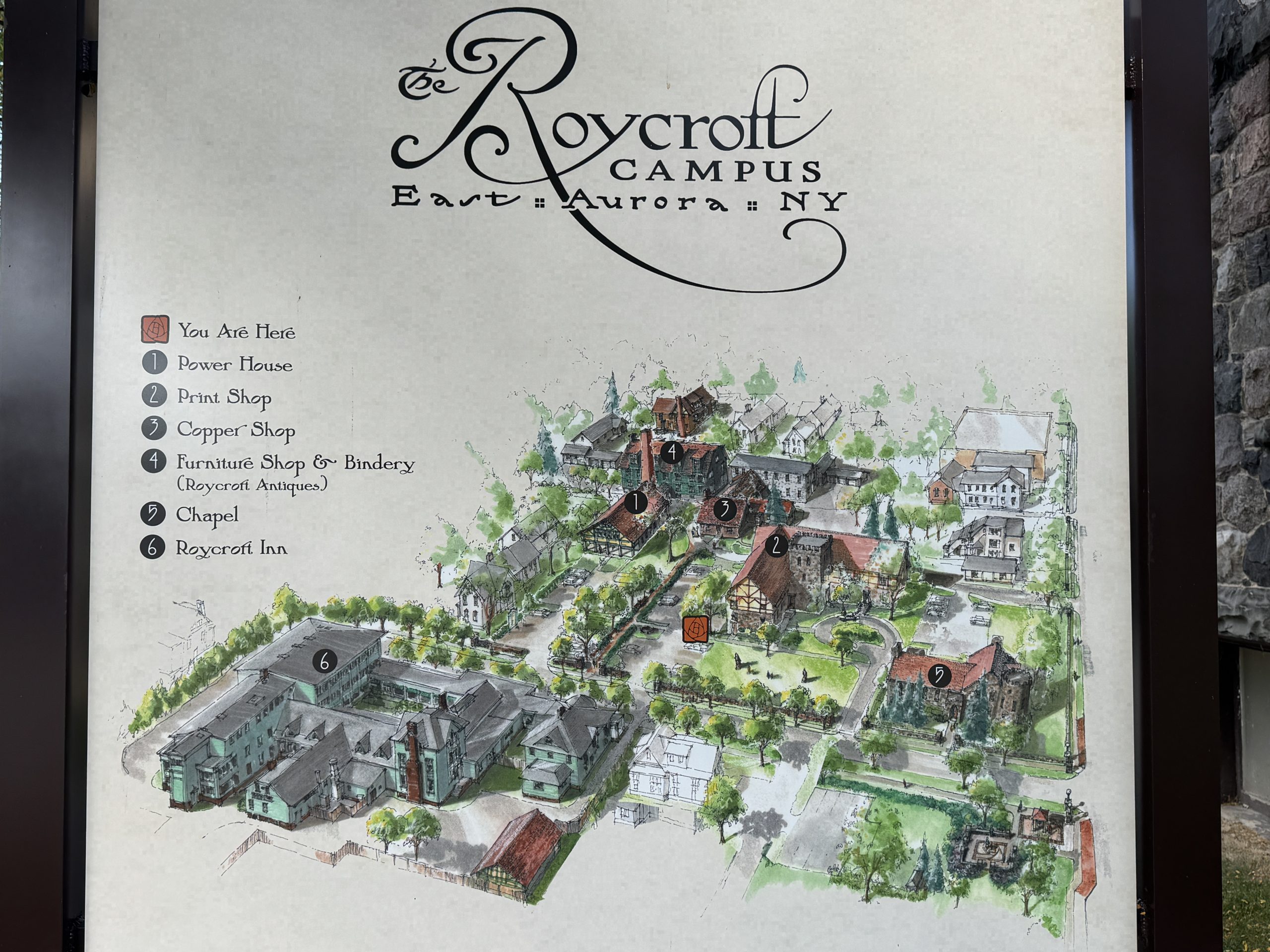
Walking onto the campus today, you are immediately struck by the architecture. The buildings, constructed from local fieldstone and heavy timbers, evoke a sense of permanence and rustic elegance. The structures—including the Print Shop, the Copper Shop, and the Chapel—were built by the Roycrofters themselves, standing as physical testaments to their skills.
The Campus Experience Today
While the original guild ceased operations in 1938, the Roycroft Campus Corporation has masterfully revitalized the site, turning it into a dynamic center for art and education that honors Hubbard’s legacy.
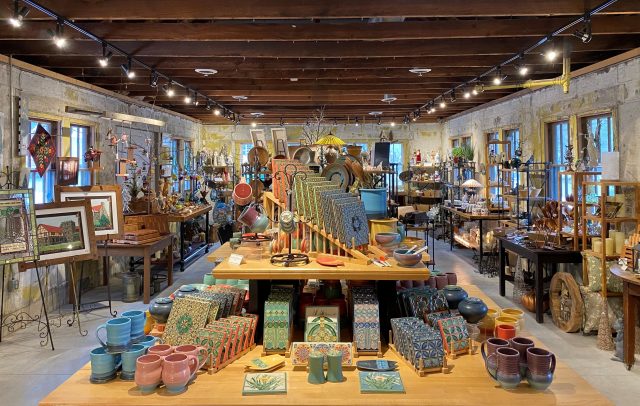
- The Copper Shop Gallery: Once the noisy heart of metalworking on campus, this building now houses a stunning gallery and gift shop. It is the perfect place to see the enduring influence of the movement. The shop features work from over 100 contemporary artisans, including pottery, jewelry, wood, and, of course, hand-hammered copper. It’s a retail experience that feels curated and personal, far removed from the mass production of the modern world.
- The Power House: Reconstructed after a fire, this building now serves as the Visitor Center and a hub for history. Here, you can trace the rise of the Roycrofters, from their beautifully bound books to the “Message to Garcia”—the essay that propelled Hubbard to international fame.
- The Print Shop: Parts of this building have been restored including the Press Room, where printers and binders are once again creating on original Roycroft presses. The Campus Museum is also located here offering a glimpse into the past, with stories of the people, philosophy and objects made.
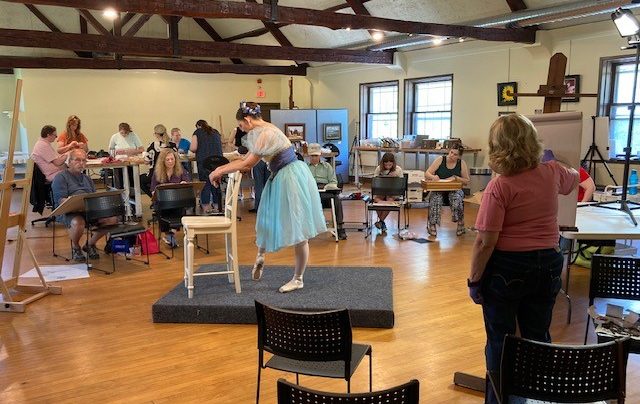
- Classes and Workshops: True to its roots, the campus is not just for looking; it’s for doing. The Castiglia Art Center offers a robust schedule of workshops where you can try your hand at watercolors, illumination, or writing, keeping the “Head, Heart, and Hand” philosophy alive in a very literal sense. There are memberships and a variety of classes impressionistic watercolors to figure drawing and introduction to the letter press, weaving and landscape drawing.
- A lecture series (in person and virtual), film society, and book club provide appealing community-based programming encouraging participation and engagement.
The Jewel of the Campus: The Roycroft Inn
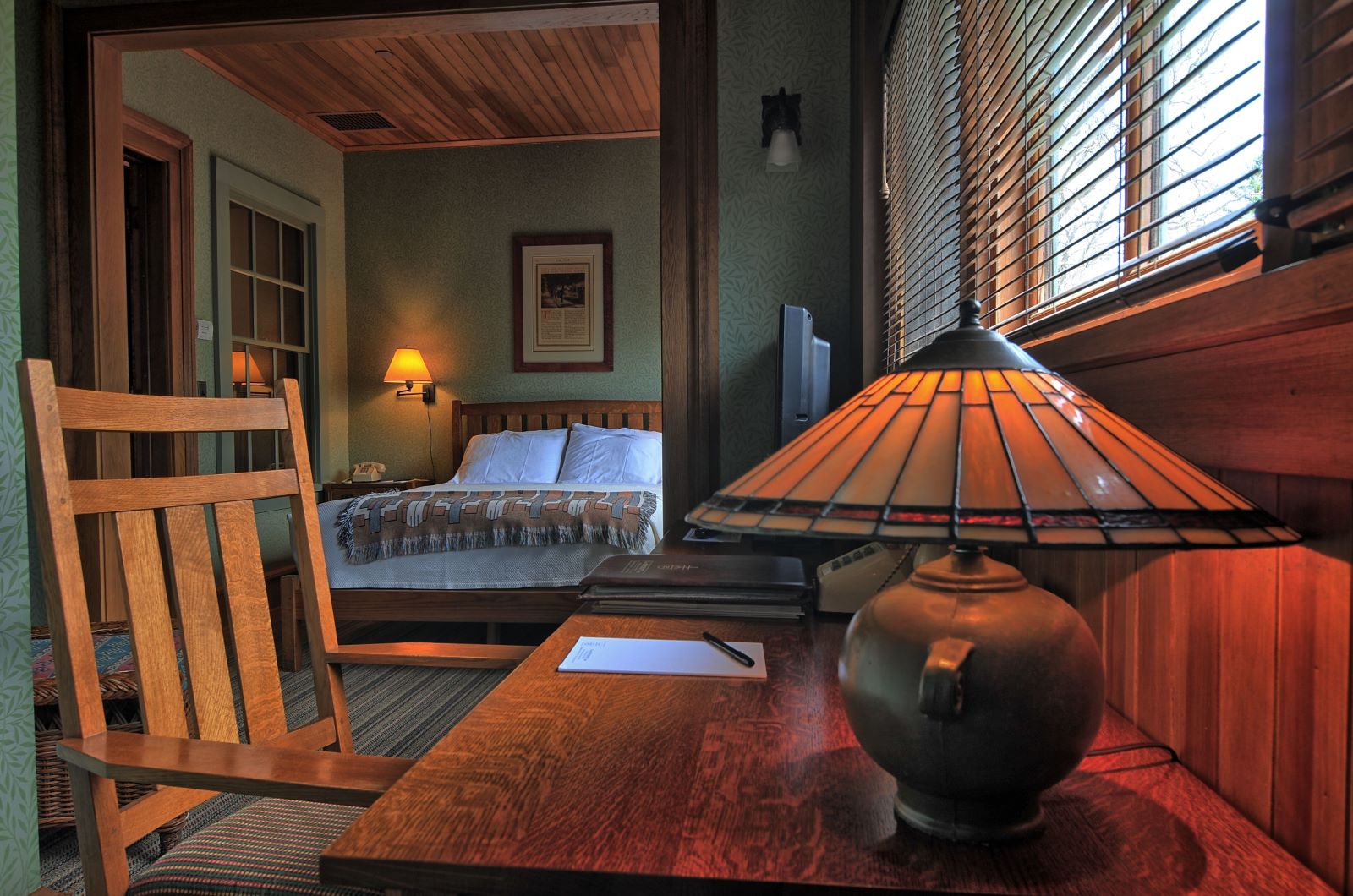
No visit to the campus is complete without experiencing The Roycroft Inn. Opened in 1905 to house the flood of visitors drawn to Elbert Hubbard’s community, the Inn is a National Historic Landmark that underwent a meticulous restoration in 1995.
Stepping into the lobby, also known as “the Salon”, is like walking into a painting. The room is wrapped in warm, earthy tones where you can relax in authentic, heavy oak furniture. Surrounding the walls are sixteen surviving murals by Roycroft artist Alexis Jean Fournier. These depict the eight intellectual centers of the world, one of which just happens to be the Roycroft itself. A sense of hand-wrought history of wood, copper and stained glass permeates every corner, from the open-air Peristyle dining porch, to the Library Bar and Craftsman Lounge, both anchored by a massive stone fireplace. These elements of nature and handcrafted details set the stage for a timeless stay that feels both grand and intimate.
If You Go
- Location: The campus is located on South Grove Street in East Aurora, NY. It is a walkable village that pairs perfectly with a stroll down Main Street to see the historic Vidler’s 5 & 10.
- Tours: Guided walking tours are highly recommended to fully appreciate the history and the personalities that shaped this community. Tours typically run seasonally or by appointment, so check the website ahead of time.
- Shopping: The Copper Shop Gallery is open year-round (Tuesday–Saturday, 11 am – 5 pm), making it a fantastic stop for unique holiday gifts.
- Stay: For the full experience, book a night at The Roycroft Inn. It allows you to sleep within the National Historic Landmark itself, surrounded by history.
- Events: Keep an eye out for the campus’s major festivals, including the Art & Antique Show in June and the Fall Festival in October, which fill the grounds with artists and collectors.
“The Roycroft Campus is more than a historic site,” said Nowicki, “it is a reminder of the value of human touch in a digital world. It invites us to slow down, appreciate the details, and perhaps find a little inspiration to create something of our own.”
Roycroft Campus
31 South Grove Street
East Aurora, New York 14052
https://www.roycroftcampuscorporation.com/
By Victoria Larson, Publisher of Side of Culture, and Jamie Kaup.