
They weren’t called towns. They weren’t called villages. They were called colonies. They are the Amana Colonies, seven settlements created in 1855 by a band of German immigrants in east central Iowa.
There’s an eye-popping tale to go with that, and the Amana Heritage Society focuses on sharing it. To that end, the society maintains a collection of 19th century buildings that, taken together, comprise the Amana Heritage Museum.
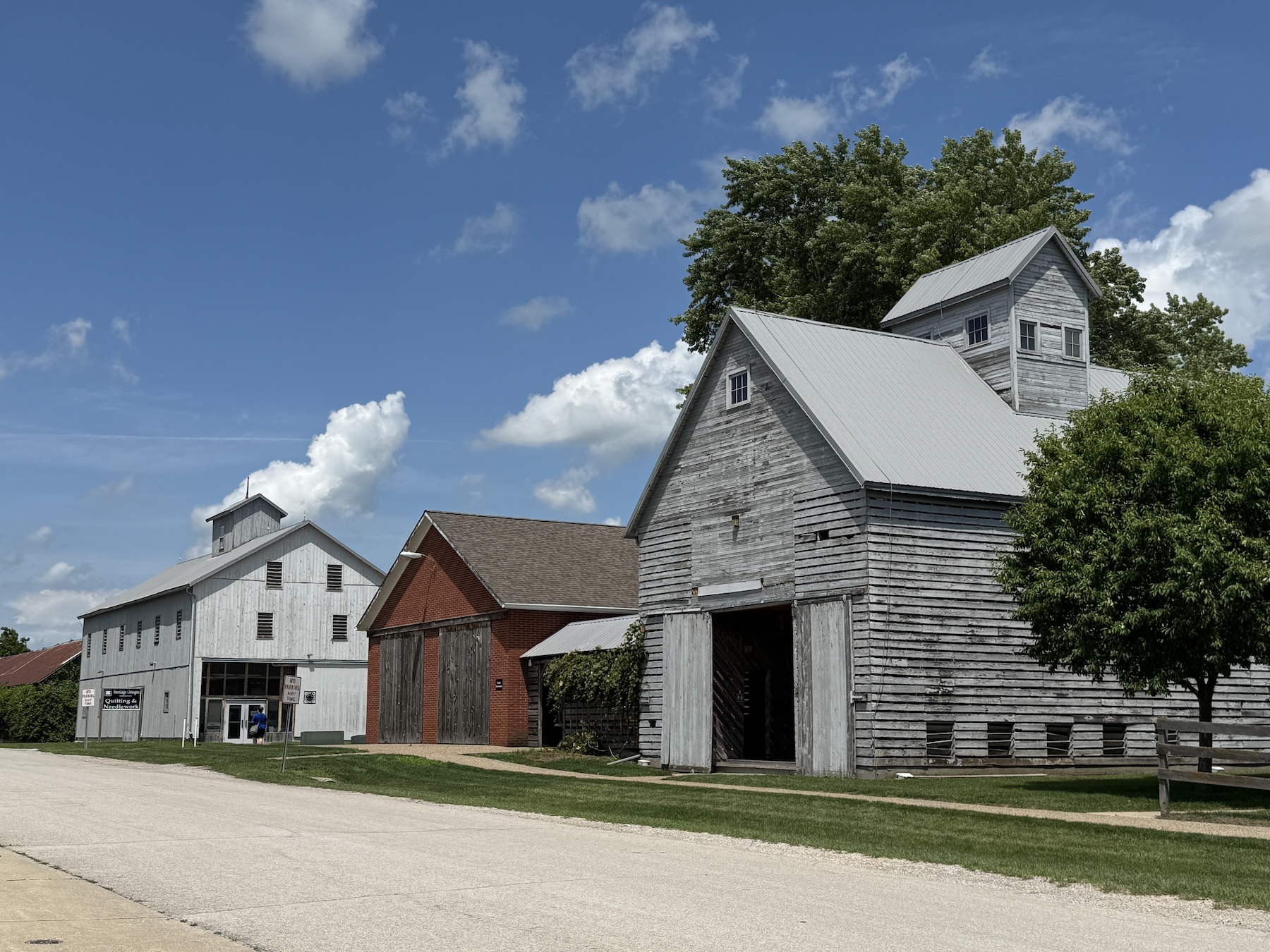
Arguably, the towns themselves are one big museum. Historic houses, barns, corncribs, general stores and churches are everywhere. The villages boast more than 400 founding-era buildings, and much attention is given to preserving the historic appearance of the villages. The Amana Colonies were declared a National Historic Landmark in 1965.
Further, the colonies have preserved a tradition for quality manufacturing — woven goods, woodworking and prepared foods — and they have preserved their religion, known as Radical Pietism. About 1,600 people live in the Amanas, roughly half of them descendants of the 19th century settlers. A hundred or so still use German on a daily basis.
About the eye-popping tale
The multi-location museum is a key starting point for capturing the Amana story.
Begin with the museum’s site in the town of Amana. Locally, the town of Amana is called Main because of the other village names: East Amana, West Amana, South Amana, High Amana and Middle Amana (with one outlier, Homestead).
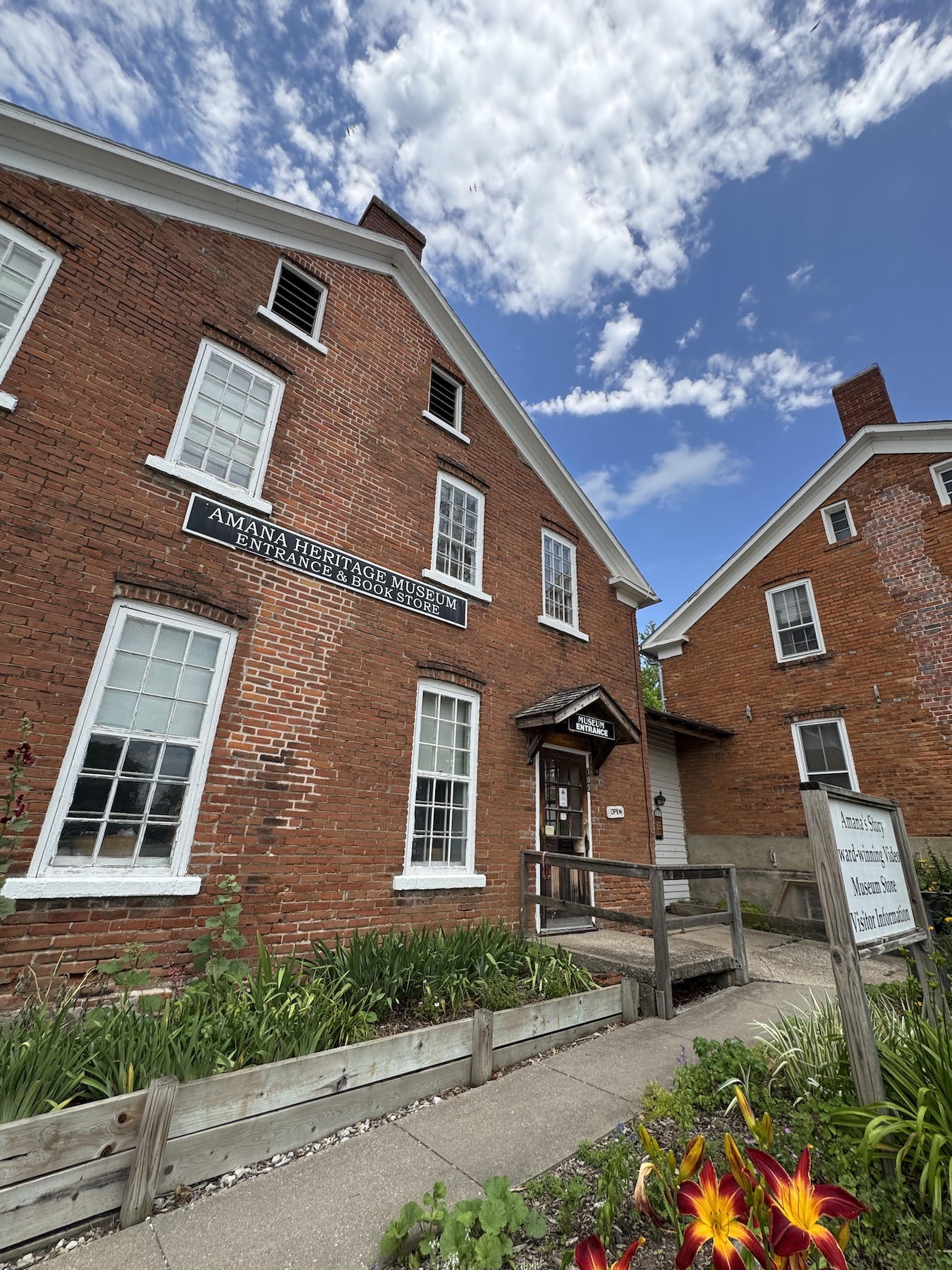
There are three museum buildings in Main Amana: an 1870 schoolhouse; the 1864 Noe House, and a washhouse/woodshed.
Entry is at the schoolhouse, where visitors see a 22-minute film on Amana’s history. The must-see flick fills in details of the following story:
To preserve their religion, Radial Pietists relocated from Germany to New York State, then started moving to Iowa in 1855.
The settlers, initially numbering around 1,200, pooled their resources to purchase land and eventually found factories. These jointly owned farms and factories were operated on a communal basis. Villagers built large houses, which accommodated a few families each, but without kitchens. All meals were cooked and served in communal facilities. Members were assigned to work in kitchens, fields, mills or wherever needed and were “paid” with the necessities of life. Besides the housing, this included goods at the general stores.
The communal phase ended in 1932 because of member restlessness, the Great Depression and a devastating 1923 factory explosion that, because there was no insurance, cost the colonies half a million dollars (about $9.5 million today).
To make the transition, called the Great Change, villagers created the Amana Society, Inc., a legacy holding company, which assumed ownership of the communal society’s land, factories and other assets. All resident adults were granted shares, and younger members could buy in later.
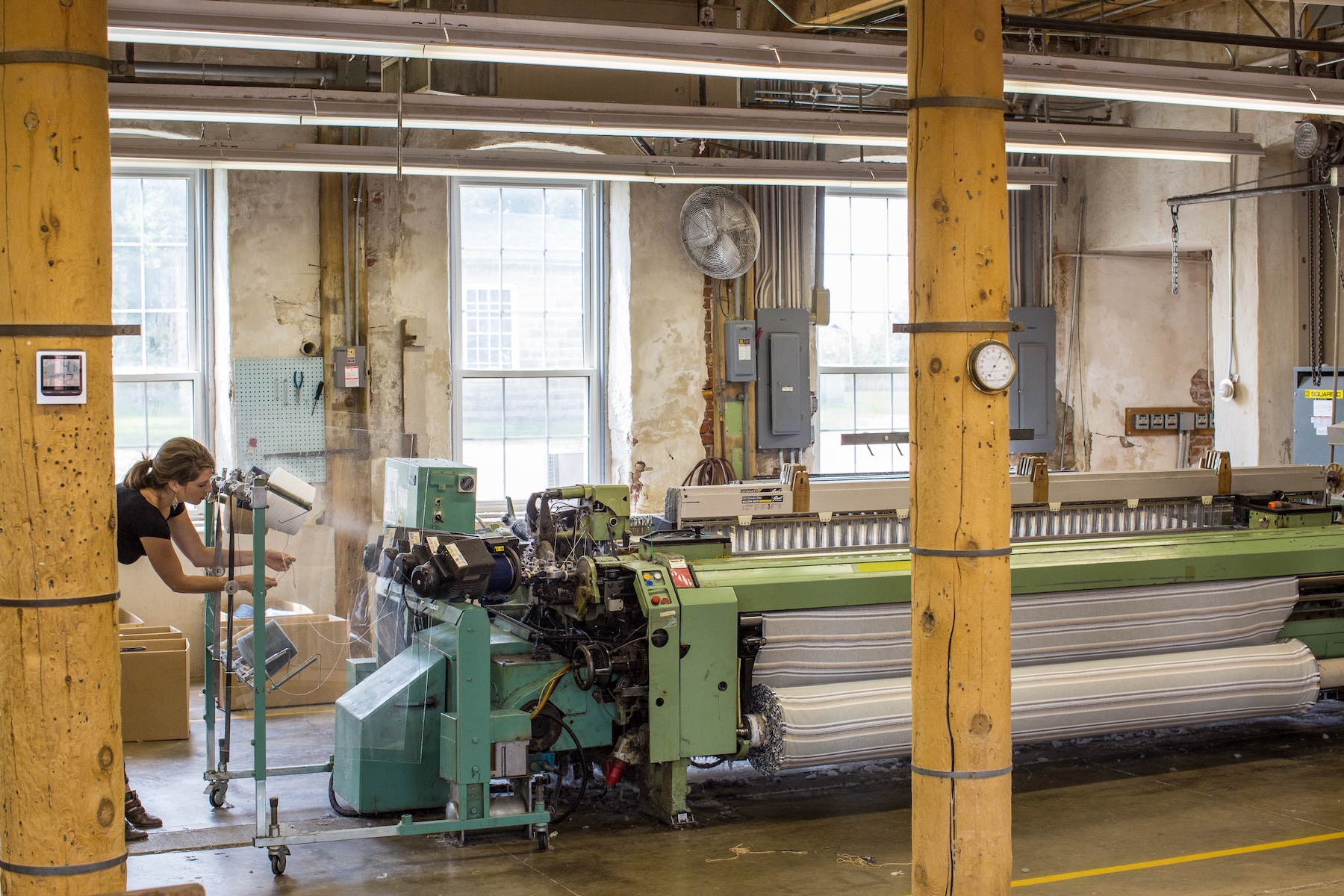
Today, the company, with several hundred stockholders, owns the Amana Woolen Mill, a hotel and other businesses. It also retains around 24,000 acres of land, a picturesque rolling landscape that supports crops, grazing for cattle (about 6,000 head) and forests.
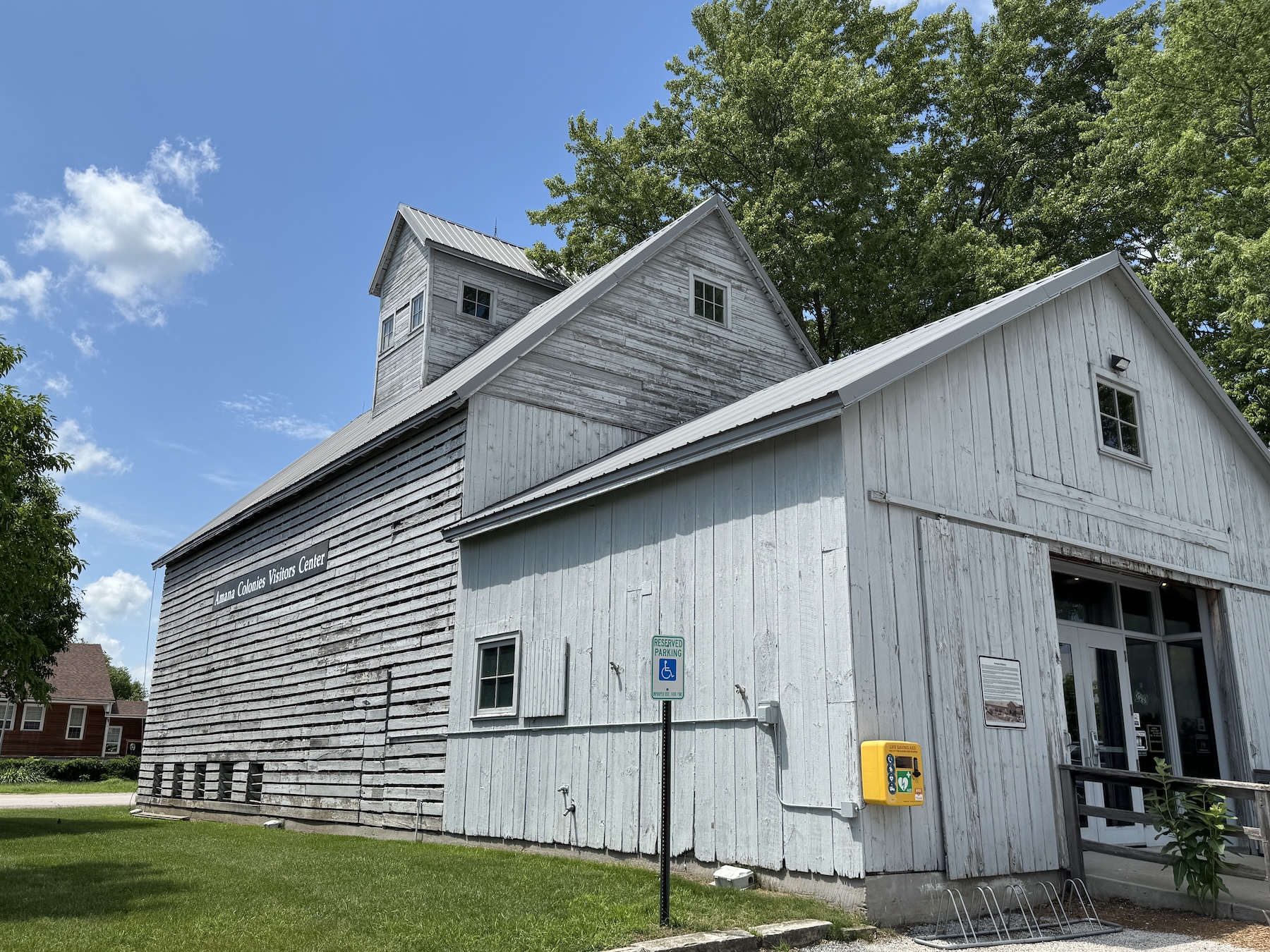
There are no farmsteads. Farmers’ homes and farm buildings were built in the towns. The tourist information office in Main Amana is a repurposed corncrib.
Seeing the museum
Besides the three buildings in Amana, the heritage museum includes a multifamily home, a communal kitchen and a cooper shop in Middle Amana; the High Amana General Store; and in Homestead, a folk art museum and an original church. One ticket is good for everything; docents are posted at each site. The colonies — and museum sites — are accessible along an oval-shaped road, about 17 miles long.
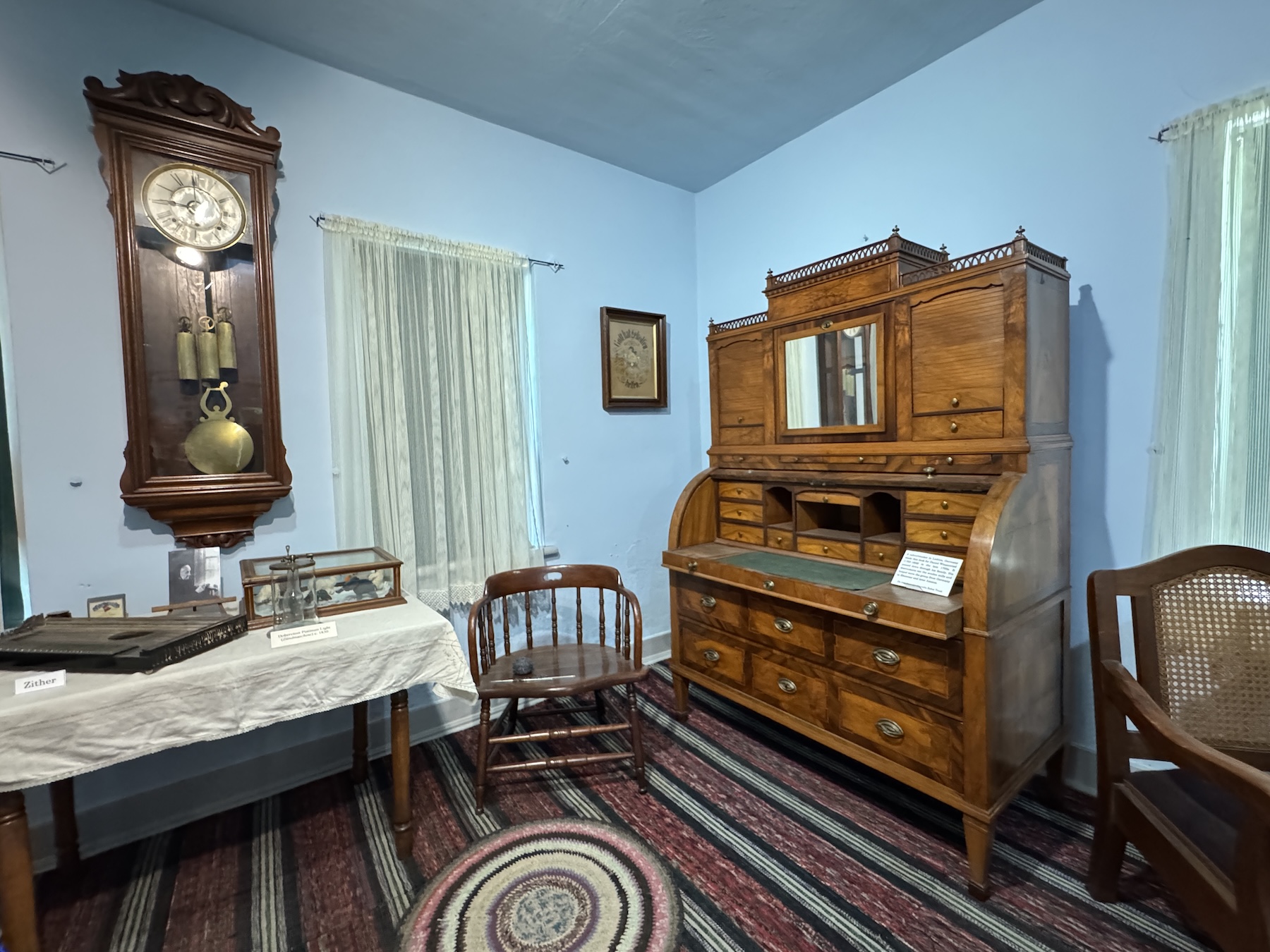
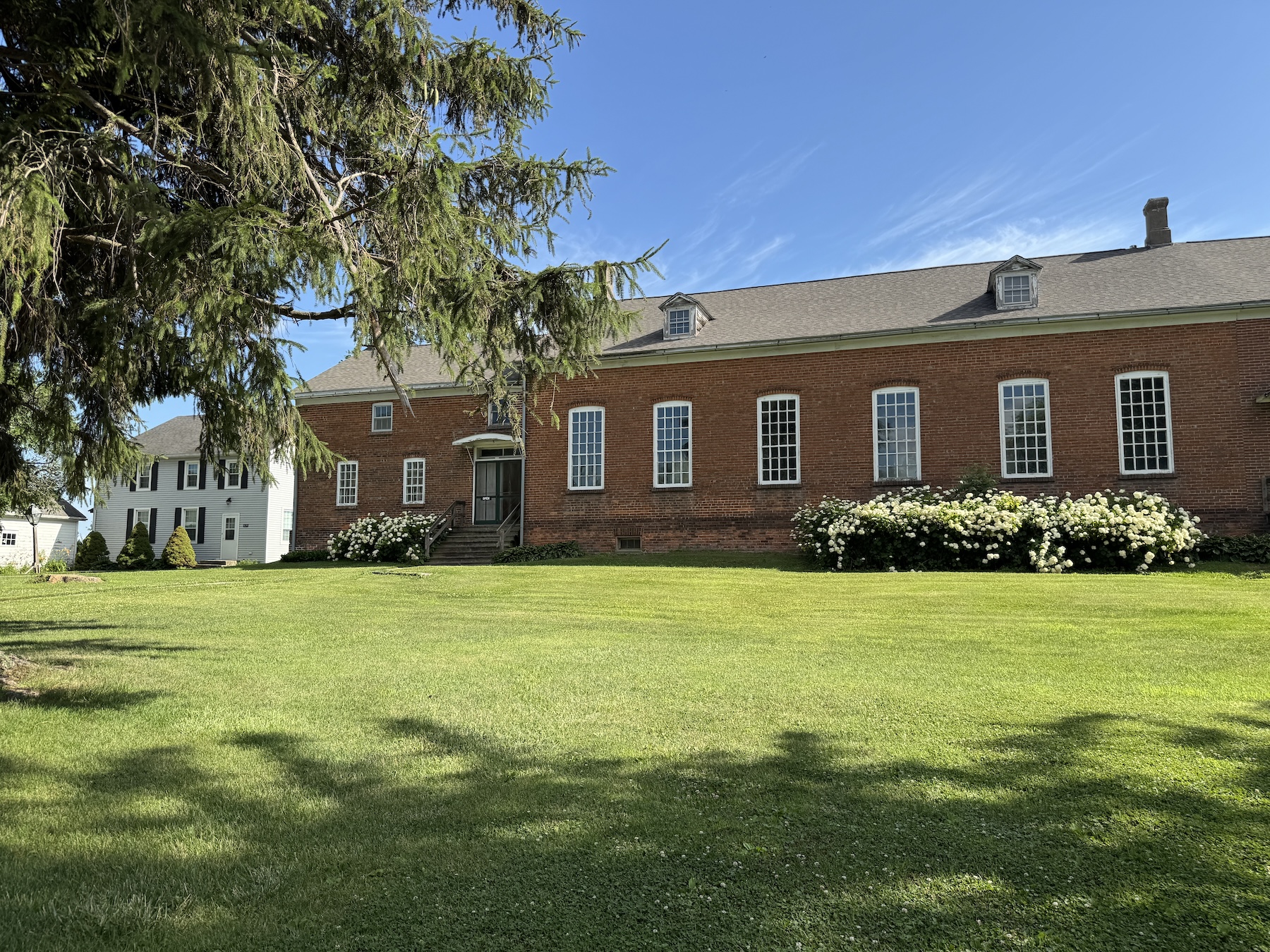
Amana: The centerpiece here, after the introductory film, is the Noe House, a substantial brick building that served as a residence and communal kitchen. Today, historical exhibits illuminate settlers’ lives and the development of the villages.
Displays include a Radarange, the first consumer microwave, brought to market in 1967 by the Amana Corporation, a firm founded in Middle Amana. (Amana refrigerators are still made there, but Whirlpool owns the business.)
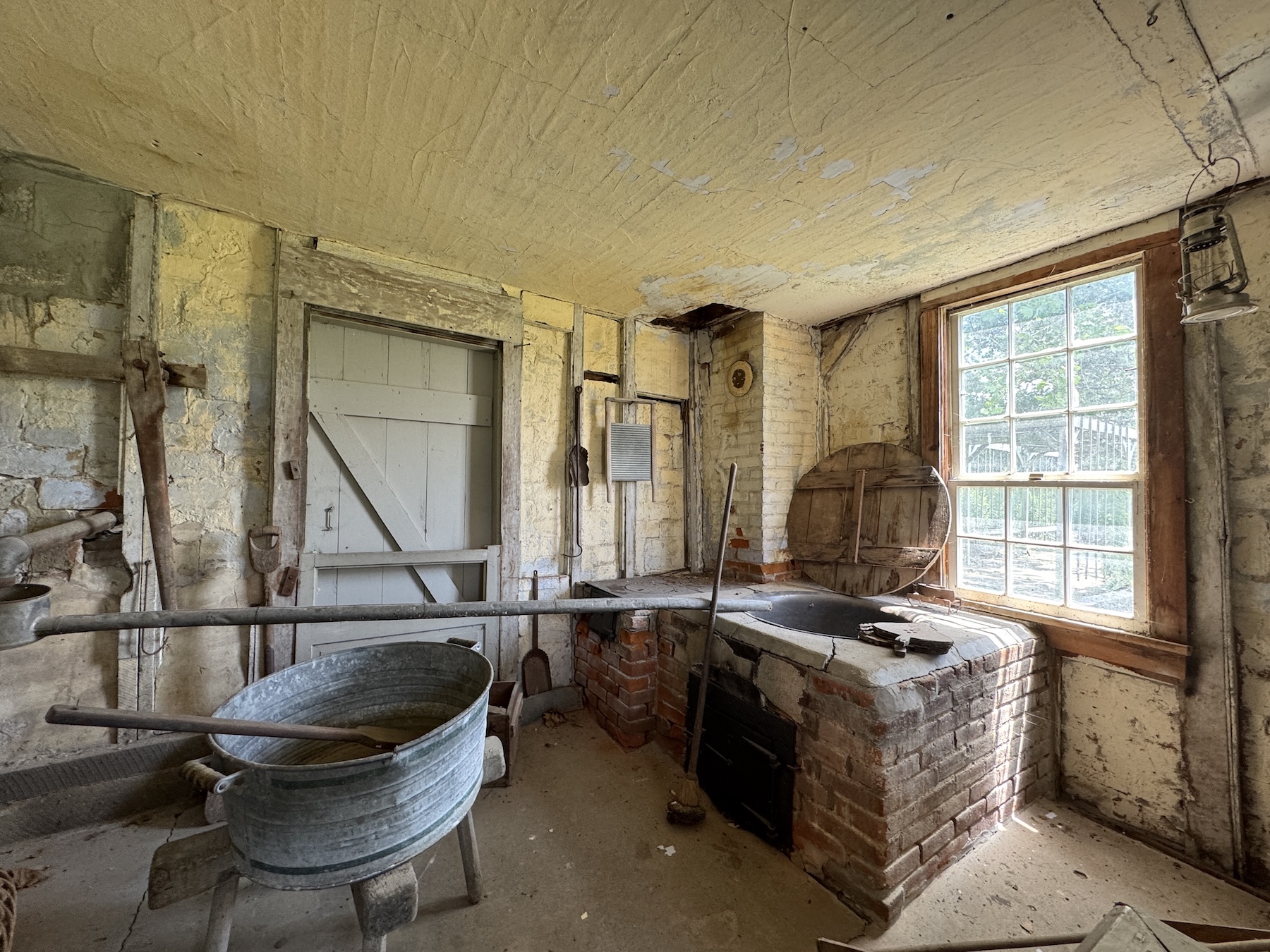
The adjacent washhouse/woodshed gives a good idea what it was like to do a laundry on site — labor intensive and, in summer, very hot.
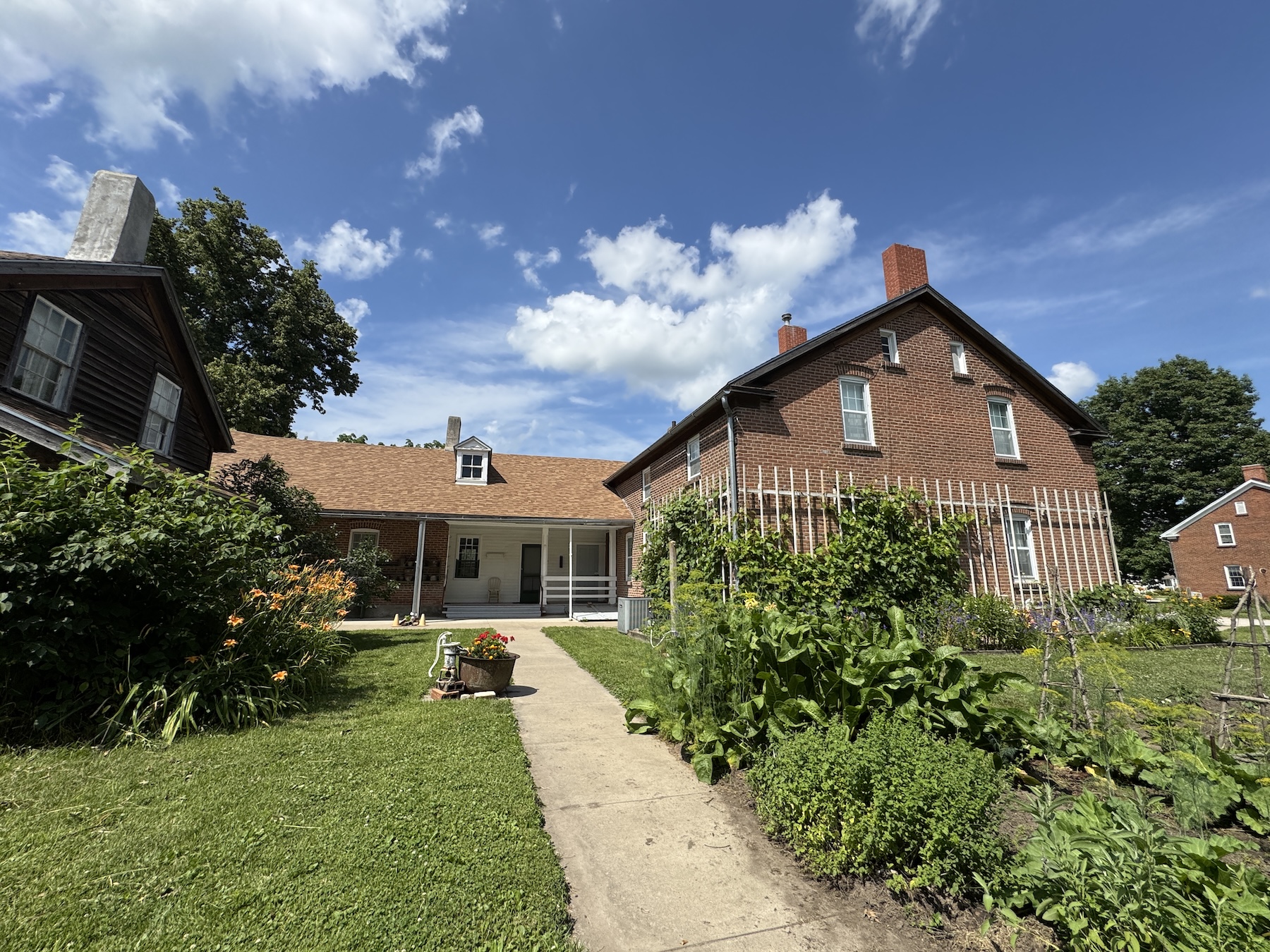
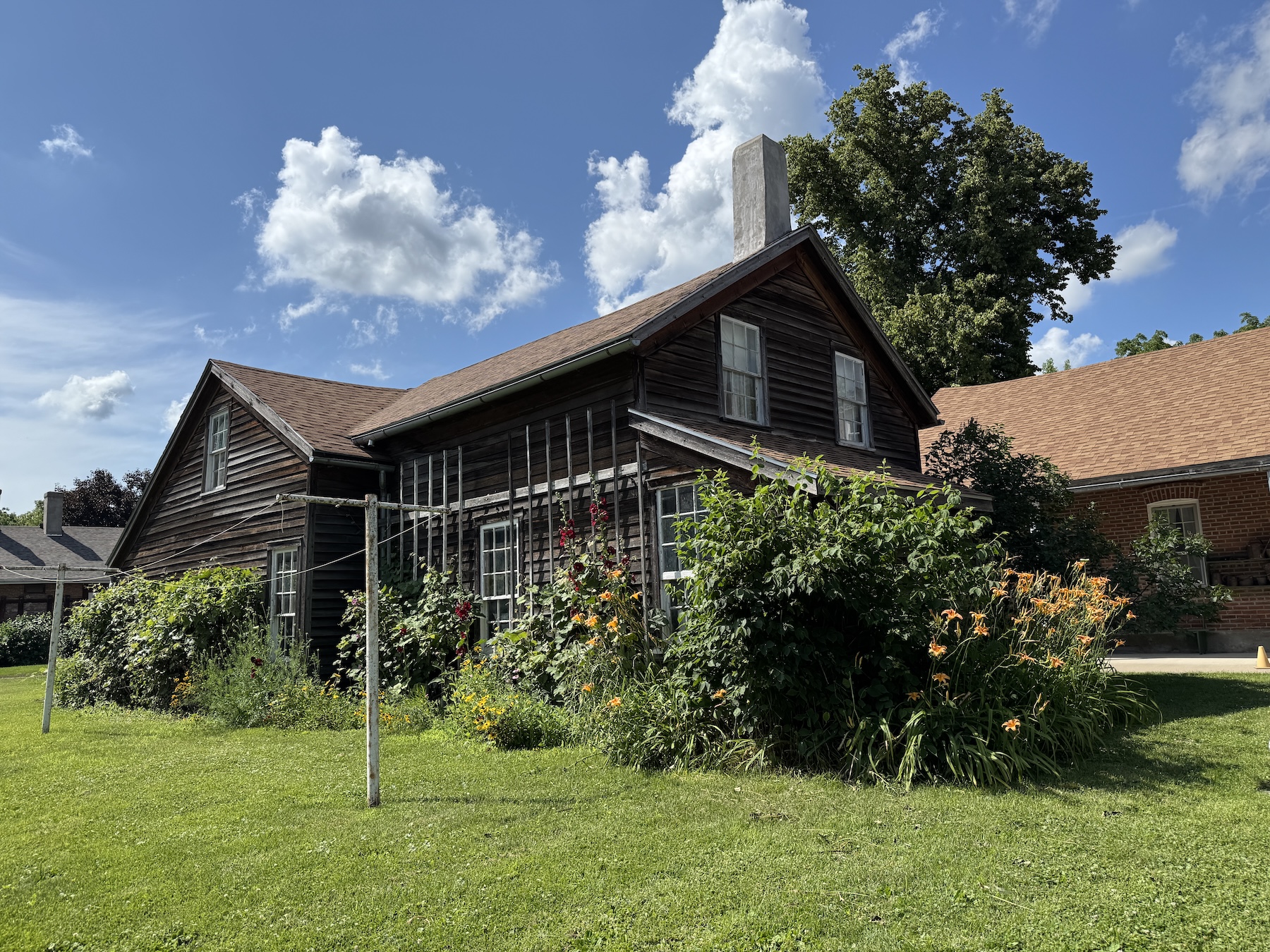
Middle Amana: The museum’s 1863 house here served families in units of two rooms each, two families upstairs and two on the main floor. Today, the upstairs furnishings, with large wardrobes for closets, reflect life for the earliest settlers; the main floor rooms reflect life after 1932.
The colonies’ only surviving intact communal kitchen (there were once 55) is attached to the house. The kitchen, as with the washhouse above, conveys a good idea of what it was like to cook here — labor intensive and, in summer, very hot.
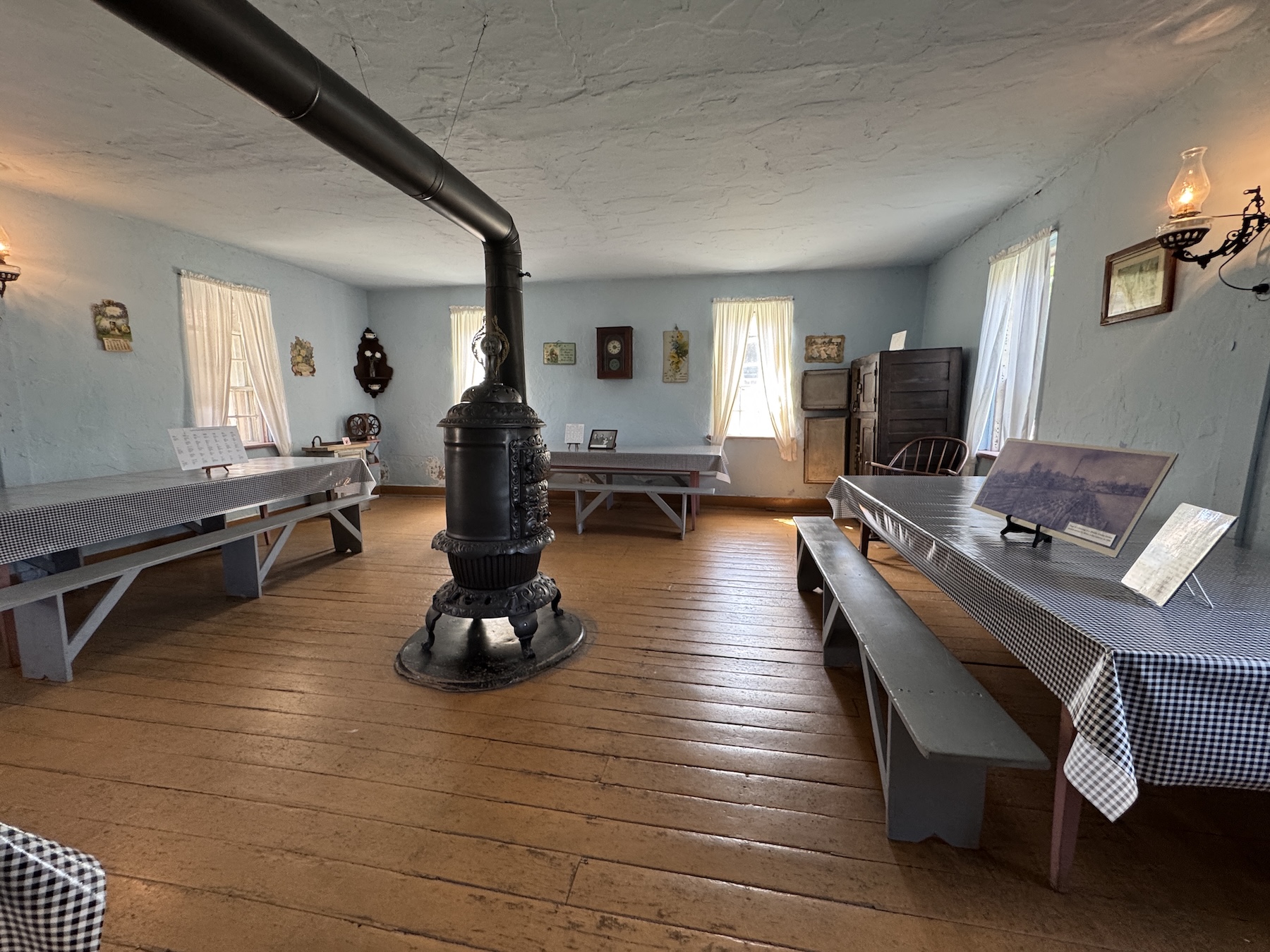
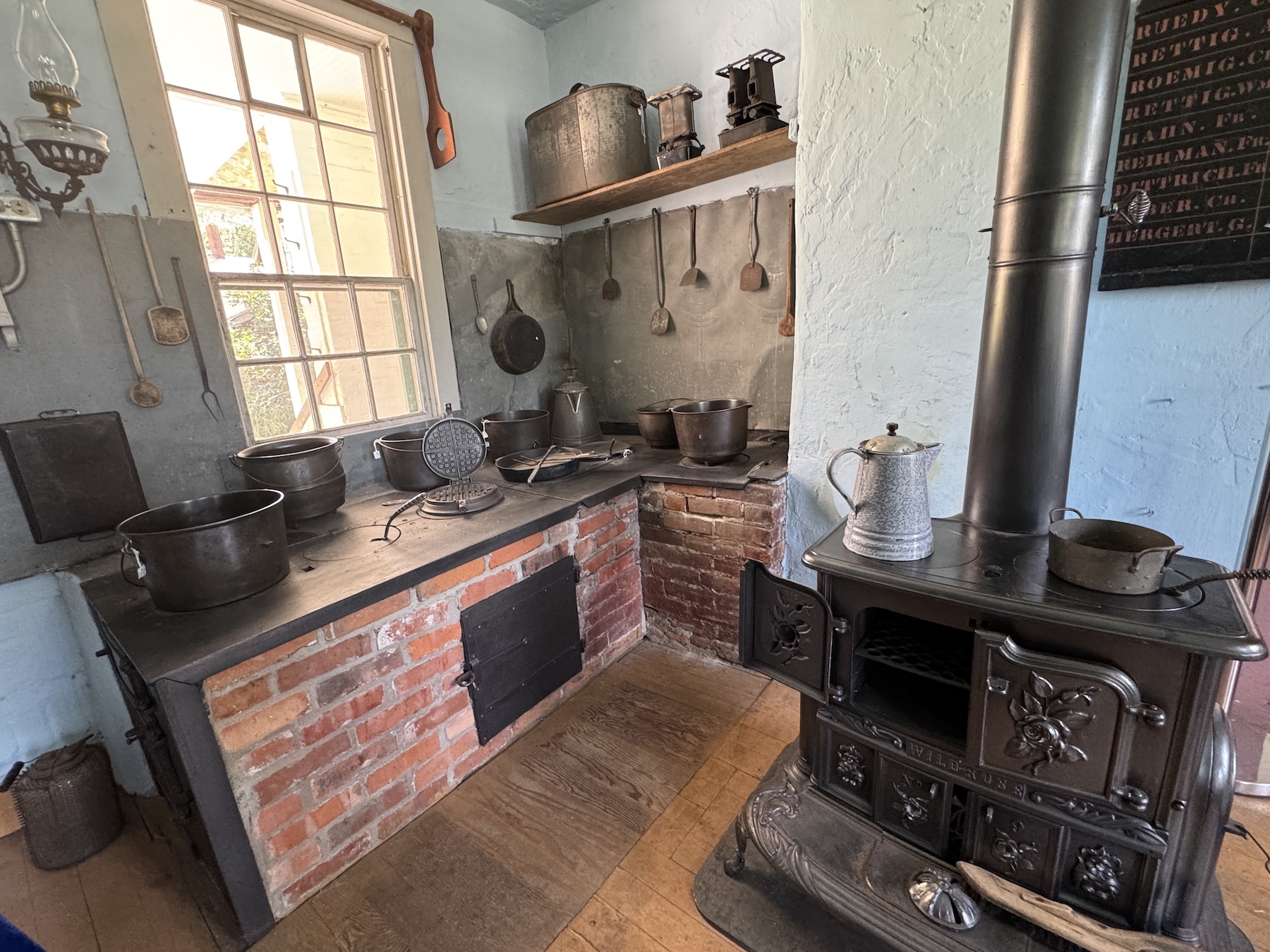
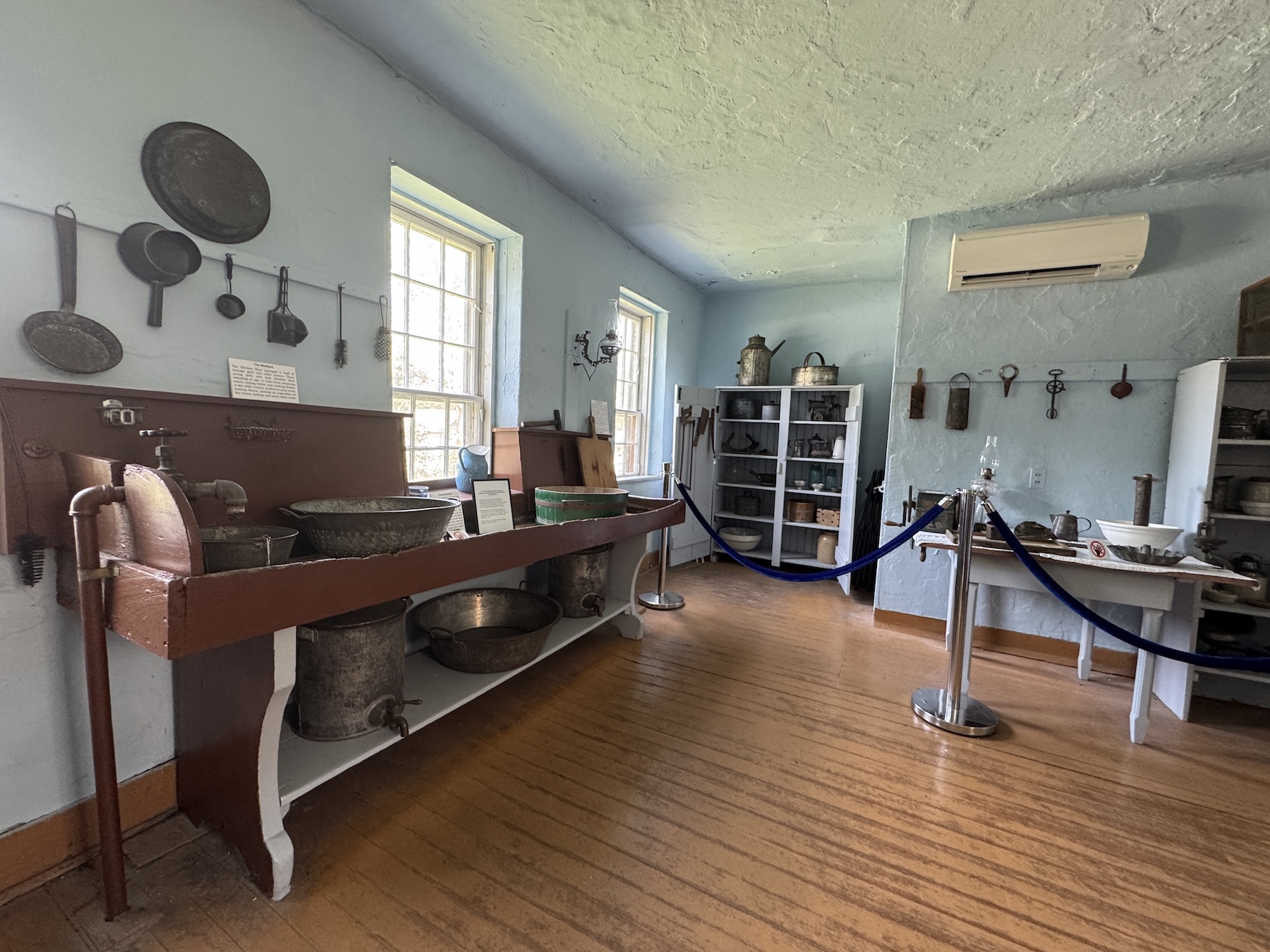
Furthermore, Monday through Saturday, the kitchen crew prepared five meals a day, breakfast, lunch, dinner, lunch and supper. On Sunday, the day of rest, the crew prepared only three meals.
The adjacent dining area is an austere space with three tables that resemble oversized picnic tables. Visitors can see sample menus for the 33 meals Amana women would have prepared in a week.
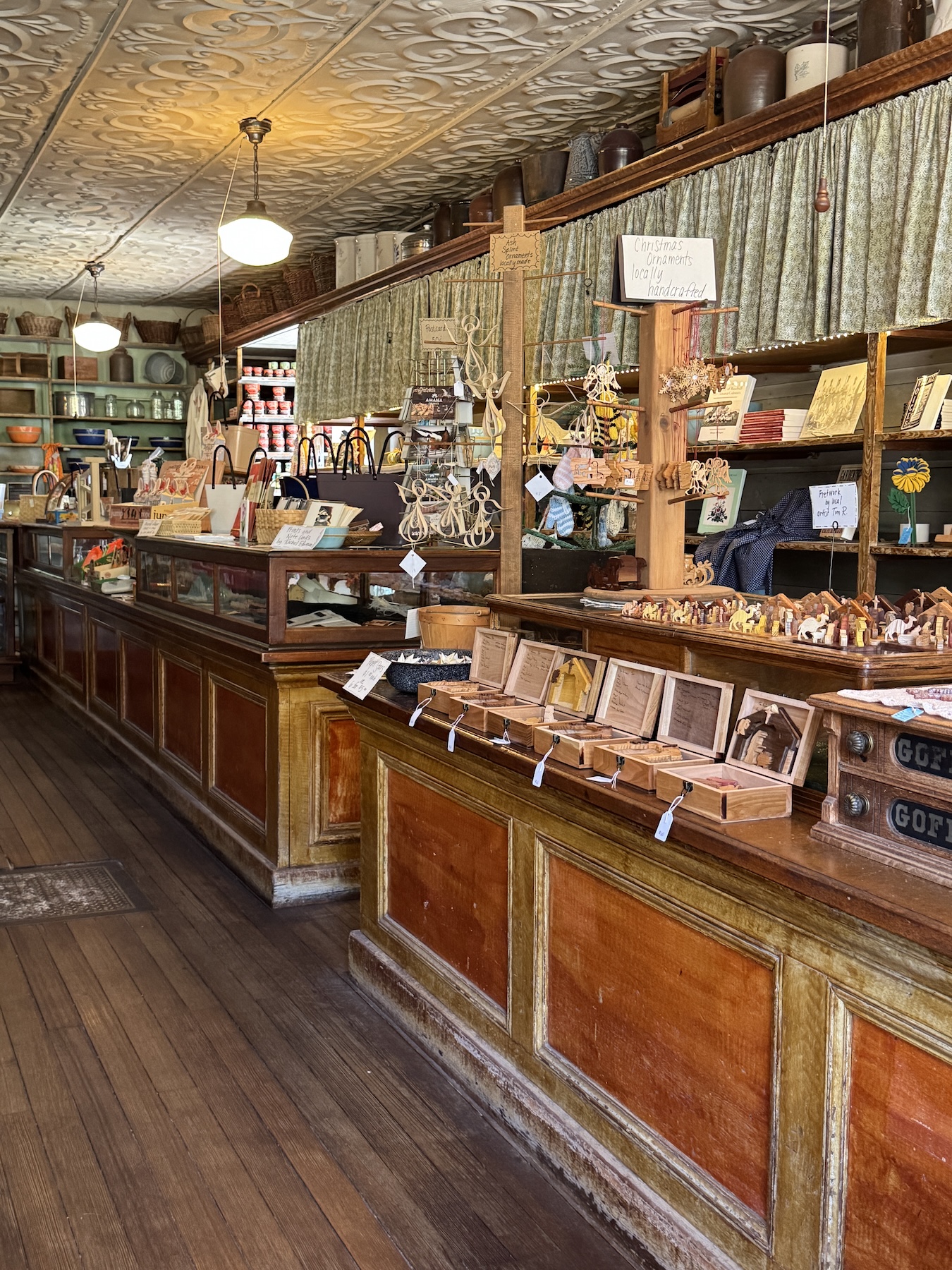
High Amana: The 1858 general store here, with its signature tin ceiling plus long wooden counters and display cases lining its walls, is both a museum building and active business. It sells traditional goods, as well as souvenirs.
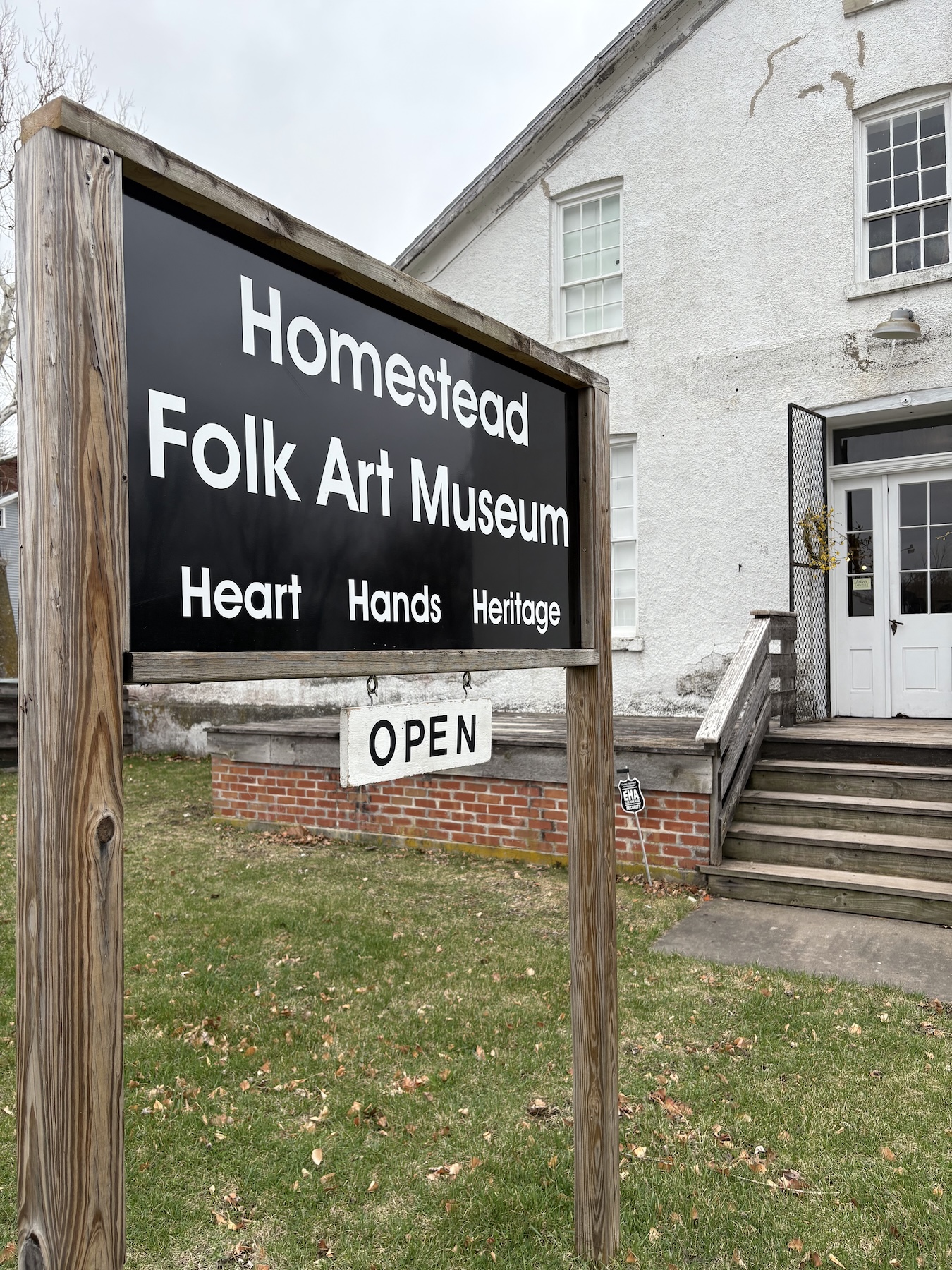
Homestead: The Folk Art Museum, in a former general store, debuted in April 2025. It displays devotional goods unique to the Pietists, along with quilts, pottery, calico prints and handcrafted wood pieces. The collection also includes works by the influential 19th century lithographer, Joseph Prestele, a member of the community.
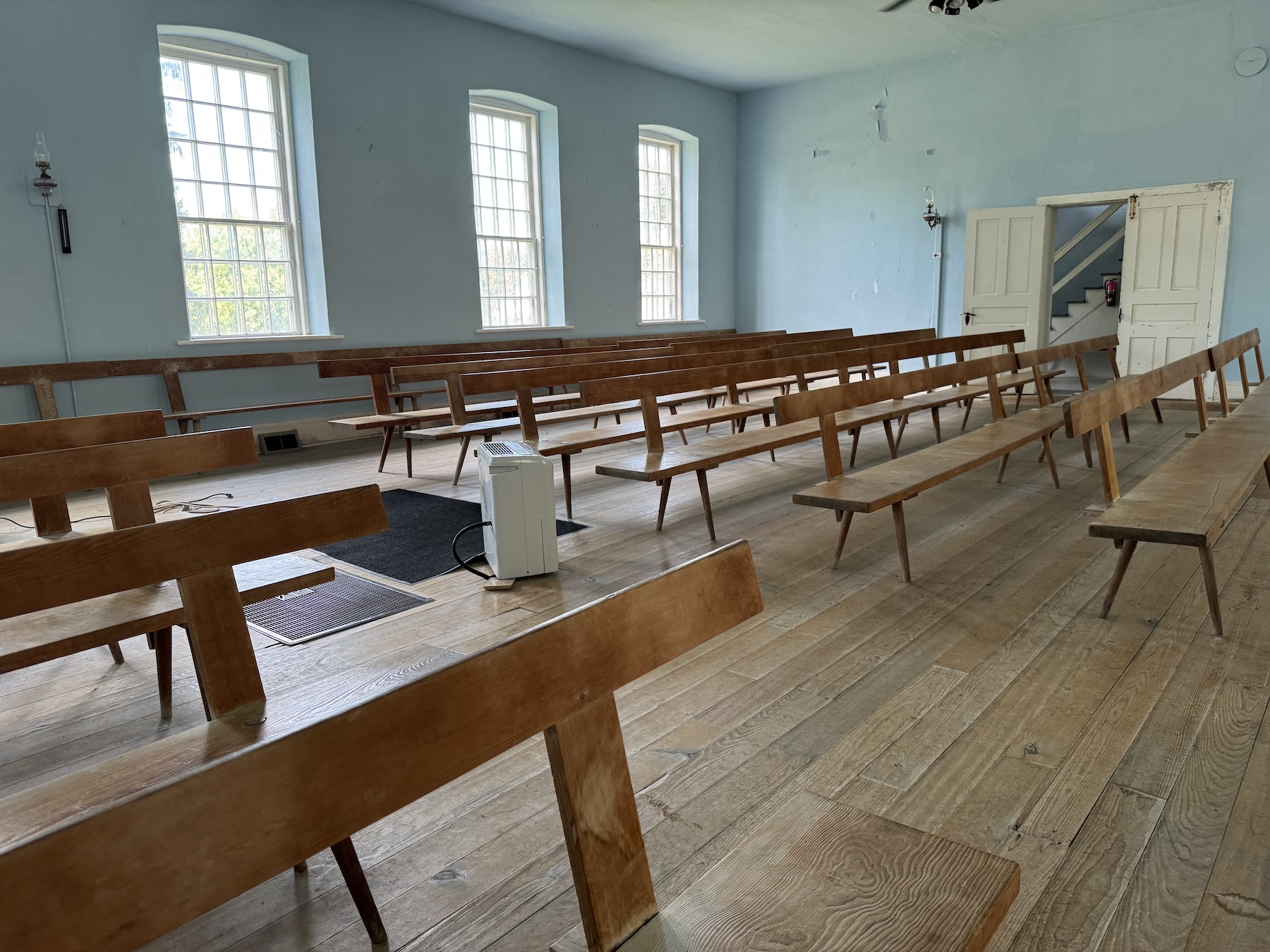
Finally, there is the evocative 1865 Homestead Church, a red brick building with a large meeting hall at its center, a starkly plain place with pine benches arranged parallel to the building’s length not width. Men and women had separate entrances and sat on opposite sides of the aisle. That’s still true in the two Radical Pietist churches that remain active, and German is still used for parts of some services.
Museum hours vary by location and by season, with the longest hours in summer and no hours in January and February. See schedules here: https://amanaheritage.org/plan-a-visit/hours-and-admission/
Side dish
In the Amanas, tourism is “very very important, a 10 out of 10,” says Jon Childers, director, Amana Heritage Society. An estimated 500,000 to 750,000 people visit annually; they come for shopping, food, festivals and sightseeing.
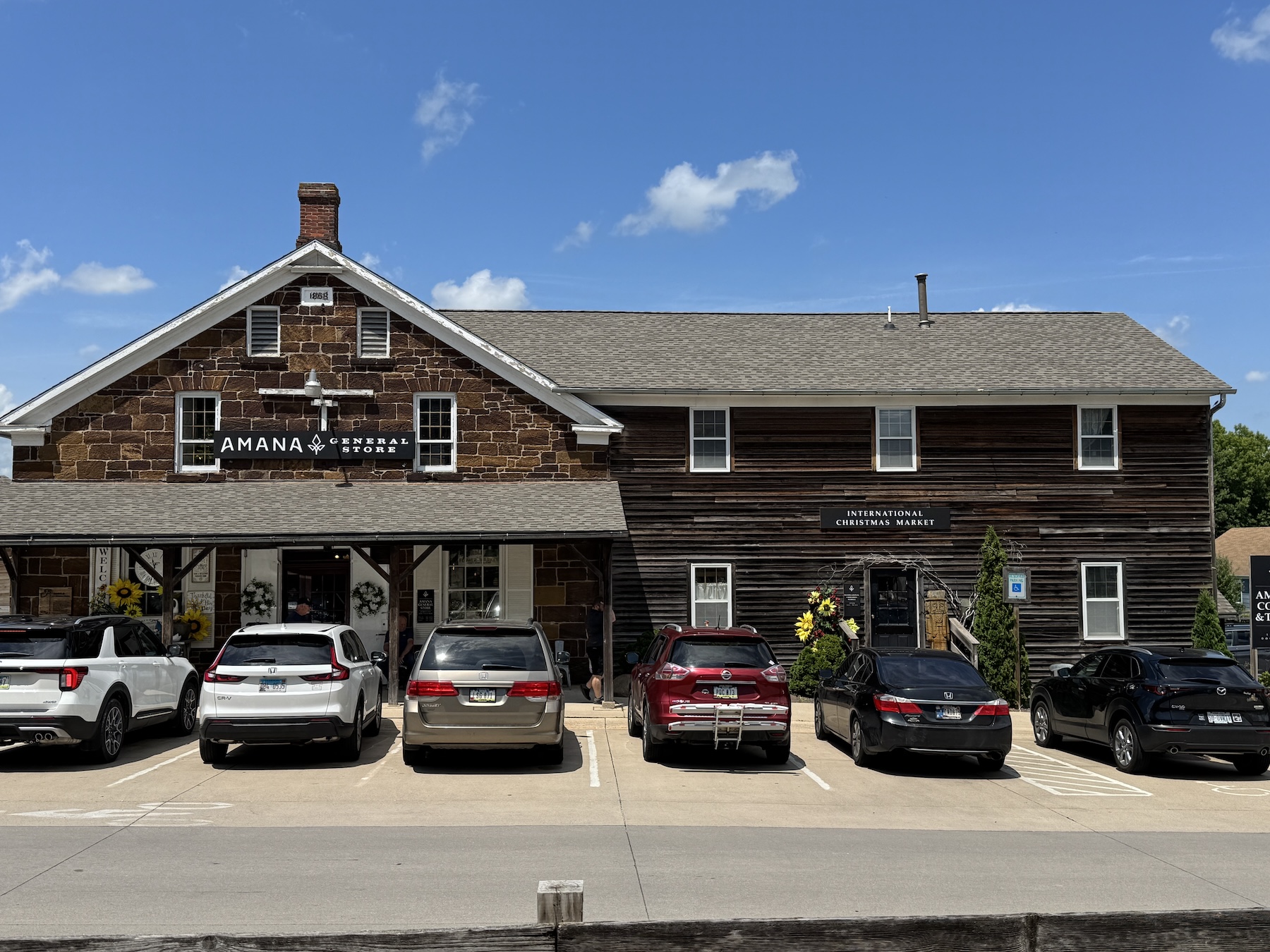
Shopping revolves, in part, around Amana Society establishments — the Amana Meat Shop and Smokehouse, Amana Furniture Shop, Amana General Store and the retail arm of the Amana Woolen Mill. All are in Main Amana. The visitors center also promotes independently owned Schanz Furniture & Refinishing in South Amana.
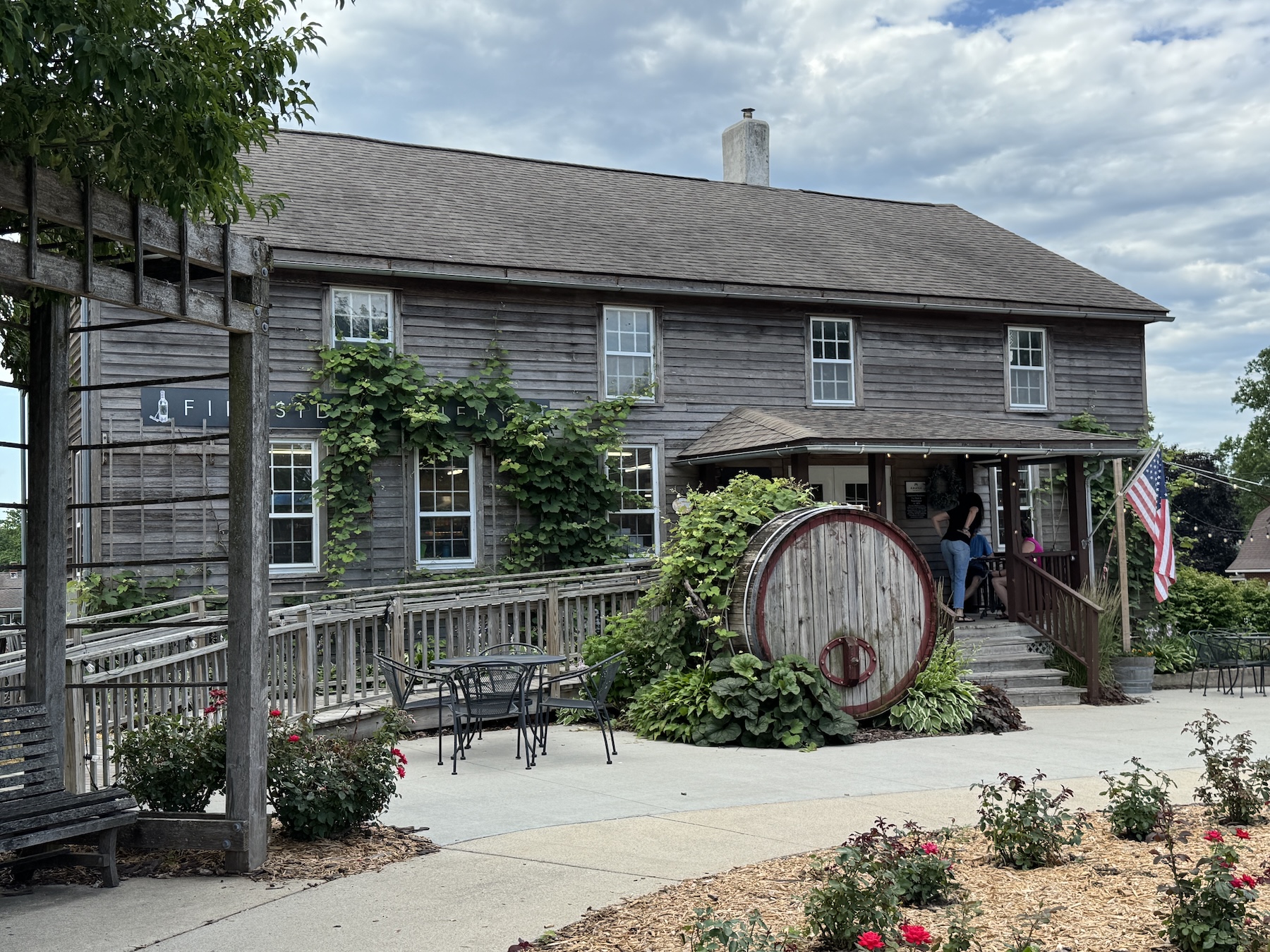
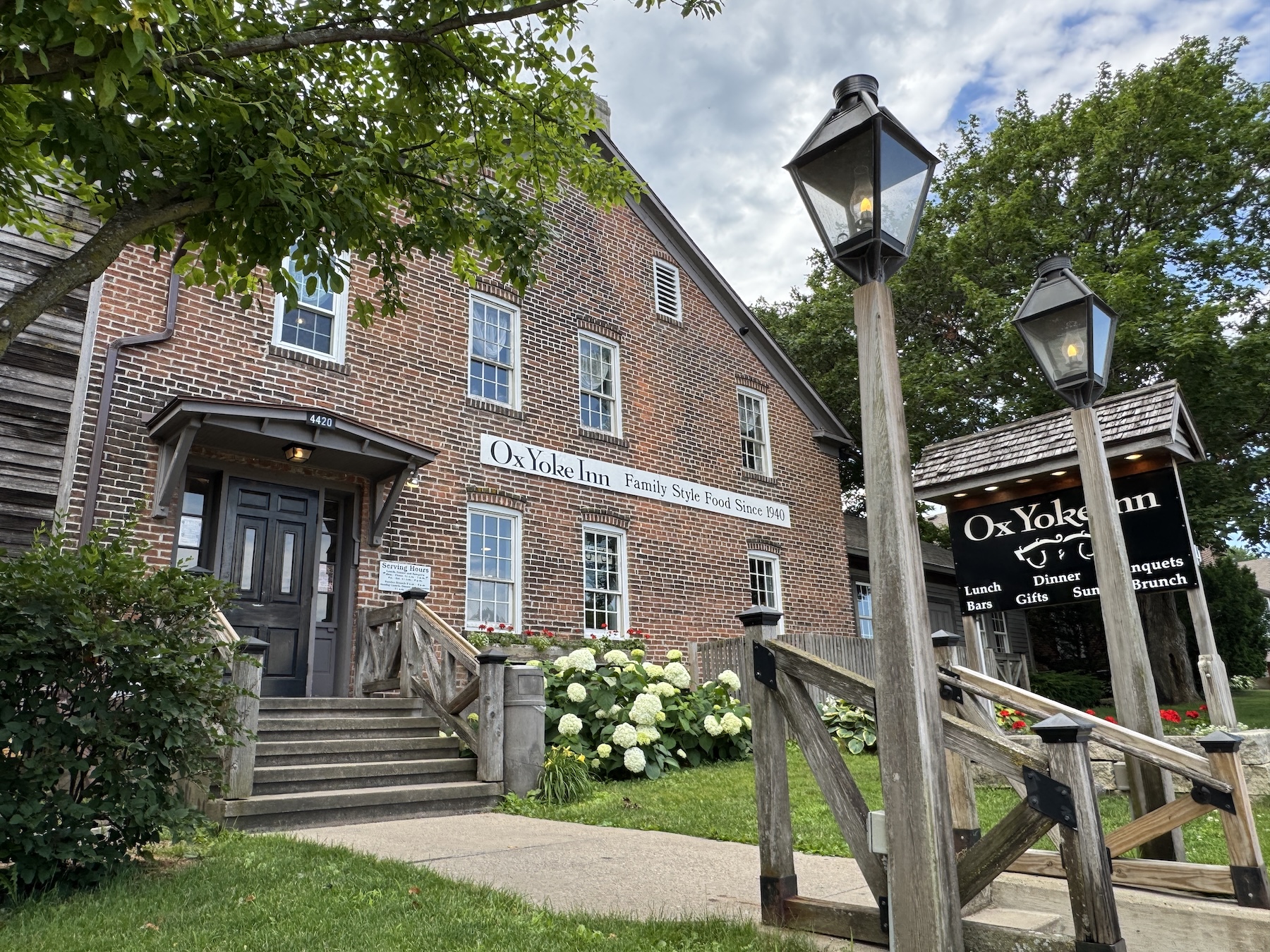
The Amanas are noted for German-inspired dining. Fittingly, the Ox Yoke Inn in Amana is in a former communal kitchen. From June to October, the museum’s communal kitchen hosts traditional dinners (go to https://amanaheritage.org/calendar-and-programs/ or email heritageprograms@southslope.net). The four wineries, all in Main Amana, offer walk-in and/or prearranged wine-tastings.
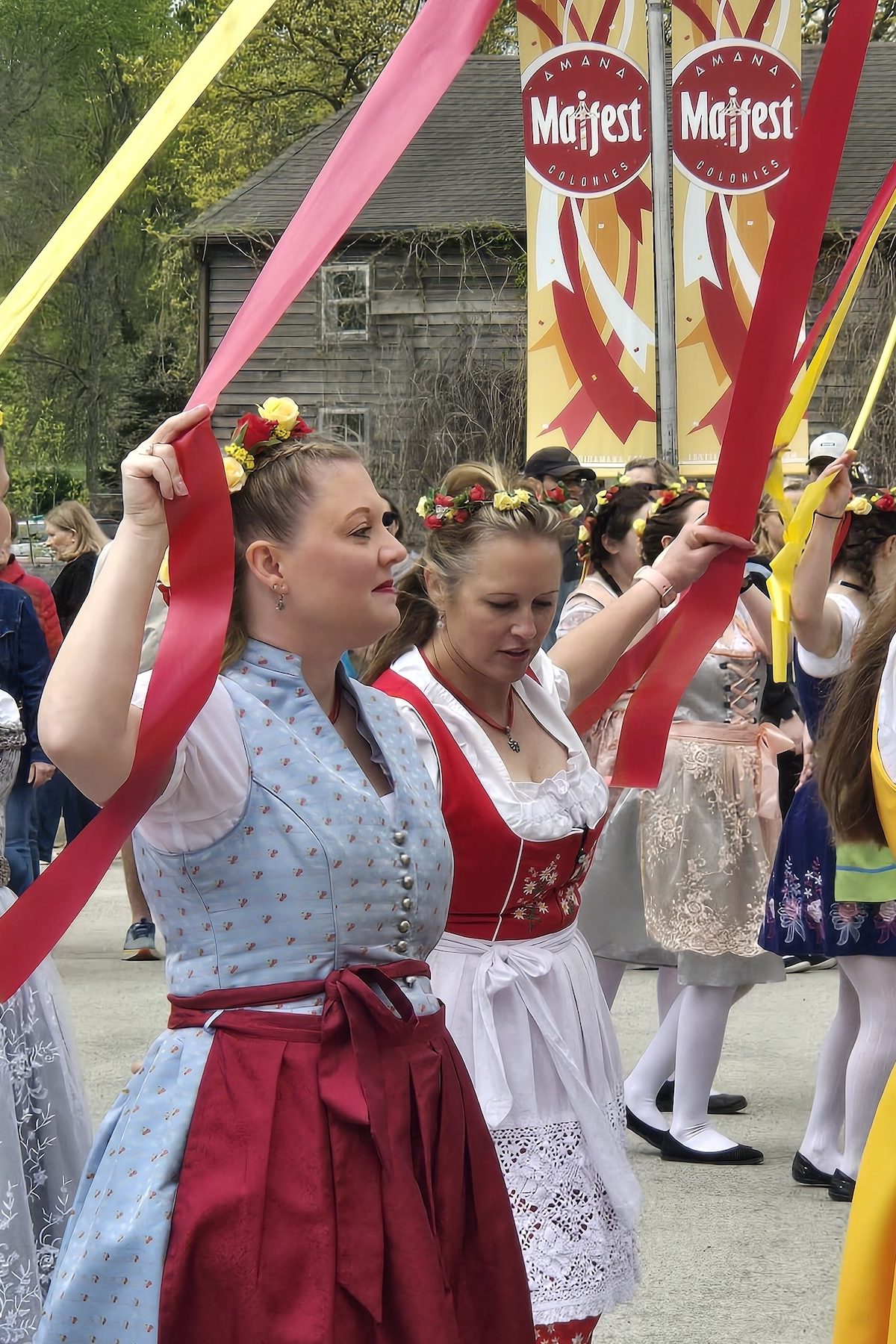
Forty-nine festivals and other events with tourist appeal are enumerated in the colonies’ visitors guide (https://amanacolonies.com/visitors-guide/). The three-day Oktoberfest is the largest.
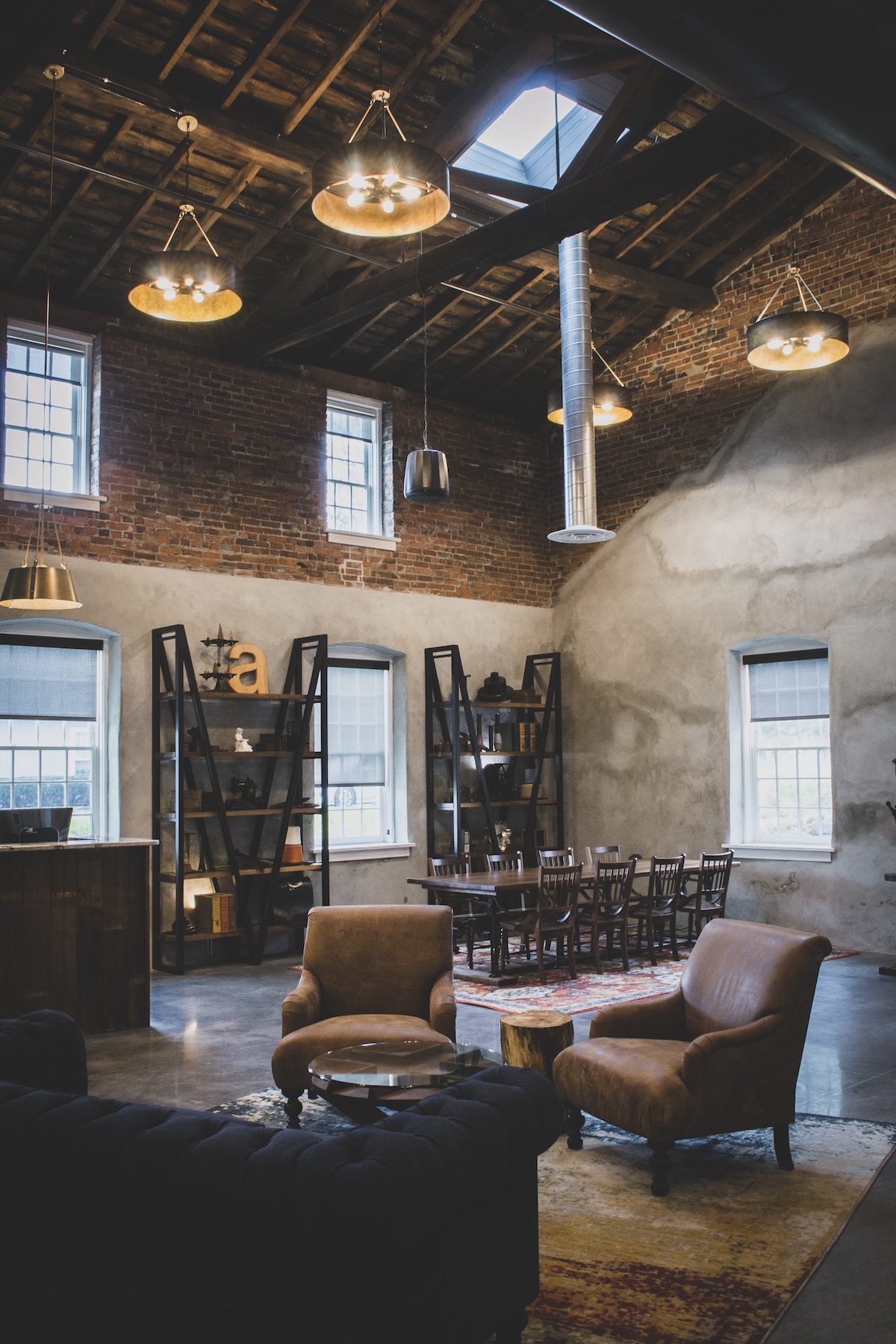
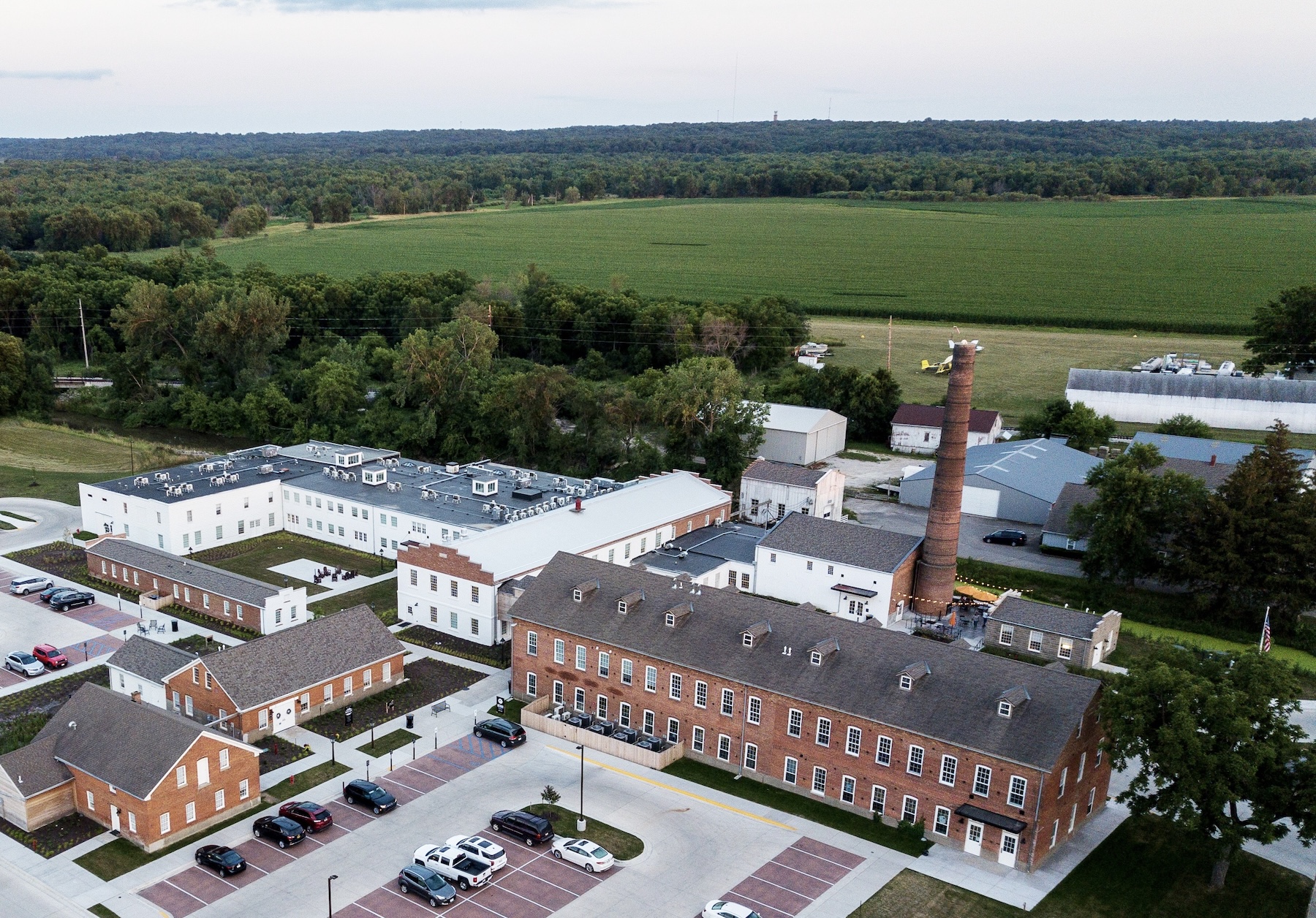
Finally, because the colonies’ woolen mill needs less space than historically, the Amana Society’s repurposed abandoned mill buildings were used to create the 65-room Hotel Millwright; it opened in 2020. Design features highlight the property’s roots. Its location puts guests within walking distance of anything in Main Amana.
Nadine Godwin is a New York-based freelance travel writer. She is the former editor in chief and current contributor to the trade paper, Travel Weekly; editorial director of BestTripChoices.com, and author of “Travia: The Ultimate Book of Travel Trivia.”