
The Dia Art Foundation is not your typical non-profit cultural institution, so not surprisingly their outposts (and yes, plural – with multiple locations scattered throughout the country) are housed in very unusual structures as unique as the art they showcase. From the Bridgehampton’s Dan Flavin dedicated house to the sprawling Dia Center for the Arts in Chelsea and all their site-specific monumental art sites, it can be said that Dia is as much about a sense of place and the experience of space as it is about art.
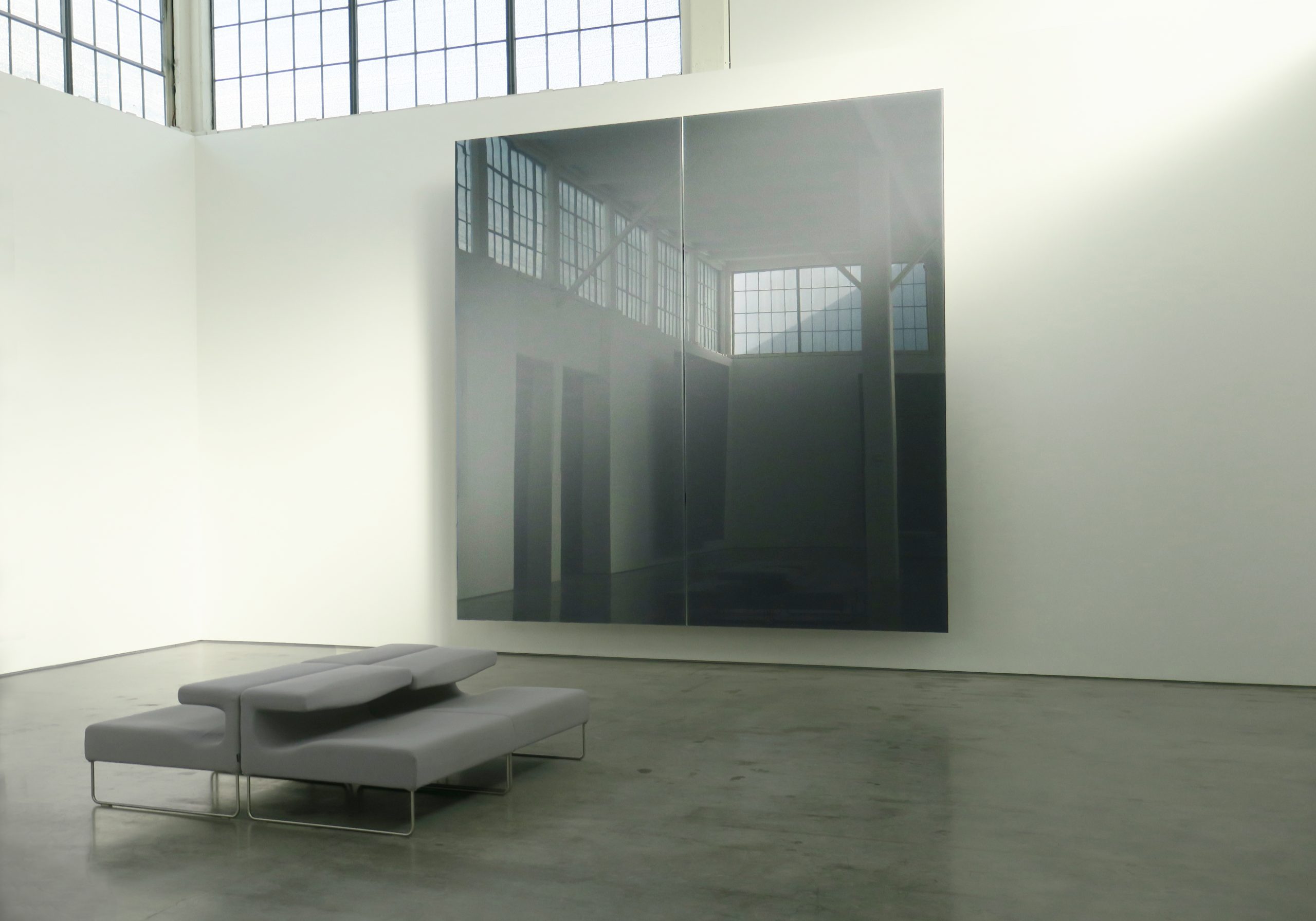
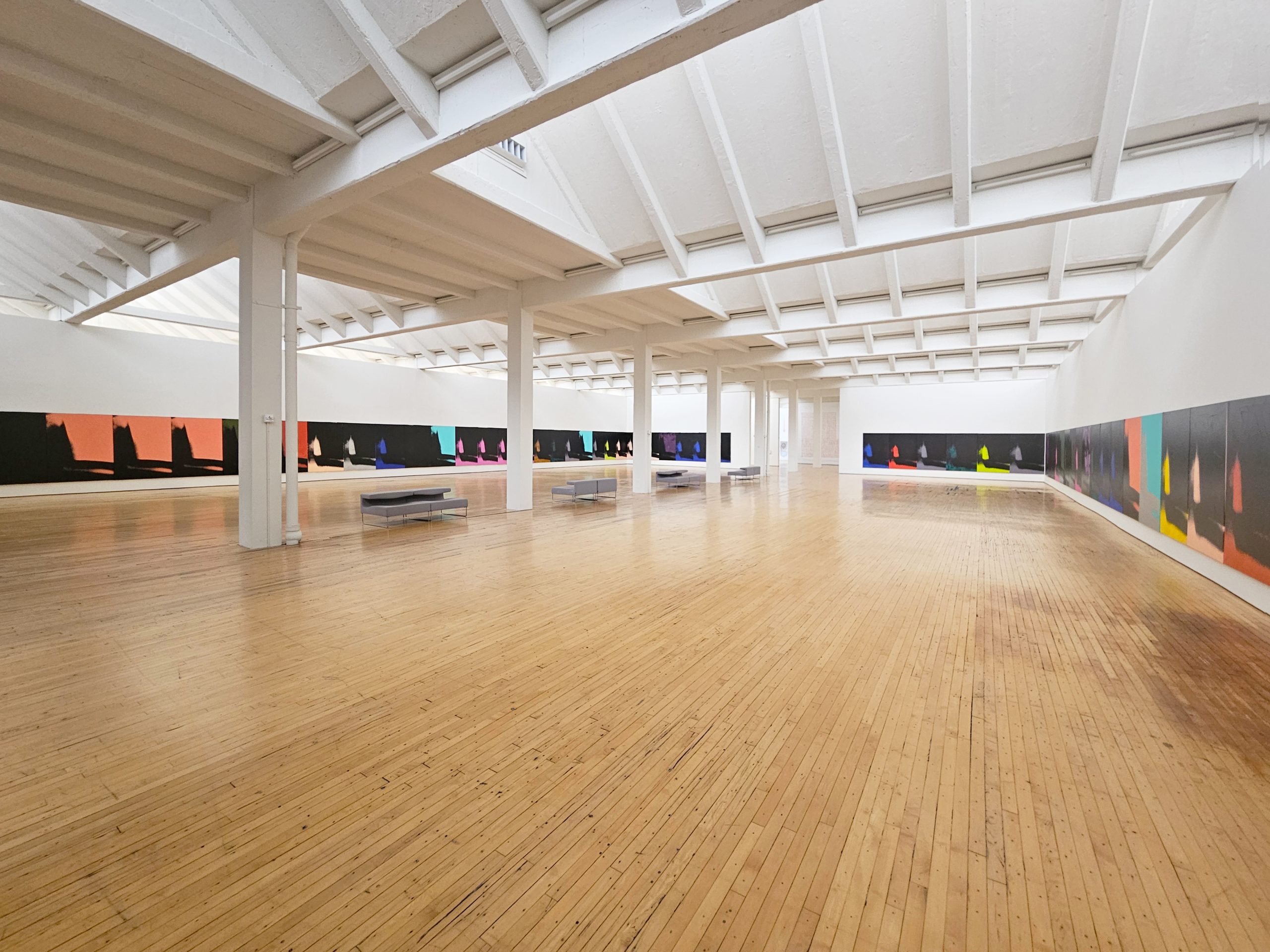
The foundation was founded, in 1974, with the goal of supporting “artists achieve visionary projects that might not otherwise be realized because of scale or scope”, key word here being “scale”, Dia being known for their collection of oversized, large-scale minimalist, conceptual and post minimalist artworks and installations. The foundation’s approach to showing art is geared towards creating “in-depth engagement with each artist we work with, offering unwavering support of artists’ visions, maintaining long-term displays of artists’ work at our sites and beyond”. That approach often translates to showcasing creations that require expansive gallery space. Case in point, Andy Warhol is represented not with one of his iconic Campbell Soup pieces, but with a special Dia commission of his “Shadows” installation consisting of 78 large abstract canvases derived from photographs of shadows.
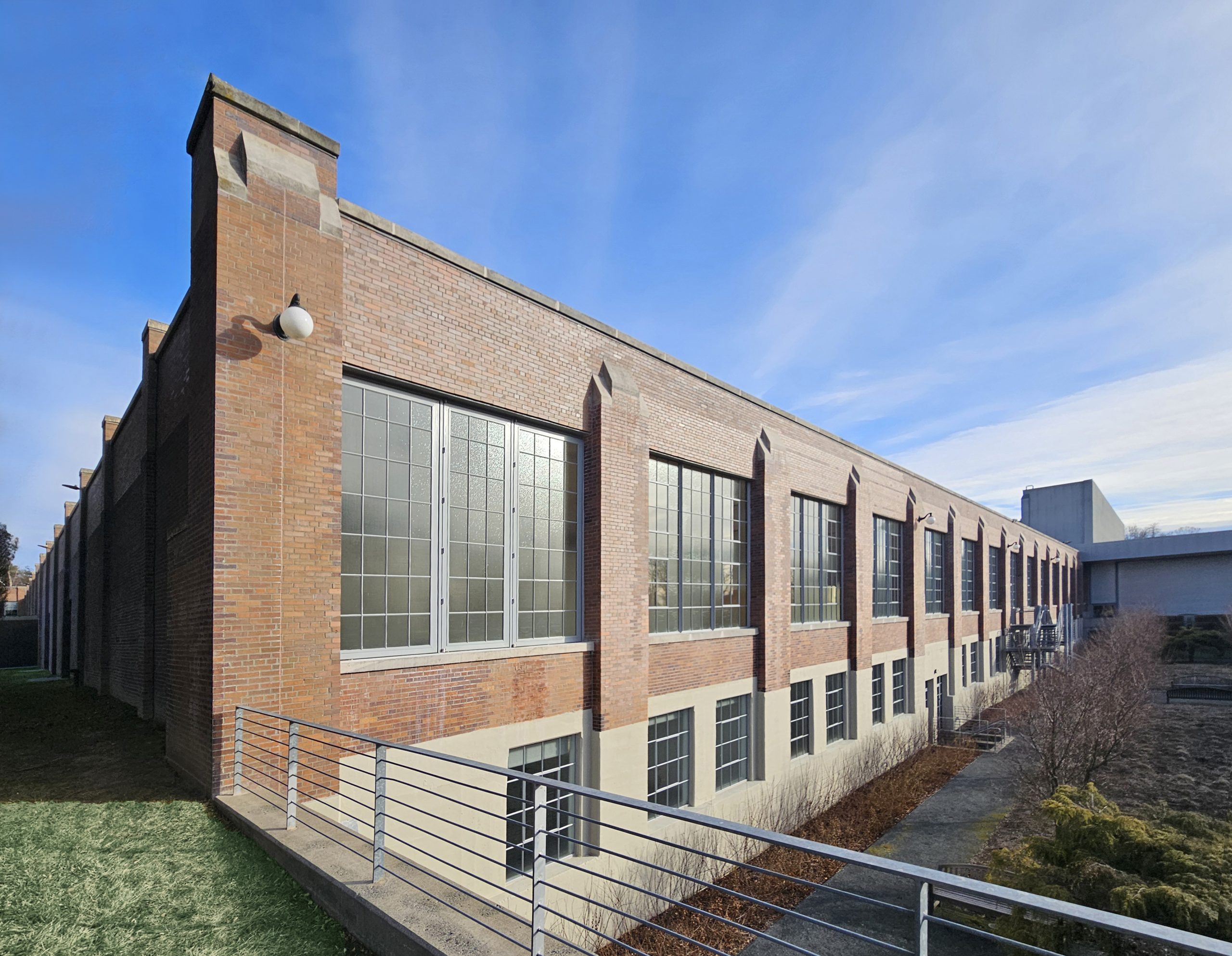
Thus, when it came time to find a home to display the collection, space was a top priority. The answer to that quest came in the form of a deactivated Nabisco packaging plant in Beacon, New York. A 90-minute train ride from Grand Central, the town of Beacon, like many along the Hudson River, had been going through a declining period so it quickly welcomed the opportunity to bring new life to the area. With support then from both state and local governments, the foundation worked out a deal with the former plant owners and took over the space.
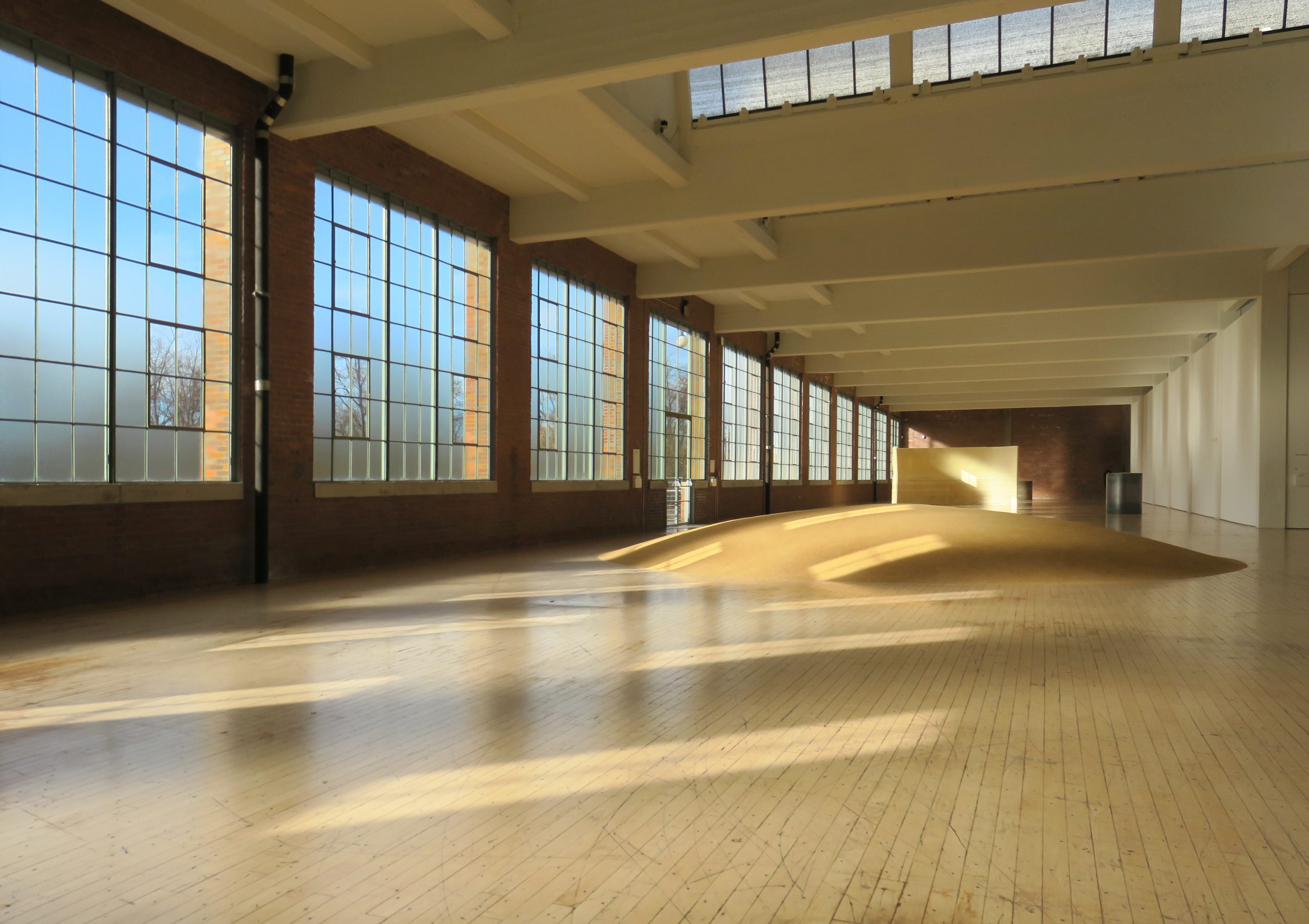
It was a match made in architectural heaven: the sprawling, column free, high ceiling space made for the perfect galleries to display Dia’s massive sculptures and installation. And in addition to the vast floor and open plan, the 1920’ structure features rows of large glass windows and skylights throughout the whole building, bathing the interiors in natural light and a special luminous atmosphere that creates a rich dialogue with the art shown.
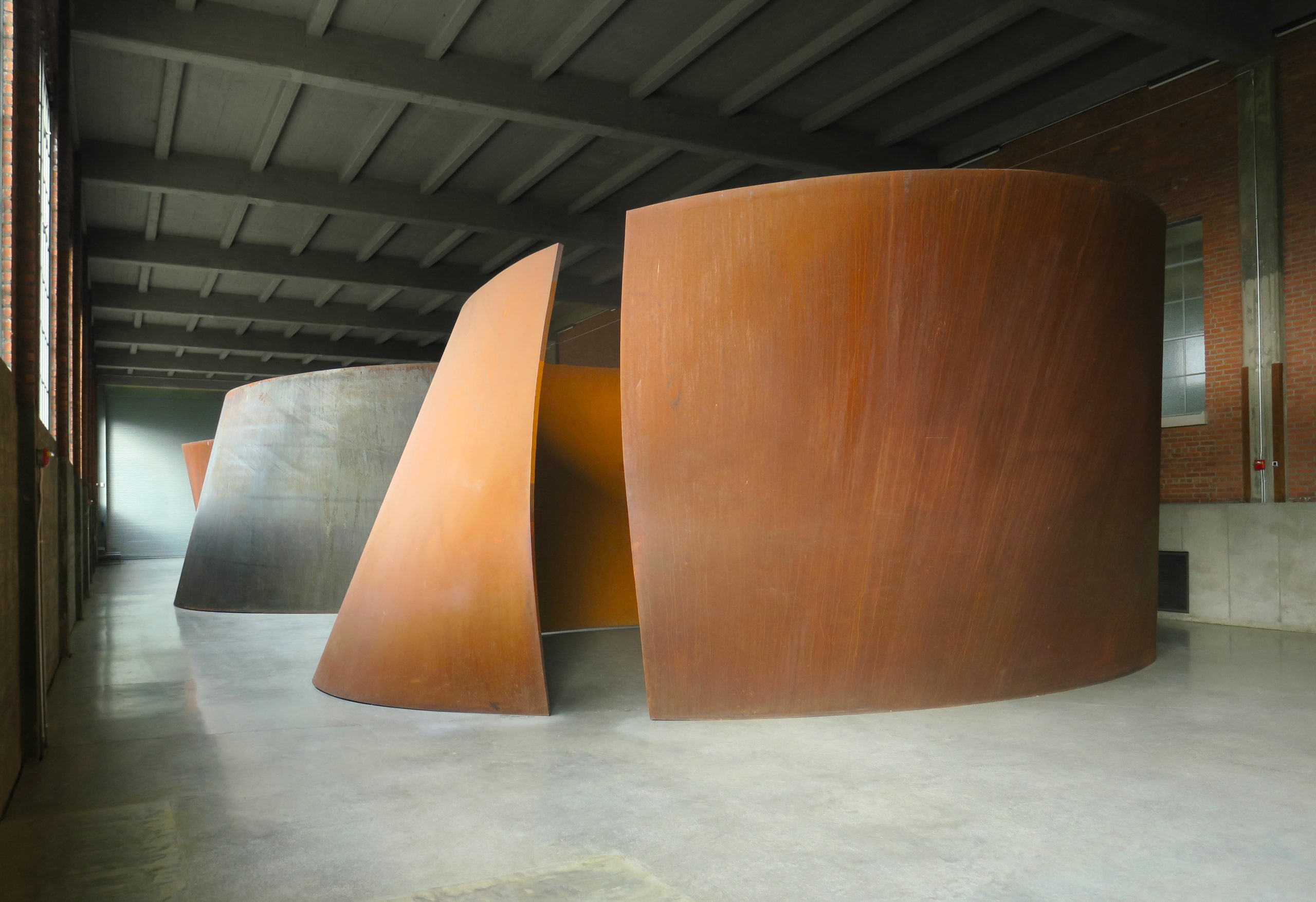
“Since its inception, the foundation’s mission has been to partner with artists to realize their vision, which methodologically has meant to offer a select group of artists a generous amount of time and resources to develop their practice into extraordinary works”, says Dia Beacon curator Matilde Guidelli-Guidi of the foundation’s purpose. “That same principle guides our curatorial program at Dia Beacon. Each vast gallery is devoted to long-term exhibits of a single artist; we either display a single extraordinary work or a representative selection of their oeuvre”. Former Dia director Michael Govan once described it as ”a campus of single-artist environments”. That unusual set up, committed to the quality of the art experience versus the fast exhibit turnaround concept is a welcome contrast to the pace of most cultural institutions. Having worked in many high profile institutions before, Guidelli-Guidi has a special appreciation to that rhythm: “This is, of course, closely connected to how we approach all of our sites. Sites like The New York Earth Room, The Lighting Field, Times Square, and many more – these are permanent sites that we are committed to maintaining long term – or Dia Chelsea and Dia Bridgehampton, where we generally program one exhibition per year. It’s a joy and a privilege to be able to program in a slow way, and so unusual in this day and age”, she comments.
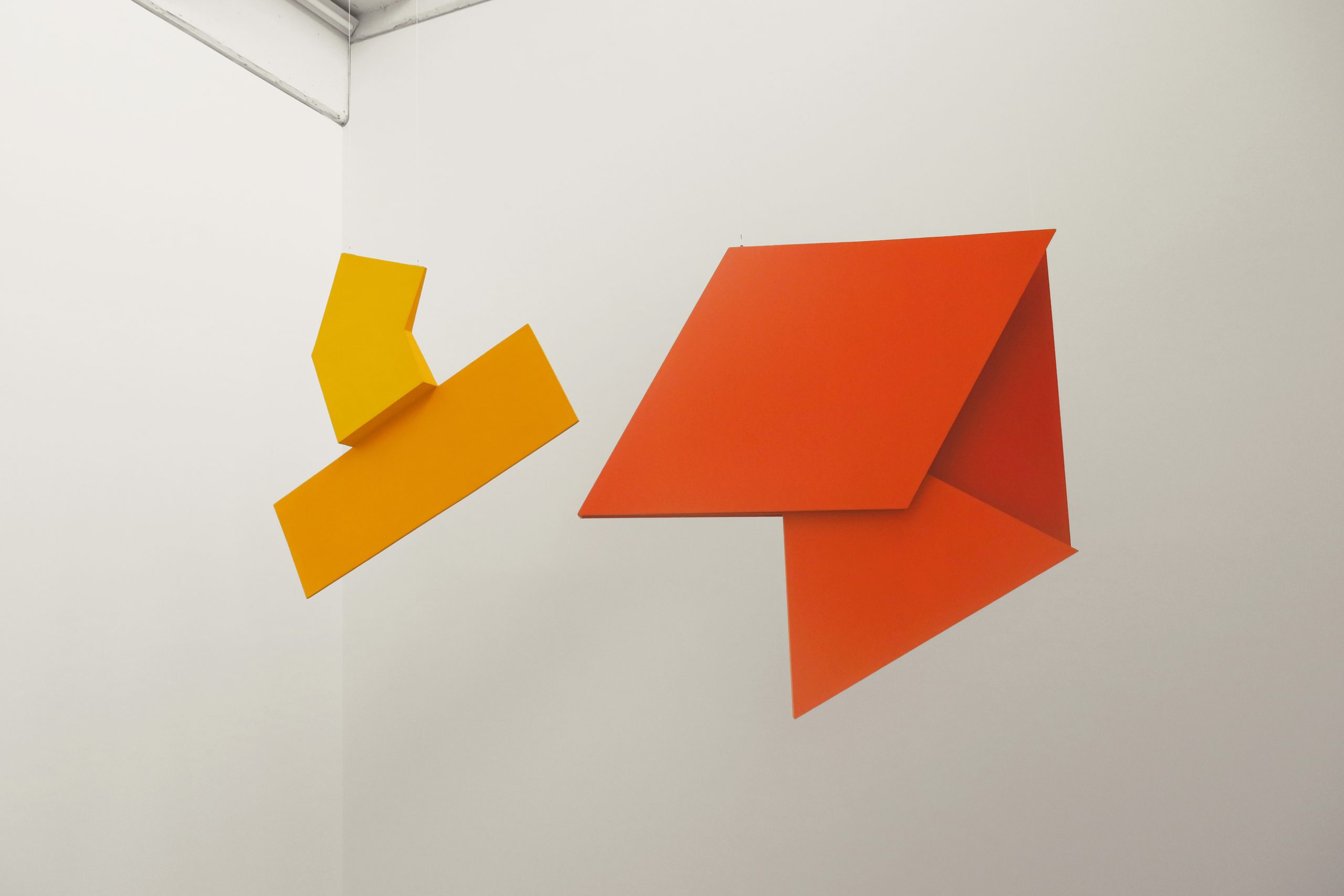
Among those artists selected are recognized names like Richard Serra, Louise Bourgeois, Gerard Richter, Michael Heizer, Agnes Martin, On Kawara, Robert Hyman, Sol LeWitt, Blinky Palermo, and Dan Flavin. Complimenting the roster of established, renown masters Dia also shows contemporary artists. As Guidelli-Guidi elaborates further on the exhibits program and the curatorial program: “Dia’s extraordinary focus on artists who came of age in the 1960s and 1970s is enlivened by our continued work with new generations of artists working in the legacy of Minimalism and Conceptual art. As such, over repeated visits, audiences experience something new each time, through juxtapositions and the mutual activations of works and the space they inhabit”. Contemporary artists such as Liliana Porter, Steve McQueen, Felix Gonzalez-Torres, Mary Hailman, and Delcy Morelos.
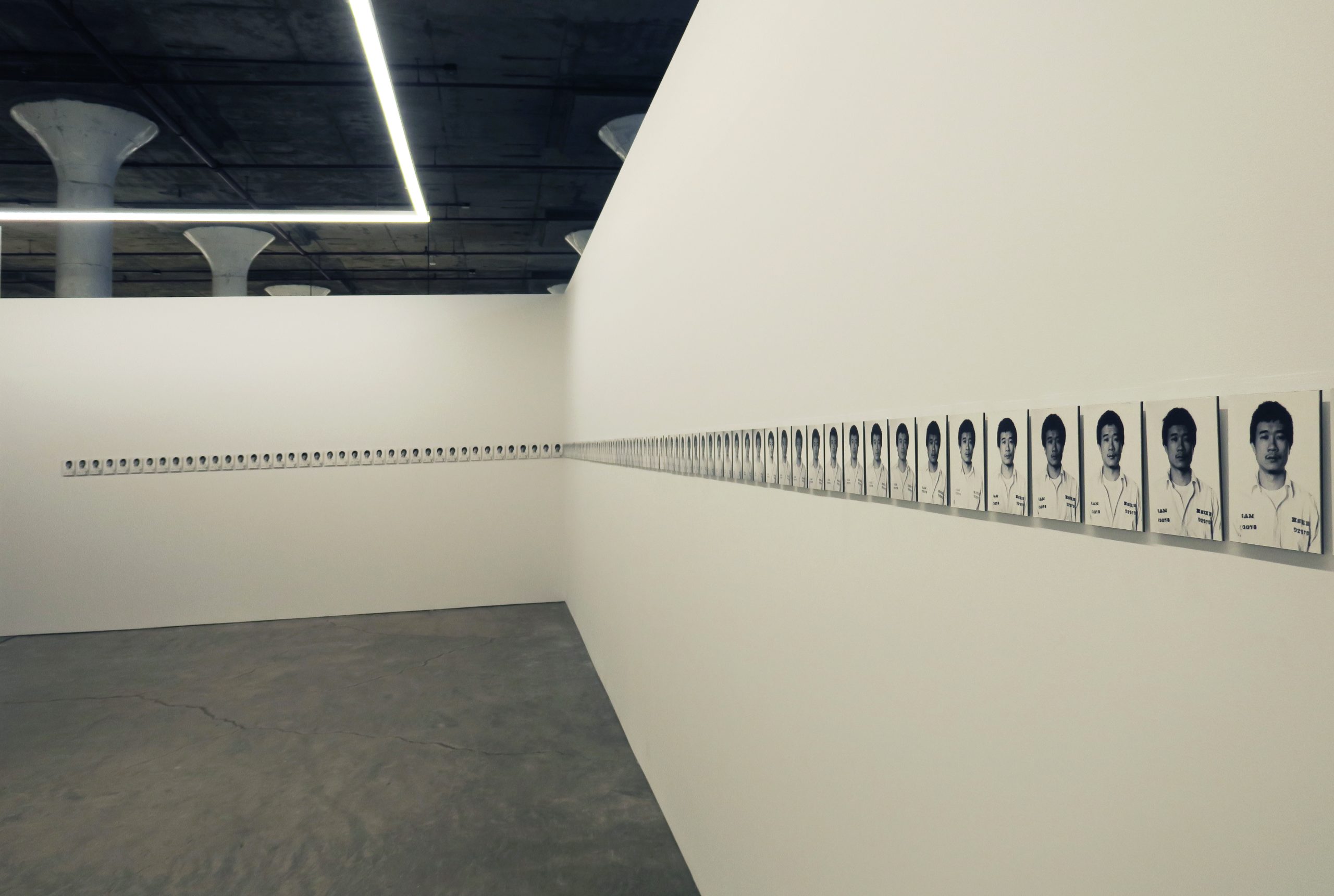
Going beyond being a place to just see art, Dia Beacon also offers a full agenda of public programs. “Live programs further allow us to sustain, articulate, and expand the themes and concerns of the artists whose work inhabits our galleries over extended period of times”, says Guidelli-Guidi. “In the coming months, for instance, we’ll present a week-long program of Andy Warhol’s early film works as well as performances and a film survey relating to the David Lamelas exhibition at Dia Chelsea. Later in the year, we will offer an ad-hoc series of performances of Éliane Radigue’s electronic and acoustic works”. Further remarking on the relevance of such programs, Guidelli-Guidi adds: “Live programming at Dia is key and multifaceted, spanning long-running series and exhibition-related programming to ad-hoc presentations of time-based media and performances. “For example, the cherished Artists on Artists Lecture Series commissions a growing roster of contemporary artists to reflect on the work of their peers and Dia’s institutional history, while Dia Talks invites experts in the field to discuss exhibitions on view across our sites works”.
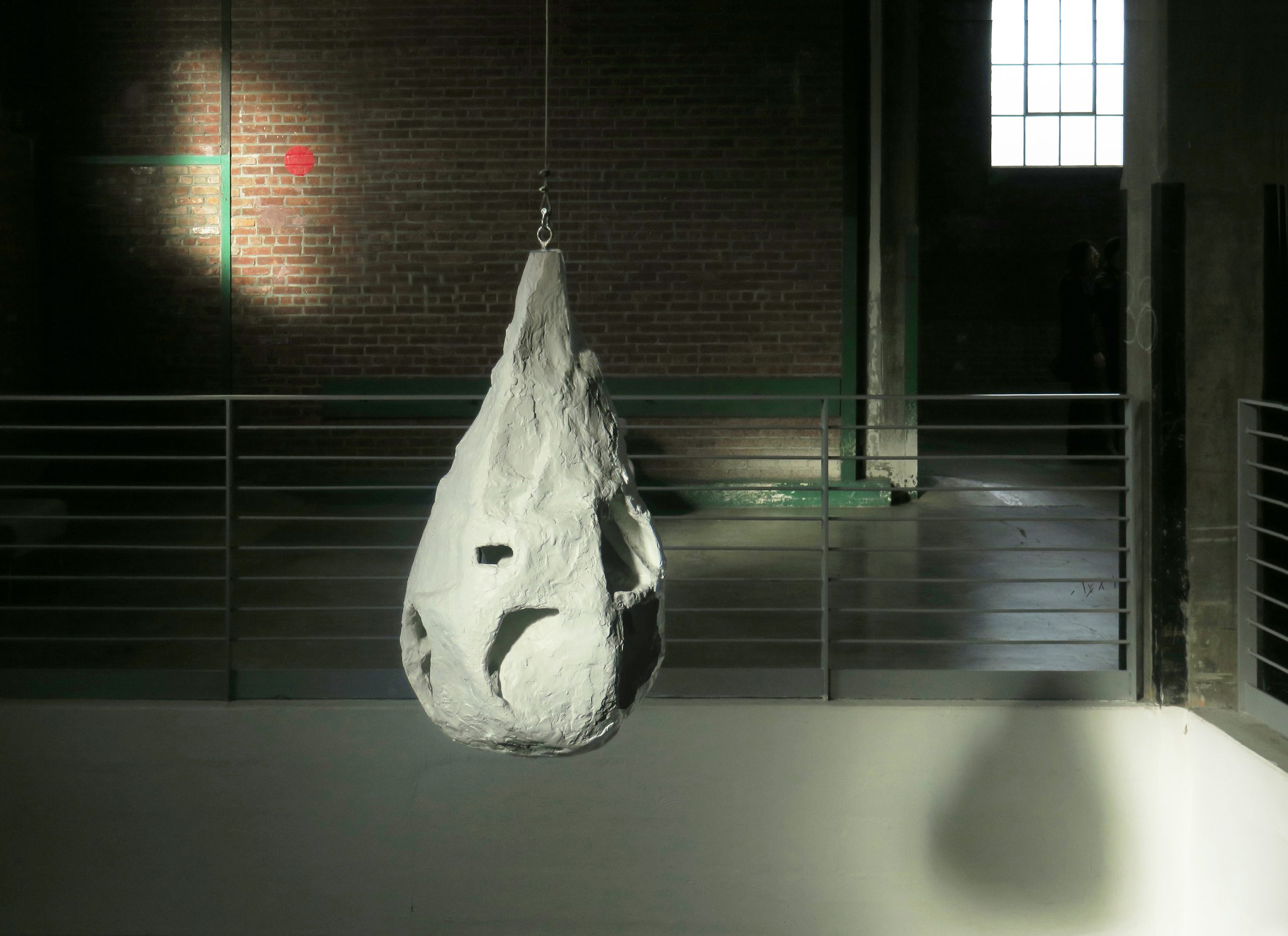
This commitment to public programming takes Dia Beacon from being just a “local attraction” to an active part of the town’s cultural scene and deeper engaging the community. “Our relationship with Beacon and the surrounding area is incredibly important”, states Guidelli-Guidi. “For almost 20 years we have partnered with the Beacon City School District to bring artist educators to schools and bring students to our galleries. Every Saturday we also have programs for kids, which come with free admission to the museum. We also offer free admission to all Beacon residents, and free admission to all Hudson Valley residents on the last Sunday of the month”.
Considered one of the largest museums of contemporary art in the world, today, Dia Beacon has an estimated attendance of over 125 000 visitors per year, with visitors often extending their visits to exploring the charming commercial town center. Named after the Greek word (“dia”) for conduit, indeed the foundations Beacon outpost has functioned over the last 2 decades as a channel for transformation, breathing, through culture, new life into the downturn area.
This article and all of the photos are by Paul Clemence. Paul is an artist, award winning photographer, writer, curator, and he explores the cross sections of design, art and architecture.
Featured photo: Exterior view of the former package printing plant, now the Dia Beacon